
Embarking on a road trip to Alaska is more than just a drive; it’s an epic journey through some of North America’s most spectacular and untamed landscapes. Often described as the “Last Frontier,” Alaska beckons adventurers with its vast wilderness, majestic wildlife, and unparalleled natural beauty. While flying might seem like the quickest option, driving offers an immersive experience, allowing you to witness the gradual transformation of scenery, explore charming towns, and truly earn your arrival in the 49th state. This comprehensive guide will equip you with the knowledge and insights needed to plan and execute a memorable and safe drive to Alaska. From meticulous planning to navigating the open road, we’ll cover every essential aspect of this iconic northern odyssey.
The Ultimate Northern Odyssey: Planning Your Drive to Alaska
Driving to Alaska is an adventure that requires careful planning, but the rewards are immeasurable. It’s a journey that tests endurance, inspires awe, and etches unforgettable memories into the fabric of your travel experiences.
Why Drive to Alaska?
The decision to drive rather than fly to Alaska stems from a desire for genuine exploration and a deeper connection with the journey itself. Driving offers unparalleled freedom, allowing you to stop whenever a breathtaking vista calls, linger in a quaint town, or chase an unexpected wildlife sighting. It’s an opportunity to experience the immense scale of the North American continent, traversing diverse ecosystems from dense forests to sprawling tundras. For many, the drive is part of the destination, a rite of passage that prepares you for the wild grandeur awaiting in Alaska. The road unveils countless hidden gems that are simply inaccessible from an airplane window, transforming a mere transit into an enriching expedition.
Choosing Your Route: The Alaska Highway (Alcan)
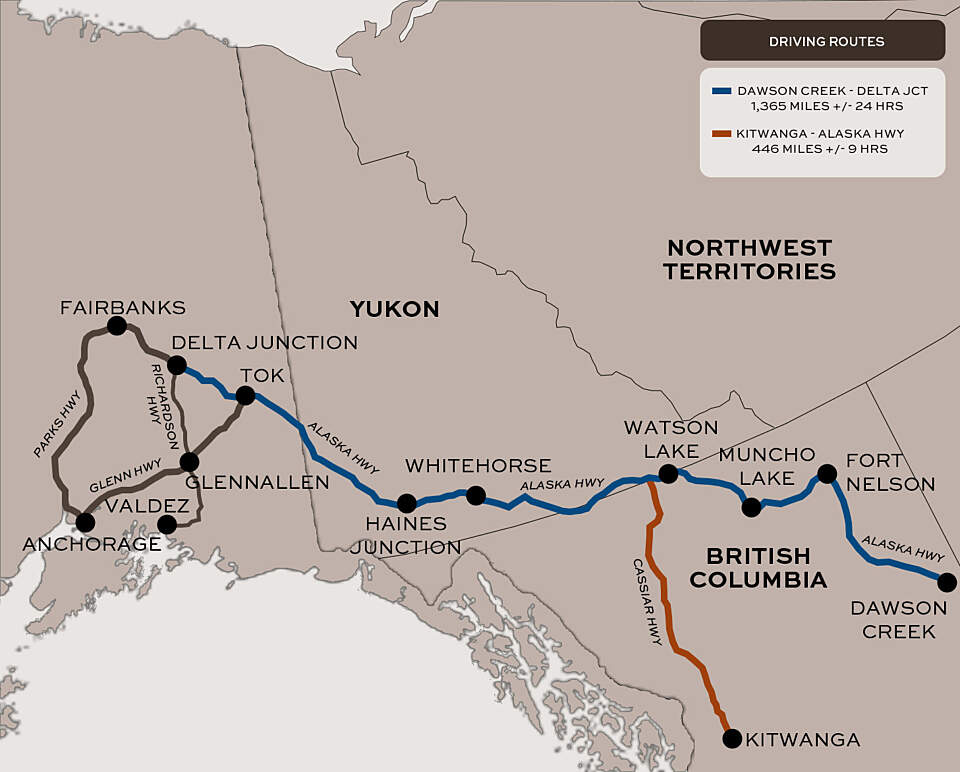
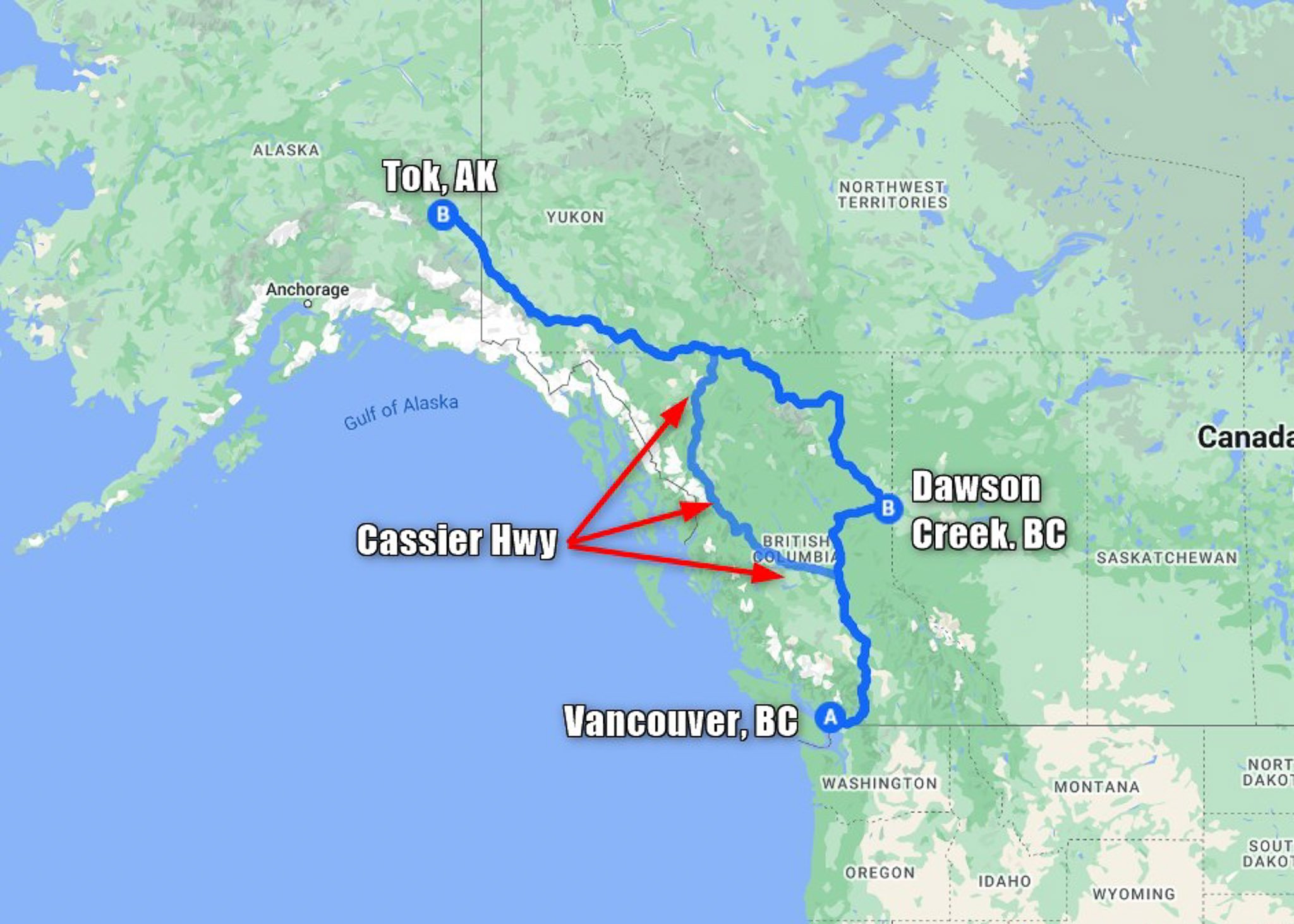
The most famous and well-traveled route to Alaska is the legendary Alaska Highway, also known as the Alcan Highway. Constructed during World War II, this monumental engineering feat stretches approximately 1,387 miles (2,232 kilometers) from Dawson Creek, British Columbia, Canada, to Delta Junction, Alaska, in the United States. While there are several feeder routes that lead to the Alaska Highway from various points in the lower 48 United States and southern Canada, the Alaska Highway itself forms the spine of most overland journeys. This route is almost entirely paved today, a stark contrast to its gravel origins, making it accessible to a wider range of vehicles. It passes through stunning sections of northern British Columbia and the Yukon Territory, offering a continuously unfolding tapestry of mountains, forests, rivers, and lakes. Other less common but equally scenic routes include the Cassiar Highway (Highway 37) in British Columbia, which offers a more remote experience and eventually connects back to the Alaska Highway.
Best Time to Go
The optimal time to drive to Alaska is during the summer months, typically from late May through early September. This window offers the most favorable driving conditions, including longer daylight hours, warmer temperatures, and the full availability of services such as campgrounds, roadside attractions, and gas stations. During peak summer, particularly July and August, the weather is generally mild, making for pleasant driving and camping. However, this is also the busiest season, so expect more traffic and higher prices for accommodation.
Driving during the shoulder seasons (May and September) can offer a more tranquil experience with fewer crowds and often lower prices. However, be prepared for cooler temperatures, potentially more rain or early snowfalls, and some services beginning to close down. Driving in winter is a much more challenging endeavor, recommended only for highly experienced cold-weather drivers with fully equipped vehicles, as road conditions can be treacherous, and many services are closed. For a first-time driver, summer is unequivocally the best choice.
Essential Preparations for Your Alaskan Road Trip
A successful drive to Alaska hinges on thorough preparation. Neglecting key aspects can lead to uncomfortable delays or even dangerous situations in remote areas.
Vehicle Checklist: Ensuring Roadworthiness
Your vehicle is your most important companion on this journey, so ensuring its peak condition is paramount. Before you leave, have a comprehensive mechanical inspection performed by a trusted mechanic. Pay particular attention to tires, including a full-size spare, as gravel sections can still be encountered and punctures are common. Check the brakes, fluids (oil, coolant, transmission, brake fluid, windshield washer), belts, hoses, and battery. Consider carrying a small toolkit, jumper cables, tire repair kit, and an air compressor. If your vehicle is older, it might be wise to bring spare parts for common issues specific to your model, such as fuses or a serpentine belt. Some travelers even opt for a full vehicle undercoating to protect against gravel damage.
Documentation and Border Crossings
Crossing the border into Canada and then into Alaska ( United States) requires specific documentation. All travelers must carry valid passports. Ensure your vehicle registration is current, and bring proof of insurance. It’s advisable to check with your insurance provider to confirm coverage in Canada and for any specific requirements. If you’re driving a rental car, obtain a letter of authorization from the rental company permitting you to drive it across international borders. Be aware of customs regulations for both countries; restrictions apply to firearms, alcohol, tobacco, and certain agricultural products. Declare everything truthfully to avoid complications. A NEXUS card can expedite border crossings for eligible travelers.
Packing Smart: What to Bring
Packing for a diverse journey through varying climates and remote areas requires strategic thinking. Beyond your personal clothing (layers are key, even in summer, as temperatures can fluctuate wildly), an emergency kit is vital. This should include a first-aid kit, emergency food and water, blankets, a flashlight, matches/lighter, and an emergency beacon or satellite phone, especially for areas with no cell service. Navigation aids are crucial; while GPS is helpful, always carry physical maps (e.g., The Milepost) as a backup. Binoculars for wildlife viewing, insect repellent, sunscreen, bear spray (and knowledge of how to use it safely), and a camera are also highly recommended. Don’t forget entertainment for long stretches of road, such as audiobooks or playlists.
Navigating the Journey: Key Segments and Highlights
The drive to Alaska is a journey of distinct phases, each offering its own unique charm and challenges. Understanding what to expect in each region will enhance your experience.
The Start: British Columbia’s Wilderness
Your adventure on the Alaska Highway officially begins in Dawson Creek, British Columbia, marked by the famous “Mile 0” post. From here, the highway winds north through the Peace River region, a fertile agricultural area that quickly gives way to dense boreal forests and rolling foothills. Towns like Fort St. John offer essential services and a chance to refuel. As you progress, the landscape becomes increasingly wild and remote. Keep an eye out for wildlife, particularly moose and bears, which are abundant in this region. The northern part of British Columbia is characterized by vast stretches of untouched wilderness, pristine lakes, and rivers, providing a serene introduction to the grandeur of the North.
Yukon Territory: Untamed Beauty
Entering the Yukon Territory signals a noticeable shift in scenery; the mountains become more dramatic, and the sense of wilderness deepens. The capital city, Whitehorse, is the largest community on the Alaska Highway between Dawson Creek and Fairbanks, offering a full range of services, excellent dining, and cultural attractions. Highlights in the Yukon include the scenic shores of Teslin Lake, the dramatic mountains of Kluane National Park and Reserve, home to Canada’s highest peaks and immense icefields. This section of the highway is renowned for its opportunities to spot Dall sheep, grizzly bears, and other iconic northern animals. The long daylight hours of summer allow for extended exploration and photography.
Crossing into Alaska: The Final Stretch
After traversing the Yukon, you’ll reach the United States border, marking your official entry into Alaska. The first significant Alaskan town you encounter is Tok, often dubbed the “Gateway to Alaska.” From Tok, you have a choice of routes: heading north to Fairbanks, Alaska’s second-largest city and a hub for interior exploration, or west and south towards Anchorage, the state’s largest city and gateway to south-central Alaska. The drive through Alaska continues to offer stunning vistas, including views of the Alaska Range and the possibility of seeing Denali (Mount McKinley) on a clear day. The sense of accomplishment upon reaching your final destination is profound, a testament to the journey you’ve just completed.
Staying Safe and Comfortable on the Road
The vastness and remoteness of the North require a proactive approach to safety and comfort. Planning for logistical challenges will ensure a smoother trip.
Fueling Up: Availability and Planning
While the Alaska Highway is well-serviced compared to its past, there are still long stretches between gas stations, particularly in the Yukon and northern British Columbia. It’s crucial to never let your fuel tank dip below half full. Fill up whenever you see a gas station, even if you don’t think you immediately need it. Some experienced travelers carry an extra jerry can of fuel for emergencies, especially if driving a vehicle with poor fuel economy. Always check the operating hours of gas stations in smaller communities, as many close early or are not open on weekends outside of peak season.
Accommodation Along the Way
Accommodation options along the Alaska Highway include motels, hotels, lodges, and numerous campgrounds. During the peak summer season, it’s highly advisable to book accommodation in advance, especially in popular towns like Whitehorse or Fort St. John. Campgrounds, both public (provincial/territorial/state parks) and private, are abundant and often beautifully situated. Many also offer basic amenities like showers and laundry. For those preferring more comfort, roadside motels cater specifically to travelers on this route. Planning your daily mileage and identifying potential overnight stops is a key part of trip preparation.
Wildlife Encounters and Road Hazards
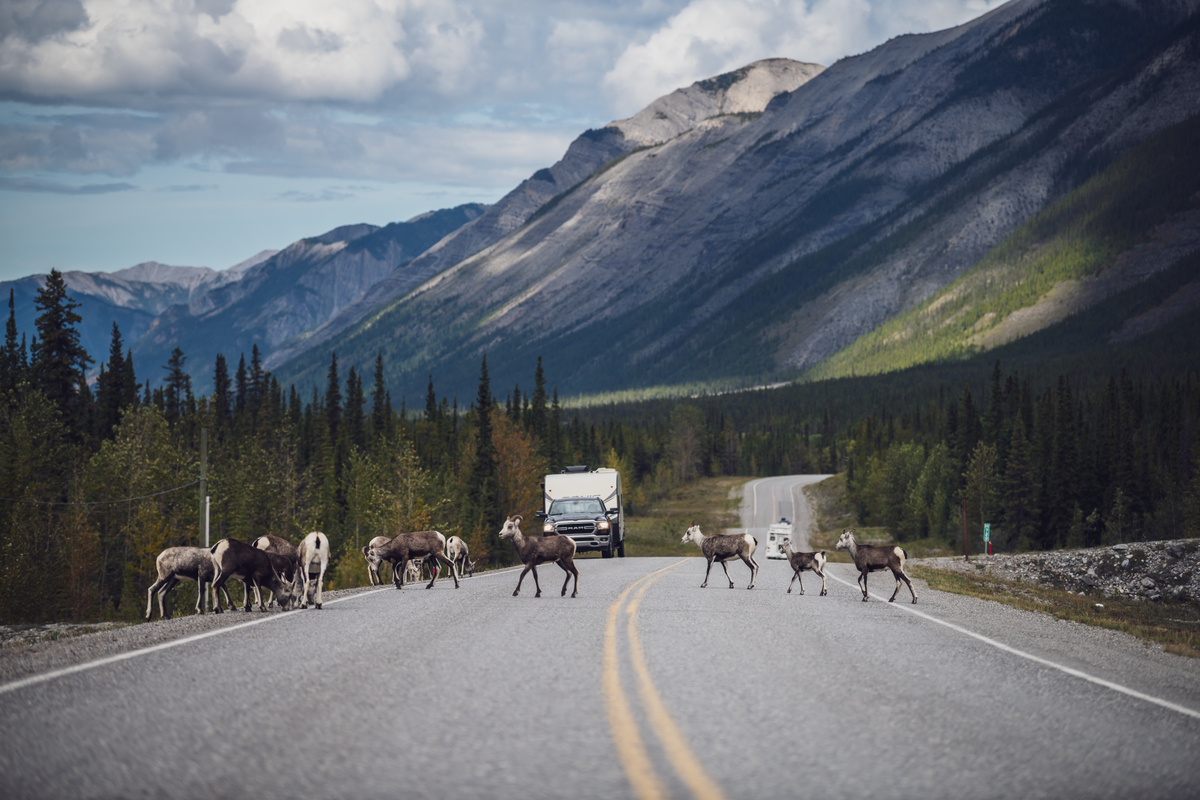
Wildlife is a constant presence along the Alaska Highway, and encounters can be both awe-inspiring and hazardous. Be vigilant, especially at dawn and dusk, when animals are most active. Moose, deer, bears (black and grizzly), and caribou frequently cross the road. Reduce your speed, especially around blind curves and wooded areas, and never approach or feed wildlife. In addition to animals, road conditions can vary. While mostly paved, you might encounter sections of gravel, potholes, or frost heaves (bumps caused by freezing and thawing permafrost). Drive defensively, maintaining a safe distance from other vehicles, and be prepared for sudden changes in road surface.
Staying Connected
Cell phone service is sporadic at best along vast portions of the Alaska Highway and within Alaska’s interior. Do not rely solely on your cell phone for navigation or communication. Consider renting or purchasing a satellite phone or a personal locator beacon (PLB) for emergencies, particularly if you plan on venturing off the main highway into more remote areas. Inform family or friends of your itinerary and check in regularly when you have service. Download offline maps and keep a physical roadmap like The Milepost handy.
Experiencing Alaska: Beyond the Drive
Upon arriving in Alaska, the real adventure begins. Your vehicle gives you the freedom to explore the state’s diverse regions and attractions at your own pace.
Major Alaskan Destinations
From the northern reaches of Fairbanks to the coastal beauty of Seward and the bustling hub of Anchorage, Alaska offers a myriad of destinations. Fairbanks is known for its midnight sun in summer and spectacular Northern Lights in winter, as well as its gold rush history. Anchorage provides access to urban amenities alongside stunning natural backdrops, serving as a gateway to the Kenai Peninsula and the Interior. Denali National Park and Preserve, home to North America’s highest peak, Denali, is a must-visit for its incredible wildlife viewing and hiking opportunities. Further south, coastal towns like Seward and Homer offer marine excursions, fishing, and stunning glacial landscapes.
Activities and Attractions
Alaska is an adventurer’s paradise. Activities range from world-class hiking and backpacking in its numerous national parks to salmon fishing in pristine rivers. Wildlife viewing is a prime attraction, with opportunities to see bears, moose, caribou, whales, and eagles in their natural habitats. Consider taking a scenic flightseeing tour over glaciers or to remote bush camps. Cultural experiences abound, from learning about Indigenous traditions to exploring the state’s rich gold rush history in towns like Skagway or Talkeetna. Whether you seek thrilling outdoor adventures or peaceful communion with nature, Alaska delivers an unforgettable experience that makes every mile of the drive worthwhile.
LifeOutOfTheBox is a participant in the Amazon Services LLC Associates Program, an affiliate advertising program designed to provide a means for sites to earn advertising fees by advertising and linking to Amazon.com. Amazon, the Amazon logo, AmazonSupply, and the AmazonSupply logo are trademarks of Amazon.com, Inc. or its affiliates. As an Amazon Associate we earn affiliate commissions from qualifying purchases.