
The allure of a hotel bed is undeniable. It’s a sanctuary of crisp linens, plush pillows, and a neatness that often eludes our own bedrooms. Whether you’ve experienced the unparalleled comfort of a luxurious suite at the Ritz Paris or the simple yet perfect arrangement in a cozy guesthouse in Kyoto, the hotel bed promises a restful night, a visual calm, and a touch of indulgence. Recreating this hotel-level comfort in your own home isn’t about owning the most expensive bedding; it’s about understanding the techniques and paying attention to the details that elevate a simple bed into a haven. This guide will walk you through the process, from selecting the right materials to mastering the art of the perfect tuck, ensuring you can bring a piece of that resort experience home.
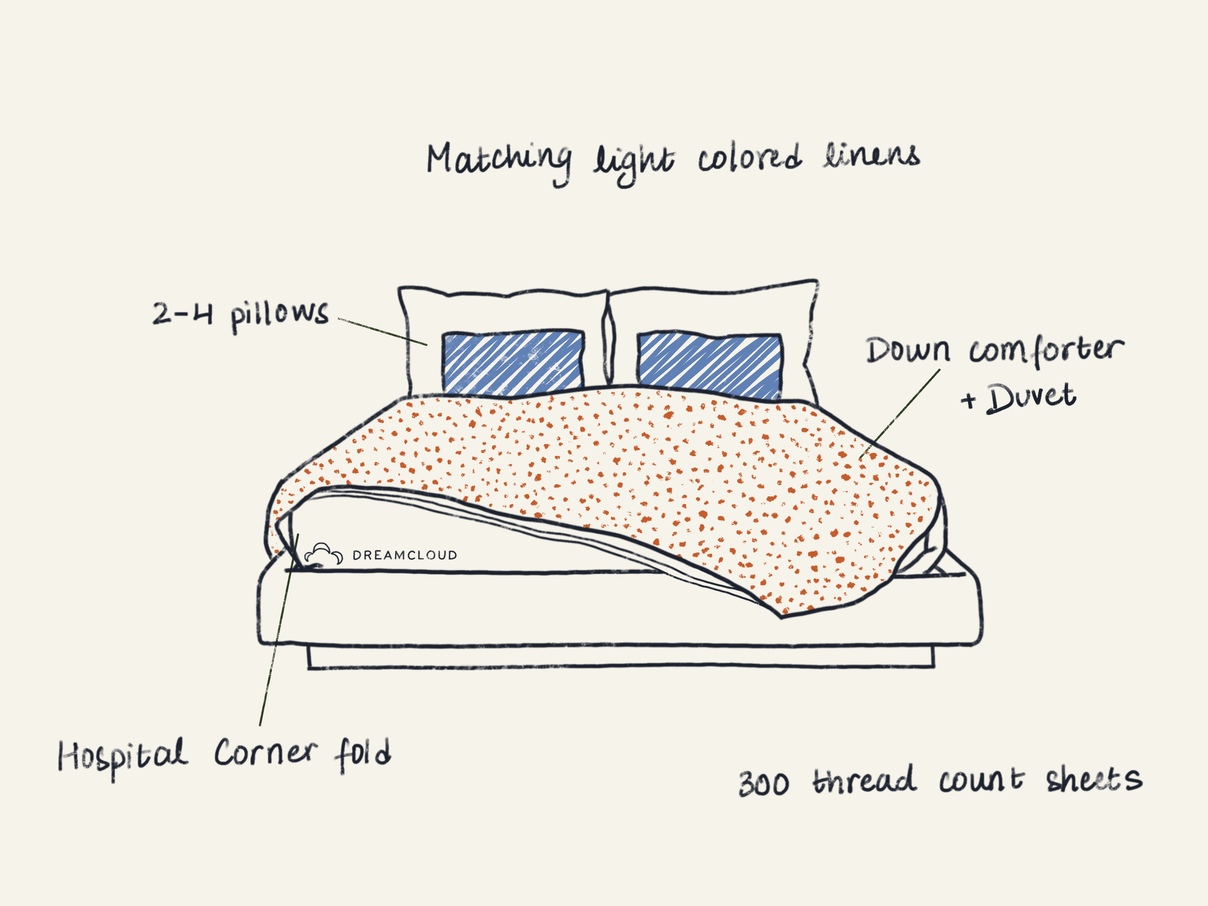
Our journey to the perfect hotel-style bed begins with understanding the foundation: the mattress and its protectors, followed by the careful selection and layering of linens. Then, we’ll delve into the art of making the bed itself, transforming a regular sleeping surface into a meticulously prepared oasis. Finally, we’ll explore the finishing touches that truly make your bed feel like it belongs in a five-star establishment, elevating your daily routine and your sleep experience.
The Foundation of Comfort: Mattress and Linens
The secret to a hotel bed isn’t solely in the decorative elements; it starts with the fundamental layers that provide support and a comfortable sleeping surface. This is where quality materials and careful preparation make a significant difference.
Mattress and Protector: The Unsung Heroes
Before any linens grace your bed, the mattress itself plays a crucial role. While investing in a high-quality mattress is a significant step towards better sleep, its longevity and hygiene are paramount. This is where a good mattress protector comes in. Hotels utilize them to safeguard against spills, stains, and allergens, extending the life of their mattresses and ensuring a consistently clean sleeping environment.
- Choosing the Right Mattress Protector: Look for breathable, waterproof, yet comfortable materials. Hypoallergenic options are ideal, especially if you have sensitivities. A protector that fits snugly will prevent shifting and bunching, ensuring an even surface for your sheets.
- The Importance of Hygiene: Regularly washing your mattress protector (according to manufacturer instructions) is as important as washing your sheets. This removes accumulated sweat, dead skin cells, and potential allergens, contributing to a fresher sleep.
The Art of Sheet Selection: Quality and Thread Count
The feel of hotel sheets is often what guests remember most. They are typically soft, smooth, and durable, a testament to the quality of the fabric and weave. Achieving this at home involves understanding different fabric types and their properties.
- Cotton Reigns Supreme: For that classic hotel feel, 100% cotton is the gold standard.
- Egyptian Cotton: Renowned for its long staple fibers, which result in exceptionally smooth, strong, and lustrous fabric. Bedsheets made from Egyptian Cotton are a luxurious choice, often found in high-end hotels.
- Pima Cotton (Supima): Similar to Egyptian cotton, Pima cotton also boasts long staple fibers, offering a soft, durable, and high-quality experience.
- Percale Weave: This tight, plain weave creates a crisp, cool, and matte finish. Percale sheets have a wonderfully smooth feel and a slight “snap” when you smooth them down, characteristic of many hotel linens. They are ideal for warmer climates or for those who prefer a cooler sleeping surface.
- Sateen Weave: This weave uses more warp threads than weft threads, resulting in a smoother, silkier surface with a subtle sheen. Sateen sheets are generally softer and warmer than percale, offering a more luxurious and cozy feel. They can be a great choice for cooler months or for those who sleep cold.
- Thread Count: While not the sole indicator of quality, a higher thread count (generally between 200-600 for cotton) often signifies a denser, softer, and more durable fabric. However, the quality of the cotton fibers and the weave are equally, if not more, important. Don’t be swayed by astronomically high thread counts advertised for synthetic blends.
- The Essential Layers: A hotel bed typically consists of a fitted sheet, a flat sheet (or top sheet), and pillowcases. Having spares for each is crucial for seamless changes and maintaining that “just-washed” freshness.
Mastering the Tuck: From Fitted to Flat Sheet Perfection
The way a sheet is tucked can dramatically alter the perceived neatness and comfort of a bed. Hotels excel at creating a taut, smooth surface that feels both inviting and impeccably organized. This involves a few key techniques.
The Fitted Sheet: A Smooth Foundation
The fitted sheet is the base layer, and its proper application is crucial for preventing wrinkles and ensuring a snug fit.

- Correct Orientation: Ensure the corners of the fitted sheet are correctly aligned with the corners of your mattress. Many sheets have a tag indicating the top or side, which can help.
- Tuck Deeply: Once on, go around the bed and firmly tuck the elasticized edges of the fitted sheet under the mattress. For an extra-secure fit, lift the mattress slightly at each corner to tuck the fabric completely underneath. This eliminates any slack and prevents it from popping off during the night.
- Smooth Out Wrinkles: Once fitted, use your hands to smooth out any remaining wrinkles or bumps on the surface of the mattress. A smooth surface is the first step to a visually appealing and comfortable bed.
The Flat Sheet: The Hotel’s Signature Layer
The flat sheet, or top sheet, is where the magic of hotel crispness truly begins. It’s not just about covering yourself; it’s about creating a neat, inviting presentation.
- Placement is Key: Lay the flat sheet evenly over the fitted sheet. The top edge of the flat sheet should be aligned with the top edge of your mattress, or even slightly higher, anticipating the fold-over. The excess fabric should drape evenly down both sides and the foot of the bed.
- The Hospital Corner Technique: This is the signature move that gives hotel beds their sharp, tailored look.
- At the Foot of the Bed: Stand at the foot of the bed. Take the loose fabric of the flat sheet on one side and lift it up, creating a 45-degree angle against the side of the mattress.
- Tuck Under: Tuck the section of the sheet that is now hanging below the angled fabric underneath the mattress at the foot of the bed.
- Lay Down and Tuck: Now, drop the angled flap of the sheet back down. It should hang neatly over the side. Tuck this entire flap smoothly under the mattress. Repeat this process on the other side of the foot of the bed. This creates a taut, envelope-like fold that stays put.
- Sides of the Bed (Optional but Recommended): For an even more polished look, you can tuck the flat sheet tightly along the sides of the bed as well, though the hospital corners at the foot are the most crucial for that hotel feel. You can either do a simple tuck under the mattress or continue the hospital corner technique further up the sides if your mattress depth allows. The goal is to eliminate any loose fabric hanging freely.
The Pillow Presentation: Comfort Meets Aesthetics
Pillows are central to both comfort and the visual appeal of a hotel bed. They are arranged in a way that is both inviting for sleep and aesthetically pleasing when the bed is made.
Pillowcase Perfection: The Envelope Fold
Similar to the flat sheet, pillowcases in hotels are often finished with an “envelope” fold to keep the pillow neatly inside and prevent the opening from flapping.
- Inside Out First: Turn the pillowcase inside out.
- Insert Pillow: Slide the pillow into the inside-out pillowcase until it’s fully encased.
- The Fold: Locate the folded flap on the open end of the pillowcase. Fold this flap inwards, tucking it neatly over the edge of the pillow. This creates a clean, enclosed finish.
- Smooth and Fluff: Gently smooth the pillowcase to remove any wrinkles. Give the pillow a good fluff to ensure it’s evenly filled and has a pleasing shape.
Strategic Pillow Arrangement
The arrangement of pillows in a hotel room is deliberate, offering both support and a welcoming aesthetic.
- Sleeping Pillows: These are your primary pillows for comfort. Hotels typically provide two standard or queen-sized pillows per person, arranged neatly against the headboard. Ensure they are fluffed and positioned snugly.
- Accent Pillows (Optional): Many luxury hotels add decorative accent pillows. These can be smaller, square cushions or bolster pillows. They are usually placed in front of the sleeping pillows. The key is restraint; a few well-chosen accent pillows add character without making the bed look cluttered.
- The Duvet/Comforter Fold: Once the pillows are in place, the duvet or comforter is pulled up. It should be spread evenly over the flat sheet, with a generous amount of overhang on both sides and at the foot. The top edge of the duvet is then folded down, usually about 6-12 inches, to reveal the flat sheet underneath. This fold not only looks neat but also makes it easier to get into bed.

The Final Touches: Crispness and Care
The little details are what truly elevate a bed to hotel status. These final steps focus on ensuring a pristine appearance and a luxurious feel.
- The “Hospital Corner” for the Duvet: While less common than with the flat sheet, you can apply a simplified version of the hospital corner at the foot of the duvet for an exceptionally taut finish. This involves tucking the duvet tightly under the mattress at the foot of the bed, much like the flat sheet.
- Smooth Everything: Run your hands over the entire surface of the duvet and pillows. Any stray wrinkles should be smoothed out. The goal is a seamless, unblemished surface.
- The Throw Blanket: Some hotels add a neatly folded throw blanket at the foot of the bed. This adds a layer of texture and color and suggests an extra touch of warmth and comfort. Fold it precisely and place it horizontally across the bed, typically above the tucked-in duvet.
- Consider a Bed Skirt: If your bed frame is not aesthetically pleasing or you want a cleaner look, a well-fitted bed skirt can hide the base and contribute to a more polished appearance, similar to what you might see in a boutique hotel.
By following these steps, you can transform your everyday bed into a luxurious hotel-style retreat. It’s a process that combines practical techniques with a mindful approach to comfort and presentation, bringing a touch of everyday indulgence to your home. Whether you’re preparing for a guest or simply want to enhance your own sleep sanctuary, mastering the art of the hotel bed is a rewarding endeavor. Imagine sinking into those crisp sheets after a day exploring Rome or unwinding after a business meeting in Singapore – that feeling is now within your reach, every night.
LifeOutOfTheBox is a participant in the Amazon Services LLC Associates Program, an affiliate advertising program designed to provide a means for sites to earn advertising fees by advertising and linking to Amazon.com. Amazon, the Amazon logo, AmazonSupply, and the AmazonSupply logo are trademarks of Amazon.com, Inc. or its affiliates. As an Amazon Associate we earn affiliate commissions from qualifying purchases.