
Navigating the legal landscape of property management in New York City is a complex endeavor, particularly when it comes to the sensitive process of tenant eviction. As one of the most tenant-friendly jurisdictions in the United States, the city maintains stringent regulations designed to protect residents from arbitrary displacement. Whether you are managing a brownstone in Brooklyn or a luxury condo in Manhattan, understanding the procedural requirements is essential for any landlord or property owner.
Understanding the Legal Grounds for Eviction
In New York State, you cannot simply terminate a lease because you are unhappy with a tenant. Eviction must be predicated on specific, legally recognized grounds. The most common reasons include non-payment of rent, lease violations, or holding over after the expiration of a lease term.
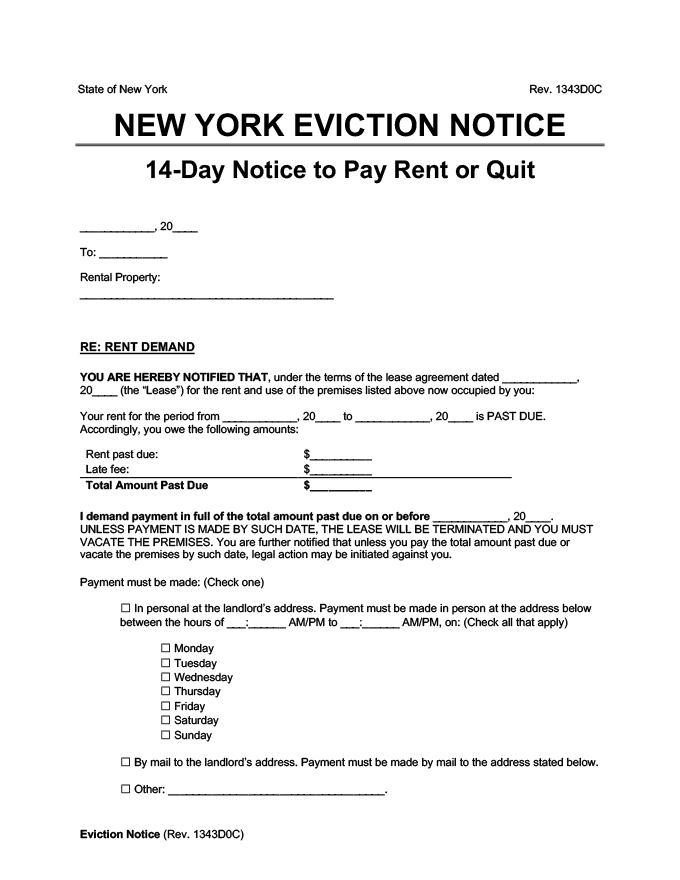
Non-Payment of Rent Proceedings
If a tenant fails to pay rent, the process begins with a formal “14-day demand” for rent. This notice must be served properly; it serves as a warning that legal action will follow if the arrears are not satisfied within the specified timeframe. If the tenant remains in default after the 14 days, you may then proceed to file a Notice of Petition and Petition with the Housing Court. It is imperative to maintain meticulous records of all communications and banking statements to substantiate your claim.
Lease Violations and Holdover Cases
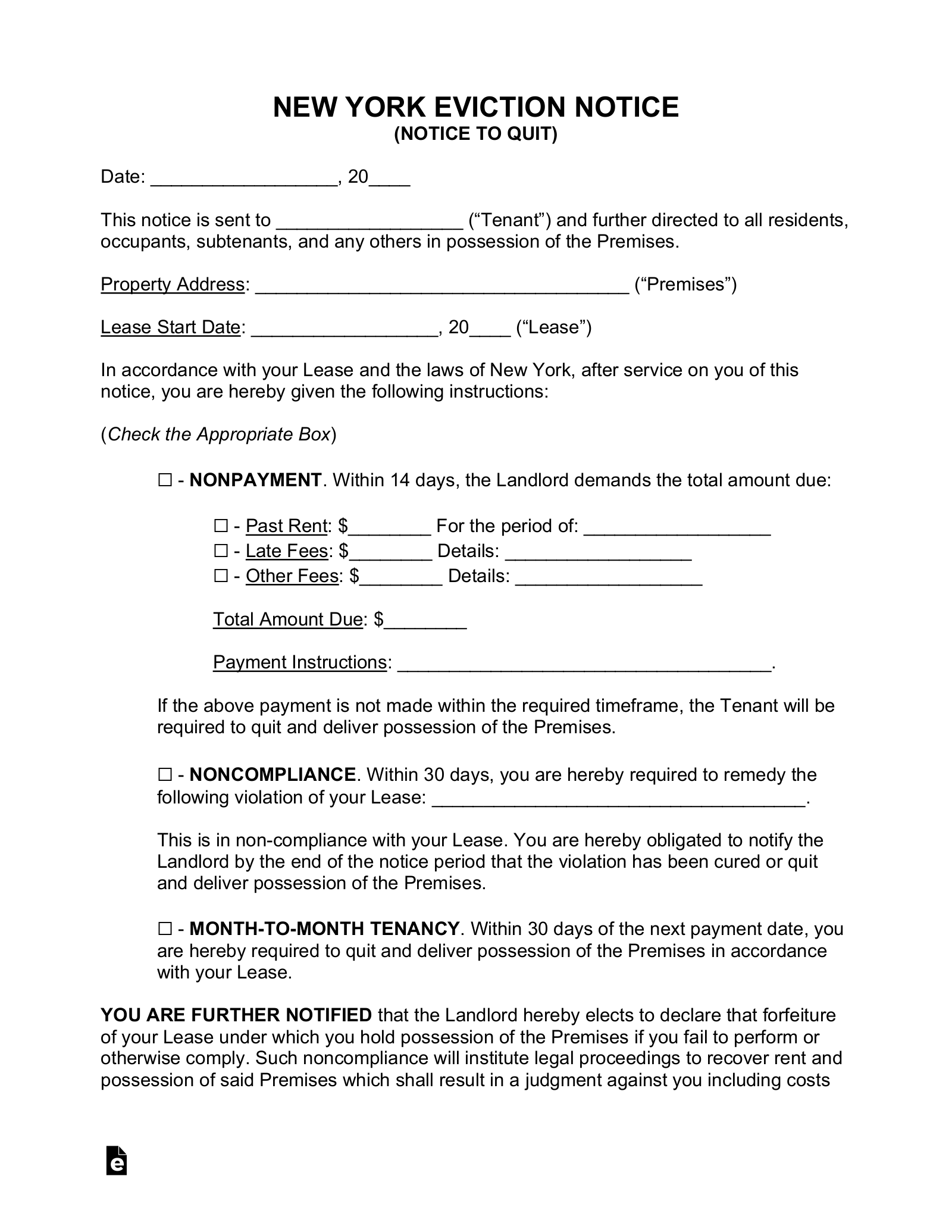
Evicting a tenant for reasons other than non-payment—such as unauthorized subletting, excessive noise, or illegal activity—requires a different approach. You must first serve a “Notice to Cure,” which gives the tenant a specific period to correct the behavior. If they fail to comply, you serve a “Notice of Termination.” A “holdover” proceeding, conversely, is used when a tenant stays in the property after their lease has expired and the landlord has officially terminated the tenancy. Navigating these requires a precise understanding of the Real Property Actions and Proceedings Law.
The Procedural Roadmap of a Summary Proceeding
The litigation process in the Five Boroughs is highly formalistic. Errors in documentation or service can lead to immediate dismissal of the case, forcing you to start the process over from scratch, which can add months to your timeline.
Proper Service of Process
The integrity of an eviction case hinges on proper service. You cannot simply slide a notice under a door. New York law requires strict adherence to personal delivery or, in certain circumstances, “substituted service” or “conspicuous place” service. Utilizing a licensed process server is the most reliable way to ensure that your legal documents are delivered in compliance with the Civil Practice Law and Rules.
The Court Appearance and Mediation
Once the petition is filed, a court date is scheduled. At the New York County Courthouse or the equivalent facility in Queens, The Bronx, Staten Island, or Kings County, the judge may often encourage parties to engage in mediation. Mediation is frequently a more efficient path than a full trial. During this phase, landlords and tenants often negotiate a payment plan or a voluntary move-out date, documented through a “Stipulation of Settlement.” This document is a binding contract, and once signed, it carries the weight of a court order.
The Role of Counsel
Given the complexity of the Housing Stability and Tenant Protection Act, legal representation is highly recommended. Tenants in New York City often have access to free legal services, meaning they are frequently well-prepared to challenge technicalities in your filings. Engaging an experienced real estate attorney who specializes in landlord-tenant law is not merely an expense; it is a critical strategy to protect your investment.
Execution of a Warrant of Eviction
If a settlement cannot be reached and a judge rules in your favor, the court will issue a “Judgment of Possession” and a “Warrant of Eviction.” However, this does not grant you the right to physically remove the tenant or their belongings yourself. Engaging in “self-help” evictions—such as changing locks, turning off utilities, or removing property without a court-appointed marshal—is strictly illegal and can lead to severe civil and criminal penalties.
The City Marshal’s Responsibility
Only a City Marshal is empowered to execute a warrant of eviction. After the warrant is issued, it must be delivered to the marshal, who then serves the tenant with a “Notice of Eviction.” This notice gives the tenant a final window—usually 14 days—to vacate the premises voluntarily.
The Final Lockout
If the tenant remains after the expiration of the marshal’s notice, the marshal will schedule the physical lockout. On the day of the eviction, the landlord must provide the necessary resources to secure the premises, such as a locksmith. The marshal oversees the process to ensure that it remains orderly and compliant with the law. This final step concludes the legal process, and possession of the property is officially returned to the owner.
Best Practices for Future Management
Prevention is the most effective form of property management. The most rigorous eviction process is one that you never have to initiate. Maintaining clear, transparent communication and conducting thorough background checks on prospective tenants can significantly reduce the risk of future legal conflict.
Screening and Due Diligence
Before signing a lease, verify the prospective tenant’s credit history, employment status, and rental references. In a competitive market like New York, it is tempting to rush the vetting process to minimize vacancy time, but a thorough background check is the first line of defense against non-payment or nuisance issues.

Documentation and Professionalism
Always maintain a written log of all interactions regarding the property. If a maintenance issue arises, document the receipt of the request and your subsequent response. If a rent payment is late, send a formal reminder immediately. By maintaining a professional and documented relationship from the outset, you provide yourself with the necessary evidence should a dispute ever reach the New York State Unified Court System.
Eviction is a tool of last resort, and it is a process that demands patience, legal rigor, and a deep respect for the regulatory environment of the city. By adhering to the legal statutes and respecting the procedural requirements, you can effectively manage your interests while minimizing the potential for litigation-related delays or liabilities.
LifeOutOfTheBox is a participant in the Amazon Services LLC Associates Program, an affiliate advertising program designed to provide a means for sites to earn advertising fees by advertising and linking to Amazon.com. Amazon, the Amazon logo, AmazonSupply, and the AmazonSupply logo are trademarks of Amazon.com, Inc. or its affiliates. As an Amazon Associate we earn affiliate commissions from qualifying purchases.