
The city of Los Angeles is a sprawling metropolis of immense cultural complexity. While it is internationally renowned as the entertainment capital of the world and a premier destination for travelers seeking the glitz of Hollywood or the sun-soaked shores of Santa Monica, there exists an undeniable undercurrent to the city’s social fabric. Understanding the reach and influence of street organizations is a part of grasping the authentic local culture and the socio-economic realities that define different neighborhoods across this vast California landscape.
The Evolution of Urban Dynamics in Los Angeles
To understand the current landscape of street organizations in Los Angeles, one must look at the historical trajectory of the city. For decades, law enforcement agencies, including the Los Angeles Police Department, have tracked the proliferation of various groups that emerged from systemic socio-economic shifts.

Historical Context and Migration
Many of the organizations that currently operate within the city traces their roots back to the mid-20th century. Factors such as industrial decline, housing segregation, and limited social mobility contributed to the formation of localized groups meant to provide a sense of belonging and protection in marginalized areas. Over time, these small groups evolved into highly structured entities, influencing the aesthetic and cultural identity of specific neighborhoods from South Los Angeles to the Eastside.
Statistical Fluctuations
Determining an exact number is inherently difficult because the nature of these groups is fluid. At the peak of their influence in the late 1990s and early 2000s, estimates suggested there were over 400 active gangs in Los Angeles County. Today, while the number of active participants has shifted due to gentrification, enhanced law enforcement strategies, and changing demographic patterns, the influence of these organizations remains a point of interest for researchers studying the city’s sociology.
Neighborhoods and Cultural Identity
For the average visitor or resident, the city is a collection of vibrant, distinct pockets. Each neighborhood carries its own history, and in certain areas, the presence of these organizations has historically shaped how those neighborhoods function.
Navigating the Geography of the City
When traveling through areas like Compton or Inglewood, locals are often aware of the history associated with specific street corners or parks. For tourists, it is essential to recognize that the vast majority of Los Angeles is open, welcoming, and safe. However, having a general awareness of the city’s structure helps in understanding why certain areas have developed the way they have.
The Influence on Local Art and Music
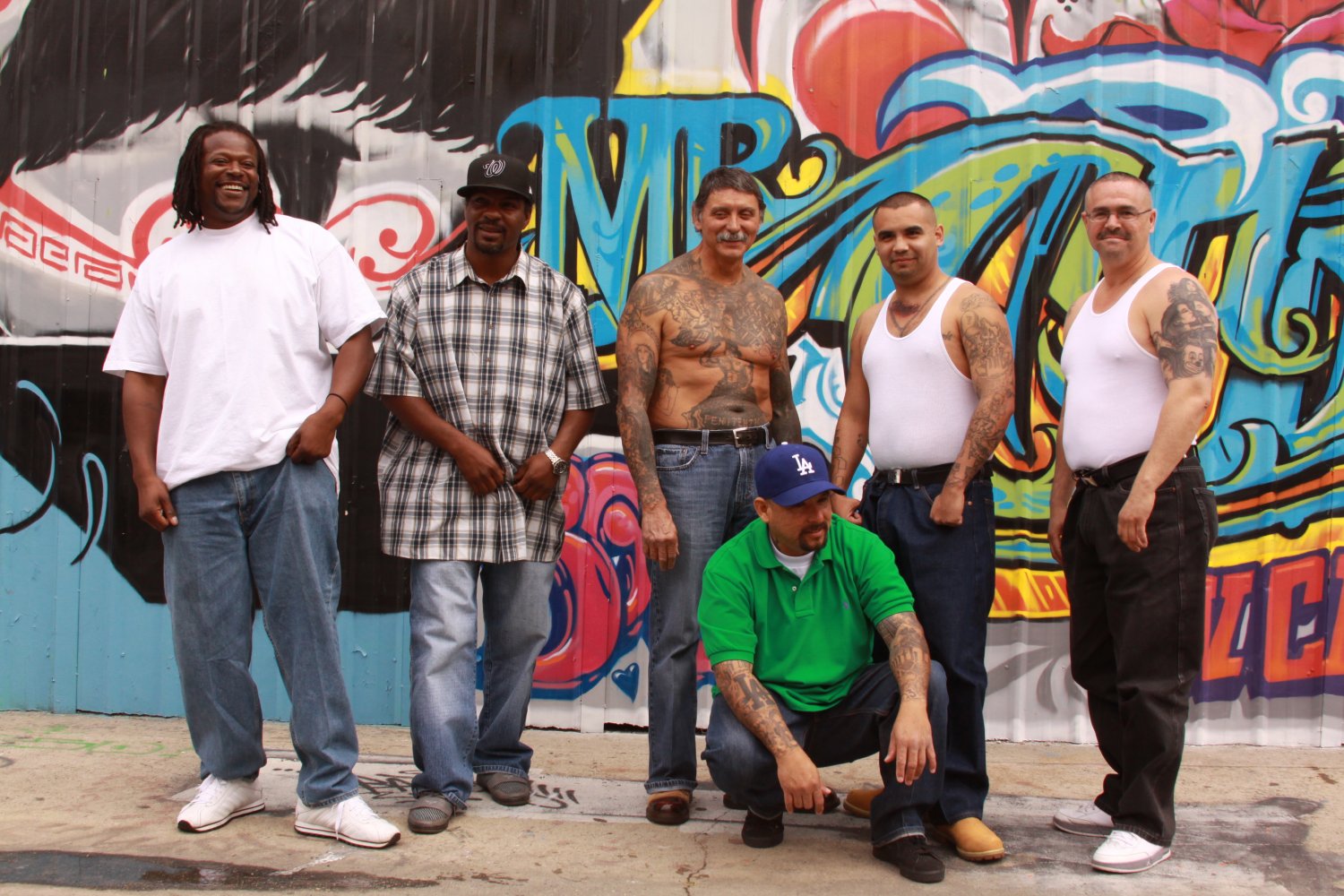
One cannot discuss the culture of Los Angeles without acknowledging the impact of street culture on global trends. The music, fashion, and even the graffiti art that originated in these neighborhoods have been exported worldwide. From the rise of West Coast hip-hop to the distinct street style that permeates the Downtown Los Angeles fashion scene, the legacy of these groups is etched into the creative DNA of the city.
Law Enforcement and Community Intervention
The city has moved away from purely punitive measures, increasingly focusing on community intervention and economic revitalization to curb the influence of organized street activity.
Changing Strategies
The Los Angeles Police Department has pivoted toward community-based policing. This involves building relationships with residents in historically impacted neighborhoods to create a safer environment. By engaging with youth programs, after-school initiatives, and economic development grants, the city seeks to offer alternatives to the environment that originally allowed these groups to flourish.
Community Revitalization Efforts
In areas such as Boyle Heights and Watts, local non-profits and community leaders play a crucial role. These organizations focus on providing mentorship and economic opportunities, recognizing that the most effective way to decrease the influence of gangs is to provide the local youth with a path toward education and career development. Travelers and visitors looking to support the local economy are encouraged to visit small businesses, independent cafes, and cultural centers in these neighborhoods, as their patronage directly supports the growth of these communities.
A Realistic Perspective for Visitors
If you are planning a trip to California, it is important to maintain a balanced view. While the history of gang activity is a genuine aspect of the city’s past and present, it does not define the travel experience for the vast majority of tourists.
Safety and Smart Travel
- Stay Informed: Research the neighborhoods you intend to visit. Los Angeles is massive, and most major tourist attractions, such as Griffith Observatory or the Santa Monica Pier, are located in vibrant, high-traffic areas.
- Respect the Culture: Recognize that you are visiting neighborhoods with deep-seated histories. Being a respectful observer—supporting local businesses and following local customs—goes a long way in ensuring a positive interaction with the community.
- Use Established Transportation: Stick to well-traveled routes and use reliable forms of transport. The Los Angeles Metro is an efficient way to travel between major landmarks, allowing you to see the city from a different perspective.

The Future of Los Angeles
Los Angeles is a city in constant transition. As tech hubs expand and international interest in the city grows, the landscape continues to change. While the number of gangs remains a statistical metric that law enforcement monitors, the broader, more optimistic story of the city is one of resilience and transformation. From the historic architecture of Echo Park to the luxury retail corridors of Beverly Hills, the city offers an unparalleled look at the American experience. By engaging with the city thoughtfully and staying informed about the realities of its past and present, visitors can gain a deeper appreciation for the complex, multifaceted destination that is Los Angeles.
Ultimately, knowing that there is not just one simple answer to “how many gangs are there” is a testament to the city’s complexity. The focus for anyone interacting with the city should be on exploring its cultural richness, its scenic beauty, and its endless variety of neighborhoods, while remaining mindful of the historical struggles that have shaped this iconic urban landscape. Whether you are walking through Venice Beach or exploring the galleries in the Arts District, you are engaging with a city that has overcome immense challenges to become the global powerhouse it is today.
LifeOutOfTheBox is a participant in the Amazon Services LLC Associates Program, an affiliate advertising program designed to provide a means for sites to earn advertising fees by advertising and linking to Amazon.com. Amazon, the Amazon logo, AmazonSupply, and the AmazonSupply logo are trademarks of Amazon.com, Inc. or its affiliates. As an Amazon Associate we earn affiliate commissions from qualifying purchases.