
The New York City Marathon is more than just a race; it is a global phenomenon that brings together over 50,000 runners and millions of spectators to the streets of New York City. Whether you are a family member, a friend, or a devoted fan cheering from afar, tracking a participant as they conquer the five boroughs is an essential part of the experience. The race winds through Staten Island, Brooklyn, Queens, The Bronx, and finally finishes in Manhattan. With such a massive footprint, knowing how to pinpoint your runner’s location is critical for providing the necessary encouragement they need to reach the finish line in Central Park.

Using Official Tracking Technology
The primary method for following any athlete during the race is through the official TCS New York City Marathon mobile application. This app acts as the digital nerve center for the event, providing real-time data that is synced directly with the timing mats located at various intervals along the 26.2-mile course.
Setting Up Your Tracking Dashboard
Before the race begins on the first Sunday of November, download the official app. You can search for runners by name or by their bib number. Once you have identified your runner, add them to your “Favorites” list. By enabling push notifications, you will receive real-time alerts every time your runner crosses a timing mat. These mats are strategically placed at the start, every 5 kilometers, at the halfway mark, and at the finish line.
The app provides estimated finish times based on the runner’s current pace, which is invaluable for spectators trying to time their arrival at specific viewing points. If you are watching from home in the United States or abroad, the app also features a live broadcast link, allowing you to catch glimpses of the elite pack and human-interest stories as they unfold.
Navigating the Split Times
Understanding “split times” is the key to knowing exactly how hard your runner is working. The app displays the pace at which the runner covered the previous 5 kilometers. If you notice a sudden drop in pace, it might indicate that the runner is hitting the dreaded “wall” as they navigate the Queensboro Bridge, a notorious point of difficulty due to its incline and lack of spectator cheering. Being able to visualize these segments allows you to send supportive messages or prepare your cheering squad for their exact arrival time.
Strategy for Spectators on the Course
Tracking a runner is only half the battle; knowing where to stand to see them requires strategic planning. Because the course covers such a massive distance across New York, you cannot rely on being at multiple spots unless you have an expert knowledge of the New York City Subway system.
Choosing the Best Viewing Locations
Many spectators congregate in Brooklyn, specifically along Fourth Avenue. This is an early stage of the race where the energy is electric, but it can be extremely crowded. If you want a more intimate experience, consider moving to the later stages of the race. First Avenue in Manhattan offers an incredible “wall of sound” created by the sheer density of spectators.
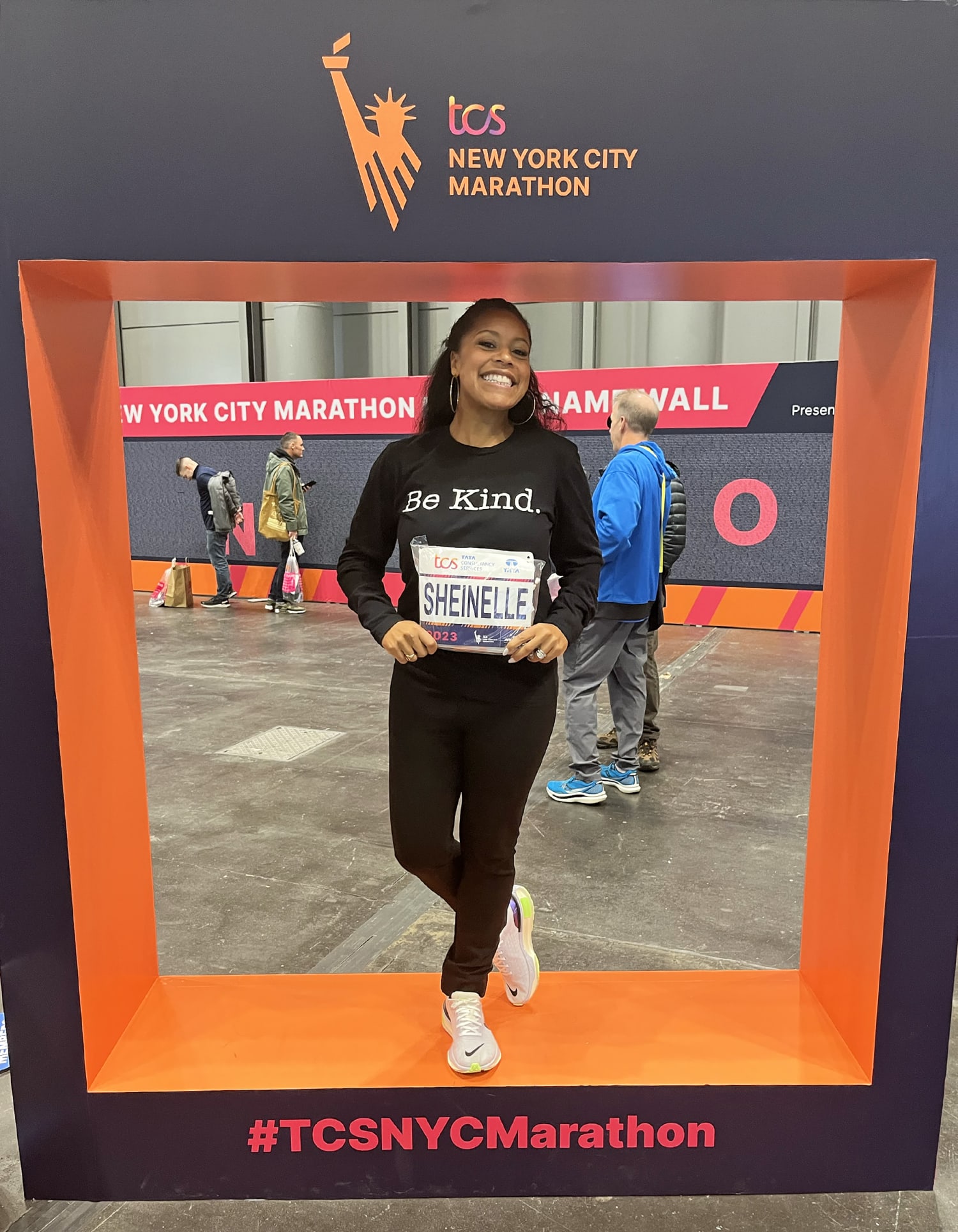
When tracking via the app, look at the projected “mile marker” location. If your runner is cruising at a 9-minute mile, you can calculate their arrival at a specific Manhattan street. Remember that cell service can become spotty due to the sheer volume of people trying to upload photos and check tracking apps simultaneously. It is wise to have a designated meeting spot arranged well in advance of the race day, as the finish area near Tavern on the Green becomes a logistical challenge to navigate.
The Importance of Timing and Logistics
If you are tracking multiple runners, the app allows for simultaneous tracking, but keep in mind that the start waves are staggered. Runners begin in “waves” based on their expected finishing time, meaning a runner in the first wave will be hours ahead of a runner in the final wave. Do not assume your friends are running together unless they registered for the same wave. Use the tracking app to verify which wave your runner has started in, as this will change their estimated arrival time at every single checkpoint.
Tracking Runners Remotely and Virtually
For those who cannot be in the city, tracking a runner has become a highly interactive experience. Modern digital tools have bridged the gap between the course and the couch.
Engaging with Live Broadcasts
The ESPN broadcast provides comprehensive coverage that tracks the leaders, but the mobile app complements this by providing personalized updates for your specific runner. If you are hosting a watch party, have the tracking app running on a tablet or a dedicated laptop. Many spectators use the app to capture screenshots of their runner’s progress as they hit significant landmarks, such as Pulaski Bridge or Willis Avenue Bridge.
Social Media Integration
Most runners use GPS watches that sync with social media platforms. Encourage your runner to link their account to their tracking profile. This allows for real-time updates that are more granular than the 5-kilometer timing mats. By tracking their social media handles, you might catch them posting a “mid-race selfie” or a quick update about their physical condition. This provides a more human connection to the metrics provided by the race organizers.
Best Practices for a Seamless Experience
To ensure that your tracking experience is stress-free, follow these professional tips.
Before the Race
- Verify Bib Numbers: Double-check the bib number at least 24 hours before the race. Occasionally, participants may be reassigned a number.
- Charge Your Devices: You will be checking the app incessantly; ensure your phone battery is at 100% and consider carrying a portable power bank.
- Coordinate Meeting Points: Do not rely on cell phone calls immediately after the finish line. The Central Park area is notoriously congested, and signals can be jammed. Establish a “letter-based” meeting point in the post-race family reunion area, which is organized alphabetically by the runner’s last name.

During the Race
- Monitor Weather Shifts: New York weather in November can change rapidly. If the temperature drops or rain starts, track your runner’s pace closely, as these conditions may slow them down and push their expected arrival time back.
- Respect the Barriers: Whether you are tracking a professional athlete or a first-time marathoner, never try to cross the course. Use the pedestrian bridges and designated crossings managed by the New York Police Department.
Tracking a runner in the New York City Marathon is a rewarding way to participate in the energy of the world’s most famous road race. By utilizing the official technology, planning your transit, and staying updated through official notifications, you become an integral part of your runner’s success. As they cross the finish line, you will know exactly when to celebrate, having followed their journey every step of the way from the Verrazzano-Narrows Bridge to the final stretch in Manhattan.
LifeOutOfTheBox is a participant in the Amazon Services LLC Associates Program, an affiliate advertising program designed to provide a means for sites to earn advertising fees by advertising and linking to Amazon.com. Amazon, the Amazon logo, AmazonSupply, and the AmazonSupply logo are trademarks of Amazon.com, Inc. or its affiliates. As an Amazon Associate we earn affiliate commissions from qualifying purchases.