
The decision to file a civil lawsuit in California is a significant one, often fraught with emotional, financial, and procedural complexities. Whether you’re seeking compensation for damages, enforcing a contract, or resolving a dispute, understanding the intricate legal landscape of the Golden State is paramount. This comprehensive guide aims to demystify the process, offering a professional, insightful, and engaging roadmap for individuals contemplating civil litigation in California. By adhering to the state’s specific rules and procedures, you can better position yourself for a more effective and potentially successful outcome.
Understanding the Foundation of Civil Litigation in California
Before embarking on the journey of filing a lawsuit, it’s crucial to grasp the fundamental concepts that underpin civil litigation in California. This foundational knowledge will serve as your compass through the ensuing legal labyrinth.

What Constitutes a Civil Lawsuit?
A civil lawsuit is a legal dispute between two or more parties that seeks to resolve a grievance and typically results in a monetary award or specific performance, rather than criminal penalties. Unlike criminal cases, which involve the state prosecuting an individual for violating a law, civil cases involve private individuals or entities seeking to enforce rights or recover damages. Common types of civil lawsuits in California include personal injury claims, contract disputes, property disputes, family law matters, employment disputes, and various tort claims such as defamation or negligence. The core objective is to make the wronged party whole again or to prevent future harm.
Key Players in a California Civil Case
Understanding who’s who in a civil lawsuit is essential. The party initiating the lawsuit is known as the plaintiff (or petitioner in some specific cases, like family law). The party being sued is the defendant (or respondent). Both sides may be represented by legal counsel, though self-representation is permitted. The dispute is presided over by a judge, who ensures proper legal procedure is followed and interprets the law. In some cases, a jury may be empaneled to decide factual disputes and render a verdict. Beyond these primary figures, there may be expert witnesses, court clerks, bailiffs, and other administrative staff involved in the process.
Pre-filing Considerations: Is a Lawsuit Your Best Option?
Before rushing to the courthouse, it’s vital to assess whether filing a lawsuit is indeed the most appropriate and effective course of action. Litigation can be incredibly time-consuming, expensive, and emotionally draining. Consider the strength of your case: Do you have sufficient evidence? What are the potential legal costs versus the potential recovery? What is the statute of limitations for your claim? California has strict deadlines for filing different types of lawsuits, and missing these deadlines can permanently bar your claim. Exploring alternative dispute resolution methods, such as mediation or arbitration, might offer a more expedient and less adversarial path to resolution. Consulting with an attorney at this preliminary stage can provide invaluable insight and help you make an informed decision.
The Initial Steps: Preparing and Filing Your Complaint
Once you’ve determined that a lawsuit is necessary, the next phase involves meticulously preparing your case and formally initiating legal proceedings. This stage sets the foundation for everything that follows.
Gathering Evidence and Information
The strength of any civil lawsuit hinges on the evidence presented. Before drafting your complaint, dedicate ample time to gathering all relevant documentation, communications, photographs, videos, witness statements, and any other tangible proof that supports your claim. This might include contracts, emails, text messages, medical records, financial statements, police reports, or expert opinions. Organize this information thoroughly, as it will be critical throughout the discovery phase and potential trial. A comprehensive collection of evidence not only bolsters your case but also helps in formulating precise and strong legal arguments.
Drafting the Complaint
The complaint is the foundational legal document that officially initiates your lawsuit. It outlines the facts of your case, identifies the parties involved, states the legal basis for your claim (the “causes of action”), and specifies the relief you are seeking (e.g., monetary damages, an injunction). California has specific formatting and content requirements for complaints, which vary slightly depending on the type of court (e.g., small claims, limited civil, unlimited civil). For instance, a complaint filed in the Superior Court of California in Los Angeles County will need to adhere to local court rules in addition to statewide rules. It’s crucial that the complaint clearly articulates your grievances and legal theories. Errors or omissions in this document can lead to delays, challenges from the defendant, or even dismissal of your case.
Filing the Complaint with the Court
Once the complaint is drafted, it must be officially filed with the appropriate court. In California, civil lawsuits are typically filed in the Superior Court of California of the county where the defendant resides or where the cause of action arose. For example, if your dispute occurred in Orange County, you would likely file with the Orange County Superior Court. You will need to submit the original complaint along with several copies and pay the required filing fees. Fee waivers are available for eligible low-income individuals. Many California courts now offer electronic filing (e-filing) options, streamlining the submission process. Upon filing, the court clerk will assign a case number, which you will use for all subsequent filings and inquiries.
Serving the Defendant
After filing your complaint, the next critical step is to formally notify the defendant that they are being sued. This process is known as service of process. California law mandates strict rules for proper service to ensure the defendant receives actual notice of the lawsuit. Methods of service include personal service (a sheriff, marshal, or registered process server personally delivers the documents), substituted service (leaving the documents with a competent person at the defendant’s home or business, followed by mailing), or service by mail with an acknowledgment of receipt. You cannot serve the documents yourself. Proof of service must be filed with the court, demonstrating that the defendant was properly notified. Failure to properly serve the defendant can result in your case being delayed or dismissed.
Navigating the Litigation Process After Filing
Once the complaint is filed and served, the lawsuit enters a dynamic phase involving responses, information exchange, and potential negotiation. This period often dictates the trajectory of the entire case.
Defendant’s Response and Discovery Phase
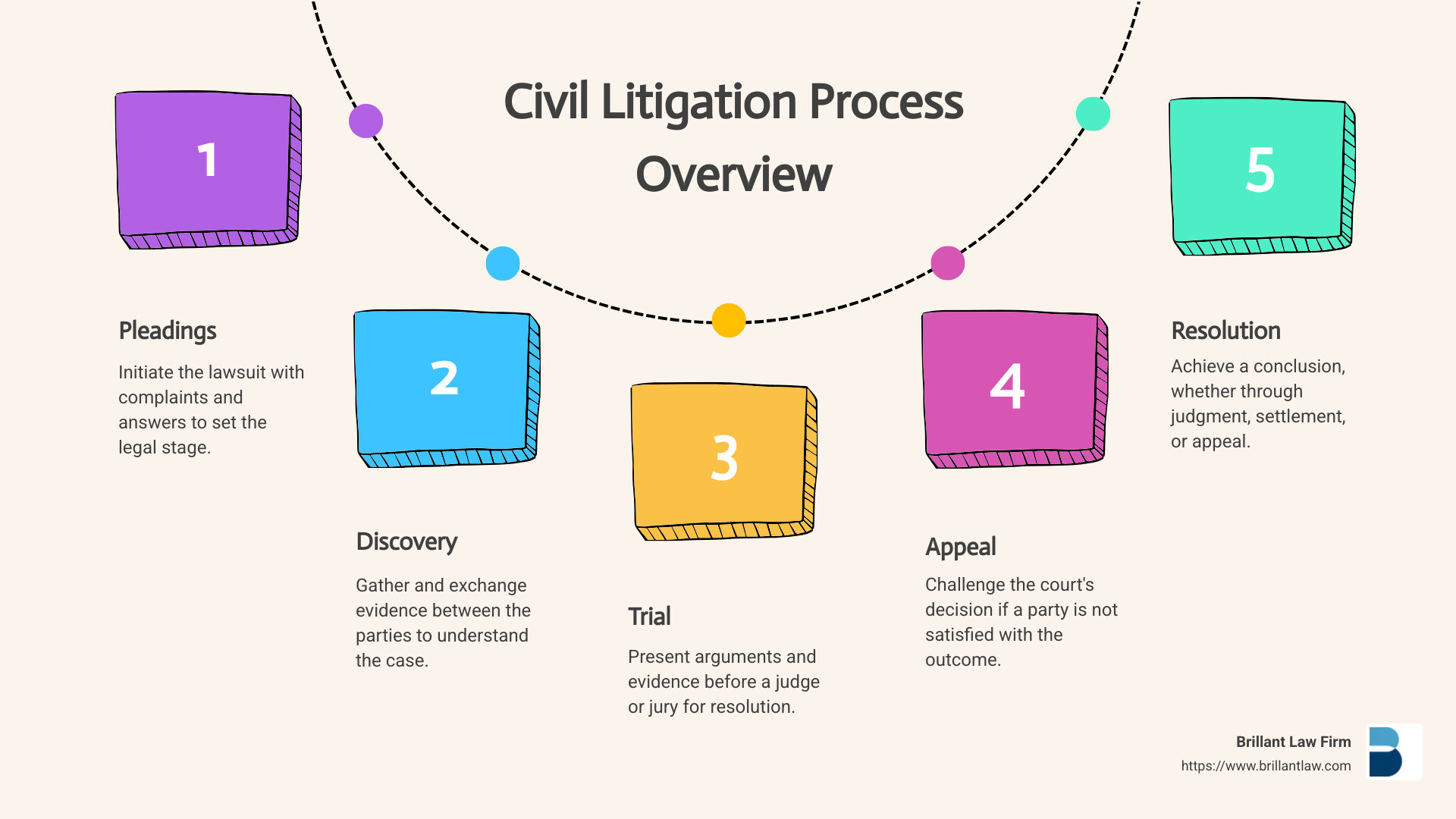
Upon being served, the defendant has a limited timeframe (typically 30 days) to respond to the complaint. Their response can take several forms, most commonly an answer, which admits or denies the allegations and may raise affirmative defenses, or a demurrer, which challenges the legal sufficiency of the complaint. Following the defendant’s response, the parties enter the discovery phase. This is a crucial period where both sides exchange information and evidence to prepare for trial. Discovery tools include interrogatories (written questions), requests for production of documents, requests for admissions, and depositions (out-of-court sworn testimony). This phase can be extensive and often determines the strength of each party’s case.
Alternative Dispute Resolution (ADR)
Many civil cases in California are resolved outside of traditional courtroom trials through Alternative Dispute Resolution (ADR). Common ADR methods include mediation and arbitration. In mediation, a neutral third party (the mediator) facilitates discussions between the parties to help them reach a mutually acceptable settlement. The mediator does not make decisions but guides the negotiation. In arbitration, a neutral third party (the arbitrator) hears evidence and arguments from both sides and then issues a binding or non-binding decision, similar to a judge. Many California courts, including those in San Francisco and Sacramento, encourage or even mandate participation in ADR programs before a trial date is set. ADR can save significant time and legal costs, and often leads to more creative and amicable solutions.
Pre-Trial Motions and Settlement Discussions
As the case progresses, both parties may file various pre-trial motions with the court. These motions ask the judge to make specific rulings on legal issues or procedural matters before the trial begins. Examples include motions to compel discovery (when a party refuses to provide requested information), motions for summary judgment (asking the court to rule in a party’s favor without a trial because there are no material facts in dispute), or motions to dismiss. Alongside these formal proceedings, settlement discussions often continue. Most civil lawsuits in California are resolved through settlement agreements rather than going to trial. These discussions can occur directly between the parties, through their attorneys, or with the assistance of a mediator. A settlement can be reached at any point, even on the eve of trial.
Trial and Beyond: Resolution and Enforcement
Should settlement efforts fail, the case will proceed to trial. This is the culmination of the legal process, followed by potential appeals and the enforcement of any judgment.
The Civil Trial Process
A civil trial in California follows a structured format. It typically begins with jury selection (if a jury trial is requested), followed by opening statements from both attorneys, outlining their case and what they intend to prove. Next, each side presents their evidence, calling witnesses to testify and introducing documents or physical exhibits. Witnesses are subject to direct examination by their attorney and cross-examination by the opposing attorney. After all evidence is presented, both sides deliver closing arguments, summarizing their case and persuading the jury or judge. Finally, the jury or judge deliberates and issues a verdict or decision.
Judgment and Appeals
If the jury or judge rules in favor of the plaintiff, a judgment will be entered, legally obligating the defendant to pay damages or perform specific actions. If the defendant prevails, a judgment will be entered dismissing the plaintiff’s claims. If either party believes there was a significant legal error during the trial that affected the outcome, they may have the right to appeal the decision to a higher court, such as the California Court of Appeal. The appeals process is complex and focuses on legal questions rather than re-evaluating facts. It requires meticulous attention to deadlines and appellate rules.
Enforcing a Judgment
Winning a judgment is one step; collecting on it is another. If the defendant does not voluntarily comply with the judgment, the prevailing party may need to take steps to enforce the judgment. This can involve various legal tools, such as wage garnishment, bank account levies, property liens, or even a debtor’s examination where the defendant is questioned under oath about their assets. The process of judgment enforcement can be challenging, especially if the defendant lacks significant assets or attempts to conceal them. A knowledgeable attorney can be instrumental in navigating these enforcement procedures.
Essential Tips for Self-Represented Litigants
While this guide provides an overview, the complexity of civil litigation often warrants professional legal assistance. However, for those who choose to represent themselves (pro se), certain strategies can help manage the demanding process.
Understanding Court Rules and Procedures
California civil courts operate under a strict set of rules, including the California Rules of Court and local court rules (e.g., Superior Court of California in Sacramento County might have specific procedural guidelines). It is the responsibility of the litigant to know and follow these rules, regardless of whether they have legal representation. Ignorance of the rules is not an excuse and can lead to adverse outcomes, including the dismissal of your case. Court websites often provide self-help resources, forms, and local rules, but these require careful study.
Seeking Legal Advice
Even if you intend to represent yourself for most of the process, it is highly advisable to seek at least limited legal advice from a qualified attorney at key stages. Many attorneys offer consultations, and some provide “unbundled” services where they assist with specific tasks, like drafting a complaint or reviewing documents, without taking on the entire case. Legal aid organizations can also offer assistance to eligible individuals. An attorney can help you understand the merits of your case, identify potential pitfalls, and ensure you comply with procedural requirements, significantly increasing your chances of success.

Managing Expectations and Costs
Civil litigation is a marathon, not a sprint. It can take months or even years to resolve, and costs can quickly accumulate, even for self-represented litigants who still incur filing fees, service fees, and potential costs for expert witnesses or court reporters. It’s crucial to manage your expectations regarding both the timeline and the potential financial outlay. Be prepared for setbacks and understand that legal outcomes are never guaranteed. Maintaining clear records of all expenses and communications related to your lawsuit is paramount for financial tracking and strategy.
Filing a civil lawsuit in California is a complex undertaking that demands diligence, perseverance, and a firm grasp of legal procedures. By understanding each phase, from initial considerations to judgment enforcement, you can navigate the system with greater confidence. While this guide provides a comprehensive overview, the nuances of individual cases invariably necessitate careful consideration and, often, the counsel of legal professionals to ensure your rights are protected and your objectives are pursued effectively.
LifeOutOfTheBox is a participant in the Amazon Services LLC Associates Program, an affiliate advertising program designed to provide a means for sites to earn advertising fees by advertising and linking to Amazon.com. Amazon, the Amazon logo, AmazonSupply, and the AmazonSupply logo are trademarks of Amazon.com, Inc. or its affiliates. As an Amazon Associate we earn affiliate commissions from qualifying purchases.