
Navigating the legal landscape of Los Angeles can be as complex as traversing its sprawling freeway system. For many visitors and long-term residents alike, disputes involving unpaid services, property damage, or breach of contract can feel overwhelming. However, Small Claims Court serves as an accessible venue for resolving these civil disagreements without the need for an attorney. Understanding the procedural nuances of the California judicial system is essential for anyone seeking a fair resolution in the City of Angels.
Determining Eligibility and Preparing Your Case
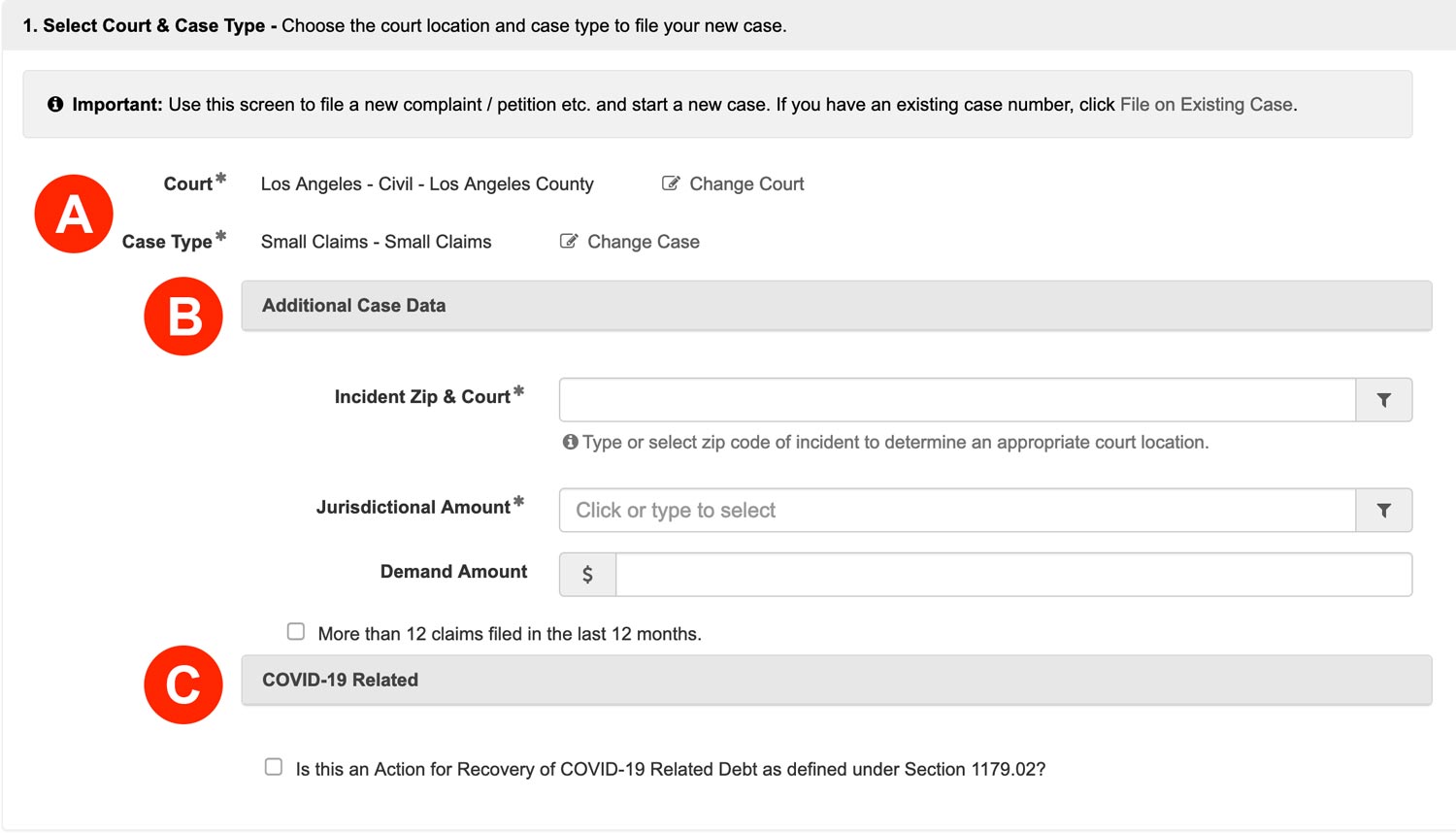
Before heading to the courthouse, you must determine if your claim qualifies for the Small Claims jurisdiction. In Los Angeles County, the maximum amount an individual can sue for is $12,500. If your dispute exceeds this amount, you may choose to waive the excess and sue for the maximum, or file in a different division of the court.
Assessing the Statute of Limitations
Time is a critical factor in legal proceedings. You must initiate your claim before the statute of limitations expires. For written contracts, the window is typically four years from the date of the breach, while oral agreements allow for two years. Failing to act within these timeframes can result in your case being permanently dismissed by the court.
Gathering Your Evidence
Success in the Superior Court of California often hinges on the quality of your documentation. You should compile:
- Original contracts or written agreements.
- Invoices, receipts, and canceled checks.
- Photographs detailing property damage.
- Communication logs, including emails and text messages.
- Names and contact information of potential witnesses.
Organizing these documents chronologically provides the judge with a clear, concise narrative of your situation. Ensure you have three sets of copies: one for the judge, one for the defendant, and one for your personal records.
Filing the Claim and Serving the Defendant
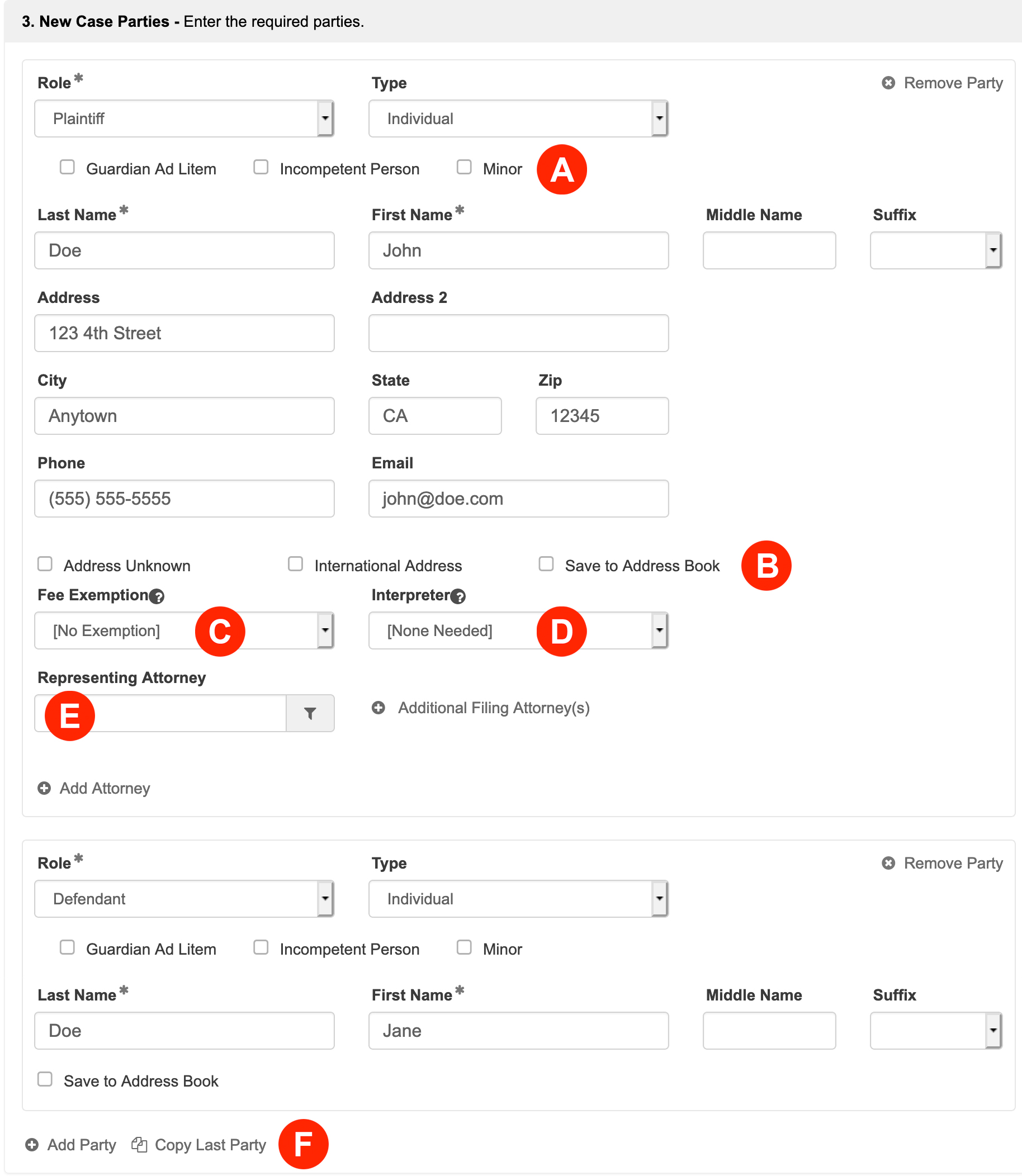
Once your documents are in order, the formal process begins at the Stanley Mosk Courthouse or your local district court branch. Filing the “Plaintiff’s Claim and ORDER to Go to Small Claims Court” (Form SC-100) is the first major step.
Choosing the Correct Venue
In a sprawling metropolis like Los Angeles, venue is vital. Generally, you must file your claim in the district where the defendant lives, where the contract was signed, or where the damage occurred. Utilizing the Los Angeles Superior Court website allows you to verify which courthouse handles the jurisdiction for your specific area.
Serving the Legal Documents
After filing, the defendant must be legally notified of the lawsuit. You cannot serve the papers yourself. Service can be performed by:
- A professional process server.
- The Los Angeles County Sheriff’s Department.
- Any person over the age of 18 who is not a party to the lawsuit (a friend or relative).
Proof of service must be filed with the court clerk at least 15 days before the hearing date if the defendant lives within the county, or 20 days if they reside outside the county. If the defendant is not served correctly, the case cannot proceed, and you may be required to request a new court date.
Preparing for Your Day in Court
Appearing before a judge in Downtown Los Angeles requires professional decorum and precise preparation. Small Claims hearings are designed to be informal but remain serious legal proceedings.
Presenting Your Case Concisely
Judges handle a heavy volume of cases, meaning they appreciate clarity and brevity. When your case is called, focus on the facts. Present your argument logically, beginning with the agreement, explaining the breach, and concluding with the specific amount of damages you are seeking. Avoid emotional outbursts or repetitive arguments; rely on the evidence you have gathered.
Preparing for Mediation
Many courtrooms in California encourage, and sometimes require, participants to attempt mediation before the judge hears the case. Mediators are neutral third parties who help both sides reach a voluntary settlement. If you reach an agreement, it is written down and signed by both parties, carrying the same weight as a court judgment. If mediation fails, you simply proceed to the courtroom to have a judge decide the matter.
Finalizing the Judgment and Collecting Payment
If the judge rules in your favor, you will receive a “Notice of Entry of Judgment.” This document outlines the amount the defendant is ordered to pay. However, the court does not automatically collect the money for you.
Enforcement Strategies
If the defendant refuses to pay voluntarily, you have several tools at your disposal to enforce the judgment. These include:
- Bank Levies: You can request the court to garnish the defendant’s bank account to recover the owed funds.
- Wage Garnishment: If the defendant is employed, you may be able to collect a portion of their earnings.
- Abstract of Judgment: Recording an abstract of judgment can place a lien on any real property the defendant owns in Los Angeles County, ensuring you are paid if they sell or refinance the property.
Understanding Appeals
It is important to note that if you, as the plaintiff, lose your case, you generally do not have the right to appeal the decision. The defendant, however, does have the right to appeal a judgment against them. If the defendant files an appeal, the case will be heard again in the Superior Court of California before a different judge, and in many instances, both sides may be represented by attorneys.
Navigating the court system is a significant undertaking that requires patience and attention to detail. By following the established procedures and maintaining organized records, you position yourself to effectively handle a legal dispute within the Los Angeles judicial system. Whether you are a business owner resolving a service dispute or an individual seeking restitution, the Small Claims process is designed to provide a fair path toward resolution. Remember to utilize the resources provided by the Los Angeles Superior Court to stay updated on any procedural changes, as court rules can evolve to accommodate the needs of the California public.
LifeOutOfTheBox is a participant in the Amazon Services LLC Associates Program, an affiliate advertising program designed to provide a means for sites to earn advertising fees by advertising and linking to Amazon.com. Amazon, the Amazon logo, AmazonSupply, and the AmazonSupply logo are trademarks of Amazon.com, Inc. or its affiliates. As an Amazon Associate we earn affiliate commissions from qualifying purchases.