
Navigating significant financial hardship can feel like being adrift in a turbulent sea, especially in a vibrant but often costly state like California. For many, the weight of overwhelming debt can suffocate daily life, stifle dreams, and make it impossible to plan for a secure future, let alone pursue desired lifestyle experiences. Bankruptcy, while a daunting prospect, can sometimes serve as a critical life preserver – a legal mechanism designed to offer individuals and families a fresh financial start. It’s a decision that impacts every facet of one’s lifestyle, from immediate spending habits to long-term goals like homeownership, education, and the cherished ability to travel or explore the diverse beauty of the Golden State.
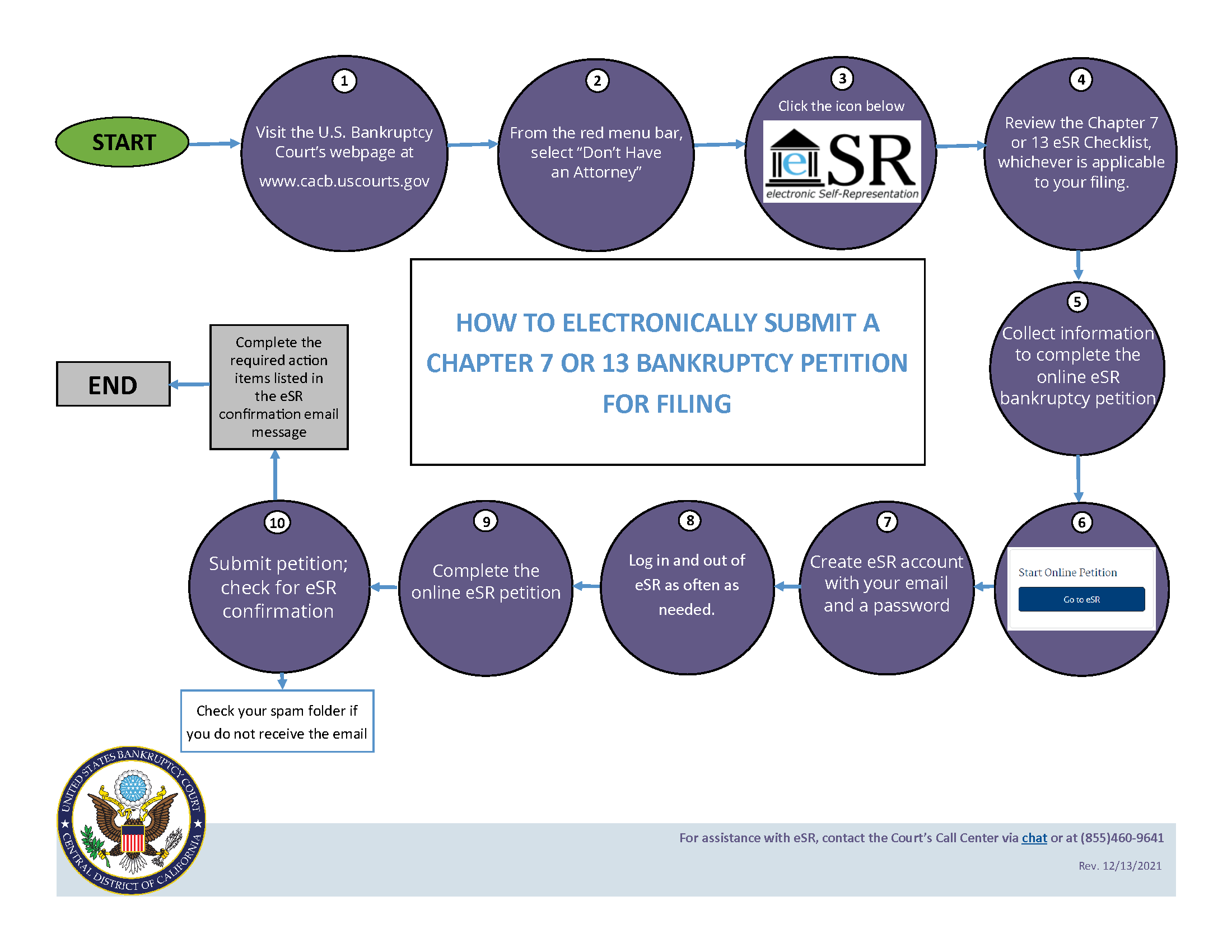
This article aims to provide a lifestyle-oriented overview of filing for bankruptcy in California. It’s not legal advice, but rather an insightful look into how this process functions as a financial reset, the steps involved, and what it means for rebuilding your life and reclaiming your lifestyle aspirations in California. Understanding this complex process from a lifestyle perspective can empower you to make informed decisions for your financial future and ultimately, your well-being.
Understanding Bankruptcy as a Lifestyle Reset
Financial distress is more than just numbers on a balance sheet; it deeply impacts mental health, relationships, and the ability to enjoy life. In California, where the cost of living can be notoriously high, the strain is often magnified. Bankruptcy, when viewed through a lifestyle lens, is about more than just eliminating debt – it’s about clearing the financial slate to allow for a healthier, more sustainable way of living.
The Weight of Financial Strain in California
The dream of living in California often comes with a steep price tag. Housing costs in cities like Los Angeles and San Francisco are among the highest in the nation, and even smaller communities can be expensive. This high cost of living, combined with unexpected life events such as job loss, medical emergencies, or divorce, can quickly lead to an unmanageable debt spiral. The inability to pay bills, the constant calls from creditors, and the overwhelming sense of financial insecurity can erode one’s quality of life, leading to stress, anxiety, and the postponement of significant life goals, including family vacations, career changes, or even simple leisure activities.
Recognizing when financial strain has become unsustainable is the first step toward a lifestyle reset. Bankruptcy, in these cases, isn’t a failure but a strategic decision to regain control and rebuild.
Chapter 7 vs. Chapter 13: Choosing Your Path Forward
In California, individuals primarily have two options for personal bankruptcy: Chapter 7 and Chapter 13. Understanding the distinction is crucial for aligning the legal process with your lifestyle goals.
- Chapter 7 Bankruptcy (Liquidation): Often referred to as “straight bankruptcy,” Chapter 7 involves selling off non-exempt assets to pay creditors. The goal is a quick discharge of most unsecured debts, offering a relatively fast fresh start. This option is typically for individuals with lower income who cannot afford to repay their debts. From a lifestyle perspective, Chapter 7 can provide immediate relief from debt burdens, allowing for a quicker path to financial stability and the ability to start saving again for future lifestyle aspirations, albeit with a temporary impact on credit and potentially the loss of certain non-essential assets.
- Chapter 13 Bankruptcy (Reorganization): This chapter involves developing a repayment plan over three to five years. It’s designed for individuals with a regular income who can afford to pay back some of their debts and wish to keep their assets, such as a home. Chapter 13 allows for a more structured approach to financial recovery, providing a roadmap for managing debt while maintaining a certain level of stability in one’s lifestyle, such as keeping a primary residence. While the process is longer, it offers protection against foreclosure and repossession, safeguarding important lifestyle foundations.
The choice between Chapter 7 and Chapter 13 is highly personal and depends on your income, assets, and lifestyle priorities. It’s a decision that fundamentally shapes your financial journey post-bankruptcy.
Pre-Filing Credit Counseling: A Mandatory First Step
Before filing for bankruptcy in California, all individuals are legally required to undergo credit counseling from an approved agency within 180 days prior to filing. This isn’t just a bureaucratic hurdle; it’s a vital component of the lifestyle reset process. The counseling session aims to evaluate your financial situation, explore alternatives to bankruptcy, and help you develop a personal budget. For many, this session is their first step towards financial literacy and responsible money management, equipping them with tools to avoid future financial pitfalls and build a more stable lifestyle after bankruptcy. It’s a foundational piece for ensuring the bankruptcy provides a lasting positive change, rather than just a temporary fix.
Navigating the Filing Process: A Practical Lifestyle Approach
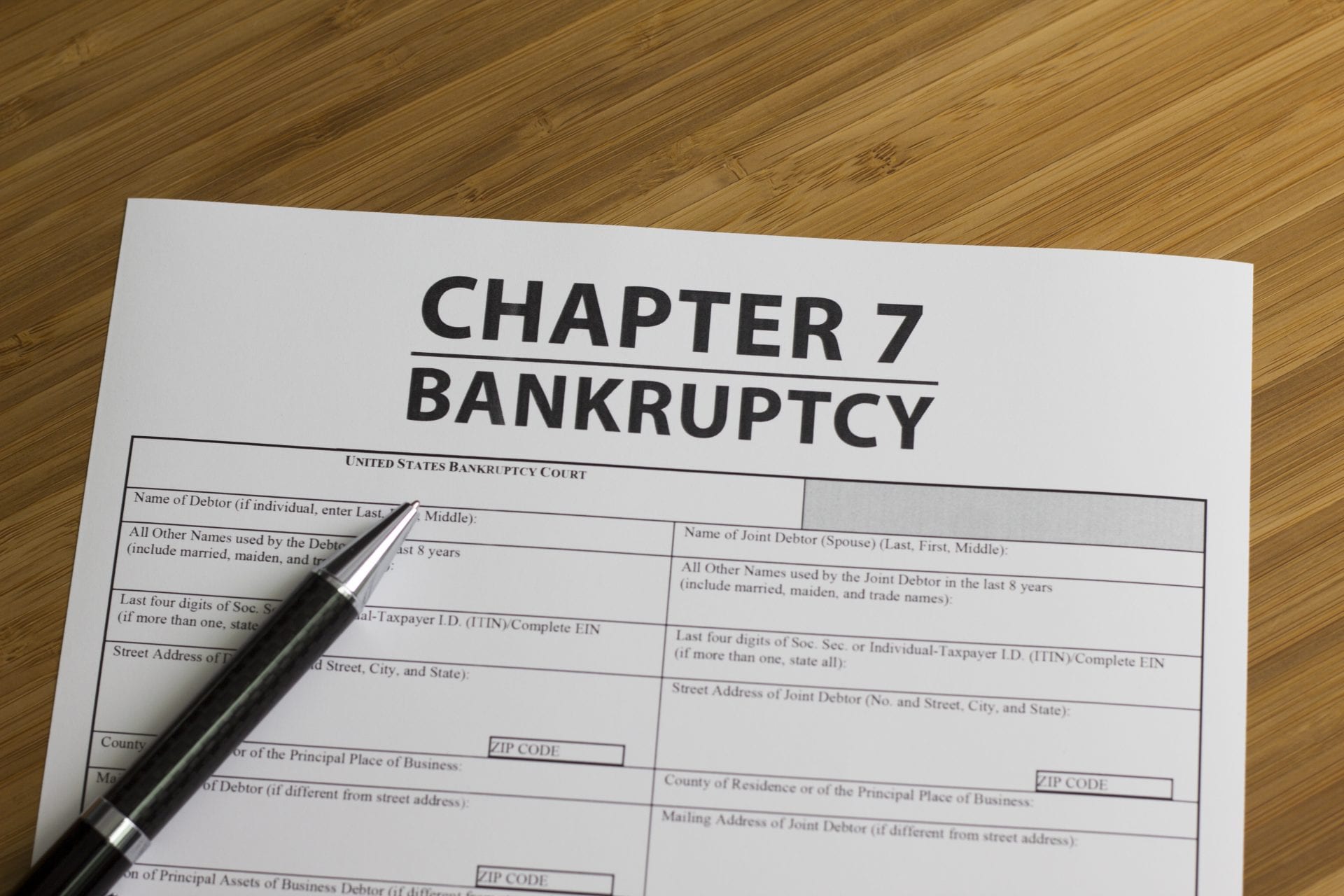
The actual process of filing for bankruptcy can seem daunting, but breaking it down into manageable steps makes it less intimidating. Approaching it with a practical mindset, focused on taking control of your financial narrative, can transform a stressful period into a proactive journey towards a better lifestyle.
Gathering Your Financial Blueprint
The cornerstone of any bankruptcy filing is the meticulous collection of financial documentation. This “financial blueprint” includes detailed records of your income, expenses, assets (property, vehicles, investments), and debts (credit card statements, loan agreements, medical bills). From a lifestyle perspective, this exercise is crucial: it forces you to confront the full scope of your financial situation, providing a clear picture of where your money comes from and where it goes. This comprehensive understanding is invaluable not just for the bankruptcy proceedings but also for future budgeting and financial planning, enabling you to make more informed lifestyle choices. Organizing these documents is the first tangible step toward regaining financial clarity and control.
The Role of a Qualified California Attorney
While this article offers general insights, navigating bankruptcy law in California is complex and fraught with potential pitfalls. Engaging a qualified bankruptcy attorney is highly recommended. An attorney specializing in bankruptcy law in your local area, whether it’s Sacramento or San Diego, can provide invaluable guidance, ensuring all paperwork is correctly filed, deadlines are met, and your rights and assets are protected to the fullest extent possible. From a lifestyle perspective, a good attorney acts as your advocate, reducing stress and allowing you to focus on rebuilding your life rather than getting bogged down in legal intricacies. They can help you understand the long-term impacts on your housing, car, and other lifestyle elements.
Meeting of Creditors: Preparing for Your Day
About a month after filing, you’ll attend a “Meeting of Creditors,” also known as the 341 meeting. This is a brief, formal proceeding where you, your attorney, and the bankruptcy trustee will meet. Creditors may attend, but rarely do. The trustee will ask you questions under oath about your financial situation, as detailed in your bankruptcy petition. While it can sound intimidating, for most filers, this meeting is straightforward and relatively quick. It’s a necessary step in the process, a moment to affirm the information you’ve provided and move closer to your discharge. Preparing with your attorney ensures you understand the questions and can answer confidently, making it a manageable step toward your financial liberation.
Post-Bankruptcy Lifestyle: Rebuilding and Renewed Aspirations
Filing for bankruptcy is not the end of your financial journey; it’s a new beginning. The period following a discharge is critical for rebuilding your credit, establishing new financial habits, and ultimately, reclaiming and enhancing your desired lifestyle in California.
Credit Rehabilitation and Financial Education
Immediately after bankruptcy, your credit score will likely drop significantly. However, this is not a permanent state. The post-bankruptcy period is an opportune time for credit rehabilitation. This involves taking deliberate steps to rebuild your credit history responsibly, such as obtaining a secured credit card, making all payments on time, and monitoring your credit report for errors. Furthermore, post-filing financial education, often another mandatory requirement, equips you with the knowledge to manage your money more effectively, avoid past mistakes, and make smarter lifestyle choices moving forward. This period of disciplined financial management is crucial for unlocking future opportunities like renting an apartment, buying a car, or even eventually purchasing a home.
Reclaiming Your California Dream
With a fresh financial start, the path opens up to slowly reclaim and pursue the California lifestyle you aspire to. While immediate luxury might be out of reach, the absence of crushing debt allows for saving and careful planning. This might mean starting with weekend getaways to stunning natural attractions like Yosemite National Park, a drive across the iconic Golden Gate Bridge, or exploring the vibrant local culture without the underlying stress of debt collectors. Bankruptcy, from a lifestyle perspective, isn’t just about what you give up; it’s about what you gain: the freedom to pursue experiences and build a life free from constant financial anxiety.
Planning for Future Travel and Experiences
One of the most immediate lifestyle aspirations often impacted by financial hardship is the ability to travel and create lasting memories. Post-bankruptcy, with responsible financial planning, travel can once again become a realistic goal. Starting with budget-friendly adventures, such as a relaxing trip to Palm Springs or a culinary exploration in Napa Valley, can gradually lead to more extensive trips as your financial health improves. The key is to integrate saving for experiences into your new, improved budget. This mindful approach to spending and saving ensures that future travel and lifestyle experiences are built on a solid financial foundation, making them all the more enjoyable and sustainable.
Filing for bankruptcy in California is undoubtedly a challenging decision, but it can be a profoundly transformative one for your lifestyle. By understanding the process as a means to reset your financial foundation, you can emerge from debt with renewed vigor, equipped with the knowledge and tools to build a more secure future. It’s about taking control, making informed choices, and ultimately, creating a life where financial stability supports your aspirations and allows you to fully embrace the rich and diverse lifestyle opportunities that California has to offer.
LifeOutOfTheBox is a participant in the Amazon Services LLC Associates Program, an affiliate advertising program designed to provide a means for sites to earn advertising fees by advertising and linking to Amazon.com. Amazon, the Amazon logo, AmazonSupply, and the AmazonSupply logo are trademarks of Amazon.com, Inc. or its affiliates. As an Amazon Associate we earn affiliate commissions from qualifying purchases.