
Navigating the legal landscape of child custody can feel like planning an intricate international trip – full of anticipation, potential complexities, and a strong desire for a successful outcome. While the process of securing custody in California doesn’t involve packing your bags for Paris or booking a suite at the Ritz-Carlton, it does require careful preparation, understanding the rules, and presenting your case effectively. This guide aims to demystify the steps involved in filing for custody in California, drawing parallels to the meticulous planning that goes into a memorable travel experience.
Understanding the Foundation: What is Child Custody in California?
Before embarking on the filing process, it’s crucial to grasp the fundamental concepts of child custody as defined by California law. Much like understanding the difference between a guided tour and independent exploration, there are distinct types of custody.
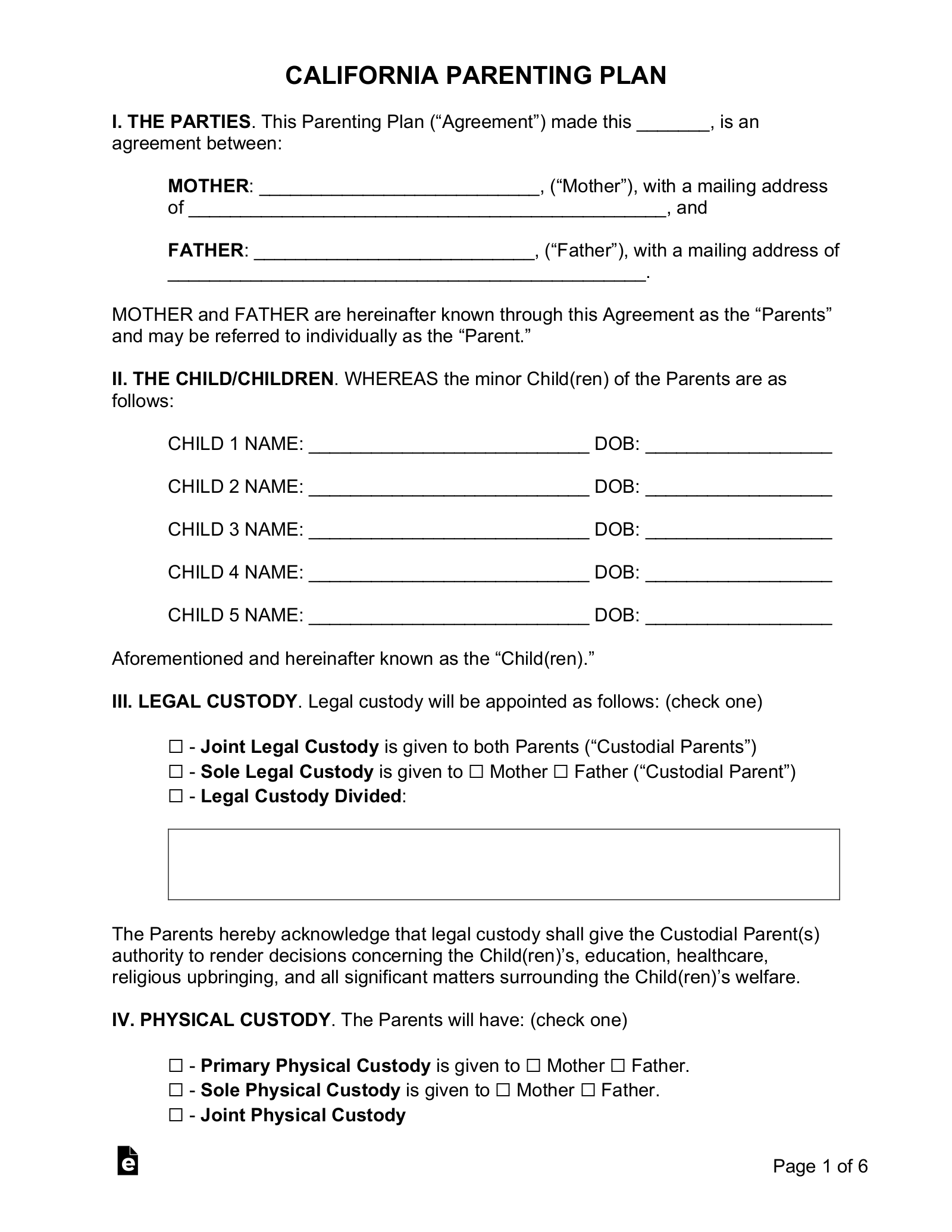
Two Pillars of Custody: Legal and Physical
In California, custody is broadly divided into two main categories:
-
Legal Custody: This refers to the right and responsibility to make important decisions about a child’s upbringing. These decisions typically include matters related to education, healthcare, and religious training. Legal custody can be awarded to one parent (sole legal custody) or shared between both parents (joint legal custody). Joint legal custody is generally favored in California as it promotes parental involvement in significant life choices for the child. Think of this as deciding on the itinerary for your family trip – who gets to choose the major landmarks and activities.
-
Physical Custody: This determines where the child lives the majority of the time. Similar to legal custody, physical custody can be awarded as sole physical custody to one parent, or it can be shared between both parents through a joint physical custody arrangement. Joint physical custody means the child spends significant periods of time living with each parent. This is akin to deciding the sleeping arrangements on your resort stay or apartment rental – how much time is spent in each location.
The court’s paramount concern in all custody matters is the best interest of the child. This is the guiding principle that informs every decision, much like a travel agent’s primary goal is to ensure a safe and enjoyable experience for their client. California courts will consider various factors when determining what arrangement serves the child’s best interests, including:
- The child’s health, safety, and welfare.
- The history of domestic violence or substance abuse by either parent.
- The child’s need for stability and continuity in their life.
- Each parent’s ability to provide for the child’s needs, including emotional, physical, and financial support.
- The child’s wishes, depending on their age and maturity (though this is not the sole determining factor).
- The relationship the child has with each parent and any siblings.
Different Types of Custody Orders
Beyond sole and joint arrangements, custody orders can also be structured in various ways:
- Sole Custody: One parent has primary legal and/or physical custody, and the other parent may have limited visitation rights.
- Joint Custody: Both parents share legal and/or physical custody. This is often the preferred approach if parents can cooperate.
- Primary Physical Custody: One parent has the child living with them more than 50% of the time, while the other parent has visitation.
- Split Custody: In rare cases, one child may live primarily with one parent, and a sibling may live primarily with the other parent. This is generally discouraged by courts.
Understanding these distinctions is the first step, much like choosing between a solo backpacking adventure or a family-friendly vacation package. It sets the stage for the type of custody order you will be seeking.
The Journey to Filing: Initiating the Custody Case
Initiating a custody case in California typically involves filing specific legal documents with the court. This is the starting point of your legal travelogue, akin to obtaining your visa or booking your initial flight.
Starting with a Petition
The formal process begins when one parent files a petition with the court. The specific forms required depend on whether the parents are married, divorced, or never married.
-
If Parents are Married and Seeking a Divorce or Legal Separation: A Petition for Dissolution of Marriage or Legal Separation is filed. This document initiates divorce proceedings and allows the court to address custody, support, and property division.
-
If Parents are Not Married: A Petition to Establish Parental Relationship is filed. This action legally establishes parentage and allows the court to make orders regarding custody, visitation, and child support.
-
If Parents are Already Divorced or Separated but Need to Modify Existing Orders: A Petition to Modify Custody Order is filed. This is used when circumstances have changed since the last custody order was issued, and a parent seeks to alter the existing arrangement. This is like needing to rebook your accommodation due to unforeseen circumstances.
Serving the Other Parent

Once the petition is filed, the other parent, known as the respondent, must be formally notified. This is called “service of process.” It ensures that the respondent is aware of the legal action and has an opportunity to respond. The most common methods of service include:
- Personal Service: A neutral third party (like a sheriff’s deputy or a professional process server) personally delivers the legal documents to the respondent. This is the most reliable method.
- Substituted Service: If personal service is unsuccessful, the documents may be left with a competent adult at the respondent’s home or workplace, and then mailed.
- Service by Mail with Acknowledgment of Receipt: In some less contentious situations, documents can be mailed with a form for the respondent to sign and return, acknowledging they received them.
Proper service is critical. Without it, the court cannot proceed with the case, just as you can’t embark on a cruise without valid boarding passes.
Temporary Orders: Immediate Needs
Often, the court process can take time, and immediate decisions about custody and visitation are necessary. Parents can request Temporary Orders at the beginning of the case. These orders are in effect until a final custody order is issued. They address crucial matters like:
- Temporary Legal and Physical Custody: Establishing who the child will live with and who makes major decisions during the pendency of the case.
- Temporary Visitation Schedule: Outlining when each parent will have the child.
- Child Support: Determining temporary financial support.
- Restraining Orders: If there are concerns about domestic violence or child safety.
These temporary arrangements are vital for maintaining stability for the child, much like securing a comfortable and safe place to stay while your primary travel plans are being finalized.
Building Your Case: Preparing for Court and Negotiation
Once the initial paperwork is filed and served, the process of preparing your case for court or potential negotiation begins. This phase is akin to researching your destination, understanding the local customs, and planning your daily excursions.
Gathering Evidence and Information
To present a compelling case for your desired custody arrangement, you will need to gather relevant information and evidence. This includes:
- Your Child’s Needs and Schedule: Documenting your child’s daily routine, school schedule, extracurricular activities, medical needs, and any special considerations.
- Your Living Situation: Demonstrating that you can provide a stable and suitable home environment for the child. This might include details about your housing, neighborhood, and proximity to schools.
- Your Parenting Abilities: Highlighting your involvement in the child’s life, your ability to provide care, and your capacity to co-parent effectively. This could involve school records, medical records, or testimony from individuals who can speak to your parenting skills.
- The Other Parent’s Situation: If there are concerns about the other parent’s ability to provide a safe and stable environment, you will need evidence to support these concerns. This could include reports from child protective services, police reports, or witness testimony.
- Financial Information: This is often relevant for child support calculations, which are intertwined with custody orders.
Think of this as compiling your travel documents and itinerary – having all the necessary information readily available ensures a smoother journey.
The Role of Mediation and Court Hearings
California courts often encourage parents to resolve custody disputes outside of the courtroom through mediation.
-
Mediation: A neutral third-party mediator helps parents communicate and reach agreements on custody and visitation. This is often a more amicable and cost-effective way to resolve issues, similar to working with a travel concierge to iron out the details of your trip. If an agreement is reached in mediation, it can be submitted to the court for approval.
-
Court Hearings: If mediation is unsuccessful or not feasible, the case will proceed to court hearings. These can include:
- Case Management Conferences: To track the progress of the case and set deadlines.
- Hearings on Motions: To address specific issues, such as temporary orders or requests to modify existing orders.
- Trial: If no agreement is reached, the case will go to trial, where a judge will hear evidence from both sides and make a final custody order.
The court may also appoint a Child Custody Evaluator or a Guardian Ad Litem (GAL) in complex or high-conflict cases. An evaluator conducts an in-depth investigation into the family dynamics and provides a recommendation to the court. A GAL is an attorney appointed to represent the child’s best interests. These professionals act as guides and experts, much like a local guide who can provide invaluable insights into navigating unfamiliar territory.

Seeking Legal Counsel
While it is possible to represent yourself in custody cases (pro per), navigating the legal system can be daunting. Consulting with a qualified family law attorney in California is highly recommended. An attorney can:
- Explain your rights and obligations.
- Help you prepare and file the correct legal documents.
- Advise you on the best strategy for your case.
- Represent you in court and during negotiations.
- Ensure that all legal procedures are followed correctly.
Just as you wouldn’t try to climb Mount Everest without experienced guides and proper equipment, seeking legal expertise can significantly improve your chances of a successful outcome in your custody case.
The journey to securing child custody in California is a significant undertaking. By understanding the legal framework, diligently preparing your case, and leveraging available resources, you can navigate this process with greater confidence and work towards an outcome that prioritizes your child’s well-being.
LifeOutOfTheBox is a participant in the Amazon Services LLC Associates Program, an affiliate advertising program designed to provide a means for sites to earn advertising fees by advertising and linking to Amazon.com. Amazon, the Amazon logo, AmazonSupply, and the AmazonSupply logo are trademarks of Amazon.com, Inc. or its affiliates. As an Amazon Associate we earn affiliate commissions from qualifying purchases.