
Embarking on a journey to formalize a committed relationship is a profound life decision, and for many couples in California, domestic partnership offers a robust framework to do so. This legal status, distinct from marriage yet affording many similar rights and protections, represents a conscious lifestyle choice for those who seek to affirm their bond without necessarily entering into matrimony. Understanding the intricacies of filing for a domestic partnership in California is crucial for couples looking to navigate this significant step with clarity and confidence. This comprehensive guide aims to demystify the process, highlighting the requirements, benefits, and practical steps involved in securing your domestic partnership status in the Golden State.

Understanding Domestic Partnerships as a Lifestyle Choice
Choosing to enter into a domestic partnership is more than just a legal declaration; it’s a statement about a couple’s shared values, commitment, and desired lifestyle trajectory. California has long been at the forefront of recognizing diverse family structures and relationships, offering a progressive legal landscape for domestic partners.
Defining Domestic Partnership in California
In California, a domestic partnership is a legal relationship between two adults who live together and have chosen to share their lives in an intimate and committed relationship, but who have not married each other. It provides many of the same rights, protections, and benefits as marriage under state law, though it’s important to note that federal recognition can vary, particularly regarding tax and immigration matters. This distinction allows couples to tailor their legal status to best suit their individual beliefs, circumstances, and overall lifestyle vision. It’s a reflection of California’s progressive approach to diverse relationships, offering an alternative path for those who wish to cement their commitment legally. The state’s recognition ensures that domestic partners receive equitable treatment in many spheres, from healthcare to property rights, solidifying their standing as a recognized family unit.
Why California is a Leading State for DPs
California’s progressive legal framework has made it a beacon for domestic partnerships. Since its inception, the state’s domestic partnership laws have evolved to offer comprehensive protections, mirroring marriage in most state-level aspects. This commitment to inclusivity stems from a long history of advocating for LGBTQ+ rights and recognizing the validity of various family forms. For same-sex couples, domestic partnership provided a vital legal avenue before marriage equality became widespread, and it continues to be an important option today. Additionally, California extends domestic partnership to opposite-sex couples where at least one partner is over the age of 62, offering a flexible option for seniors to formalize their relationships without potentially impacting social security or pension benefits. This forward-thinking approach cements California’s reputation as a leader in supporting diverse lifestyle choices and relationship structures. The availability of robust legal protections gives couples confidence that their partnership will be recognized and respected throughout the state.
The Lifestyle Implications of Formalizing Your Relationship
Formalizing your relationship through a domestic partnership has significant lifestyle implications, fundamentally altering how you and your partner navigate life together. Legally, it transforms your individual existences into a recognized unit, affecting aspects from healthcare decision-making to joint financial planning. Couples often find a deeper sense of security and stability, knowing their commitment is legally affirmed. This can influence long-term planning, such as purchasing a home in Los Angeles or San Francisco, making joint investments, or ensuring shared benefits. Emotionally, it can reinforce the bond, providing a public and legal declaration of love and commitment. It shifts the perception of the relationship from an informal arrangement to a recognized partnership, influencing interactions with employers, financial institutions, and even family members. Embracing domestic partnership is, therefore, an active choice to integrate your lives more deeply, shaping your shared future in profound ways.
Eligibility Requirements for a California Domestic Partnership
Before initiating the filing process, it’s essential to understand the specific criteria set forth by California law. These requirements ensure that only genuinely committed and eligible couples can enter into a domestic partnership, maintaining the integrity of the legal status.
Age and Relationship Status Criteria
To register as domestic partners in California, both individuals must be at least 18 years of age. Neither person can be currently married to someone else or already in a domestic partnership with someone else, unless their prior marriage or domestic partnership has been legally dissolved or terminated. This criterion underscores the exclusive nature of a domestic partnership, much like marriage. Additionally, the partners must not be related by blood in a way that would prevent them from marrying in California. This ensures that the partnership adheres to societal norms regarding familial relationships. These foundational requirements are critical starting points for any couple considering this legal pathway, ensuring their relationship aligns with the state’s definitions of a valid and recognized partnership.
Residency Requirements
Unlike marriage licenses which can often be obtained in any county and are valid statewide, there are no specific residency requirements to file for a domestic partnership in California. You do not need to be a resident of California to register your domestic partnership here. However, both partners must be competent to enter into a contract and consent to the partnership. While a couple from, say, New York could theoretically register their domestic partnership in California, it’s crucial to understand that the benefits and recognition of that partnership would primarily apply under California state law. How other states or jurisdictions recognize a California domestic partnership varies widely. Therefore, while physically being in California to file is necessary, long-term residency is not a prerequisite, offering flexibility for some couples.
Unique Provisions for Same-Sex Couples and Seniors
California law has specific provisions that expand eligibility for domestic partnerships. All same-sex couples, regardless of age, are eligible to register. This reflects the state’s historical commitment to providing legal recognition for same-sex relationships. For opposite-sex couples, eligibility is limited: they can register only if at least one of them is 62 years of age or older. This provision was primarily designed to allow senior couples to formalize their relationship without jeopardizing potential pension or Social Security benefits that might be affected by marriage. These unique provisions highlight California’s intent to provide legal protections and lifestyle choices for a broader spectrum of its population, acknowledging diverse needs and circumstances that traditional marriage might not fully address.
The Step-by-Step Filing Process in California
Once you’ve confirmed your eligibility, the filing process itself is relatively straightforward, primarily involving forms and a visit to a state office. Adhering to each step carefully ensures a smooth and successful registration.
Obtaining and Completing the Declaration of Domestic Partnership
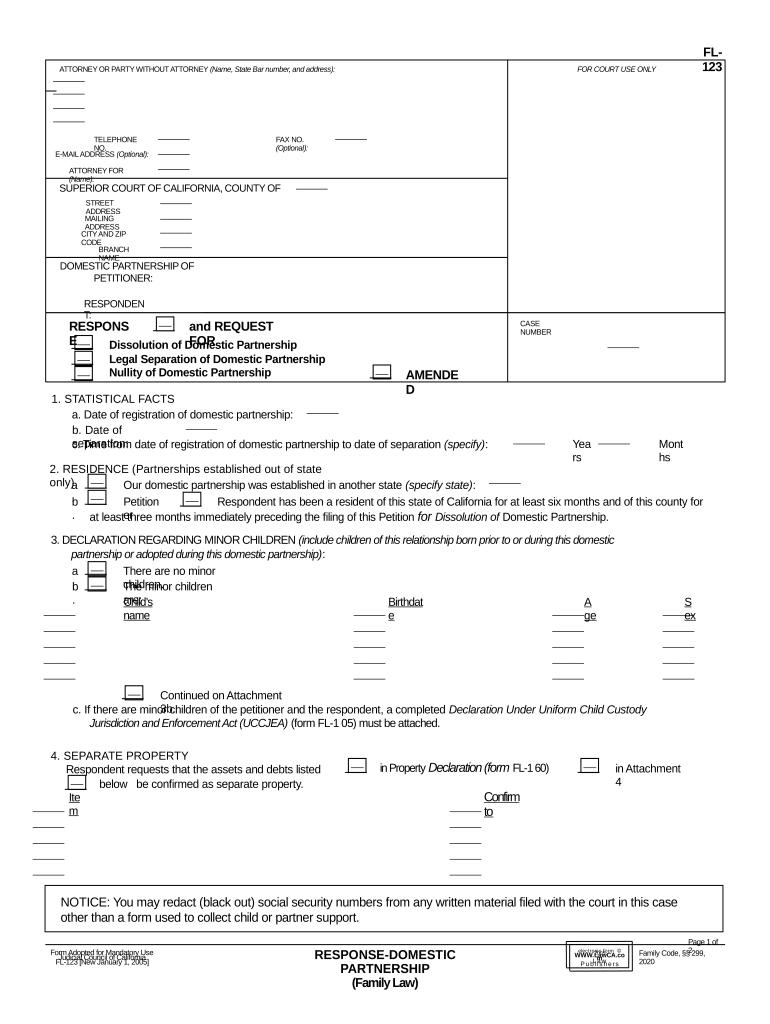
The first practical step is to obtain the “Declaration of Domestic Partnership” form (Form DP-1). This form is available on the California Secretary of State’s website or at county clerk offices in cities like Sacramento or San Diego. Both partners must complete and sign this form. It requires basic personal information, including names, addresses, and affirmations that they meet the eligibility criteria. It’s crucial to fill out the form accurately and completely to avoid delays. Reviewing the instructions carefully before filling out the document can prevent common errors. This form serves as the official declaration of your intent and eligibility to enter into a domestic partnership, laying the legal groundwork for your shared lifestyle.
Notarization and Filing Procedures
After completing the Declaration of Domestic Partnership form, the signatures of both partners must be notarized. This step is critical as it legally verifies the identity of the signers and confirms they signed the document willingly. Many banks, credit unions, and shipping stores offer notary services for a fee. Once notarized, the form must be submitted to the California Secretary of State’s office. You can typically mail the completed form or deliver it in person to the office in Sacramento. Upon successful submission and processing, the Secretary of State will issue a Certificate of Domestic Partnership, which serves as official proof of your legal status. This certificate is vital for accessing the various benefits and protections afforded to domestic partners, solidifying the legal framework around your lifestyle.
Understanding Fees and Processing Times
Filing for a domestic partnership involves a nominal fee, which is subject to change. It’s advisable to check the current fee schedule on the California Secretary of State’s website before submitting your application. Payments are usually accepted via check or money order if mailing, or by credit card or cash in person. Processing times can vary depending on the volume of applications the Secretary of State’s office is handling. Typically, it can take several weeks to a few months for your application to be processed and for you to receive your official Certificate of Domestic Partnership. Expedited processing options are sometimes available for an additional fee, which might be a consideration for couples with urgent needs. Patience is key, but once the certificate is in hand, your domestic partnership is officially recognized, marking a significant milestone in your shared lifestyle journey.
Legal and Financial Lifestyle Benefits of a California Domestic Partnership
Entering into a domestic partnership brings a host of legal and financial advantages that significantly impact a couple’s shared lifestyle. These benefits often mirror those of marriage, providing substantial protections and opportunities for partners.
Healthcare and Insurance Advantages
One of the most immediate and impactful benefits of a California domestic partnership is access to healthcare and insurance advantages. Many employers in California offer health, dental, and vision insurance benefits to registered domestic partners, allowing couples to share coverage just as married spouses would. This can lead to substantial savings and ensure both partners have access to comprehensive medical care. Beyond employer-sponsored plans, domestic partners typically have the right to make medical decisions for an incapacitated partner, a crucial protection in times of crisis. They can also often visit partners in hospitals, even if general visitation is restricted. These provisions are fundamental to a secure and supportive shared lifestyle, providing peace of mind regarding health and well-being.
Property and Inheritance Rights
California domestic partners enjoy significant rights concerning property and inheritance. Similar to married couples, domestic partners typically hold community property rights, meaning assets acquired during the partnership are jointly owned, regardless of who earned the income or whose name is on the title. In the event of a partner’s death, domestic partners have intestate succession rights, allowing them to inherit from their partner’s estate even without a will, much like a surviving spouse. They can also be designated as beneficiaries on pensions, retirement accounts, and life insurance policies without incurring specific tax penalties that might apply to non-recognized partners. These robust protections are vital for long-term financial planning and securing a shared lifestyle, ensuring that a couple’s assets and legacy are protected.
Tax Implications and Considerations
While California law treats domestic partners similarly to married couples for state income tax purposes, federal tax law does not recognize domestic partnerships in the same way. This creates a “dual filing” situation, where partners may file joint returns for state taxes but must file as single or head of household for federal taxes. This distinction can lead to complexities in tax planning and requires careful consideration. It’s advisable for domestic partners to consult with a tax professional to understand the full implications and optimize their filing strategies. Despite the federal challenge, state-level tax benefits, such as joint property assessment and certain deductions, still provide significant advantages for partners living and working in California, influencing their overall financial lifestyle management.
Dissolving a Domestic Partnership: What You Need to Know
While the hope is always for a lifelong commitment, circumstances can change. California law provides clear pathways for dissolving a domestic partnership, reflecting the legal weight of the initial commitment.
Simplified Termination vs. Formal Dissolution
Similar to divorce, dissolving a domestic partnership in California can occur through two main avenues: simplified termination or formal dissolution. A simplified termination is available for partnerships that meet specific criteria, such as having no children, limited assets and debts, and both partners agreeing to the termination without dispute. This process is generally faster and less costly. For partnerships that do not meet these criteria, a formal dissolution process, akin to a divorce, is required. This involves court proceedings to divide community property and debts, establish spousal support if applicable, and make custody and visitation arrangements if there are children. Understanding which path applies to your situation is crucial for navigating the end of a domestic partnership efficiently.
Navigating the Legal Process
The legal process for dissolving a domestic partnership, especially a formal dissolution, can be complex. It involves filing petitions, exchanging financial disclosures, and potentially engaging in mediation or court hearings. It is highly recommended to seek legal counsel from an attorney specializing in family law. An experienced attorney can guide you through the intricate legal steps, protect your rights, and help achieve a fair settlement regarding assets, debts, and support. Whether you reside in San Francisco, Oakland, or any other part of California, accessing qualified legal assistance is paramount to ensuring the process is handled correctly and your future lifestyle is protected.

Post-Dissolution Lifestyle Adjustments
Dissolving a domestic partnership inevitably leads to significant lifestyle adjustments. This can include changes in living arrangements, financial independence, and social circles. Legally, the termination restores both individuals to single status, ending the legal obligations and benefits previously shared. Emotionally, it can be a challenging period requiring personal resilience and support networks. Planning for the financial implications, such as updating wills, insurance policies, and joint accounts, is crucial. While ending a partnership is often difficult, California’s legal framework aims to provide a structured and equitable process, allowing both individuals to move forward and reconstruct their independent lifestyles with clarity and a sense of closure.
LifeOutOfTheBox is a participant in the Amazon Services LLC Associates Program, an affiliate advertising program designed to provide a means for sites to earn advertising fees by advertising and linking to Amazon.com. Amazon, the Amazon logo, AmazonSupply, and the AmazonSupply logo are trademarks of Amazon.com, Inc. or its affiliates. As an Amazon Associate we earn affiliate commissions from qualifying purchases.