
Facing unemployment can be a significant challenge, especially in a dynamic and often expensive environment like New York. While the immediate concern is often financial stability, this period also presents an opportunity to re-evaluate lifestyle choices, explore new possibilities, and even strategically plan for future adventures. For those accustomed to the vibrant pulse of New York City, adapting to a tighter budget requires ingenuity, but it certainly doesn’t mean sacrificing the rich experiences the state has to offer. This guide will walk you through the essential steps of filing for unemployment in New York, intertwined with practical advice on navigating this transition, managing your finances, and maintaining a fulfilling lifestyle, even on a reduced income, all while keeping an eye on your travel dreams.
Understanding Unemployment Benefits in New York
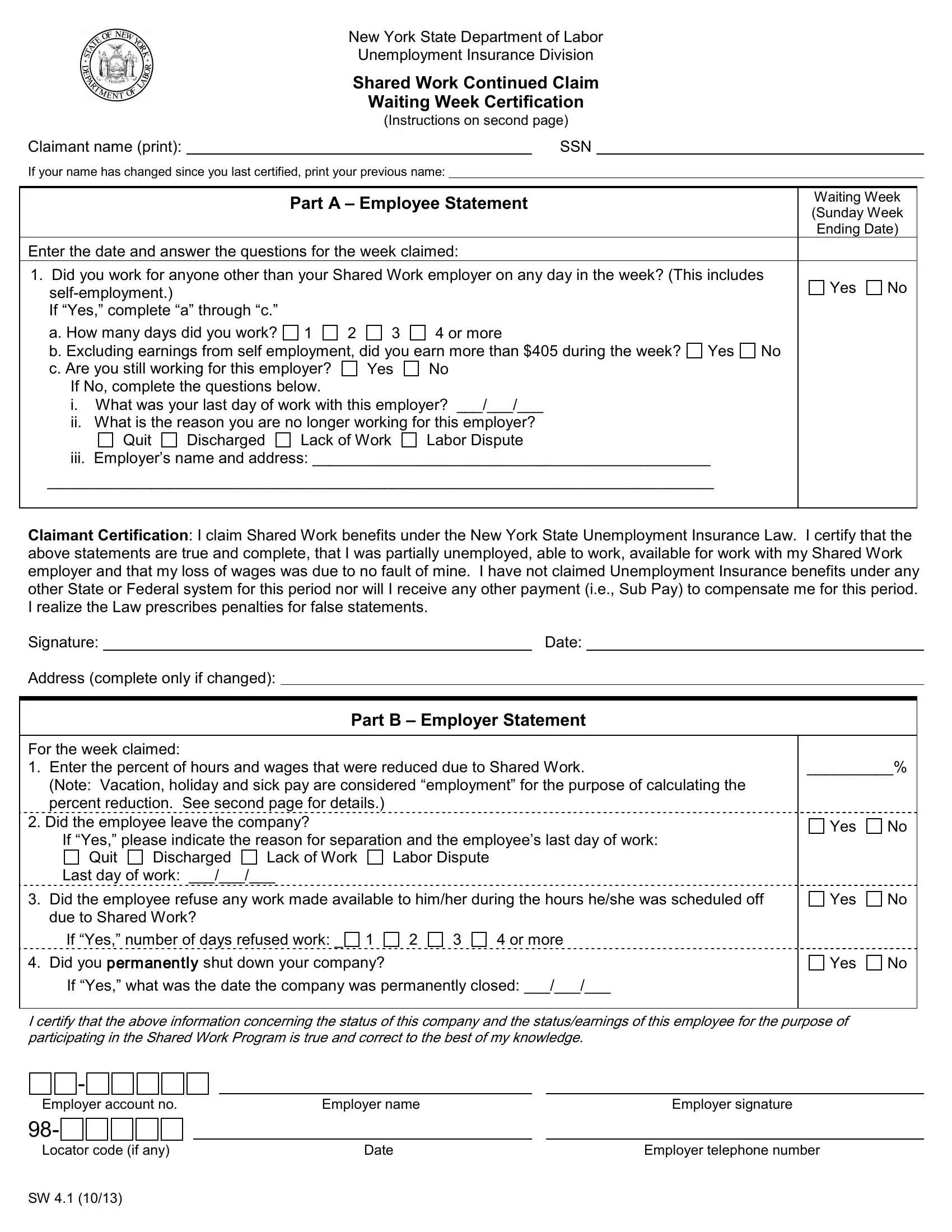
Securing unemployment benefits is the first crucial step towards financial stability during this period. The system in New York is designed to provide temporary income to eligible individuals who have lost their jobs through no fault of their own. Understanding the requirements and the application process is paramount to ensuring a smooth transition and receiving the support you need. This foundational security allows you to focus on job searching, personal development, and making informed lifestyle decisions that align with your temporary financial parameters.
Eligibility Requirements: What You Need to Know Before Applying
Before you even begin the application process, it’s vital to understand the eligibility criteria set by the New York State Department of Labor. While the specific wording can be detailed, the core requirements generally revolve around your employment history and the circumstances of your job loss.
Firstly, you must have lost your job through no fault of your own. This typically means you were laid off, your position was eliminated, or you resigned for a “good cause” that meets the state’s criteria (e.g., unsafe working conditions, medical reasons, or specific family obligations). If you were fired for misconduct or quit voluntarily without good cause, you might be ineligible. This particular aspect is crucial for residents of New York City who might find themselves in various employment scenarios, from the fast-paced financial district of Manhattan to the creative industries thriving in Brooklyn.
Secondly, you must meet the state’s minimum earnings requirement. This is often referred to as your “base period” wages. In New York, the standard base period is the first four of the last five completed calendar quarters before you filed your claim. You must have earned a certain amount in at least two of those quarters and a total across the entire base period. The specific dollar amounts are adjusted periodically, so it’s always best to check the most current figures on the Department of Labor website. For instance, someone working in a hospitality role in a Grand Hyatt Hotel near Times Square would need to demonstrate sufficient earnings during their employment to qualify.
Thirdly, you must be ready, willing, and able to work. This means you are physically and mentally capable of accepting suitable employment and are actively seeking a new job. The expectation is that unemployment benefits are a temporary bridge, not a long-term solution. Residents in Upstate New York cities like Albany or Buffalo face similar requirements to their metropolitan counterparts, underlining the statewide consistency of these regulations.
Finally, you cannot be working full-time while collecting benefits. You may be able to earn a limited amount from part-time work without fully losing your benefits, but this will reduce your weekly benefit amount. Always report any earnings to the Department of Labor to avoid penalties. Being transparent about your work status is essential for maintaining eligibility.
The Application Process: Step-by-Step Guidance
Once you’ve confirmed your likely eligibility, the next step is to file your claim. The process is predominantly online, offering convenience for applicants across New York State, from Long Island to the Adirondacks.
-
Gather Necessary Information: Before you start, collect all pertinent documents. This includes your Social Security number, your driver’s license or state ID number, your mailing address and phone number, information about your most recent employer (name, address, phone number, Federal Employer Identification Number (FEIN), dates of employment, and reason for separation), information about all employers for the last 18 months, and if you are not a U.S. citizen, your Alien Registration Card number and expiration date. Having this ready will significantly expedite the online application.
-
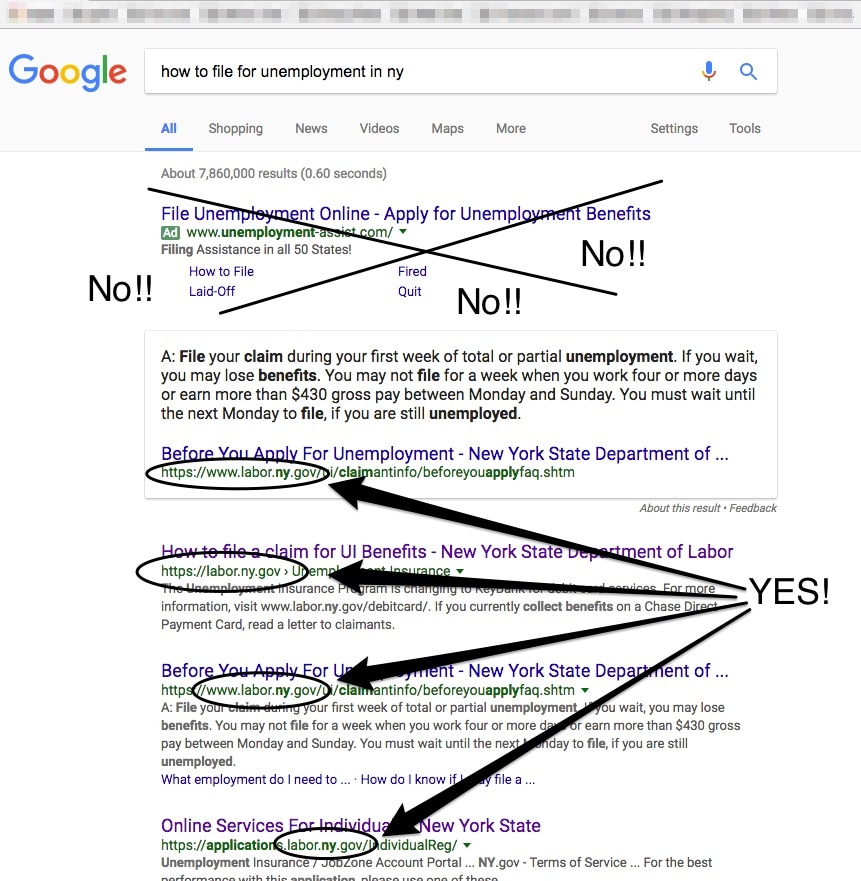
Access the Online Application: The primary method for filing is through the New York State Department of Labor’s website. Navigate to the unemployment benefits section and look for the “File a Claim” option. The online portal is typically available during specific hours, so check the website for their operational schedule. For those who may not have internet access or need assistance, a dedicated phone line is also usually available, though wait times can be substantial.
-
Complete the Application Accurately: Fill out the application form thoroughly and honestly. Any inaccuracies or omissions could lead to delays or denial of benefits. Be precise about your last day of work, your reason for separation, and your employment history. For example, if you worked as a guide showcasing the Statue of Liberty and Ellis Island, accurately describe your job duties and the circumstances of your job loss.
-
Await Confirmation and Further Instructions: After submitting your application, you will typically receive a confirmation number. The Department of Labor will then review your claim. This review process can take a few weeks, during which they may contact your former employer to verify the information provided. You will receive mail containing your initial determination and instructions for certifying for benefits.
What to Expect After Filing: Weekly Certifications and Payment
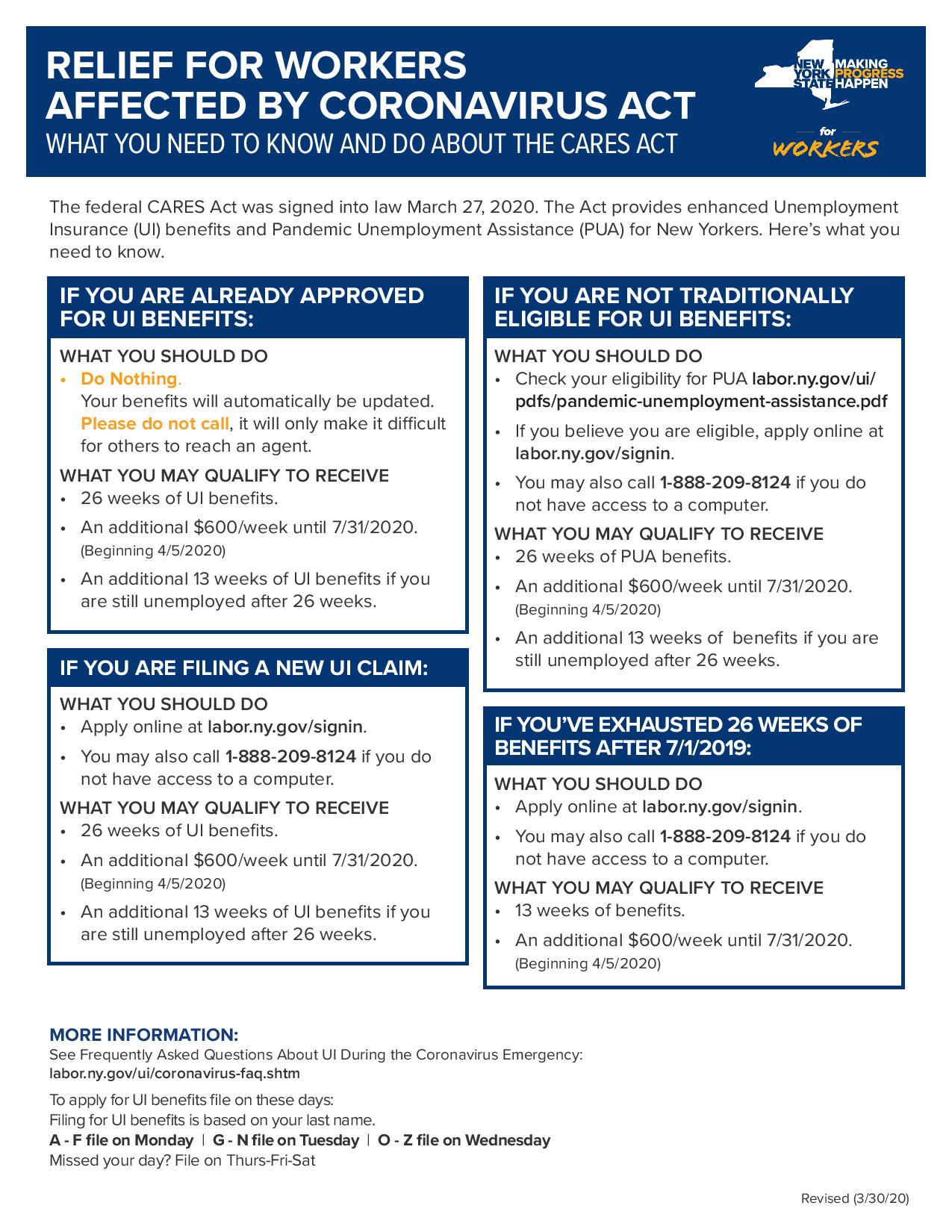
Once your claim is approved, the process shifts to maintaining your eligibility and receiving payments. This involves a crucial weekly routine.
-
Weekly Certifications: To receive benefits, you must certify every week that you are still unemployed, able and available to work, and actively seeking employment. This is usually done online through the same Department of Labor portal. Failing to certify can result in a lapse in payments. This regular check-in ensures that benefits are only disbursed to those who meet the ongoing requirements.
-
Job Search Requirements: New York typically requires you to conduct an active job search and record your efforts. This might involve applying for a certain number of jobs each week, attending job fairs, or engaging in networking activities. While the exact requirements can vary, proving your proactive engagement in finding new employment is key. This focus on re-employment aligns with the temporary nature of unemployment benefits.
-
Benefit Payments: If approved and you certify weekly, your benefits will generally be paid via direct deposit to your bank account or through a debit card issued by the state. The weekly benefit amount is calculated based on your past earnings, up to a maximum amount set by the state. Payments are usually disbursed a few days after you complete your weekly certification. Understanding this financial cadence is vital for budgeting, especially if you’re living in a high-cost area like New York City.
Navigating Life in New York During Unemployment
Unemployment presents a unique opportunity to reassess priorities and adopt a more mindful approach to living. In a city as vibrant and diverse as New York, there are countless ways to enjoy life and continue personal growth, even on a reduced income. This period can be transformed from a challenge into a time of exploration, both personal and within the incredible landscape of New York State.
Budgeting and Financial Planning: Adapting to a New Reality
One of the most immediate and significant adjustments during unemployment is financial. Creating and sticking to a strict budget is not just recommended, it’s essential. This means scrutinizing every expense, from daily coffee runs to housing, and identifying areas where you can cut back.
Consider adapting your accommodation strategy. While short-term stays in luxury hotels like the St. Regis Hotel or a W Hotel might be off the table, exploring more budget-friendly options, or even considering a temporary long-term stay in a less expensive part of New York or a neighboring state, could free up significant funds. For those staying in New York City, investigate shared living arrangements or consider areas further from the prime tourist spots that offer more affordable rents.
When it comes to daily living, embrace the art of savvy spending. Instead of dining out frequently, explore local markets like those in Union Square or Grand Army Plaza in Brooklyn for fresh, affordable ingredients to cook at home. Look for free or low-cost activities that New York abundantly offers. This period of financial re-evaluation can lay the groundwork for a more financially disciplined lifestyle even after you’re re-employed, potentially unlocking future opportunities for aspirational travel.
Exploring New York on a Budget: How to Enjoy the City Without Breaking the Bank
New York is a treasure trove of experiences, many of which are free or inexpensive. This period of unemployment can be an ideal time to rediscover your surroundings through the lens of a budget traveler, finding immense joy in the city’s iconic attractions and hidden gems without the usual tourist expense.
-
Free Cultural Experiences: Many of New York City’s world-class museums offer free admission on specific days or hours. For example, the Metropolitan Museum of Art (The Met), the American Museum of Natural History, and the Museum of Modern Art often have pay-what-you-wish policies for New York State residents or free days. Check their websites for the most current information. Beyond museums, simply walking across the Brooklyn Bridge offers breathtaking views of the Manhattan skyline and the Statue of Liberty for free. Strolling through Central Park, a masterpiece of urban planning, provides endless opportunities for relaxation, people-watching, and exploring its many features like Bethesda Terrace and Strawberry Fields.
-
Scenic Walks and Parks: Beyond Central Park, New York boasts an incredible network of parks and waterfront promenades. The High Line, an elevated park built on historic freight rail lines, offers unique perspectives of the city. The waterfront parks in Brooklyn and Queens provide stunning views of the Manhattan skyline, particularly at sunset. Exploring neighborhoods on foot is one of the best ways to experience New York’s diverse local culture, from the historic streets of Greenwich Village to the vibrant markets of Chinatown.
-
Affordable Entertainment: Look for free concerts in parks during summer, open mic nights, and free movie screenings. Many local libraries offer free passes to various attractions. Even a ferry ride to Staten Island is free and provides incredible views of the Statue of Liberty and the Manhattan skyline, making it a perfect budget-friendly mini-cruise. Embracing these opportunities can enrich your experience of New York and keep your spirits high.
Considering Your Future: How This Period Might Shape Future Travel Decisions
Unemployment, while difficult, offers a unique pause for reflection. This introspection can profoundly influence your future lifestyle and travel choices. It’s a chance to consider what truly matters and how you want to structure your life moving forward, including how and where you wish to travel.
This period might inspire a shift towards more budget-conscious travel, valuing experiences over luxury. Perhaps you’ll discover a passion for slow travel, long-term stays in more affordable destinations, or exploring places closer to home, like the scenic beauty of Upstate New York or the charming towns of Long Island. Alternatively, the financial discipline learned now could lead to more strategic saving for a dream luxury trip once you’re re-employed, making that future experience even more rewarding.
This time can also be used to research potential future job markets that might align with a desired lifestyle, perhaps even involving relocation. For instance, if you’ve always dreamed of living closer to nature, this might be the time to explore job opportunities in a region known for its natural attractions, influencing both your career and your living environment. The lessons in resilience and resourcefulness gained during this period are invaluable assets for any future journey.
Preparing for Your Next Chapter: Travel & Beyond
Successfully navigating unemployment isn’t just about managing the present; it’s about strategically planning for a brighter future. This includes not only your next career step but also how you envision your broader lifestyle, including your travel aspirations. This transitional phase can be incredibly productive, allowing you to invest in yourself and lay the groundwork for exciting new chapters.
Leveraging This Time for Skill Development: Online Courses, Local Workshops
One of the most powerful ways to utilize time during unemployment is to invest in skill development. This can significantly enhance your resume and open doors to new career paths, potentially even those that allow for more travel flexibility, such as remote work.
New York offers a wealth of resources for learning and growth. Many universities, like New York University or Columbia University, offer online courses, some of which might be free or low-cost. Platforms like Coursera, edX, and LinkedIn Learning provide access to thousands of courses taught by industry experts, covering everything from digital marketing to data science. Local community centers and public libraries throughout New York City and beyond often host free workshops on various topics, from coding to creative writing.
Acquiring new skills can not only make you more marketable but also ignite new passions. Perhaps a course in travel writing or photography could turn a hobby into a potential income stream, funding future adventures to destinations like Paris or Kyoto. This investment in yourself is a powerful step towards building the life and travel experiences you desire.
Planning Future Adventures: How Smart Financial Management Now Can Pave the Way
While current circumstances might restrict travel, this is an excellent time to plan future adventures. The budgeting discipline you’re implementing now will be instrumental in saving for those trips once you’re re-employed. Think of this period as a strategic planning phase for your travel bucket list.
Research destinations, create detailed itineraries, and estimate costs. Knowing what you’re saving for can be a powerful motivator to stick to your budget. Perhaps you dream of a luxurious escape to a Caribbean resort or a multi-country tour of Europe. By meticulously managing your finances during unemployment, you’re not just surviving; you’re actively building the foundation for these future experiences. Consider using travel credit cards wisely once your income is stable, leveraging rewards points for flights or hotel stays at places like the Waldorf Astoria or a Four Seasons Hotel.
Moreover, this period can redefine what “adventure” means to you. Perhaps you’ll discover the immense beauty of New York State itself, planning future weekend trips to the Catskills for hiking or to the Finger Lakes for wine tasting. These local explorations can be incredibly enriching and often more affordable.
The Importance of Mental Well-being: Suggesting Short, Affordable Local Getaways
Unemployment can take a toll on mental health. It’s crucial to prioritize self-care and find ways to de-stress. While grand international trips might be on hold, short, affordable local getaways can provide a much-needed mental break without straining your budget.
New York State offers numerous options for refreshing day trips or overnight stays that are accessible and budget-friendly from New York City. Consider a train ride along the Hudson River to charming towns like Beacon or Cold Spring, where you can enjoy art galleries, quaint shops, and scenic hiking trails. A bus trip to the beaches of Long Island during the off-season can offer serene moments by the ocean. Even a simple picnic in Central Park or a visit to the Brooklyn Botanic Garden can be incredibly restorative. These small “resets” are vital for maintaining perspective and emotional resilience as you navigate this transitional phase. They reinforce the idea that even without a large budget, meaningful experiences are always within reach.
Filing for unemployment in New York is a procedural necessity, but the period that follows is a significant chapter in your lifestyle journey. By understanding the process, implementing smart financial strategies, embracing local experiences, and proactively planning for your future, you can transform a challenging time into an opportunity for personal growth and thoughtful preparation for your next adventure, whether it’s a new career or a dream trip across the globe.
LifeOutOfTheBox is a participant in the Amazon Services LLC Associates Program, an affiliate advertising program designed to provide a means for sites to earn advertising fees by advertising and linking to Amazon.com. Amazon, the Amazon logo, AmazonSupply, and the AmazonSupply logo are trademarks of Amazon.com, Inc. or its affiliates. As an Amazon Associate we earn affiliate commissions from qualifying purchases.