
The Maine Coon cat, often hailed as the “gentle giant” of the feline world, captivates admirers with its impressive size, luxuriant fur, and amiable disposition. These magnificent creatures stand out in any gathering of domestic cats, boasting a stature that frequently rivals that of small dogs. But what is it about the Maine Coon that bestows upon them such remarkable dimensions? This exploration delves into the fascinating origins, genetic predispositions, and environmental factors that contribute to the extraordinary size of this beloved breed.
The Mythical Origins and Historical Roots
The exact origins of the Maine Coon are shrouded in a delightful mix of folklore and historical fact. While their imposing size might suggest a lineage of wild beasts, the reality is rooted in the rugged, untamed landscapes of Maine, the state from which they derive their name. These cats are not the result of some exotic breeding program; rather, they are a testament to the power of natural selection and adaptation in a challenging environment.

Viking Connections and Ship Cats
One of the most enduring and romanticized theories about the Maine Coon’s origins links them to the voyages of Viking explorers. Legend has it that Norse sailors brought long-haired cats with them on their ships to control rodent populations during their long journeys across the Atlantic. These seafaring felines, it is speculated, eventually disembarked in New England and interbred with the local domestic cat population. Over generations, these hardy cats adapted to the harsh New England climate, developing thicker fur and a larger build to better survive the cold winters and challenging terrain. While romantic, this theory lacks concrete evidence and remains largely in the realm of charming myth.
Indigenous Adaptation and Natural Selection
A more scientifically grounded explanation points to the Maine Coon’s development as a result of natural selection in the harsh climate of Maine. Early settlers in the region relied on cats for pest control in their homes and barns. Only the strongest and most adaptable cats would survive the cold winters and hunting challenges. Those with larger bodies and denser fur would have been better equipped to regulate their body temperature and hunt effectively, giving them a survival advantage. Over time, these advantageous traits became more prevalent in the local cat population, leading to the development of the robust Maine Coon breed we know today. The breed’s distinctive physical characteristics, including its large paws, bushy tail, and thick coat, are all adaptations that would have aided survival in their native environment.
Genetic Factors and Breed Development
Beyond their historical adaptation, the inherent genetic makeup of the Maine Coon plays a pivotal role in their impressive size. Unlike many other domestic cat breeds that have been selectively bred for smaller stature or specific aesthetic traits, the Maine Coon’s development was less about human intervention and more about resilience and survival.
Natural Genetic Inheritance
The Maine Coon is considered a naturally occurring breed, meaning it developed without significant human cross-breeding to achieve its characteristics. This natural evolution allowed the breed to retain certain genetic traits that promote larger body size. While specific genes responsible for extreme size are not fully understood, it is believed that a combination of genes contributes to their growth potential. Unlike breeds that may have undergone artificial selection for dwarfism or specific body types, the Maine Coon’s genetic heritage has favored robustness and strength.
The Absence of Specific Size-Limiting Genes
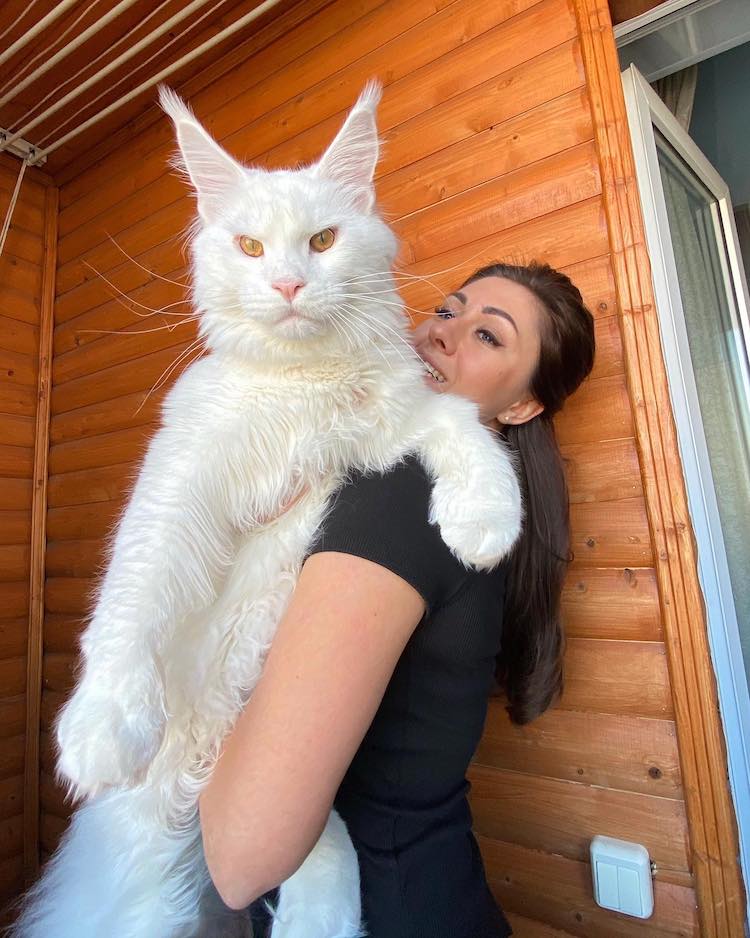
Many domestic cat breeds have been selectively bred over centuries for traits that may include smaller size or more delicate features. This selective breeding can inadvertently amplify genes that limit growth. The Maine Coon, having developed more naturally, may have lacked the strong selective pressure for smaller size, allowing genes that promote greater growth to remain prevalent. This absence of size-limiting genetic influences, coupled with the presence of genes that favor robust development, contributes significantly to their large frame.
Comparison to Other Breeds
When comparing the Maine Coon to other popular domestic breeds, their size difference is striking. Breeds like the Siamese or the Abyssinian are typically slender and more petite. This contrast highlights how selective breeding can dramatically influence a breed’s physical characteristics. The Maine Coon, on the other hand, has largely retained the genetic blueprint for a larger, more powerful build, making them distinct from many other domesticated felines.
Environmental and Nutritional Influences
While genetics lay the foundation for the Maine Coon’s potential size, environmental and nutritional factors play a crucial role in allowing them to reach their full physical stature. A supportive environment and a balanced diet are essential for these gentle giants to thrive.
Optimal Nutrition for Growth
Proper nutrition is paramount for any growing animal, and for a breed with a propensity for large size like the Maine Coon, it is even more critical. A diet rich in protein, essential fatty acids, vitamins, and minerals provides the building blocks for strong bones, muscles, and overall development. High-quality cat food formulated for large breeds, or a carefully balanced raw diet, can ensure that young Maine Coons receive the necessary nutrients to support their extended growth period. Deficiencies in key nutrients can stunt growth, regardless of genetic predisposition.
The Role of a Stimulating Environment
Beyond diet, a stimulating and safe environment contributes to a cat’s well-being and can indirectly influence their growth. Providing ample space for movement, opportunities for play and exercise, and a stress-free living situation supports a healthy metabolism and overall development. While a stimulating environment won’t make a cat grow larger than its genetics allow, it ensures that the cat can reach its genetically programmed potential without being held back by stress or lack of physical activity. For Maine Coons, this means providing climbing structures, interactive toys, and plenty of opportunities to explore and engage.
The Importance of Veterinary Care
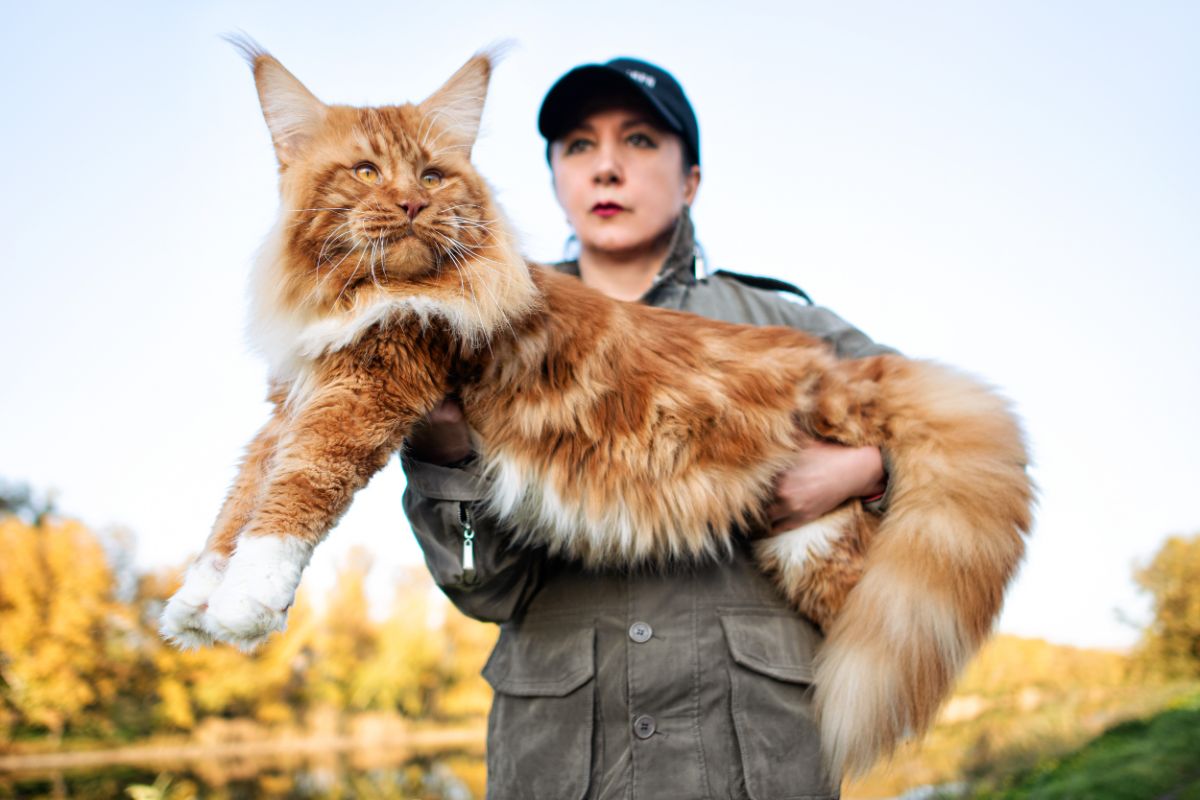
Regular veterinary check-ups are essential for monitoring the health and growth of any cat, especially a large breed like the Maine Coon. Veterinarians can identify and address any potential health issues that might impede growth or development. They can also provide guidance on appropriate nutrition and diet, ensuring that owners are meeting their Maine Coon’s specific needs. Early detection and intervention for any health concerns can make a significant difference in a cat’s overall development and well-being, allowing them to achieve their full, magnificent size.
In conclusion, the imposing size of the Maine Coon is a fascinating interplay of their rugged historical origins, their inherent genetic makeup that favors robust growth, and the critical role of proper nutrition and environment in their development. These gentle giants are a testament to nature’s ability to create magnificent creatures perfectly suited to their environment, a breed that continues to charm and impress with its sheer magnificence and benevolent spirit.
LifeOutOfTheBox is a participant in the Amazon Services LLC Associates Program, an affiliate advertising program designed to provide a means for sites to earn advertising fees by advertising and linking to Amazon.com. Amazon, the Amazon logo, AmazonSupply, and the AmazonSupply logo are trademarks of Amazon.com, Inc. or its affiliates. As an Amazon Associate we earn affiliate commissions from qualifying purchases.