
Nevada and Arizona, two iconic states in the southwestern United States, are celebrated for their stark desert beauty, vibrant cities, and unparalleled outdoor adventures. From the glittering allure of Las Vegas to the majestic expanse of the Grand Canyon National Park, these states beckon millions of travelers annually, promising experiences that range from high-octane entertainment to serene natural immersion. Yet, a curious perception often arises when observing their development and evolution: why do things sometimes appear to be “taking so long” in these dynamic regions? This question isn’t a criticism but rather an invitation to explore the multifaceted factors – environmental, economic, social, and infrastructural – that shape the unique rhythm of progress in the desert Southwest.
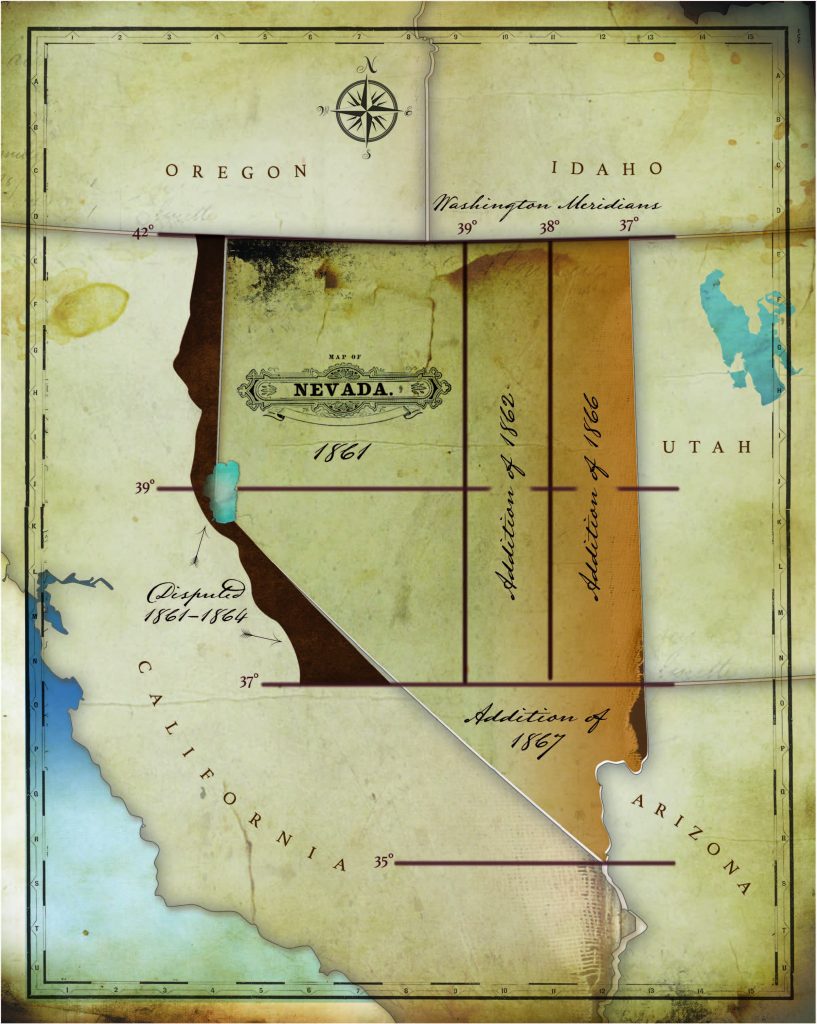
The concept of “taking so long” can be interpreted in various ways. It might refer to the pace of post-pandemic recovery, the arduous journey of large-scale infrastructure projects, the slow but steady adaptation to climate change, or even the nuanced cultural shifts within their burgeoning communities. Understanding this perceived slowness requires a deep dive into the specific challenges and incredible opportunities that define Nevada and Arizona from the perspective of travel, tourism, and lifestyle. These states are not merely destinations; they are complex ecosystems grappling with rapid growth while striving to preserve their distinctive character and natural heritage.
The Unique Tapestry of Challenges and Opportunities
The desert Southwest is a land of extremes and enduring contrasts. Its environment is both fragile and formidable, demanding resilience and innovative solutions from those who inhabit and develop it. This inherent character plays a significant role in the rhythm of change and progress.
Navigating Post-Pandemic Shifts in Tourism
The global pandemic brought the travel and tourism industry to an unprecedented halt, and its recovery has been a complex, uneven journey. For states heavily reliant on tourism like Nevada and Arizona, the path back to pre-2020 levels has been particularly intricate. While domestic travel rebounded relatively quickly, the return of international visitors, a crucial segment for destinations like Las Vegas and the Grand Canyon National Park, has been slower.
Hotels and resorts faced staffing shortages, adapting to new health and safety protocols, and recalibrating their marketing strategies to target evolving traveler preferences. Many visitors, having rediscovered the joys of nature during lockdowns, continued to prioritize outdoor adventures, boosting demand for national and state parks but potentially shifting focus away from traditional urban attractions in the initial phases of recovery. This required a re-evaluation of tourism offerings and investment in diverse experiences beyond the usual gambit. The hospitality sector, a bedrock of these economies, had to innovate rapidly, from implementing contactless services to enhancing digital guest experiences, sometimes feeling like a prolonged transformation rather than a swift recovery.
The Double-Edged Sword of Environmental Realities
Perhaps one of the most profound factors influencing the pace of development and the long-term sustainability of Nevada and Arizona is their arid environment. Water scarcity, particularly concerning the Colorado River basin, impacts everything from urban planning to agricultural practices and, crucially, the tourism industry. Major attractions like Lake Mead near Las Vegas have seen dramatic drops in water levels, altering landscapes and affecting recreational activities.
Addressing these environmental challenges is not a quick fix; it involves complex interstate agreements, significant infrastructural investments in water conservation and recycling, and a shift in mindset for residents and businesses alike. While these efforts are ongoing, their inherently slow and deliberative nature can create the impression of stagnation, even as vital progress is being made behind the scenes. Furthermore, extreme summer temperatures in cities like Phoenix and Las Vegas pose challenges for year-round outdoor tourism and event planning, requiring climate-controlled venues and strategic seasonal programming, which adds layers of complexity to development.
Workforce Dynamics and Hospitality’s Future
The hospitality industry in both states is a massive employer, ranging from resort staff and restaurant workers to tour guides and attraction operators. Post-pandemic, many businesses struggled to rehire sufficient staff, leading to reduced services, longer wait times, and a general strain on the visitor experience. Factors contributing to this include a nationwide shift in labor preferences, competition for workers, and the demanding nature of hospitality jobs.
Addressing these workforce challenges involves investing in training programs, offering competitive wages and benefits, and fostering a culture of employee retention. While states and individual businesses are actively pursuing these solutions, rebuilding a stable and skilled workforce takes time. This ongoing adjustment period can delay the full revitalization of services and the expansion of new offerings, contributing to the perception that progress is slow, even as the industry works diligently to adapt and rebuild.
Developing Destinations: Beyond the Bright Lights
Nevada and Arizona are much more than just their most famous landmarks. They are continuously evolving destinations, with development initiatives stretching far beyond their initial renown.
Las Vegas’ Evolution: More Than Just Gaming
While Las Vegas remains synonymous with gaming and extravagant entertainment, the city has been on a deliberate path to diversify its appeal for decades. This evolution, while perhaps seeming slow to outsiders, involves massive investments in convention facilities, sports arenas, and family-friendly attractions. The development of integrated resorts like Resorts World Las Vegas and the long-awaited opening of Fontainebleau Las Vegas showcase the city’s commitment to luxury accommodation and diverse experiences, moving beyond just the casino floor.
This diversification isn’t just about attracting new visitors; it’s about future-proofing the economy. Building out a robust convention circuit, attracting professional sports teams, and fostering a burgeoning culinary scene all require immense planning, capital, and time. Permitting processes, union negotiations, and the sheer scale of construction projects on The Strip inherently slow down the visible pace of change, even as billions of dollars are poured into creating the next generation of entertainment. The city is continuously reinventing itself, a marathon, not a sprint, demonstrating a strategic long-term vision rather than quick, fleeting trends.
Arizona’s Diverse Allure: From Desert to Mountain
Arizona’s development narrative is equally complex. Beyond the metropolitan hubs of Phoenix and Tucson, the state boasts an incredible array of landscapes, from the iconic red rocks of Sedona to the pine forests around Flagstaff and the desert ecosystems of Saguaro National Park. Developing sustainable tourism in such diverse environments requires careful consideration.
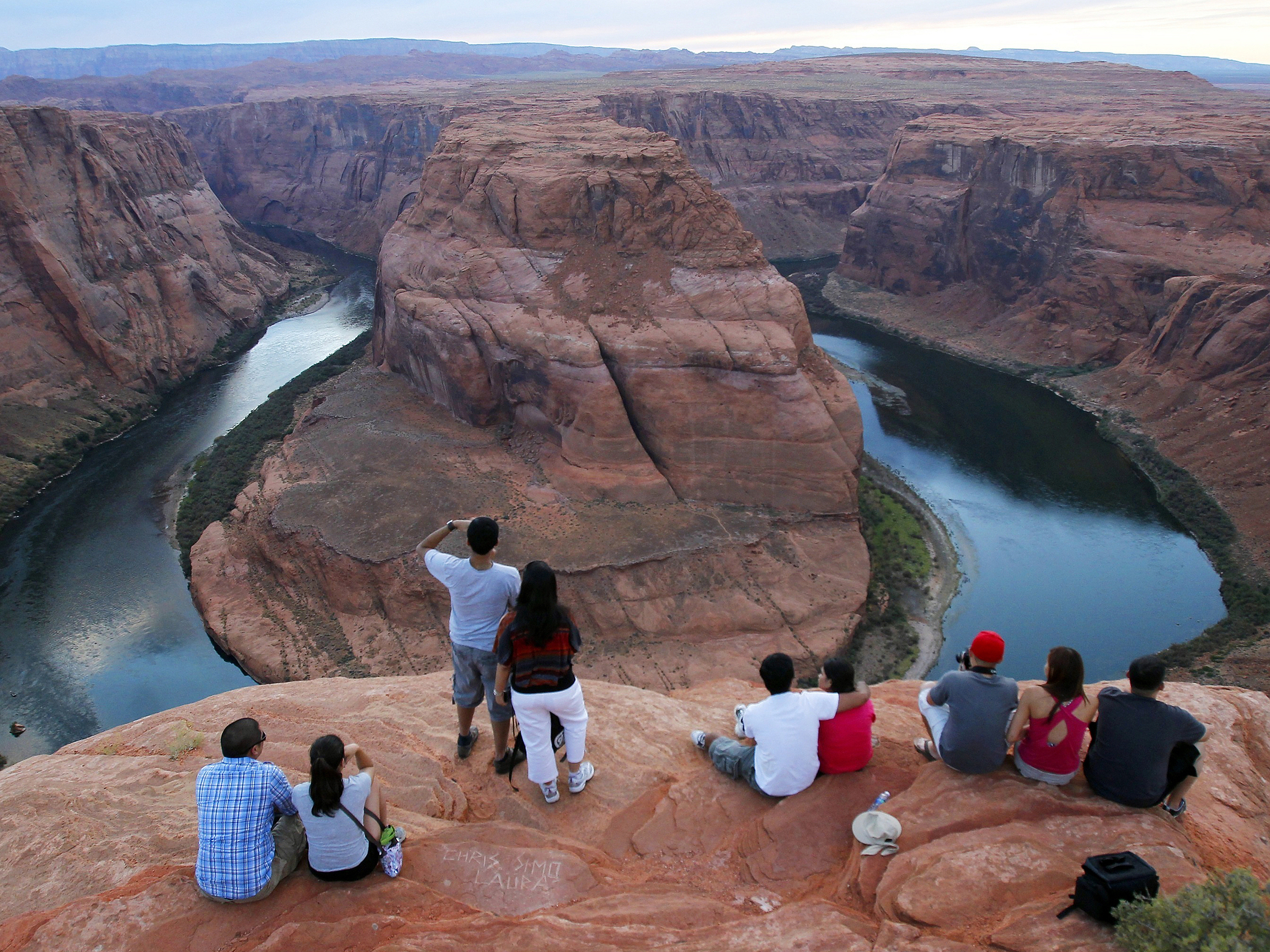
The expansion of eco-tourism, adventure travel, and cultural immersion experiences in Arizona is a slow and deliberate process. It often involves working closely with indigenous communities to preserve cultural heritage, navigating complex land-use regulations for national parks and forests, and ensuring that increased visitor numbers don’t degrade fragile natural environments. For instance, managing access to popular but delicate sites like Antelope Canyon and Horseshoe Bend near Page requires intricate planning to balance visitor experience with environmental protection. The growth of specialized wellness retreats in Sedona or the expansion of boutique hotels in historic Tucson may not have the immediate, splashy impact of a new Las Vegas resort, but they represent significant, sustainable development tailored to Arizona’s unique appeal.
Infrastructure: Paving the Way for Tomorrow’s Travelers
Infrastructure development is a critical, yet often unseen, component of progress that, by its very nature, “takes so long.” Upgrading roads, expanding public transportation, enhancing digital connectivity, and modernizing utilities are essential for supporting growing populations and increasing tourism. Major projects like improvements to Interstate 15, the primary artery connecting Las Vegas to Southern California, or crucial water infrastructure projects for the entire Colorado River basin, involve years of planning, funding acquisition, and construction.
The construction of the Hoover Dam in the 1930s was a monumental feat that redefined the region, and today’s infrastructure challenges are no less complex. From bolstering the grid against extreme heat in Phoenix to expanding airports like Harry Reid International Airport in Las Vegas and Phoenix Sky Harbor International Airport to accommodate rising passenger numbers, these are multi-year endeavors. The benefits of such projects are long-lasting, but their protracted timelines can certainly contribute to the feeling that things are moving at a deliberate, perhaps even slow, pace.
A Closer Look at Accommodation and Lifestyle Trends
The way people travel, where they stay, and how they experience a destination significantly influences the local development trajectory. Nevada and Arizona are at the forefront of adapting to these changing demands, especially in terms of accommodation and lifestyle offerings.
Sustainable Stays and Unique Lodgings
There’s a growing demand for sustainable travel and unique accommodation experiences. While mega-resorts like The Venetian Resort or Caesars Palace on The Strip continue to thrive, there’s also a significant push towards developing eco-lodges, glamping sites, and boutique hotels that offer a more intimate connection with the natural surroundings. This shift is particularly evident in Arizona, with a rise in unique stays near Sedona, the Grand Canyon National Park, and Page.
Developing these specialized accommodations requires a different approach than traditional hotel construction. It often involves adhering to stricter environmental regulations, working with local artisans, and integrating sustainable practices into every aspect of the design and operation. While these developments might be smaller in scale, they are crucial for attracting a segment of travelers who prioritize responsible tourism. The permitting for such projects, especially in sensitive ecological areas like Red Rock Canyon National Conservation Area or near Valley of Fire State Park, can be extensive, adding to the length of time from conception to completion. Luxury properties like Four Seasons Resort Scottsdale at Troon North and Enchantment Resort in Sedona are examples of establishments that masterfully blend opulence with the distinct regional aesthetic.
The Appeal of Long-Term Desert Living
Beyond short-term tourism, both Nevada and Arizona have seen an increase in residents and remote workers drawn to their lifestyle offerings, including favorable tax environments and abundant sunshine. This influx drives demand for diverse housing options, from luxury apartments in Scottsdale to master-planned communities outside Las Vegas.
The development of these long-term accommodation solutions, whether it’s new housing tracts or serviced apartments catering to digital nomads, requires careful urban planning to manage growth sustainably. Balancing the needs of new residents with the existing infrastructure and environmental considerations, particularly water resources, is a complex dance. This isn’t just about building homes; it’s about building communities, complete with schools, healthcare facilities, and recreational spaces. The thoughtful, often measured, approach to such comprehensive urban development ensures quality of life for both long-term residents and transient visitors, even if it contributes to the perception of a slower overall pace.
Balancing Luxury and Adventure
The lifestyle in Nevada and Arizona offers a unique juxtaposition of luxury and raw adventure. One can enjoy a five-star dining experience on The Strip one evening and be hiking in Zion National Park (just across the border in Utah) or exploring Grand Canyon West and its famous Skywalk the next morning. This blend attracts a wide demographic, from high-net-worth individuals to budget travelers seeking outdoor thrills.
The development of new luxury offerings, such as high-end boutiques and exclusive resorts, continues alongside the expansion of accessible adventure tourism, including guided tours, improved trail networks, and camping facilities. Creating an ecosystem where both can thrive without compromising each other is an ongoing process. It involves careful zoning, targeted marketing, and continuous investment in both high-end and public amenities. For example, expanding offerings in smaller towns like Laughlin or Lake Havasu City while Reno diversifies its economy beyond gaming, highlights the ongoing strategic effort to broaden the appeal and economic stability of these states. This comprehensive approach, addressing various market segments and development types, necessarily takes time to implement and show its full impact.
In conclusion, the perception that Nevada and Arizona are “taking so long” is often a reflection of the profound and complex forces at play in these unique desert environments. It’s not a sign of stagnation, but rather a testament to the deliberate, often challenging, and ultimately sustainable approach required to build and evolve thriving communities and world-class destinations in a region defined by its remarkable beauty and environmental realities. The progress may not always be rapid, but it is often deeply considered, aiming for long-term resilience and a richer experience for all who visit and call these states home.
LifeOutOfTheBox is a participant in the Amazon Services LLC Associates Program, an affiliate advertising program designed to provide a means for sites to earn advertising fees by advertising and linking to Amazon.com. Amazon, the Amazon logo, AmazonSupply, and the AmazonSupply logo are trademarks of Amazon.com, Inc. or its affiliates. As an Amazon Associate we earn affiliate commissions from qualifying purchases.