
Navigating the complexities of unemployment can be a challenging experience, especially in a dynamic and bustling state like New York. Whether you’ve recently experienced job loss due to unforeseen circumstances, economic shifts, or a voluntary departure with good cause, understanding the process for filing for unemployment insurance benefits is crucial for maintaining financial stability. This comprehensive guide is designed to demystify the application process in the Empire State, offering clarity on eligibility, necessary documentation, and key steps to ensure a smooth application. While our website often explores the joys of travel and vibrant lifestyles, we recognize that financial preparedness is the bedrock of such aspirations. This article aims to provide you with the essential information to navigate these challenging times, helping you secure the support needed to bridge gaps and plan for your next chapter, whether that involves new career pursuits or future adventures.
Navigating Unemployment Benefits in the Empire State
When facing unemployment in New York, the first step is to familiarize yourself with the state’s unemployment insurance program, administered by the New York State Department of Labor (NYSDOL). This system provides temporary financial assistance to eligible individuals who are unemployed through no fault of their own. Understanding the foundational requirements and the initial application pathways is paramount to a successful claim. This includes not just knowing how to apply, but when and what makes you eligible. The system is designed to provide a safety net, allowing individuals to focus on their job search without immediate financial despair.
Understanding Eligibility Requirements
To qualify for unemployment benefits in New York, you must meet several key criteria. Primarily, you must be unemployed through no fault of your own. This typically means you were laid off, your position was eliminated, or your employer went out of business. If you quit your job, you might still be eligible under specific circumstances, such as leaving due to unsafe working conditions, discrimination, or a medical reason. The NYSDOL will investigate the reason for your separation from employment.
Secondly, you must have earned sufficient wages during a specific period, known as the “base period.” In New York, the standard base period is the first four of the last five completed calendar quarters before you file your claim. There’s also an alternate base period for those who don’t qualify under the standard one. The wage requirements dictate a minimum amount you must have earned, as well as wages in at least two calendar quarters. For instance, you must have earned at least $2,900 in one calendar quarter of your base period, and your total base period wages must be at least 1.5 times your high quarter wages. These thresholds are subject to change, so it’s always best to check the most current figures on the NYSDOL website.
Beyond financial eligibility, you must also be ready, willing, and able to work, and actively seeking employment. This means you must be physically capable of working and not have any restrictions preventing you from accepting suitable work. Furthermore, you must participate in job search activities as directed by the NYSDOL, which often involves registering with the state’s job bank and documenting your efforts to find a new job. These requirements ensure that the benefits are supporting individuals who are genuinely looking to re-enter the workforce.
The Initial Application Process
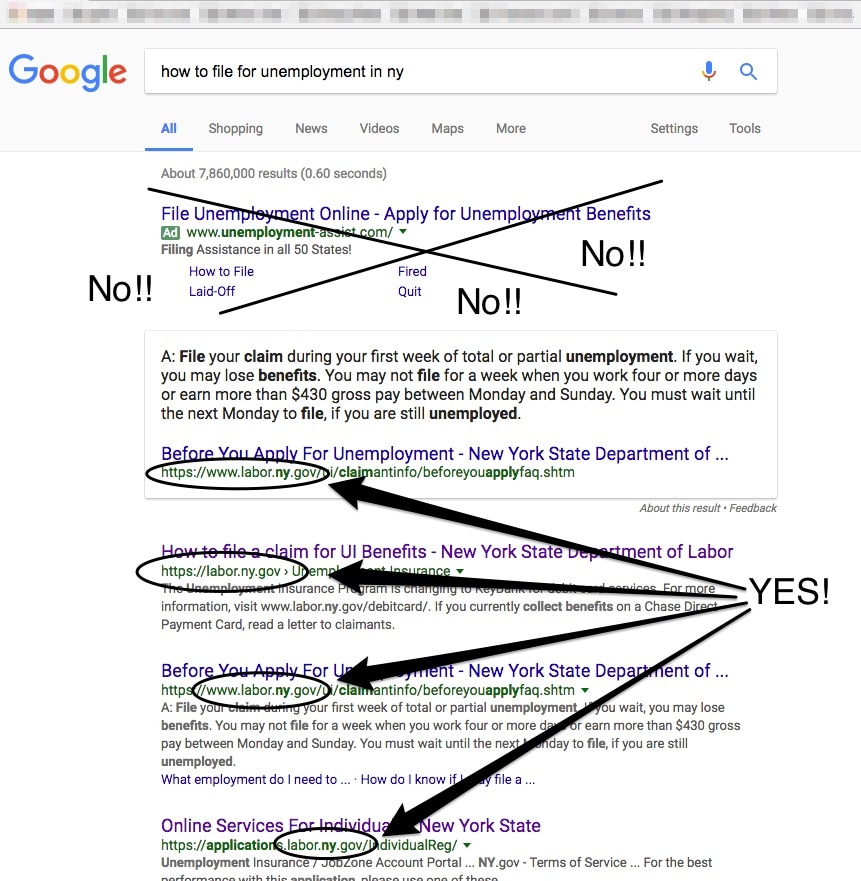
The moment you become unemployed, it’s advisable to file your claim as soon as possible. Delaying could result in a loss of benefits, as eligibility typically begins from the week you file a valid claim. The primary and most efficient method for filing your claim in New York is online through the NYSDOL website. The online portal guides you through a series of questions about your employment history, reasons for separation, and personal details. It is accessible 24/7, making it a convenient option for most applicants.
Alternatively, if you do not have internet access or prefer to speak with a representative, you can file your claim over the phone. The NYSDOL operates a dedicated telephone claims center. It’s important to note that phone lines can be busy, especially during peak periods, so patience is key. The process over the phone will involve providing the same detailed information as the online application, so having all your documents ready beforehand will expedite the call. While less common, it may also be possible to file by mail, though this option significantly extends processing times.
Regardless of the method chosen, the initial application is a critical step that sets the stage for your claim. It initiates the review process where the NYSDOL assesses your eligibility based on the information provided and, if necessary, contacts your former employer for verification. Providing accurate and complete information at this stage is crucial to avoid delays or potential denials.
Key Steps to Successfully Claiming Your Benefits
Once you understand the basic eligibility and application avenues, the next phase involves meticulously preparing your documentation and diligently following through with the submission and weekly certification processes. Each step is interconnected, and attention to detail can significantly impact the speed and success of your claim. This is where strategic planning, much like planning a complex itinerary for a trip to New York City or beyond, proves invaluable.
Gathering Necessary Documentation
Before you even begin the application, having all relevant documents and information at hand will streamline the process. This includes your Social Security number, which is essential for identification and for the NYSDOL to access your wage records. You’ll also need your driver’s license or state ID card number, if applicable.
Crucially, you’ll need detailed information about your last employer, and potentially all employers during your base period. This includes their legal business name, address, phone number, and Federal Employer Identification Number (FEIN). The FEIN is often found on your W-2 forms. You’ll also need the exact dates of employment and the reason for your separation from each employer. Having pay stubs or wage statements can be helpful to accurately report your earnings, especially if you have variable income or worked multiple jobs.
If you are a union member, you will need your union name and local number. For non-U.S. citizens, an Alien Registration Card number and expiration date are required. Lastly, if you have any pension or annuity information, including the effective date and the monthly gross amount, this will also be needed, as some pensions can affect your benefit amount. Preparing this information beforehand not only speeds up the application but also reduces the chances of errors that could delay your benefits.
Submitting Your Application: Online, Phone, or Mail
With your documentation meticulously organized, you are ready to submit your application. As mentioned, the online method through the NYSDOL website is generally the fastest and most recommended approach. The portal is designed to be user-friendly, guiding you step-by-step through each section. You’ll create an account, input your personal and employment information, and electronically sign your application. It’s imperative to review all entries carefully before final submission.
If using the phone, ensure you call during the specified hours of operation. A representative will ask you all the questions required for the application, so be prepared to provide clear and concise answers. It’s wise to have your documents physically in front of you during the call. While speaking with a representative can offer the benefit of direct clarification, the wait times can be extensive, particularly during periods of high unemployment.
Filing by mail is typically reserved for those who cannot access the internet or phone services. You would need to request a paper application from the NYSDOL and send it back once completed. This method has the longest processing time and generally provides less immediate feedback or opportunities for correction, making it a less preferred option. Regardless of the submission method, remember to keep a record of your application confirmation, submission date, and any assigned claimant identification numbers. This information will be vital for tracking your claim status.
Certifying for Weekly Benefits
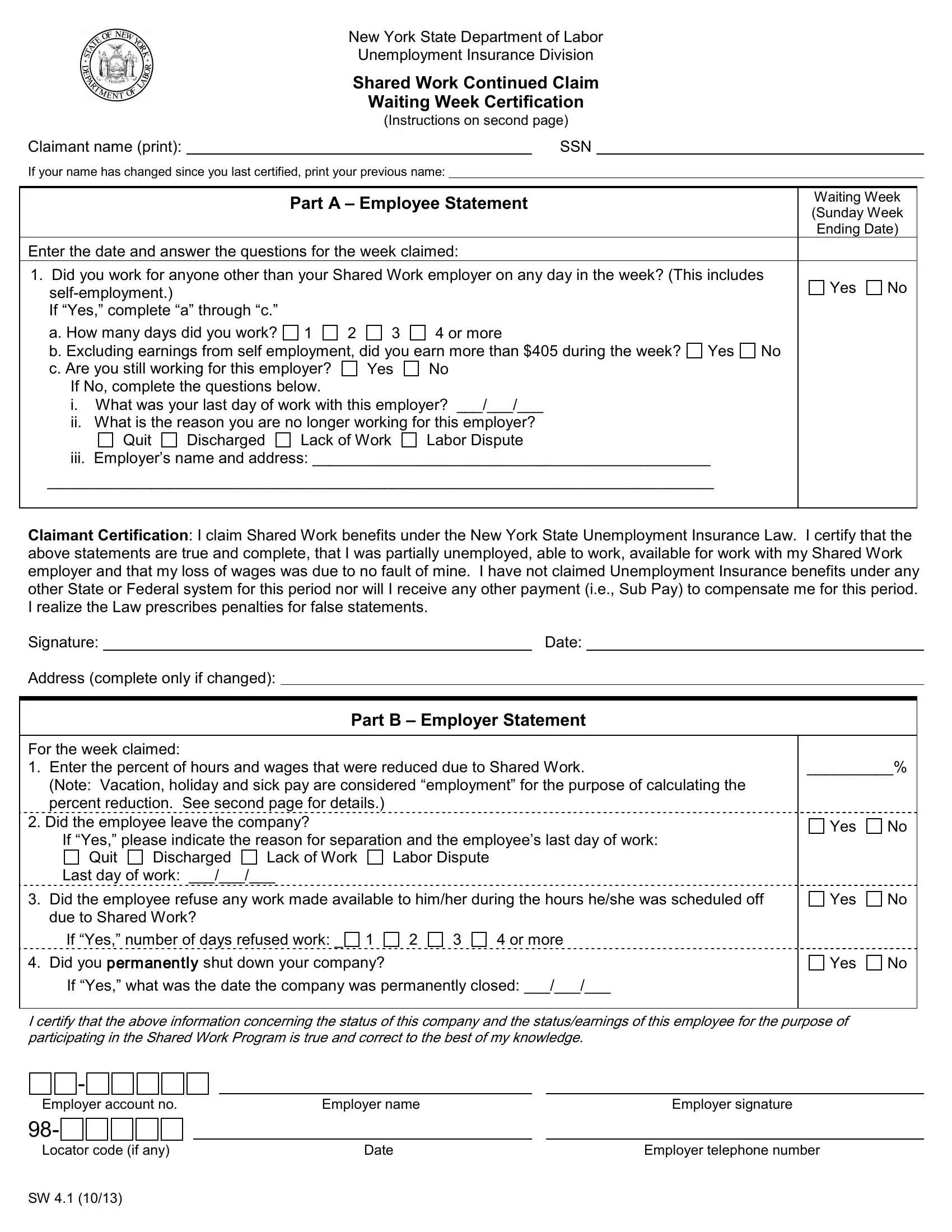
Submitting your initial application is just the first hurdle. To continue receiving benefits, you must “certify” for benefits each week. This process confirms that you remain eligible and provides the NYSDOL with updates on your employment status and job search activities. You can certify online via your NYSDOL account or by phone using the automated system.
During weekly certification, you will typically answer questions regarding:
- Your availability for work: Confirming you were ready, willing, and able to work during the past week.
- Job search efforts: Reporting any job contacts made, interviews attended, or other steps taken to find employment.
- Earnings: Disclosing any income earned from part-time work, freelance gigs, or temporary assignments during the week. Even small amounts can affect your benefits, so accurate reporting is critical.
- Refusal of work: Indicating if you refused any offers of suitable employment.
- Enrollment in training: Reporting if you enrolled in any approved training programs.
Failing to certify each week, or providing inaccurate information, can lead to delays in payments, a suspension of benefits, or even a requirement to repay benefits received. The certification period usually runs from Monday to Sunday, and you can generally certify on Monday for the previous week. Consistency in weekly certification is key to the uninterrupted receipt of your benefits.
What to Expect After Filing
Once your application is submitted and you’ve begun your weekly certifications, a new phase of waiting and monitoring begins. Understanding what happens next, from the processing of your claim to receiving payments and maintaining your eligibility, is essential for peace of mind and effective financial management during this period.
Waiting Periods and Benefit Payments
After filing your initial claim, there’s typically a “waiting week” during which you are eligible for benefits but will not receive payment for that first week. This is a common feature of unemployment insurance programs across the United States. After the waiting week, if your claim is approved and you continue to certify weekly, benefits will begin to be processed.
The NYSDOL determines your weekly benefit amount based on your past wages, specifically your highest earnings quarter during your base period. There is a maximum weekly benefit amount, which is periodically adjusted. Benefits are typically paid via direct deposit to your bank account or through a debit card issued by the NYSDOL. It’s crucial to select your preferred payment method during the application process to avoid delays. Payments are usually made on a weekly basis, a few days after you complete your weekly certification. While the system aims for efficiency, initial processing or any issues with your claim can cause delays.
Maintaining Eligibility and Avoiding Pitfalls
Receiving unemployment benefits comes with ongoing responsibilities designed to ensure you remain eligible. The most significant is the requirement to actively seek work. The NYSDOL defines what constitutes an “active job search,” which may include registering with the state’s job bank, attending workshops, and documenting a certain number of employer contacts each week. You must be prepared to accept suitable work if it is offered. Refusing suitable work without good cause can lead to a suspension or termination of your benefits.
It’s also imperative to accurately report any income, however small, you earn from part-time work or temporary engagements while receiving benefits. Earning above a certain threshold in a given week will reduce your benefit amount for that week, or in some cases, make you ineligible for that week. Failing to report income is considered fraud and carries severe penalties, including repayment of benefits, fines, and potential legal action. Additionally, if your circumstances change—for example, you become ill and unable to work, or you move out of New York—you must notify the NYSDOL immediately. Staying informed and compliant with all regulations is the best way to ensure your benefits continue without interruption.
Resources and Support for Job Seekers
The NYSDOL offers more than just financial benefits; it provides a wealth of resources to assist job seekers in their quest for re-employment. The New York State Job Bank is an invaluable online tool where you can search for job openings, post your resume, and connect with potential employers. Many local Workforce Development Boards and career centers across the state, from Albany to Buffalo, also provide free services such as resume writing assistance, interview coaching, vocational training programs, and job fairs.
These resources are designed to enhance your skills, improve your job search strategies, and increase your chances of finding suitable employment quickly. For residents in New York City, specialized NYC Career Centers offer tailored support for various industries, reflecting the diverse economy of the metropolitan area, including opportunities perhaps even at iconic locations such as near the World Trade Center or in the vibrant arts scene around Broadway. Taking advantage of these support services can not only shorten your period of unemployment but also open doors to new career paths and professional growth, making the most of a challenging situation.
Financial Resilience and Lifestyle Adjustments in New York
Facing unemployment, even with the support of benefits, often necessitates a closer look at personal finances and lifestyle. For those accustomed to the vibrant, often expensive, lifestyle New York offers, this period can be an opportune time to reassess spending habits, explore new financial strategies, and even discover different facets of the state that offer value and enrichment.
Budgeting and Planning During Unemployment
Effective budgeting becomes paramount when relying on unemployment benefits. These benefits are temporary and typically cover only a fraction of previous earnings. Start by creating a detailed budget that tracks all incoming funds (including benefits) and outgoing expenses. Prioritize essential costs like housing, utilities, food, and healthcare. This might mean temporarily scaling back on discretionary spending, such as dining out at New York City’s renowned restaurants, taking weekend trips to the Hudson Valley, or shopping.
Consider cutting subscriptions you don’t frequently use, seeking out free local activities, and leveraging public transport. Financial planning during this period should also involve exploring any savings you have and understanding how long they can sustain you. Consulting a financial advisor, many of whom offer free initial consultations, can provide personalized strategies for managing finances through this transition, helping you safeguard your long-term financial health.
Exploring Opportunities in New York’s Diverse Economy
New York State boasts one of the most diverse economies in the United States, offering a myriad of opportunities beyond the well-known industries of New York City. From technology hubs in Rochester and Syracuse to manufacturing in Buffalo, and the growing agricultural and tourism sectors in Upstate New York and the Finger Lakes region, there’s a broad spectrum of job markets.
This period of unemployment could be an ideal time to explore career transitions, upskill, or even consider remote work opportunities that allow for a more flexible lifestyle, perhaps enabling you to live in more affordable areas while still contributing to New York’s economy. Researching industries that are currently thriving in different parts of the state can open up new possibilities that you might not have considered before. Engaging with professional networks, attending virtual industry events, and utilizing the resources provided by the NYSDOL can be instrumental in uncovering these diverse employment pathways.
Balancing Financial Prudence with Lifestyle Aspirations
While financial prudence is essential during unemployment, it doesn’t mean completely abandoning all lifestyle aspirations. It’s about finding balance and redefining what a fulfilling lifestyle looks like during this temporary phase. Instead of expensive international travel, perhaps explore the natural beauty of New York — a hike in the Adirondack Mountains, a visit to Niagara Falls, or enjoying the local culture on Long Island. Many state parks and cultural institutions offer free or low-cost access.
This period can also be a valuable time for personal development, learning new skills, volunteering, or dedicating time to hobbies. These activities not only enrich your life but can also enhance your resume and expand your professional network. Maintaining a positive outlook and focusing on activities that contribute to your well-being, while still being mindful of your budget, is key to navigating unemployment with resilience and emerging stronger, ready for your next adventure in New York or wherever your path may lead.
Navigating unemployment in New York requires diligence, patience, and a strategic approach. By understanding the eligibility criteria, meticulously preparing your application, and consistently meeting your weekly certification obligations, you can successfully claim the benefits you are entitled to. Remember, the resources provided by the NYSDOL are there to support your journey back to employment, while a mindful approach to budgeting and lifestyle adjustments can help maintain your financial stability. This period, though challenging, can also be an opportunity for growth, reflection, and setting a stronger foundation for your future endeavors in the vibrant Empire State and beyond.
LifeOutOfTheBox is a participant in the Amazon Services LLC Associates Program, an affiliate advertising program designed to provide a means for sites to earn advertising fees by advertising and linking to Amazon.com. Amazon, the Amazon logo, AmazonSupply, and the AmazonSupply logo are trademarks of Amazon.com, Inc. or its affiliates. As an Amazon Associate we earn affiliate commissions from qualifying purchases.