
For many, the iconic 80s television series Miami Vice isn’t just a show; it’s a vibrant cultural phenomenon that encapsulated an era of style, music, and an undeniable allure. While the conventional way to “watch” Miami Vice might involve a screen and a comfortable couch, a more immersive and thrilling experience awaits those who seek to step directly into its sun-drenched, neon-lit world. This isn’t about binge-watching reruns; it’s about journeying to the very heart of the show’s inspiration: Miami, Florida.
Our travel guide aims to transport you beyond the screen, offering a curated itinerary that allows you to “watch” Miami Vice unfold around you, through the city’s unique Art Deco architecture, pulsating nightlife, and the very locales that served as the backdrop for Sonny Crockett and Ricardo Tubbs’ high-stakes investigations. From luxury accommodation reminiscent of the era to iconic landmarks, we’ll explore how Miami continues to embody the spirit of the 80s, offering an unforgettable experience for fans and travel enthusiasts alike.

Reliving the Neon Dream: Miami Vice’s Enduring Legacy in the Magic City
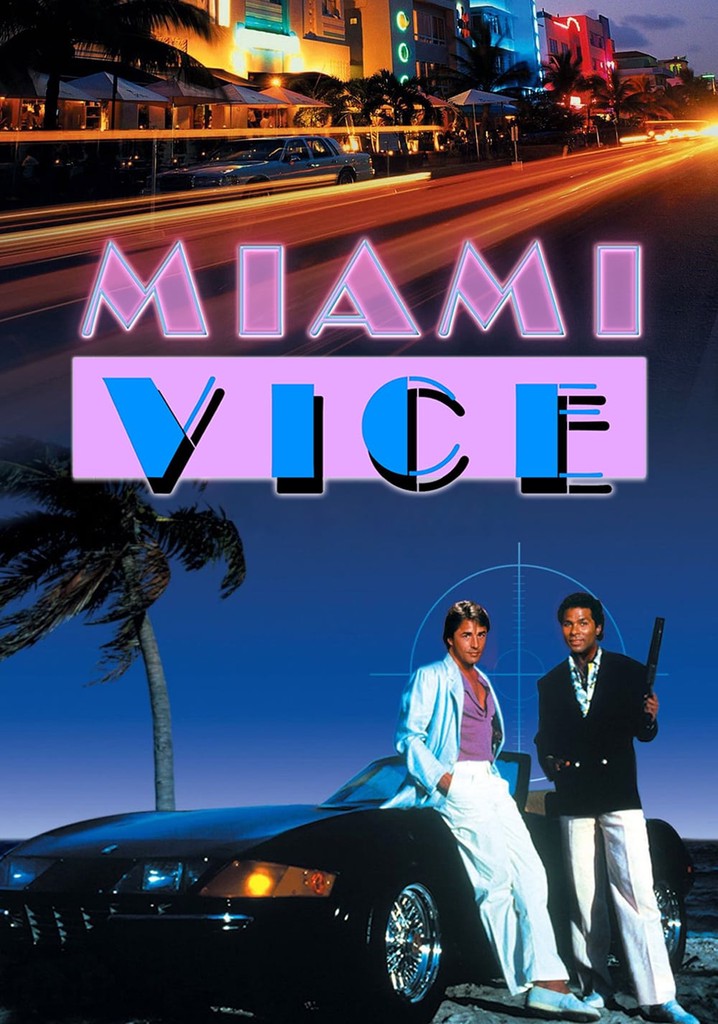
Miami Vice wasn’t merely a TV show; it was a cultural statement, a masterclass in fusing crime drama with high fashion, groundbreaking music, and the unique tropical-urban landscape of Miami. Created by Anthony Yerkovich and executive produced by Michael Mann, the series ran from 1984 to 1989 and left an indelible mark on popular culture. It popularized pastel suits, Ray-Ban sunglasses, designer stubble, and a pulsating synth-pop soundtrack that became as famous as the show itself. But beyond the aesthetics, Miami Vice showcased Miami as a character in its own right—a city of stark contrasts, where glamorous South Beach facades often hid darker underworld activities.
The Iconography of 80s Miami: A Timeless Allure
The show’s visual style was revolutionary. Eschewing the gritty realism common in police dramas of the time, Miami Vice embraced a slick, cinematic look, heavily influenced by music videos. Its use of vibrant colors, particularly neon blues, pinks, and purples, set against the tropical backdrop of South Florida, created a distinctive aesthetic that remains instantly recognizable. This iconography extends beyond just visual cues; it encompasses the very essence of Miami in the 80s: fast cars, speedboats, palm trees swaying in the breeze, and a pervasive sense of cool. The series didn’t just film in Miami; it became synonymous with it, drawing countless tourists and influencing the city’s self-perception.
Why Miami Vice Still Captivates: Beyond Nostalgia
Decades later, Miami Vice continues to captivate new generations. Part of its enduring appeal lies in its stylistic confidence and its unflinching portrayal of a city in flux, grappling with economic booms and the rise of drug trafficking. But perhaps more significantly for travelers, it’s the gateway to experiencing a particular kind of luxury and adventure. The show’s depiction of life in Miami—even with its criminal undertones—presented a glamorous, aspirational lifestyle. For those planning a trip, Miami Vice provides a vivid blueprint for exploring Miami as a destination rich in history, culture, and exhilarating experiences that echo the show’s spirit. It’s a journey into a specific point in time, yet through a lens that remains strikingly modern and stylish.
Your Ultimate Miami Vice Tour: Destinations and Landmarks
To truly “watch” Miami Vice means to walk the streets where Crockett and Tubbs chased leads, to gaze at the Art Deco hotels that housed their suspects, and to feel the pulse of Miami’s vibrant neighborhoods. Our tour will guide you through the most iconic locations, offering insights into their significance both to the show and to Miami’s broader tourism landscape.
Strolling Down Ocean Drive: The Heart of the Vice Aesthetic
No discussion of Miami Vice is complete without mentioning Ocean Drive, the pulsating artery of South Beach. This iconic stretch, lined with colorful Art Deco buildings, palm trees, and bustling outdoor cafes, was a frequent backdrop for the series. It perfectly encapsulated the show’s blend of glamour and grit.
The Art Deco Historic District, a UNESCO World Heritage Tentative Site, is an architectural marvel. Many of its buildings, with their distinctive geometric patterns, pastel hues, and nautical motifs, featured prominently. Consider staying or simply visiting some of these historic gems:
- The Carlyle: With its striking façade and prominent location, The Carlyle was a recurring filming spot and is instantly recognizable to fans. While now a residential building, its exterior remains a testament to the era.
- The Colony Hotel: Another Art Deco masterpiece, The Colony Hotel often appeared in establishing shots and chase scenes, its neon sign glowing against the tropical night sky.
- The Cavalier Hotel: Known for its distinctive rounded corners and vibrant colors, The Cavalier Hotel represents the quintessential South Beach experience.

Walking along Ocean Drive today, you can still feel the echoes of the 80s, even as modern luxury establishments blend seamlessly with historic charm. It’s an essential pilgrimage for any Miami Vice enthusiast, offering endless opportunities for photography and soaking in the vibrant atmosphere.
Beyond South Beach: Iconic Filming Locations and Cultural Immersion
While South Beach undeniably holds a special place, Miami Vice ventured across the greater Miami area, showcasing the city’s diverse landscapes and cultures.
- Biscayne Bay and the Venetian Causeway: The series famously featured high-speed boat chases across Biscayne Bay. Renting a boat or taking a scenic cruise here allows you to appreciate the same stunning waterfront views that Crockett and Tubbs had from their St. Tropez speedboat. The Venetian Causeway, connecting Miami Beach to mainland Miami, also provided many memorable driving shots with the glistening bay as a backdrop. For a glimpse into the opulent homes featured in the show, consider a boat tour around Star Island, home to some of Miami’s most lavish celebrity residences.
- Little Havana: To experience a different facet of Miami’s culture, one that often provided a contrasting backdrop to the glitz of South Beach, head to Little Havana. This vibrant Cuban enclave was featured in episodes delving into Miami’s diverse community. Wander down Calle Ocho, watch cigar rollers at work, listen to live salsa music, and enjoy an authentic Cuban coffee. It offers a rich cultural experience that adds depth to your Miami Vice-inspired journey.
- Coconut Grove and Marinas: The lush, bohemian neighborhood of Coconut Grove, with its marinas and laid-back atmosphere, occasionally appeared in the series. The emphasis on boating and waterfront living was a hallmark of the show, and visiting areas like the Dinner Key Marina gives a sense of that aquatic lifestyle.
- Bayside Marketplace: Located downtown, Bayside Marketplace is a lively open-air festival marketplace that was still relatively new during Miami Vice‘s run. It’s a great spot to enjoy waterfront dining, shopping, and often features live music, echoing the bustling atmosphere that often accompanied the detectives’ investigations in urban settings.
- The Villa Casa Casuarina (formerly the Versace Mansion): While Gianni Versace didn’t acquire this property until the 90s, the mansion on Ocean Drive stands as a symbol of South Beach’s evolution into a high-fashion, luxury destination—a trajectory arguably boosted by Miami Vice‘s glamorization of the area. Today, it operates as a boutique hotel and restaurant, offering a glimpse into extravagant Miami living.
Embracing the Vice Lifestyle: Accommodation, Dining, and Nightlife
Beyond merely visiting locations, truly “watching” Miami Vice means immersing yourself in the lifestyle it portrayed. This involves choosing the right accommodation, indulging in the culinary scene, and experiencing Miami’s legendary nightlife with a sense of 80s panache.
Hotels That Transport You to the 80s
Accommodation is key to setting the tone for your Miami Vice-inspired adventure. While many hotels have undergone modern renovations, several retain an Art Deco charm or embody the luxurious spirit that defined the show.
- The Raleigh Miami Beach: Known for its iconic pool and classic Art Deco design, The Raleigh offers a sophisticated step back in time. Its elegant lobby and poolside atmosphere feel straight out of a Miami Vice scene.
- The Delano South Beach: Although opened slightly after the show’s run, The Delano with its minimalist yet luxurious design, embodies the chic, exclusive vibe that Miami became known for. It represents the elevated lifestyle often depicted for the show’s wealthier characters.
- Boutique Art Deco Hotels: Consider smaller, independently owned Art Deco hotels along Ocean Drive or Collins Avenue. Many offer unique, personalized experiences and retain more of their original 80s charm, often at a more accessible price point than the grander resorts. Look for hotels with original terrazzo floors, chrome accents, and vibrant color palettes.
- Luxury Resorts: For a truly opulent experience, evocative of the high-roller lifestyle often featured in the show, consider a stay at a grand resort like the Fontainebleau Miami Beach. While it predates Miami Vice, its legendary history, expansive pools, and sophisticated nightlife venues represent the pinnacle of Miami luxury, a world where Crockett and Tubbs often mingled with the city’s elite.
Culinary Journeys and Nighttime Escapades
Food and nightlife were integral to the Miami Vice narrative, showcasing the city’s burgeoning culinary scene and its legendary after-dark allure.
- Miami Cuisine: The show often highlighted Miami’s diverse culinary landscape. Today, Miami is a global food capital. Embrace the city’s rich Latin American influences, particularly Cuban and South American cuisines. Seek out authentic Cuban sandwich shops, enjoy fresh seafood at waterfront restaurants, and explore the innovative New World Cuisine that emerged partly due to Miami’s melting pot culture. Imagine Crockett and Tubbs discussing a case over cafecitos and pastelitos in Little Havana or enjoying a sophisticated meal at a trendy South Beach restaurant.
- Cocktail Bars and Clubs with an 80s Vibe: Miami’s nightlife was legendary in the 80s, and it remains vibrant today. While many of the original clubs are gone, many establishments channel that retro glamour. Look for cocktail bars that play 80s hits, have neon accents, and serve classic drinks with a modern twist. The speakeasy trend has also brought a renewed appreciation for well-crafted cocktails, reminiscent of the sophistication the detectives sometimes encountered. South Beach still boasts numerous high-energy clubs, while areas like Wynwood and Downtown Miami offer more contemporary options, many of which draw inspiration from Miami’s illustrious past. Dress the part—think linen suits, pastel shirts, and sunglasses—to fully embrace the Miami Vice experience.
Planning Your Miami Vice-Inspired Trip
To maximize your “watching” experience, thoughtful planning is essential. Considering the best time to visit and how to navigate the city will enhance your immersion into the world of Sonny and Rico.
Best Time to Visit and Getting Around
The ideal time to visit Miami for a Miami Vice-themed trip is during the drier, cooler months from November to May. The weather is pleasant, perfect for strolling along Ocean Drive, exploring outdoor markets, and enjoying boat tours without the intense humidity or risk of hurricane season.
Getting around Miami is relatively straightforward. Renting a car (perhaps a white Ferrari Testarossa, if you’re truly committed to the theme, or a more practical modern convertible) gives you the freedom to explore all the diverse neighborhoods, from South Beach to Little Havana and Coconut Grove. Ride-sharing services are widely available, and Miami Beach has a free trolley service. For inter-city travel within the metropolitan area, the Metromover (free) and Metrorail provide efficient options, especially for reaching Downtown Miami.
Fashion and Photography Tips for Your 80s Adventure
To fully embody the Miami Vice spirit, pack your wardrobe accordingly. Think pastel linen suits, t-shirts worn under blazers, espadrilles (for Crockett), and flowing dresses and vibrant swimwear for the glamorous Miami women. Don’t forget the iconic sunglasses—Ray-Bans are a must. This not only enhances your personal experience but also makes for fantastic photo opportunities against the colorful Art Deco backdrops. Capture the neon glow of Ocean Drive at dusk, the sparkling waters of Biscayne Bay, and the vibrant street art of Wynwood to create your own Miami Vice-inspired visual narrative.
In conclusion, “watching” Miami Vice in the conventional sense is just the beginning. The true magic lies in experiencing Miami firsthand, walking the hallowed grounds where its legends were forged, and immersing yourself in the luxurious, vibrant, and utterly unique culture that inspired one of television’s most iconic shows. Your journey to Miami isn’t just a trip; it’s a living, breathing episode of Miami Vice.
LifeOutOfTheBox is a participant in the Amazon Services LLC Associates Program, an affiliate advertising program designed to provide a means for sites to earn advertising fees by advertising and linking to Amazon.com. Amazon, the Amazon logo, AmazonSupply, and the AmazonSupply logo are trademarks of Amazon.com, Inc. or its affiliates. As an Amazon Associate we earn affiliate commissions from qualifying purchases.