
Understanding and applying for homestead exemption in Florida is a crucial step for homeowners seeking to reduce their annual property tax burden. This tax benefit, rooted in the state’s constitution, offers significant savings for primary residences. However, navigating the application process can sometimes feel complex. This guide aims to demystify the requirements, the application steps, and the benefits of claiming your homestead exemption, ensuring you can take full advantage of this valuable financial relief.
Understanding Florida Homestead Exemption
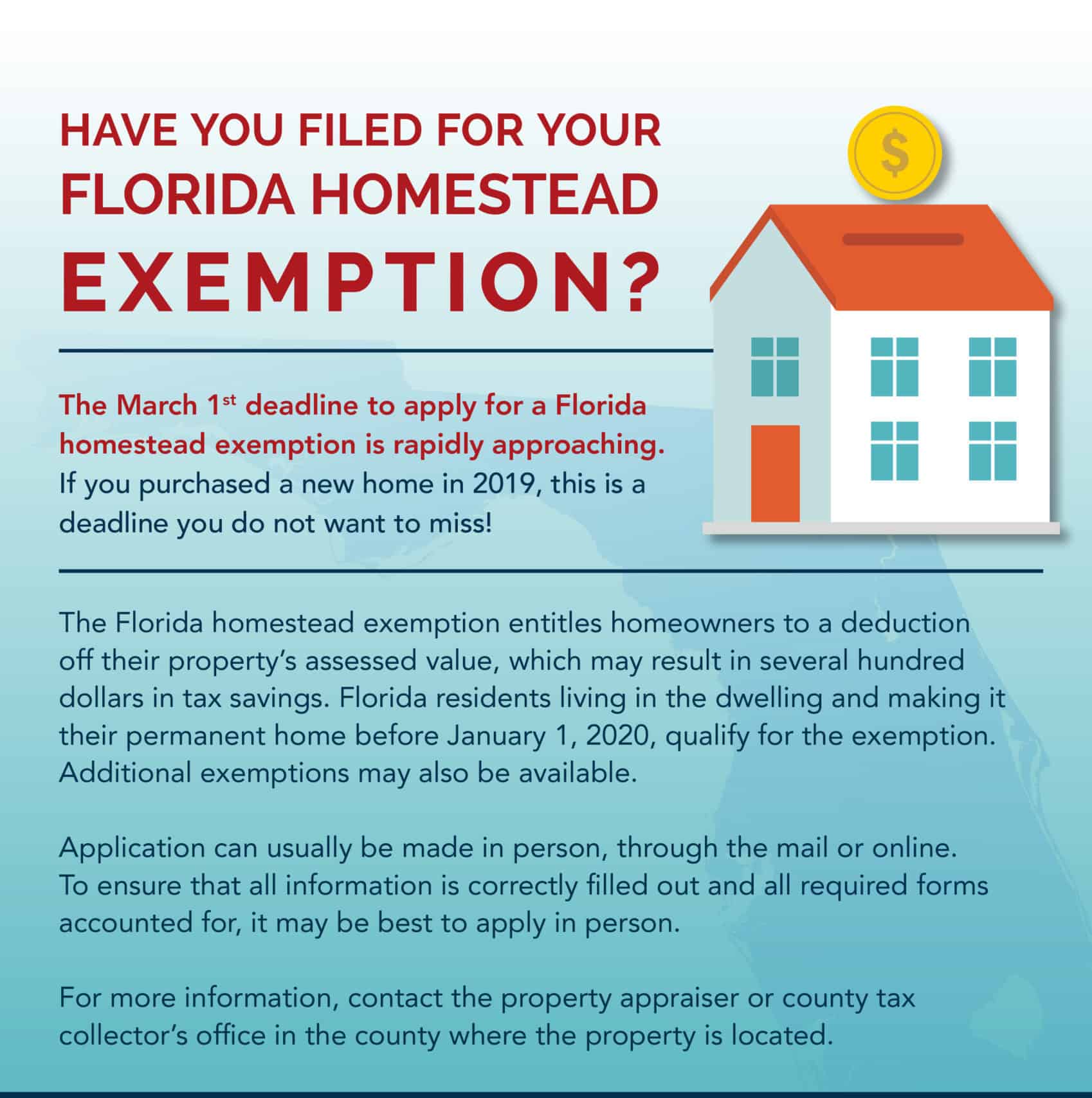
Homestead exemption in Florida is a powerful tool designed to protect homeowners from excessive property taxes. It essentially exempts a portion of your home’s assessed value from taxation. For the 2023 tax year, Florida homeowners can receive an exemption of up to $50,000 on their primary residence. The first $25,000 of assessed value is exempt, the next $25,000 is also exempt if the property value exceeds $50,000, and an additional $25,000 exemption is available for tangible personal property valued over $50,000, provided it is owned by the taxpayer. This benefit is not automatically granted; it requires a formal application process through your local county property appraiser’s office.
What Constitutes a Primary Residence?
To qualify for homestead exemption, the property must be your permanent home. This means you must reside in the property for more than six months of the year. You cannot claim homestead exemption on multiple properties, even if you own them. If you own more than one property, you must designate one as your primary residence. This designation is critical for tax purposes and can have implications if you are claiming residency in Florida for other legal or financial reasons.
Key Eligibility Requirements
To be eligible for homestead exemption in Florida, you must meet several criteria:
- Ownership: You must own the property. This can be through direct ownership, a trust, or beneficial interest in a land trust.
- Residency: The property must be your permanent residence. You and your family must intend to make it your permanent home.
- Occupancy: You must occupy the property on January 1st of the year you are applying. If you purchase a property during the year, you generally cannot apply for homestead exemption until the following year, unless you moved in and established it as your primary residence before January 1st of that tax year.
- Prior Exemptions: You cannot claim homestead exemption on any other property in Florida or any other state.
Additional Homestead Exemptions
Beyond the standard homestead exemption, Florida offers several additional exemptions for specific groups of homeowners. These can further reduce your property tax liability:
- Senior Citizen Exemption: For individuals aged 65 and older whose household income does not exceed a certain threshold (adjusted annually).
- Disability Exemption: For totally and permanently disabled individuals.
- Veteran Exemption: For veterans with a service-connected disability. This exemption has varying percentages based on the disability rating.
- Surviving Spouse Exemption: For widows and widowers of deceased service members or veterans.
- First Responder Exemption: For law enforcement officers, firefighters, and emergency medical technicians who are permanently and totally disabled in the line of duty.
- Renewable Energy Exemption: For the value added to a home by the installation of solar energy or wind energy devices.
It is essential to check with your local property appraiser’s office for the specific income limits, disability ratings, and other qualifications for these additional exemptions.
The Application Process
Applying for homestead exemption in Florida is straightforward, but it requires attention to detail. The application is typically filed with your county’s property appraiser’s office.
When and Where to Apply
The application period for homestead exemption begins on January 1st of each year. The deadline to file for the current year’s exemption is March 1st. If you miss the March 1st deadline, you may still be able to apply for the following year. Some counties may allow late filing with a reasonable excuse, but it’s best to adhere to the official deadlines.
You can usually file your homestead exemption application online through your county property appraiser’s website, in person at their office, or by mail. Many property appraisers offer user-friendly online portals that simplify the submission process.
Required Documentation
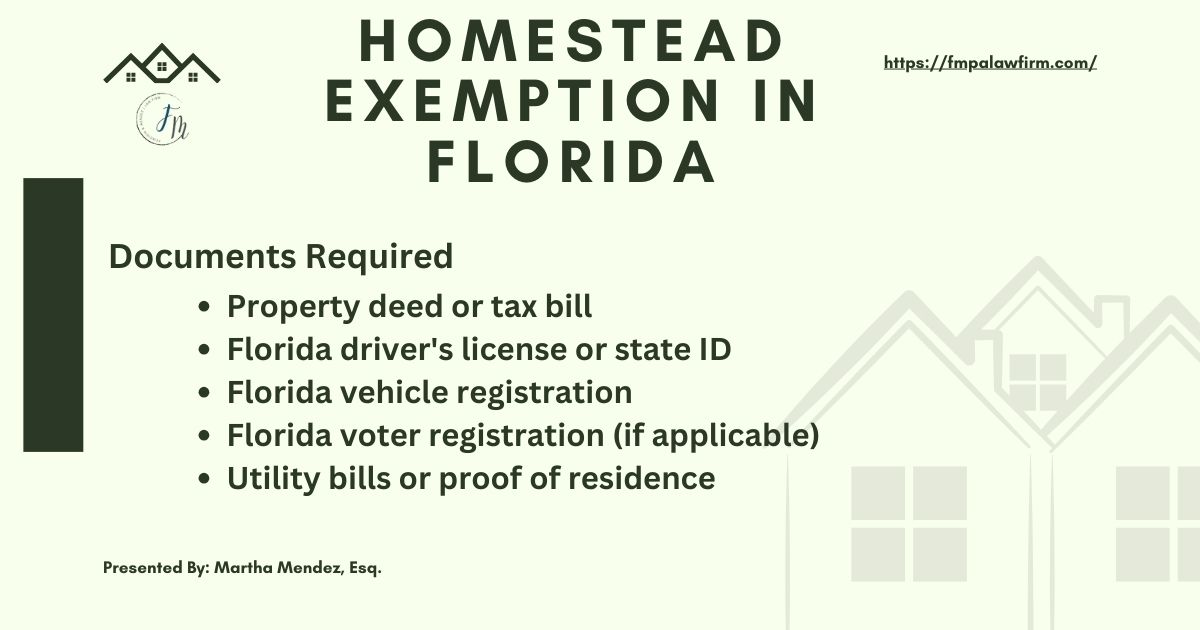
When applying, you will need to provide specific documentation to prove your eligibility. While requirements can vary slightly by county, common documents include:
- Proof of Ownership: This could be a recorded deed to the property.
- Proof of Residency:
- Driver’s License or State ID: Must be current and show the property address.
- Vehicle Registration: Must be current and show the property address.
- Voter Registration Card: Must show the property address.
- Utility Bills: In your name, showing the property address (though this is often used as supplementary proof).
- Social Security Numbers: For all owners applying for the exemption.
- Proof of any other exemptions: If you are applying for additional homestead exemptions (e.g., disability, veteran status), you will need to provide supporting documentation such as a physician’s letter, VA disability rating letter, or other official certifications.
It is advisable to contact your local property appraiser’s office or visit their website to confirm the exact list of required documents for your specific situation.
What to Expect After Filing
Once you submit your application, the property appraiser’s office will review it. If approved, the homestead exemption will be reflected on your property tax bill for that year. You typically do not need to reapply each year once your homestead exemption is granted, as it automatically renews unless there is a change in ownership, residency, or the property is no longer your primary residence.
However, if you move, sell the property, or no longer meet the residency requirements, you are legally obligated to notify the property appraiser’s office. Failure to do so can result in penalties, including the repayment of previously exempted taxes with interest.
Maximizing Your Homestead Benefits
Beyond the standard tax reduction, understanding how homestead exemption works in conjunction with other tax benefits and how it impacts your overall financial planning can be advantageous.
Portability of Homestead Exemption
Florida offers a valuable “Save Our Homes” amendment, which limits the annual increase in assessed value for homestead properties to the lesser of 3% or the Consumer Price Index (CPI). This is a significant protection against runaway property value increases.
Furthermore, if you sell your homesteaded property and purchase a new homesteaded property in Florida within two years, you can “port” or transfer your accumulated Save Our Homes benefit. This means the Save Our Homes cap on your new property will be based on the difference between the assessed value and the just value of your previous homestead, up to the amount of your accumulated benefit. This provision can provide substantial savings when upgrading your home.
Property Tax Appeals and Homestead
It’s important to note that homestead exemption does not prevent your property taxes from increasing if the overall value of your property increases significantly. However, it does ensure that the portion of the assessed value that is exempt remains so, and the Save Our Homes amendment limits the annual increase on the remaining taxable value. If you believe your property’s assessed value is too high, you have the right to appeal it. The homestead exemption and the Save Our Homes cap are separate from the assessment appeal process, but a successful appeal can lower your taxable value even further.
Life Events and Homestead Exemption
Several life events can affect your homestead exemption status:
- Marriage or Divorce: If you marry or divorce, and your marital status changes how you own or occupy the property, you may need to update your homestead exemption application.
- Death of a Spouse: If you are a surviving spouse, you may be eligible for a specific homestead exemption for surviving spouses.
- Moving Out: If you move out of your homesteaded property and establish residency elsewhere, you must notify the property appraiser to have the exemption removed.
Always communicate any significant life changes that might impact your residency or ownership to the property appraiser’s office promptly.
Common Pitfalls and How to Avoid Them
While the homestead exemption process is generally clear, some common mistakes can lead to denial or future complications.
Not Filing on Time
As mentioned, the March 1st deadline is critical. Procrastinating can mean missing out on a year’s worth of savings or facing more complex procedures to rectify the situation. Always mark this date in your calendar.
Claiming Multiple Exemptions
Florida law strictly prohibits claiming homestead exemption on more than one property. Doing so is considered tax fraud and can lead to severe penalties. Ensure you are only claiming exemption on your true primary residence.
Incomplete or Inaccurate Information
Providing incorrect or incomplete information on your application is a common reason for denial. Double-check all details, especially addresses, names, and social security numbers. Ensure your supporting documents are current and accurate.
Failure to Update Changes
If you sell your home, move out permanently, or change the way you hold title, you must inform the property appraiser. Failing to do so can lead to back taxes, interest, and penalties.

Relying on Assumptions
Do not assume your exemption will automatically renew or that you are eligible without verifying the requirements. Each year, the property appraiser’s office conducts reviews, and changes in your circumstances or legislation could affect your eligibility. Regularly review your property tax statements and the requirements on your county property appraiser’s website.
By understanding the requirements, adhering to the application process, and being mindful of potential pitfalls, you can confidently file for and maintain your homestead exemption in Florida, ensuring you benefit from this significant property tax relief.
LifeOutOfTheBox is a participant in the Amazon Services LLC Associates Program, an affiliate advertising program designed to provide a means for sites to earn advertising fees by advertising and linking to Amazon.com. Amazon, the Amazon logo, AmazonSupply, and the AmazonSupply logo are trademarks of Amazon.com, Inc. or its affiliates. As an Amazon Associate we earn affiliate commissions from qualifying purchases.