
Navigating the legal landscape of firearms can be a complex undertaking for any traveler, and the state of Kansas is no exception. For those planning a visit, understanding the nuances of open carry laws is paramount to ensuring a safe and lawful experience. This guide delves into the specifics of open carry in Kansas, offering clarity and practical information for tourists and temporary residents alike.
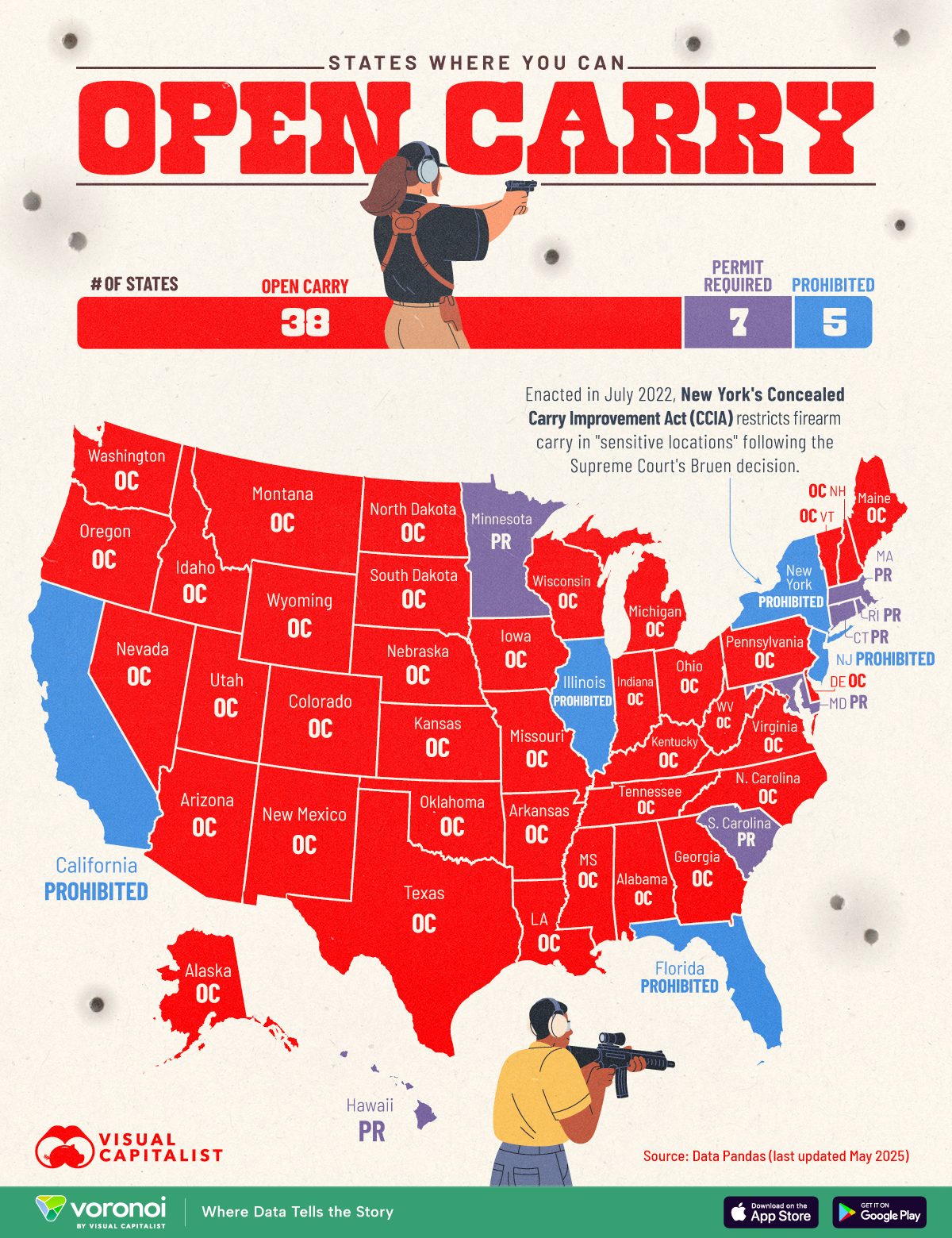
The fundamental question of “Is Kansas open carry?” can be answered with a resounding yes, but with crucial stipulations and considerations that travelers must be aware of. Kansas operates under a permitless open carry system, meaning that individuals who are legally allowed to possess a firearm do not need a specific permit to carry it openly in most public places. This contrasts with some states that require a concealed carry permit, which then also allows for open carry. In Kansas, the focus is on the legality of possession and the nature of the carry itself.

Understanding Open Carry in Kansas
Open carry in Kansas refers to carrying a handgun in plain view, typically in a holster on the hip or shoulder. The legality of this practice is established by state law, and it’s essential to understand that while permitless, it is not without its restrictions.
Who Can Open Carry?
The primary prerequisite for open carrying a firearm in Kansas is that the individual must be legally eligible to possess a firearm under both federal and state law. This generally means:
- Being at least 18 years old.
- Not being a convicted felon.
- Not being prohibited from possessing firearms due to domestic violence convictions, restraining orders, or other legal disqualifications.
- Not being under the influence of alcohol or controlled substances while carrying a firearm.
It is crucial for travelers to verify their personal eligibility before considering open carry. Ignorance of these disqualifying factors can lead to serious legal repercussions.
Where Can You Open Carry?
While Kansas permits open carry, there are numerous locations where firearms are prohibited. These restrictions apply whether you are open carrying or concealed carrying. Understanding these restricted areas is vital for avoiding unintended legal entanglements.
Common Restricted Areas Include:
- Schools: This is a broad category encompassing K-12 schools and universities, including school grounds and school-sponsored events.
- Courthouses: The judicial system is a sensitive environment, and firearms are generally banned.
- Law Enforcement Buildings: Facilities housing police departments or sheriff’s offices are typically off-limits.
- Polling Places: During elections, firearms are prohibited to ensure the integrity and safety of the voting process.
- Federal Buildings: Buildings owned and operated by the federal government often have strict firearm prohibitions.
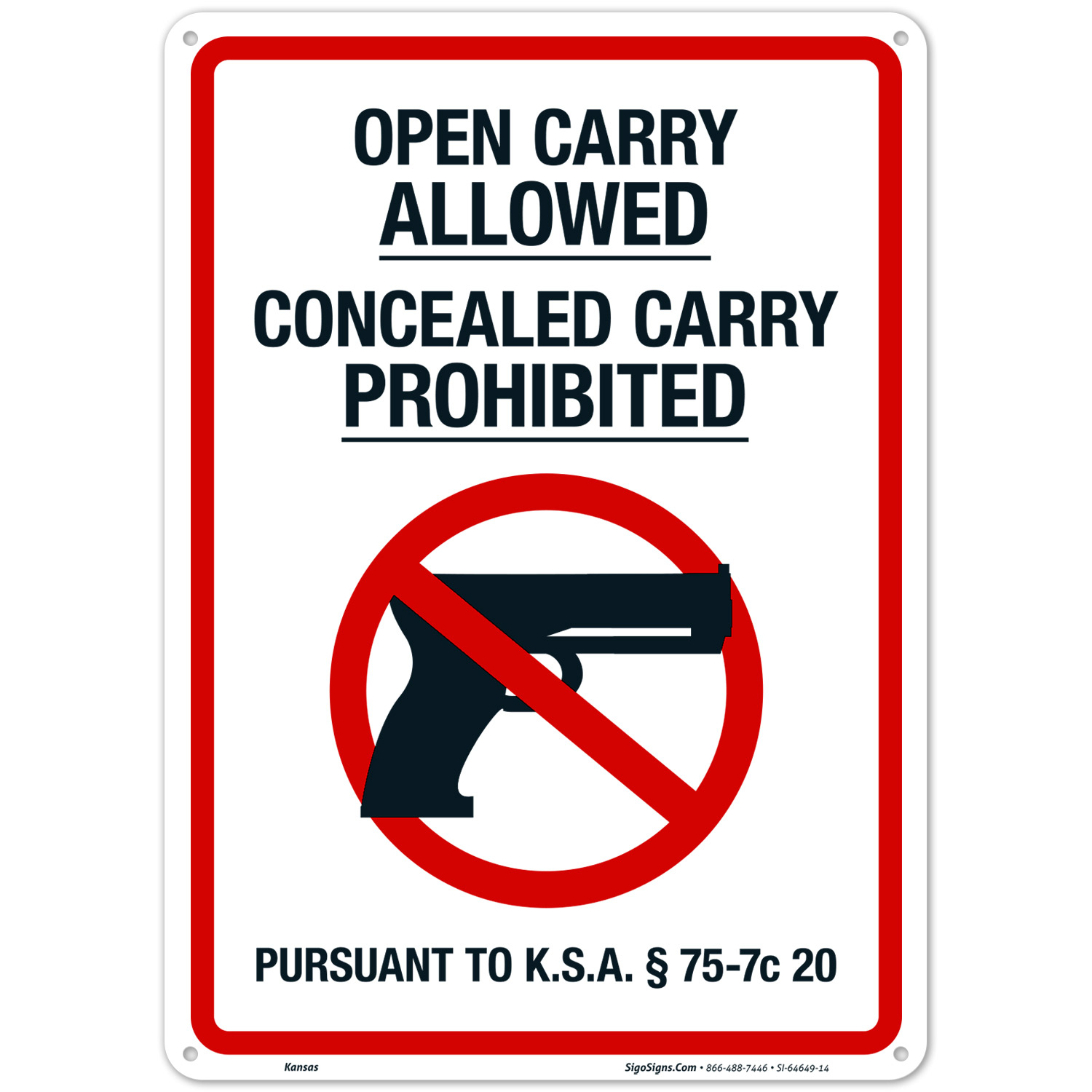
- Private Property with Notice: While private property owners can generally prohibit firearms, they must provide clear notice. This can be through signage or verbal communication.
- Certain Licensed Establishments: Businesses that derive a significant portion of their revenue from the sale of alcohol for on-premises consumption may prohibit firearms.
- State Capitol Building: While specific rules can vary, the State Capitol in Topeka often has restrictions.
It is important to note that while the state has preemption laws, meaning state law generally supersedes local ordinances regarding firearms, specific cities or counties might have some limited authority. However, for the most part, state law governs open carry.
The Importance of a Holster
Kansas law requires that a handgun carried openly be secured in a holster. This is a safety measure designed to prevent accidental discharge and to ensure the firearm is carried in a controlled manner. Carrying a handgun without a proper holster, even if legally permitted otherwise, can be a violation.
Traveling with Firearms in Kansas
For travelers who are residents of other states, understanding the reciprocity of firearm laws is crucial.
Reciprocity and Non-Resident Carry
Kansas recognizes concealed carry permits from all other states. This means that if you hold a valid concealed carry permit from your home state, you can generally carry a concealed firearm in Kansas according to the terms of your permit. However, it is important to remember that Kansas is a permitless open carry state. This means that even if you do not have a concealed carry permit, you may be able to open carry in Kansas as long as you meet the state’s eligibility requirements.
Key Considerations for Non-Residents:
- Know Your Home State Laws: Always adhere to the laws of your home state when traveling, even if Kansas has more permissive laws.
- Be Aware of Destination Laws: Research and understand the specific firearm laws of any state you plan to visit, including any transit states.
- Federal Transportation Laws: Familiarize yourself with federal laws regarding the transportation of firearms, particularly if you are flying. Generally, firearms must be unloaded, locked in a hard-sided container, and declared to the airline.
Safe Storage During Travel
When staying in accommodations, such as a hotel or rental property, safe storage of your firearm is paramount. Many hotels and rental agencies have their own policies regarding firearms. It is advisable to inquire about these policies beforehand. Regardless of the establishment’s policy, you are responsible for ensuring your firearm is stored securely and inaccessible to unauthorized individuals, especially children. Utilizing a hotel safe or a personal gun lock box is highly recommended.
Open Carry vs. Concealed Carry in Kansas
While Kansas is known for its permitless open carry laws, it’s also important to consider concealed carry.
The Permitless Aspect
The core of Kansas open carry law is its “permitless” nature. This simplifies the process for eligible residents and visitors who wish to carry a handgun openly. You do not need to apply for or obtain a specific permit from the state to carry openly, provided you are legally permitted to own a firearm.
Concealed Carry Options
For those who prefer to carry concealed, Kansas does offer a Concealed Carry License (CCL). While not required for permitless open carry, obtaining a CCL can offer some advantages. For instance, a CCL allows you to carry concealed in some areas where open carry might be restricted or draw more attention. It also facilitates reciprocity with other states that recognize concealed carry permits. The process for obtaining a CCL involves a training course and an application with the Kansas Bureau of Investigation (KBI).
Choosing Your Method of Carry
The decision to open carry or concealed carry is a personal one, influenced by comfort level, the environment you will be in, and the specific purpose of carrying a firearm.
- Open Carry: Can act as a deterrent and is straightforward for those who meet the eligibility requirements. However, it can also attract attention and may be perceived differently by the public.
- Concealed Carry: Offers a lower profile and may be more appropriate in situations where you wish to avoid drawing attention or in locations with specific restrictions that might be more easily navigated with a CCL.
Travelers should weigh these factors carefully when deciding how to carry their firearm while visiting Kansas.
Responsible Firearm Ownership and Travel
Beyond the legal statutes, responsible firearm ownership is the cornerstone of safe and lawful carrying, especially when traveling.
Education and Training
Even with permitless open carry, understanding the safe handling, storage, and legal responsibilities associated with firearms is paramount. For visitors, this means understanding how Kansas laws interact with their own knowledge and training. If you are unfamiliar with firearm laws in general, it is highly recommended to undergo certified firearms training.
Awareness of Local Attitudes and Norms
While Kansas is generally a pro-firearm state, public perception and comfort levels with firearms can vary. Being mindful of your surroundings and the potential reactions of others can contribute to a more harmonious experience. This is not about letting public opinion dictate your legal rights, but about exercising those rights with situational awareness.
Staying Informed
Firearm laws can change. It is the responsibility of the firearm owner to stay informed about any updates or amendments to Kansas firearms statutes. Reliable sources for this information include the Kansas Attorney General’s office, the Kansas Bureau of Investigation (KBI), and reputable legal resources specializing in firearms law.
In conclusion, Kansas does indeed permit open carry without a specific permit for individuals legally allowed to possess a firearm. However, this freedom comes with significant responsibilities and a clear understanding of prohibited locations and safe practices. For travelers, diligent research and adherence to both federal and state laws are essential for a safe and enjoyable visit to the Sunflower State.
LifeOutOfTheBox is a participant in the Amazon Services LLC Associates Program, an affiliate advertising program designed to provide a means for sites to earn advertising fees by advertising and linking to Amazon.com. Amazon, the Amazon logo, AmazonSupply, and the AmazonSupply logo are trademarks of Amazon.com, Inc. or its affiliates. As an Amazon Associate we earn affiliate commissions from qualifying purchases.