
While the allure of a new destination and the comfort of a hotel room are central to the travel experience, a less welcome guest can sometimes mar the occasion: the bed bug. These tiny, elusive insects are a common concern for travelers, and knowing how to identify them can save you from an uncomfortable and potentially itchy stay. This guide, drawing from the core tenets of travel, accommodation, and lifestyle, will equip you with the knowledge to proactively inspect your hotel room and ensure a pest-free sanctuary during your journeys.
Understanding the Bed Bug Threat
Bed bugs are small, reddish-brown, oval-shaped insects that feed on the blood of humans and animals. They are notorious for their ability to hitchhike on luggage, clothing, and other personal belongings, making hotel rooms a prime breeding ground. While not known to transmit diseases, their bites can cause itchy welts, allergic reactions, and significant discomfort, disrupting sleep and diminishing the enjoyment of your trip. Understanding their habits and common hiding spots is the first step in effectively detecting their presence.

Where Bed Bugs Hide
Bed bugs are masters of camouflage and concealment. They prefer to live in close proximity to their food source – you – and tend to inhabit dark, secluded areas. This means your initial inspection should go beyond just the mattress.
In the Mattress and Bedding
The most obvious place to start is, of course, the bed itself.
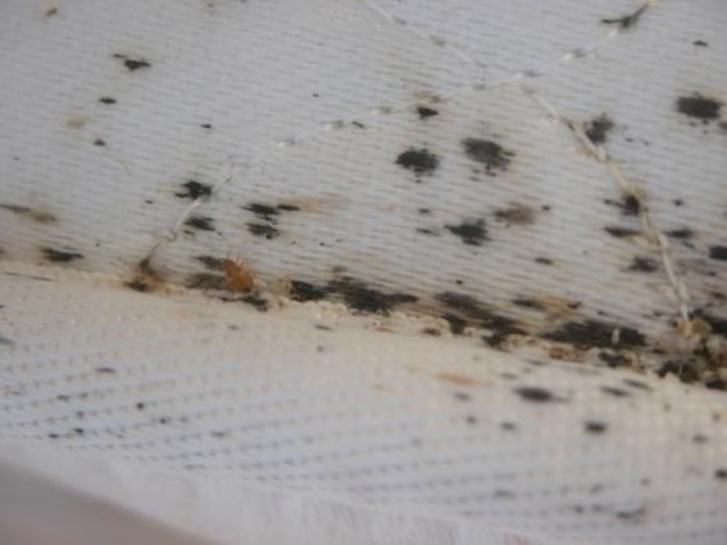
- Mattress Seams and Tags: Carefully inspect the piping, seams, and tags of your mattress. Bed bugs often congregate in these tight crevices, leaving behind their reddish-brown excrement (which can look like small dots of ink) or shed skins.
- Box Spring: Don’t forget the box spring beneath your mattress. This is another favorite hiding spot, especially along its underside and corners. Lift it up to get a thorough look.
- Headboard and Footboard: If your bed has a separate headboard or footboard, especially if it’s upholstered or has seams, inspect these areas meticulously.
- Pillows and Sheets: While less common for them to reside directly on the surface of clean sheets, they can be found in the folds or seams of pillows, particularly if they haven’t been recently laundered.
Beyond the Bed: The Room’s Interior
Bed bugs are surprisingly mobile and can spread throughout a hotel room. Their ability to flatten themselves allows them to squeeze into incredibly small spaces.
- Furniture Crevices: Inspect any upholstered furniture, such as chairs or sofas, for rips, tears, or seams where bed bugs might hide. Pay close attention to the underside of these items as well.
- Electrical Outlets and Light Switches: This might seem odd, but bed bugs have been known to inhabit the voids behind electrical outlet covers and light switch plates. While this inspection requires a bit more caution, a quick visual check of the plate itself can sometimes reveal signs.
- Wall Hangings and Pictures: Artwork, mirrors, or any other items hanging on the walls can also serve as a temporary or permanent home for bed bugs. Check behind them and around their mounting points.
- Carpet Edges and Seams: If your room has carpeting, inspect the edges where the carpet meets the wall, as well as any seams in the flooring.
- Drawers and Closets: Thoroughly check inside drawers and the seams of closets. These areas often offer the darkness and seclusion that bed bugs seek.
- Luggage Racks: The often-overlooked luggage rack can be a hiding place. Inspect its joints and any fabric components.
Practical Inspection Techniques
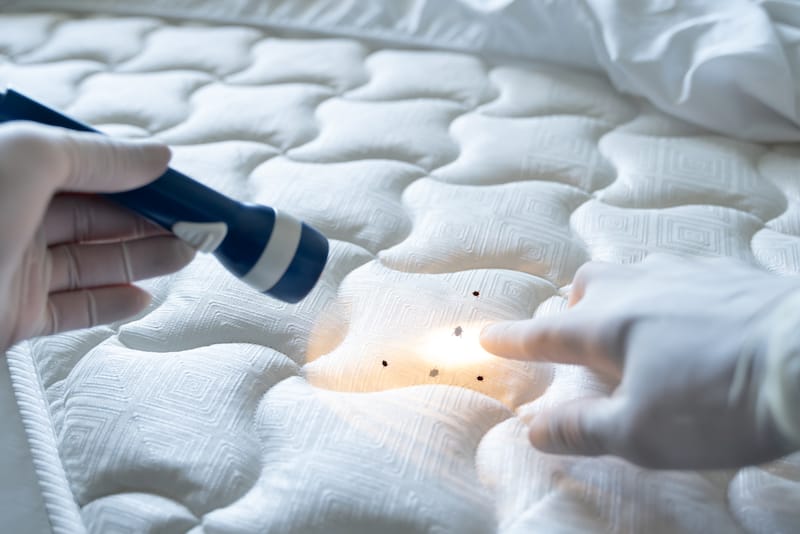
A systematic approach is key to effectively hunting for bed bugs. Armed with a flashlight and a bit of patience, you can conduct a thorough inspection without causing undue alarm.
Your Inspection Toolkit and Method
Before you even unpack, take some time to survey your surroundings.
- Bring a Flashlight: A small, powerful LED flashlight is your best friend. It will illuminate dark crevices and help you spot the tell-tale signs of bed bugs.
- Use Your Phone’s Camera: Zoom in with your phone’s camera to get a closer look at suspicious spots if needed.
- Be Systematic: Start at the bed and work your way outwards, covering every potential hiding spot methodically. Don’t rush the process.
What to Look For
Beyond spotting the actual bug, there are other indicators that can point to a bed bug infestation.
- Live Bed Bugs: Adult bed bugs are about the size of an apple seed. If you find one, it’s a clear sign of an issue.
- Bed Bug Eggs: These are tiny, pearly white, and about 1mm long. They are often found in clusters in crevices.
- Shed Skins (Exuviae): As bed bugs grow, they molt their exoskeletons. These translucent, yellowish skins can be found in their hiding places.
- Fecal Spots: Small, dark, rusty or reddish-brown spots on the mattress, bedding, or nearby surfaces are a strong indicator of bed bug activity. These are their digested blood meals.
- Blood Stains: You might find small blood smears on your sheets or pillowcases if you’ve disturbed a bed bug after it has fed.
Responding to a Suspected Infestation
Discovering signs of bed bugs can be disheartening, but knowing how to react appropriately can mitigate the problem and ensure a more comfortable remainder of your stay.
Immediate Actions if Bed Bugs are Found
If your inspection yields concerning results, it’s important to act swiftly and calmly.
- Do Not Panic: While unsettling, a calm and informed approach is most effective.
- Do Not Disturb the Area Unnecessarily: Try not to spread the insects further. Keep your belongings contained.
- Inform Hotel Management Immediately: Approach the front desk or guest services and calmly explain your findings. Politely request to be moved to a different room, ideally one on a different floor or section of the hotel, to avoid the possibility of relocating to another infested room.
- Request a Room Inspection: Ask if they can inspect the room you were in and the room you are being moved to. This shows a commitment from the hotel to address the issue.
- Inspect Your New Room Thoroughly: Even after being moved, it’s prudent to conduct a thorough inspection of your new accommodation. Don’t assume the problem is solved without verification.
Protecting Your Belongings
Once you’ve identified an issue, or even as a preventative measure before your trip, there are steps you can take to protect your luggage and belongings.
- Store Luggage Away from the Bed: Keep your suitcases on a luggage rack, in the bathroom, or on a hard surface away from upholstered furniture and the bed itself.
- Inspect Luggage Before Leaving: Before checking out of your current accommodation and upon arriving home, thoroughly inspect your luggage for any signs of bed bugs.
- Consider airtight Luggage Covers: For those particularly concerned, consider using specialized luggage covers designed to prevent bed bug hitchhiking.
- Heat Treatment at Home: If you suspect you may have brought bed bugs home, one effective method is to heat treat your luggage and clothing. Many dry cleaners offer this service, or you can use a clothes dryer on its highest heat setting for at least 30 minutes.
Travel to Paris can be an unforgettable experience, but even in the most luxurious of hotels, vigilance is key. From the grand Eiffel Tower to charming boutique inns, the principles of a thorough inspection remain the same. Understanding that bed bugs can be found in any accommodation, from a budget hostel to a five-star resort, empowers you to enjoy your travels with greater peace of mind.
Exploring the vibrant culture of Tokyo or relaxing on the beaches of Bali should be about soaking in the local attractions and culinary delights, not battling unseen pests. By following these simple inspection steps, you can significantly reduce the risk of a bed bug encounter, ensuring your accommodation in places like the Grand Hyatt Hotel or a cozy villa remains a haven for rest and rejuvenation.
Whether you’re embarking on a family trip to Orlando or a business stay in New York City, your comfort and well-being are paramount. Remember, a little proactive investigation can go a long way in making your travel experiences truly memorable for all the right reasons.
LifeOutOfTheBox is a participant in the Amazon Services LLC Associates Program, an affiliate advertising program designed to provide a means for sites to earn advertising fees by advertising and linking to Amazon.com. Amazon, the Amazon logo, AmazonSupply, and the AmazonSupply logo are trademarks of Amazon.com, Inc. or its affiliates. As an Amazon Associate we earn affiliate commissions from qualifying purchases.