
Finding affordable accommodation in New York City is often described as an art form. As one of the most expensive real estate markets in the United States, the city presents a unique challenge for travelers who want to experience the vibrance of Manhattan without depleting their life savings. However, with the right strategy, a deep understanding of neighborhood dynamics, and a keen eye for booking technicalities, securing a budget-friendly room is entirely possible. The secret lies in moving beyond basic search engines and understanding the underlying mechanics of the New York City hospitality industry.

Mastering the Timing of Your Reservation
The price of a hotel room in New York City is never static. It fluctuates based on supply, demand, and the calendar of events occurring within the five boroughs. To find the cheapest rates, you must align your visit with the industry’s “low periods.”
Embracing the Low Season
The most effective way to slash your accommodation costs is to visit during the winter months. Specifically, the period between the second week of January and the end of March is the cheapest time to book a hotel. Once the holiday decorations at Rockefeller Center are tucked away and the New Year’s Eve crowds have cleared Times Square, hotel occupancy rates plummet. During this time, luxury properties that typically command $500 per night may drop to $200, and mid-range options can be found for under $150. While the weather can be cold, the savings on lodging provide a significant buffer for indoor activities and dining.
The Mid-Week Advantage
While most travelers focus on weekend getaways, the New York City hotel market is heavily influenced by business travel. Traditionally, mid-week rates were higher due to corporate demand; however, in the modern landscape, Sunday nights are consistently the cheapest night of the week to stay in the city. If you can structure your trip to run from Sunday to Wednesday, you will likely pay 30% to 40% less than if you stayed from Thursday to Saturday.
Last-Minute vs. Early Bird Booking
The hospitality sector in New York City is highly volatile. If you are not traveling during a major event like the New York City Marathon or the United Nations General Assembly, waiting until the last minute can yield incredible results. Apps like Hotel Tonight capitalize on unsold inventory. Hotels would rather sell a room for a fraction of the cost than let it sit empty. Conversely, if your dates are fixed and non-negotiable, booking a “non-refundable” rate at least three months in advance can lock in lower prices before the inventory tightens.
Strategic Neighborhood Selection for Lower Rates
The biggest mistake budget-conscious travelers make is insisting on staying within a five-block radius of Times Square. While central, this area carries a massive “convenience premium.” By expanding your search to well-connected neighborhoods just outside the primary tourist hub, you can find significantly better value.
The Rise of Long Island City and Queens
Long Island City, located in Queens, has become the premier destination for smart travelers seeking cheap hotels. Because it is just one subway stop away from Manhattan, you can reach Grand Central Terminal in less than ten minutes. The hotels here are often newer, featuring modern amenities and larger room sizes than their Manhattan counterparts. Look for properties near the Queensboro Plaza station to ensure maximum mobility.
Brooklyn Alternatives to Manhattan Pricing
While Williamsburg has become as expensive as SoHo, other parts of Brooklyn offer competitive pricing. Downtown Brooklyn and Bushwick feature several boutique hotels and national chains that provide a local feel at a lower price point. Staying in Brooklyn also places you closer to the burgeoning food and arts scene, allowing you to experience the city like a resident rather than a tourist.
Upper Manhattan and Harlem
If you are determined to stay on the island of Manhattan, look north. Harlem and the Upper West Side offer a more residential atmosphere and lower hotel rates. These areas are well-served by the express subway lines, making it easy to commute to Central Park or the Empire State Building. Hotels in these districts are often housed in historic buildings, offering a more authentic architectural experience than the glass towers of Midtown.
Comparing Booking Platforms and Hidden Costs
Finding a low number on a search results page is only the first step. To truly find a cheap hotel, you must understand the total cost of the stay, which often includes taxes, fees, and surcharges that are not immediately visible.
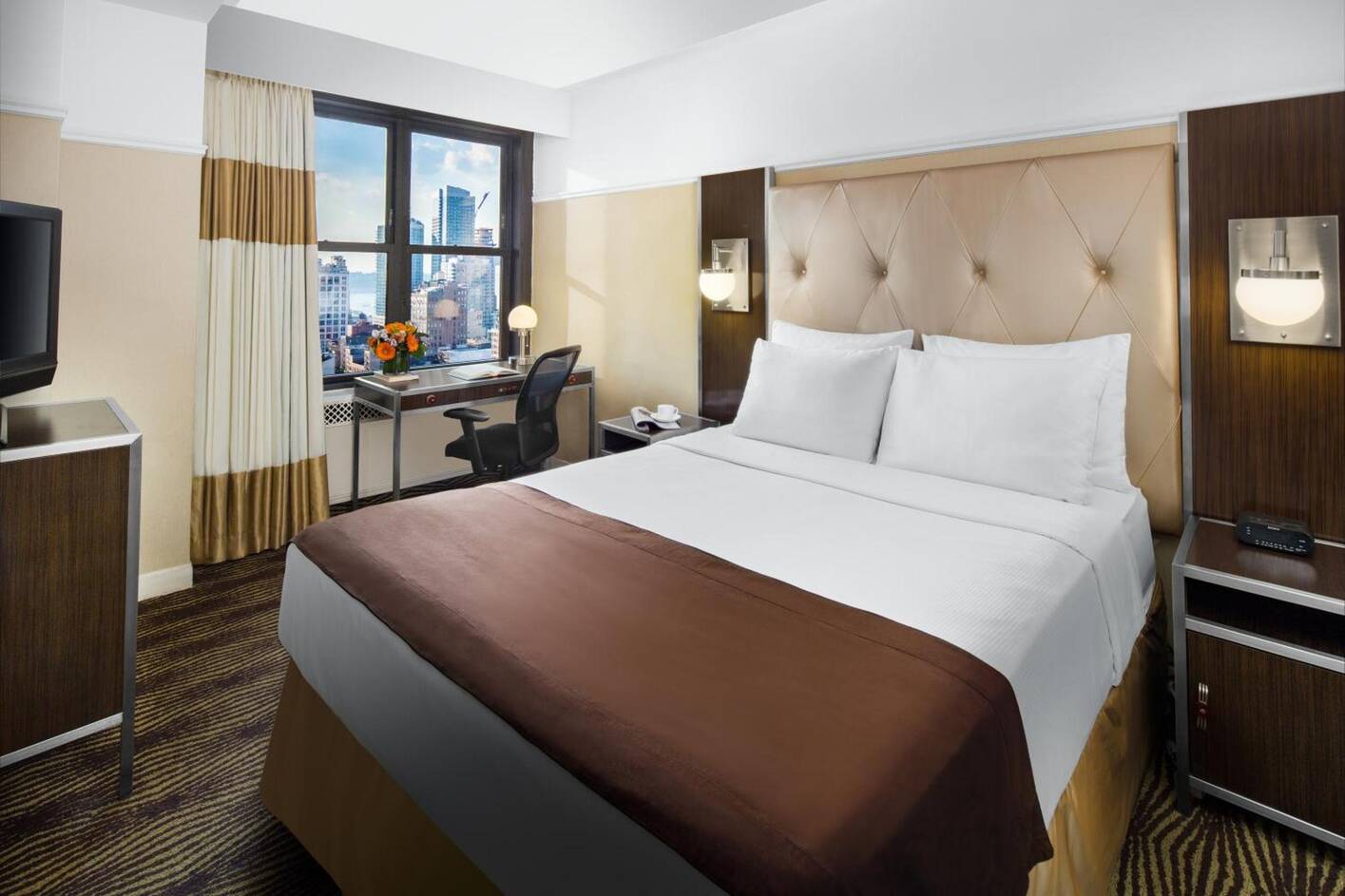
Direct Booking vs. Third-Party Aggregators
While sites like Expedia or Booking.com are excellent for comparing prices, they do not always offer the best deal. Once you find a hotel you like, visit the hotel’s official website. Many New York City hotels offer “web-exclusive” rates or “member rates” if you sign up for their free loyalty program. Additionally, booking directly often provides more flexibility with cancellations and a higher likelihood of receiving a room upgrade or better floor placement.
Decoding New York City Hotel Taxes and Fees
When comparing prices, always look at the “total including taxes and fees.” New York City has some of the highest hotel taxes in the United States. You can expect to pay a state and city sales tax, a New York City Hotel Unit Fee, and an occupancy tax.
Furthermore, many hotels have introduced “Resort Fees” or “Facility Fees,” often ranging from $25 to $50 per night. These fees are mandatory and are supposed to cover “amenities” like high-speed Wi-Fi, bottled water, or gym access. When searching for a cheap hotel, a room listed at $150 might actually cost $220 after all these additions. Always read the fine print before confirming.
Utilizing Blind Booking Sites
For those who are not picky about the specific brand, “blind booking” on Priceline or Hotwire can lead to the deepest discounts in the city. By choosing a star rating and a neighborhood (e.g., a 4-star hotel in Chelsea), you can secure rates up to 60% off. The catch is that you don’t learn the name of the hotel until after you pay. In a dense market like Manhattan, where most 4-star hotels maintain a high standard, this is often a risk worth taking for the significant savings.
Innovative Accommodation Models: Micro-Rooms and Pods
As space in New York City is at a premium, a new category of “micro-hotels” has emerged. These properties focus on efficiency, providing small but high-quality rooms that cater to travelers who spend most of their time exploring the city rather than sitting in their hotel.
The Pod Hotel Experience
The Pod Hotel brand, with locations like Pod 51 and Pod 39, has revolutionized the budget market. These rooms are tiny, some featuring bunk beds or shared bathrooms, but they are impeccably clean, modern, and located in prime real estate. By sacrificing square footage, you can stay in the heart of Manhattan for a price usually reserved for the outer boroughs.
Luxury Hostels and Shared-Space Living
The traditional image of a hostel is shifting. Freehand New York and Moxy NYC Times Square offer a hybrid experience. They provide upscale design, vibrant social scenes, and high-end bars, but offer “quad” rooms or smaller “crash pads” that are priced for the budget traveler. This allows you to enjoy the atmosphere of a luxury boutique hotel without paying for a full-sized suite.
Historical Budget Icons
For a unique experience, The Jane Hotel in the West Village offers “cabin” rooms inspired by luxury train travel. While the rooms are very small and bathrooms are communal, the location and the historical charm are unbeatable for the price. Similarly, the HI New York City Hostel near Central Park is one of the largest and most reputable hostels in the country, offering both dormitory and private room options.
Maximizing Value Through Membership and Loyalty
Finally, the most consistent way to find cheap hotels in New York City is to leverage existing memberships and loyalty programs.
AAA and AARP Discounts
If you are a member of AAA or AARP, you should never book a hotel at the standard rate. Almost every major chain, from Marriott to Hilton, offers a discounted rate for these members. These discounts usually range from 10% to 15% and, unlike many “cheap” rates, they are often refundable.
Credit Card Points and Portals
Travelers who use premium credit cards like Chase Sapphire Reserve or American Express Platinum can often find better value by booking through their respective travel portals. Sometimes the “points price” for a New York City hotel is more favorable than the cash price, especially during peak seasons. Furthermore, many of these cards offer an annual “hotel credit” that can effectively make a one-night stay free or very cheap.

Corporate and University Rates
If you are visiting for work or to see someone at a school like New York University or Columbia University, check for specialized rates. Many hotels have negotiated lower prices for people associated with these institutions. Even if you are not a student or employee, some hotels extend these rates to visitors of the campus, provided you ask the front desk or use the correct corporate code during the booking process.
By combining these strategies—timing your visit for the winter, looking toward Long Island City, embracing micro-accommodation, and carefully vetting the hidden fees—you can navigate the New York City hotel market with confidence. The city may be expensive, but a well-researched stay ensures that your budget is spent on the experiences that make New York City world-famous, rather than just a place to sleep.
LifeOutOfTheBox is a participant in the Amazon Services LLC Associates Program, an affiliate advertising program designed to provide a means for sites to earn advertising fees by advertising and linking to Amazon.com. Amazon, the Amazon logo, AmazonSupply, and the AmazonSupply logo are trademarks of Amazon.com, Inc. or its affiliates. As an Amazon Associate we earn affiliate commissions from qualifying purchases.