
Choosing to establish a Limited Liability Company (LLC) in Colorado is a strategic move for entrepreneurs and business owners looking to protect their personal assets while enjoying the flexibility of pass-through taxation. The Centennial State offers a business-friendly environment, making it an attractive location for new ventures. This guide will walk you through the essential steps involved in forming an LLC in Colorado, from initial planning to ongoing compliance, ensuring a smooth and successful launch for your business.
Understanding the Basics of an LLC in Colorado
An LLC is a hybrid business structure that combines the liability protection of a corporation with the operational flexibility and tax advantages of a partnership or sole proprietorship. In Colorado, LLCs are governed by the Colorado Business Corporation Act and are overseen by the Colorado Secretary of State.
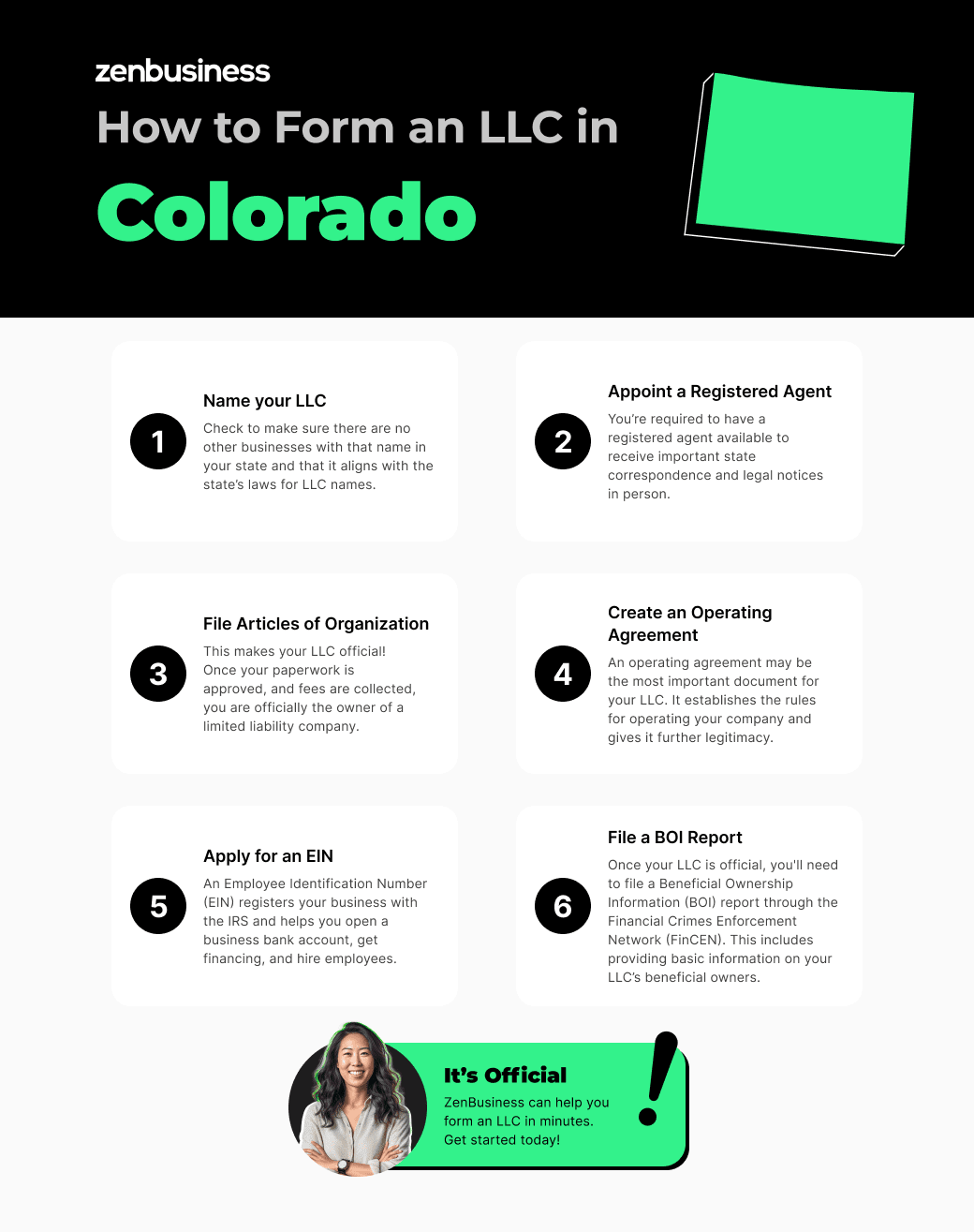
What is a Limited Liability Company (LLC)?
The fundamental advantage of an LLC is its ability to shield its owners (known as members) from personal liability for business debts and obligations. This means that if the business incurs debt or faces a lawsuit, the members’ personal assets, such as their homes, cars, and personal bank accounts, are generally protected. This separation of personal and business finances is a crucial benefit for any business owner.
Benefits of Forming an LLC in Colorado
Colorado provides several compelling reasons for entrepreneurs to choose it as the home for their LLC. The state boasts a relatively straightforward formation process, competitive filing fees, and a growing economy that supports various industries. Furthermore, Colorado’s tax structure for LLCs is favorable, allowing for pass-through taxation, where profits and losses are reported on the members’ personal income tax returns, thus avoiding double taxation often associated with C-corporations. The state also has a strong legal framework that supports business growth and innovation.
Key Considerations Before Formation
Before diving into the formation process, it’s vital to consider a few key aspects. First, determine if an LLC is indeed the right business structure for your specific needs. Compare its advantages and disadvantages against other options like sole proprietorships, partnerships, or corporations. Second, decide on the management structure of your LLC. Will it be member-managed, where all members participate in daily operations, or manager-managed, where designated managers (who may or may not be members) handle the day-to-day responsibilities? Finally, consider the potential need for legal and accounting advice. Consulting with professionals can help ensure you navigate the process correctly and make informed decisions.
Step-by-Step Guide to Forming Your Colorado LLC
Forming an LLC in Colorado involves a series of distinct steps, each requiring careful attention to detail. Following this structured approach will help you successfully establish your business entity.
1. Choosing a Registered Agent and Registered Office
The first official step in forming your Colorado LLC is to appoint a Registered Agent and secure a Registered Office. A Registered Agent is a person or business entity designated to receive official legal documents, tax notices, and other important communications on behalf of your LLC. This agent must have a physical street address within Colorado (a P.O. Box is not acceptable) and be available during standard business hours.
The Registered Office is the physical location where the Registered Agent can be found. It is crucial to select a reliable agent and office to ensure your business remains in good standing with the state and that you don’t miss any critical correspondence. Many entrepreneurs choose to use a commercial registered agent service, which offers professionalism, reliability, and peace of mind.
2. Naming Your LLC
Selecting a unique and compliant name for your LLC is a critical step. In Colorado, your LLC’s name must be distinguishable from the names of other business entities already on file with the Secretary of State. It must also include specific designators that indicate it is a limited liability company, such as “Limited Liability Company,” “LLC,” or “L.L.C.”
Before filing, it is highly recommended to conduct a name search on the Colorado Secretary of State’s website to ensure your desired name is available. You can also reserve a name for up to 120 days by filing a Name Reservation Request if you are not yet ready to form the LLC.
3. Filing the Articles of Organization
The core document for forming an LLC in Colorado is the Articles of Organization. This document is filed with the Colorado Secretary of State and officially creates your LLC. The Articles of Organization typically require the following information:
- The name of the LLC: As chosen and verified in the previous step.
- The name and address of the Registered Agent: The designated individual or entity responsible for receiving official communications.
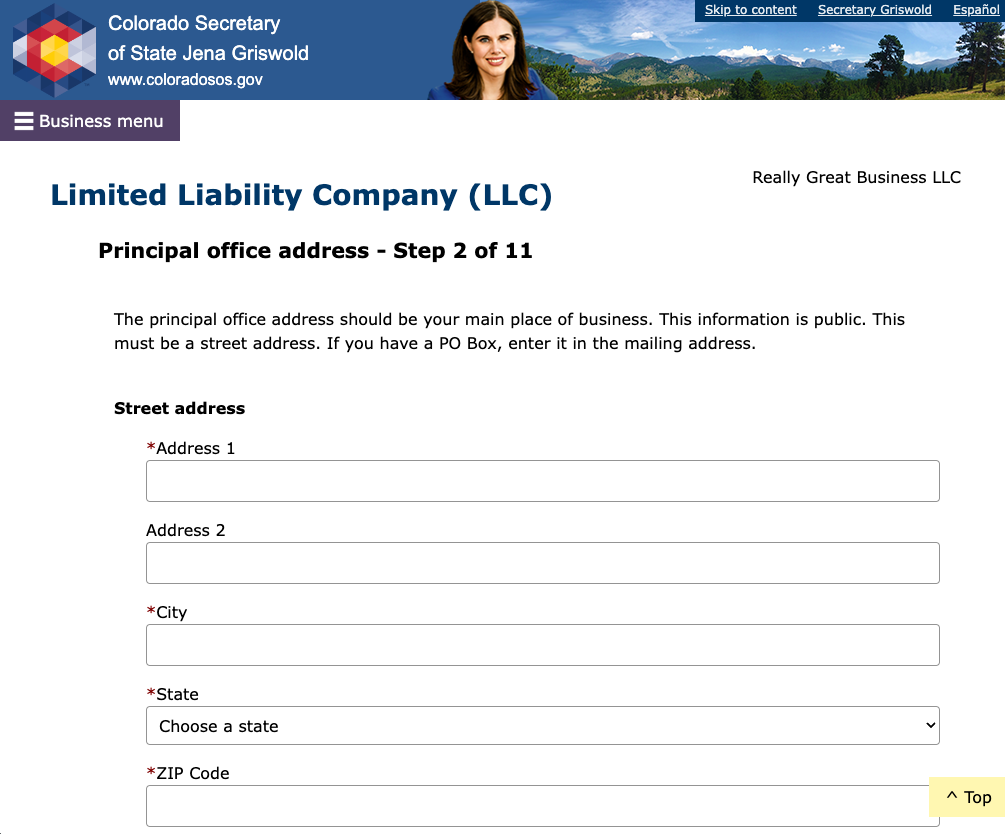
- The principal office address of the LLC: This is the main business address of your LLC, which can be different from the registered office.
- The management structure: Specify whether the LLC will be member-managed or manager-managed.
- The name and address of the organizer: The person filing the document.
You can file your Articles of Organization online through the Colorado Secretary of State’s website or by mail. The filing fee is subject to change, so it’s advisable to check the most current fee schedule on the state’s official portal.
4. Creating an Operating Agreement
While not legally required by the state of Colorado for LLC formation, an Operating Agreement is a highly recommended internal document for any LLC. This agreement outlines the ownership structure, management responsibilities, profit and loss distribution, and other critical operational details of your LLC.
A well-drafted Operating Agreement serves as a roadmap for your business, helping to prevent disputes among members and clearly defining their rights and obligations. It is particularly important for multi-member LLCs but can also be beneficial for single-member LLCs to establish clear operational guidelines.
Essential Post-Formation Steps for Your Colorado LLC
Once your Articles of Organization are approved and your LLC is officially formed, there are several crucial post-formation steps to ensure your business operates legally and efficiently.
1. Obtaining an Employer Identification Number (EIN)
An Employer Identification Number (EIN), also known as a Federal Tax Identification Number, is like a Social Security number for your business. It is issued by the Internal Revenue Service (IRS) and is required if your LLC plans to hire employees, operate as a corporation, or file certain tax returns. Even if not strictly required, obtaining an EIN can be beneficial for opening a business bank account and establishing business credit. You can apply for an EIN online through the IRS website for free.
2. Opening a Business Bank Account
Separating your business finances from your personal finances is paramount for maintaining liability protection and for accurate bookkeeping. Once you have your approved Articles of Organization and your EIN, you should open a dedicated business bank account for your LLC. This account will be used for all business transactions, including deposits, payments, and loans.
3. Understanding and Fulfilling Tax Obligations
As a Colorado LLC, you will have federal, state, and potentially local tax obligations. The IRS treats LLCs as “disregarded entities” for tax purposes by default if they have only one member, meaning profits and losses are reported on the owner’s personal tax return. For multi-member LLCs, they are typically taxed as partnerships. However, you can elect to have your LLC taxed as a corporation (S-corp or C-corp) if it benefits your business.
Colorado has its own state income tax, and depending on your business activities and location within the state, you may also be subject to sales tax, use tax, and other local taxes. It is essential to consult with a tax professional to understand your specific tax liabilities and filing requirements.
4. Complying with Annual Requirements
To maintain your LLC’s good standing in Colorado, you must comply with annual requirements set by the Secretary of State. This typically involves filing an annual report, which updates information about your LLC and its registered agent. The annual report is generally due on the first day of the anniversary month of your LLC’s formation. Failure to file annual reports can lead to administrative dissolution of your LLC.
Navigating Ongoing Compliance and Best Practices
Maintaining a healthy and compliant business requires ongoing attention to legal and operational best practices. For your Colorado LLC, this means staying informed about state regulations and implementing sound business management strategies.
1. Maintaining Business Records
Keeping meticulous records is crucial for any business, but it is especially important for an LLC to uphold its limited liability status. This includes maintaining accurate financial records, such as income statements, balance sheets, and cash flow statements, as well as keeping copies of all legal documents, contracts, and correspondence. Organized records are essential for tax purposes, audits, and potential legal disputes.
2. Adhering to State and Local Regulations
Beyond state-level LLC requirements, your business must comply with all relevant federal, state, and local regulations pertaining to its specific industry. This could include obtaining specific licenses and permits, adhering to zoning laws, and complying with environmental regulations. Researching and understanding these requirements upfront can prevent costly penalties and operational disruptions.
3. Considering Business Insurance
While an LLC provides liability protection, it doesn’t eliminate all risks. Investing in appropriate business insurance is a wise decision. Common types of business insurance include general liability insurance, professional liability insurance (errors and omissions), workers’ compensation insurance (if you have employees), and property insurance. The specific types of insurance needed will depend on your industry and the nature of your business operations.

4. Staying Informed About Legal Changes
Business laws and regulations can change. It is important to stay informed about any updates or amendments to Colorado’s LLC statutes or other business laws that might affect your operations. This can involve regularly checking the Colorado Secretary of State’s website, subscribing to business law newsletters, or consulting with legal counsel.
By diligently following these steps and best practices, you can establish and maintain a robust and legally compliant LLC in Colorado, setting a strong foundation for your business’s success.
LifeOutOfTheBox is a participant in the Amazon Services LLC Associates Program, an affiliate advertising program designed to provide a means for sites to earn advertising fees by advertising and linking to Amazon.com. Amazon, the Amazon logo, AmazonSupply, and the AmazonSupply logo are trademarks of Amazon.com, Inc. or its affiliates. As an Amazon Associate we earn affiliate commissions from qualifying purchases.