
Louisiana, a state renowned for its vibrant culture, rich history, and distinctive landscapes, presents a fascinating study in how population dynamics intricately weave into the fabric of its tourism, lifestyle, and overall appeal as a travel destination. Far from being a mere statistic, the demographic makeup of Louisiana profoundly shapes the experiences available to visitors, from its bustling urban centers to its tranquil bayous. Understanding “What is the population of Louisiana?” is key to unlocking a deeper appreciation for this unique southern gem, revealing the very essence that makes it a must-visit location for travelers worldwide.
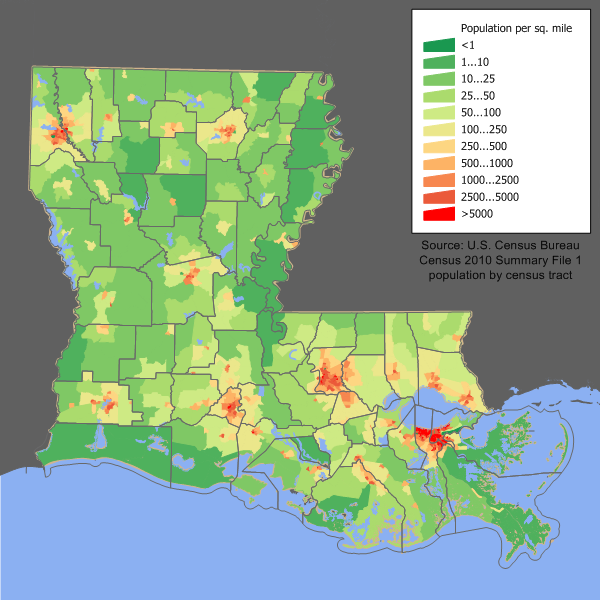
As of recent estimates, the population of Louisiana hovers around 4.57 million people. While this number places it among the mid-sized states in terms of population, its significance extends far beyond its numerical value. This population is distributed across diverse regions, creating distinct cultural pockets and economic centers that drive its tourism industry. From the cosmopolitan energy of New Orleans to the Cajun heartland of Acadiana and the industrial might of Baton Rouge, the people of Louisiana are the custodians of traditions, the innovators of cuisine, and the architects of unforgettable travel experiences. This article will delve into how the state’s population figures, distributions, and cultural diversity directly influence everything from its popular destinations and iconic landmarks to its accommodation options and local lifestyle, making it an indispensable element of the travel narrative.
Louisiana’s Demographic Tapestry: A Foundation for Travel
The population of Louisiana is not monolithic; it is a rich tapestry woven from centuries of diverse influences. French, Spanish, African, Indigenous, and Anglo-American cultures have all left indelible marks, contributing to a heritage unlike any other in the United States. This multicultural foundation is directly reflected in the state’s travel appeal, offering visitors a myriad of experiences that range from historic explorations to culinary adventures and vibrant musical journeys. The distribution of these 4.57 million people across the state directly dictates the character of its various regions, impacting infrastructure, local economies, and, crucially, the tourist experience.
The state has seen modest fluctuations in its population over recent decades, influenced by economic trends, natural disasters, and migration patterns. However, the core demographic trends underscore a concentration of people in certain key urban and suburban areas, while vast rural expanses maintain lower population densities, each offering distinct types of travel. This balance between densely populated cultural hubs and sparsely populated natural havens provides a comprehensive canvas for tourism development, catering to both the bustling city explorer and the serene nature enthusiast.
Urban Hubs: Where Culture Congregrates
The majority of Louisiana’s population resides in its major metropolitan areas, and these cities naturally serve as the primary magnets for tourism. New Orleans, the largest city by far, epitomizes this concentration. With a population pushing towards 400,000 within the city limits and over 1.2 million in its metropolitan area, New Orleans’s density fuels its legendary vibrancy. This concentrated population supports an unparalleled array of hotels, restaurants, live music venues like Preservation Hall, and cultural attractions, from the historic architecture of the French Quarter to the lively atmosphere of Bourbon Street. The sheer number of residents provides the workforce, the creative talent, and the daily life that make the city such a dynamic destination. Its diverse demographic mix, particularly the strong Creole and African American influences, is the very soul of its music, food, and festival culture, including the world-famous Mardi Gras.
Baton Rouge, the state capital and second-largest city, with a population exceeding 220,000, offers a different yet equally significant urban experience. As a political and educational hub, it draws a population of government workers, university students, and professionals, creating a more business-centric atmosphere complemented by cultural sites like the towering Louisiana State Capitol. Its demographic stability supports a range of accommodations and a burgeoning culinary scene, making it an important stop for both business and leisure travelers.
Other significant cities like Shreveport in the northwest, Lafayette in the heart of Acadiana, and Lake Charles in the southwest each boast substantial populations that give them distinct identities. Shreveport offers a blend of Southern charm and riverfront entertainment, while Lafayette is the undisputed capital of Cajun culture, where the local population’s heritage defines every aspect of life, from music to food. Lake Charles is known for its burgeoning casino resorts and petrochemical industry, attracting a population mix that supports a lively entertainment scene. These urban centers, defined by their populations, act as crucial nodes in Louisiana’s travel network, each offering a unique glimpse into the state’s diverse urban lifestyles.
Rural Rhythms: Exploring Beyond the Cities
While the major cities capture significant attention, a considerable portion of Louisiana’s population resides in its smaller towns and rural parishes, scattered across the state’s vast natural landscapes. These less densely populated areas offer a stark contrast to the urban bustle and are critical for travelers seeking authentic, off-the-beaten-path experiences. The sparse distribution of people in these regions directly influences the types of travel and accommodation available. Here, you’ll find charming bed and breakfasts, rustic cabins, and small, family-run establishments rather than towering hotel chains.
The rural populations are often deeply connected to the land and the water, preserving traditions that are centuries old. In areas like the Bayou Lafourche region or the communities surrounding the Atchafalaya Basin, the rhythms of life are slower, dictated by fishing, trapping, and agriculture. Travelers can engage in ecotourism, taking swamp tours guided by locals who have lived on these waters for generations. Historic plantation homes, such as Laura Plantation and Oak Alley Plantation, stand as testaments to bygone eras, often maintained by descendants of the original inhabitants or dedicated historical societies within these rural communities.
Towns like Monroe in the north, Alexandria in central Louisiana, and historic Natchitoches, the oldest permanent settlement in the Louisiana Purchase territory, exemplify the charm of smaller population centers. Opelousas, another historic town, is a hub for Creole music and culture. These communities, though smaller in population, are treasure troves of local culture, offering intimate insights into the everyday life of Louisianans, their unique dialects, their folk traditions, and their unwavering hospitality. The slower pace and genuine connection to heritage found in these areas make them ideal for travelers seeking an immersive cultural experience far removed from mainstream tourism.
Population Dynamics and the Tourism Sector
The size and distribution of Louisiana’s population are fundamental drivers of its tourism sector. A larger, diverse population base in cities like New Orleans and Baton Rouge means a more robust service industry, a greater variety of culinary options, and a continuous stream of cultural events that draw visitors. Conversely, the sparser populations in rural areas foster a tourism model centered on natural beauty, heritage preservation, and authentic local interactions. These dynamics influence investment in hospitality infrastructure, the development of attractions, and the marketing strategies employed to draw both domestic and international visitors. The local population doesn’t just host tourists; they are an integral part of the attraction, their lifestyles, traditions, and entrepreneurial spirit shaping the very experiences available.
Accommodating the Masses and the Niche Traveler
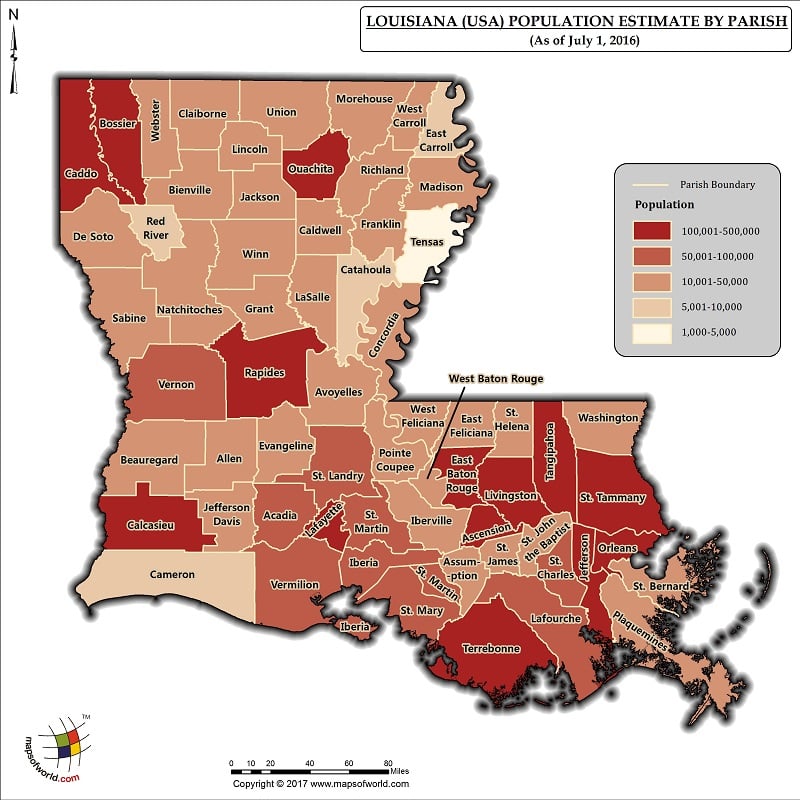
The number of residents directly correlates with the demand for and type of accommodation found across Louisiana. In heavily populated tourist destinations like New Orleans, the sheer volume of visitors, often driven by large events such as Mardi Gras or the New Orleans Jazz & Heritage Festival, necessitates a vast array of accommodation options. Here, one can find luxury resorts like The Roosevelt New Orleans, A Waldorf Astoria Hotel, The Ritz-Carlton, New Orleans, or Hotel Monteleone. Boutique hotels such as W French Quarter or The Eliza Jane, in The Unbound Collection by Hyatt, offer unique stays in historic buildings, while global brands like Hilton New Orleans Riverside, Hyatt Regency New Orleans, Marriott New Orleans, and Renaissance New Orleans Arts Warehouse District Hotel provide extensive facilities for large groups and business travelers. The high population density supports this competitive market, leading to diverse choices for every budget and preference.
Beyond the major cities, the accommodation landscape shifts, mirroring the population distribution. In smaller towns and rural areas, the options lean towards quaint bed and breakfasts, guesthouses, and vacation rentals, often offering a more personalized and intimate experience. The scarcity of large hotels outside urban cores means travelers often immerse themselves more deeply in local life. Long-term stay options, such as furnished apartments or villas, also exist, catering to a growing segment of visitors, including remote workers or those seeking extended cultural immersion, particularly in areas with a stable local population base that can support such amenities. The state’s 4.57 million residents are both the providers and the occasional consumers of these diverse accommodation types, reflecting the varied lifestyles within Louisiana.
Landmarks and Local Life
Louisiana’s most iconic landmarks are often situated in its most populated areas, or at least in places that benefit from a stable local population for their upkeep and interpretation. Jackson Square and St. Louis Cathedral in the French Quarter are living testaments to New Orleans’s enduring history, continuously bustling with locals and tourists alike. The National WWII Museum, also in New Orleans, is another major draw, whose narrative is enhanced by the diverse visitors and locals who frequent it. In Baton Rouge, the Louisiana State Capitol is a landmark of political significance, accessible due to the city’s population and infrastructure.
Even natural landmarks are often preserved and made accessible through the efforts of nearby communities. The Atchafalaya Basin, the largest river swamp in the United States, is explored with the help of local guides from small, surrounding towns. The Mississippi River, a defining feature of Louisiana, has numerous towns and cities along its banks, whose populations interact with and celebrate the river’s heritage. The people of Louisiana don’t just exist alongside these landmarks; they infuse them with life, stories, and cultural significance, making the visit far more enriching for any traveler. Places like Avery Island, home to the famous Tabasco Factory, thrives because of the dedicated local workforce and the history passed down through generations.
Louisiana’s Lifestyle: An Extension of Its People
The lifestyle of Louisiana’s population is not merely a backdrop for tourism; it is the main event. The state’s unique character, often described as a blend of Southern charm, Caribbean flair, and European sophistication, stems directly from its diverse demographic history. This fusion has cultivated distinctive approaches to food, music, and celebration that captivate visitors and offer deep cultural immersion. Whether one seeks luxury travel or a budget-friendly family trip, the prevailing lifestyle shaped by the state’s residents will dictate the authenticity and flavor of the experience.
The influence of the Cajun and Creole populations, for instance, is pervasive. These communities, concentrated in specific regions, have maintained their languages, culinary traditions, and musical forms, creating a living cultural museum that is both accessible and deeply engaging. This cultural preservation, largely driven by local populations, ensures that travelers can experience truly unique aspects of American heritage.
Culinary Journeys Shaped by Demographics
Food is arguably Louisiana’s most famous export, and its distinctive cuisine is a direct reflection of its population’s heritage. The demographic divide between Creole cuisine, which evolved in cosmopolitan New Orleans with French, Spanish, African, and Caribbean influences, and Cajun cuisine, which developed in the rural bayous of Acadiana by descendants of French Acadians, showcases how population origins shape culinary identity. From rich gumbos and jambalayas to spicy étouffées and fresh seafood, the dishes tell a story of immigration, adaptation, and local resources.
The vibrancy of Louisiana’s food scene is sustained by its diverse population, from master chefs to home cooks, all contributing to a dynamic gastronomic landscape. Food festivals, which are ubiquitous throughout the state, are community events first and tourist attractions second, embodying the local lifestyle. These festivals—celebrating everything from strawberries to crawfish—are vibrant expressions of local pride and culinary tradition, attracting both residents and visitors eager to savor authentic flavors. The thriving restaurant scene, from high-end dining in the Garden District to humble roadside diners, is a testament to the local population’s passion for food and their willingness to share it.
Festivals, Music, and the Soul of Louisiana
Louisiana is often called the “Festival Capital of the World,” and its bustling calendar of events is a direct outcome of its population’s love for celebration and music. Mardi Gras, while internationally famous, is fundamentally a local tradition, organized and celebrated by the people of New Orleans and surrounding communities. The city’s 400,000 residents and the additional millions in the metropolitan area form the backbone of this massive celebration, participating in krewes, parades, and street parties.
Beyond Mardi Gras, the state pulses with music. New Orleans is the birthplace of jazz, and its enduring musical legacy is maintained by a vibrant community of musicians and music lovers. Blues clubs, brass bands, and street performers in the French Quarter are not just tourist spectacles; they are living expressions of local culture. Similarly, in Acadiana, the sounds of zydeco and swamp pop fill dance halls, played by local musicians for local crowds, welcoming visitors to join in the unique dance hall experience. Major events like the New Orleans Jazz & Heritage Festival and the Essence Festival draw hundreds of thousands, showcasing the state’s musical depth and cultural dynamism, all sustained by the enthusiasm of its diverse population.
The Future of Louisiana’s Population and Tourism
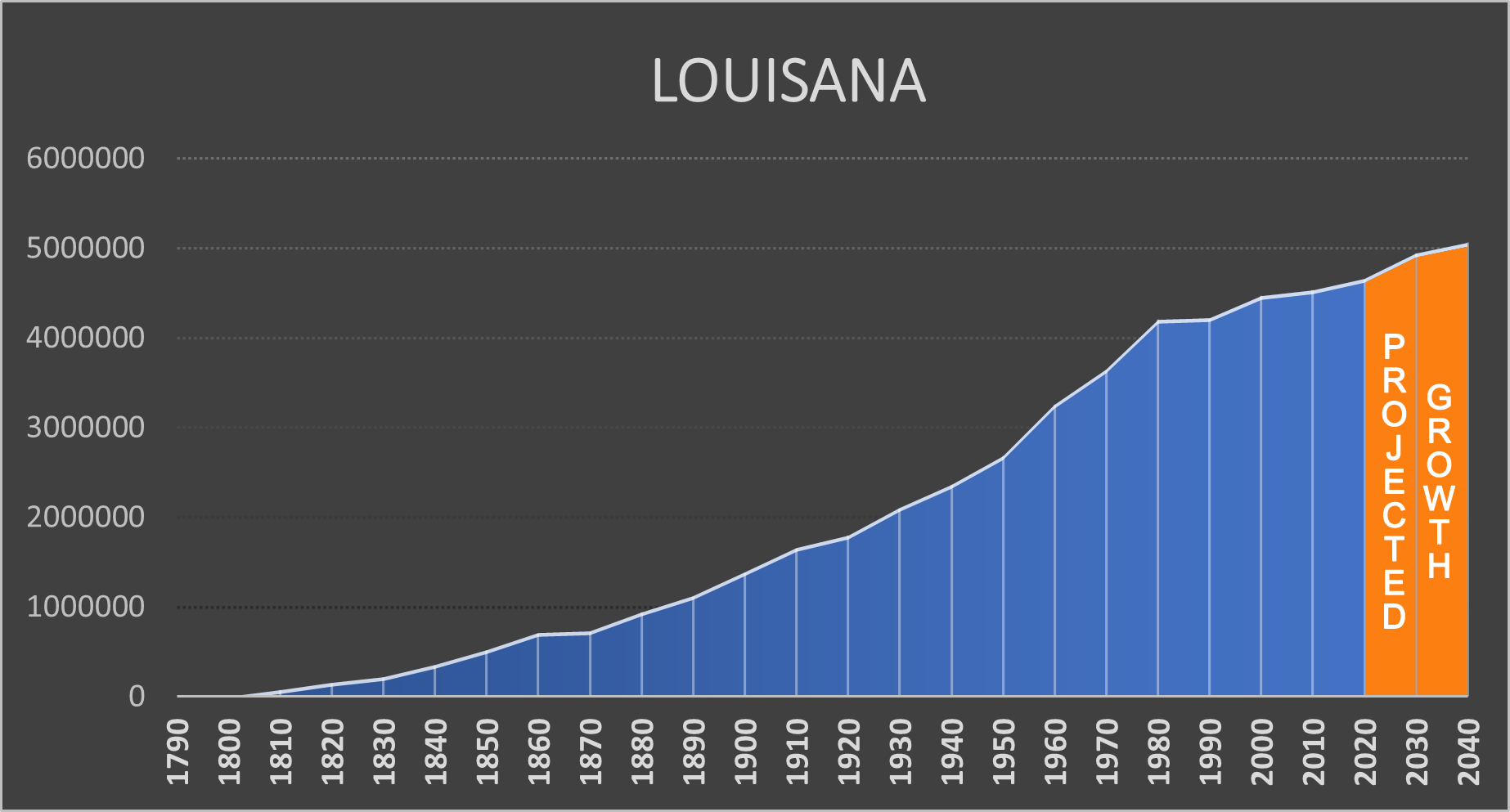
Looking ahead, the evolving demographic landscape of Louisiana will continue to shape its tourism future. While some parts of the state have faced population shifts due to economic factors or natural disasters, efforts to rebuild and revitalize communities often intertwine with tourism initiatives. As populations move or change, new opportunities arise for niche tourism markets, such as agritourism in rural areas or heritage tourism that focuses on specific cultural groups. The challenge and opportunity lie in balancing modern development with the preservation of the unique cultural assets that are so deeply tied to the local populations.
Sustainable tourism practices will become increasingly important, ensuring that the influx of visitors does not overwhelm the local communities or detract from the authenticity that makes Louisiana so special. Engaging local populations in the planning and execution of tourism strategies is vital to maintaining this delicate balance, ensuring that the benefits of tourism are broadly shared and that the state’s distinct character continues to thrive.
In conclusion, “What is the population of Louisiana?” is a question that opens the door to understanding the very heart and soul of this captivating state. Its approximately 4.57 million residents are not just numbers; they are the vibrant threads that weave together its rich tapestry of culture, cuisine, music, and history. From the grand hotels of New Orleans to the rustic charm of its bayou towns, every travel experience in Louisiana is deeply influenced by its people. Their stories, traditions, and hospitality are the true landmarks, making Louisiana an unforgettable destination that continuously invites travelers to come and laissez les bons temps rouler – let the good times roll.
LifeOutOfTheBox is a participant in the Amazon Services LLC Associates Program, an affiliate advertising program designed to provide a means for sites to earn advertising fees by advertising and linking to Amazon.com. Amazon, the Amazon logo, AmazonSupply, and the AmazonSupply logo are trademarks of Amazon.com, Inc. or its affiliates. As an Amazon Associate we earn affiliate commissions from qualifying purchases.