
The allure of the black license plate in California transcends mere vehicle identification; it’s a statement, a nod to automotive history, and a touch of timeless style that resonates deeply with residents and car enthusiasts alike. Far more than just a piece of metal, these plates evoke a sense of nostalgia, harkening back to the Golden State‘s rich motoring heritage. For many, acquiring a black plate is a quintessential aspect of curating their vehicle’s aesthetic, seamlessly blending classic charm with modern sophistication. This comprehensive guide will navigate you through the process, requirements, and considerations for obtaining your very own black license plate, ensuring your vehicle stands out with that iconic California flair.
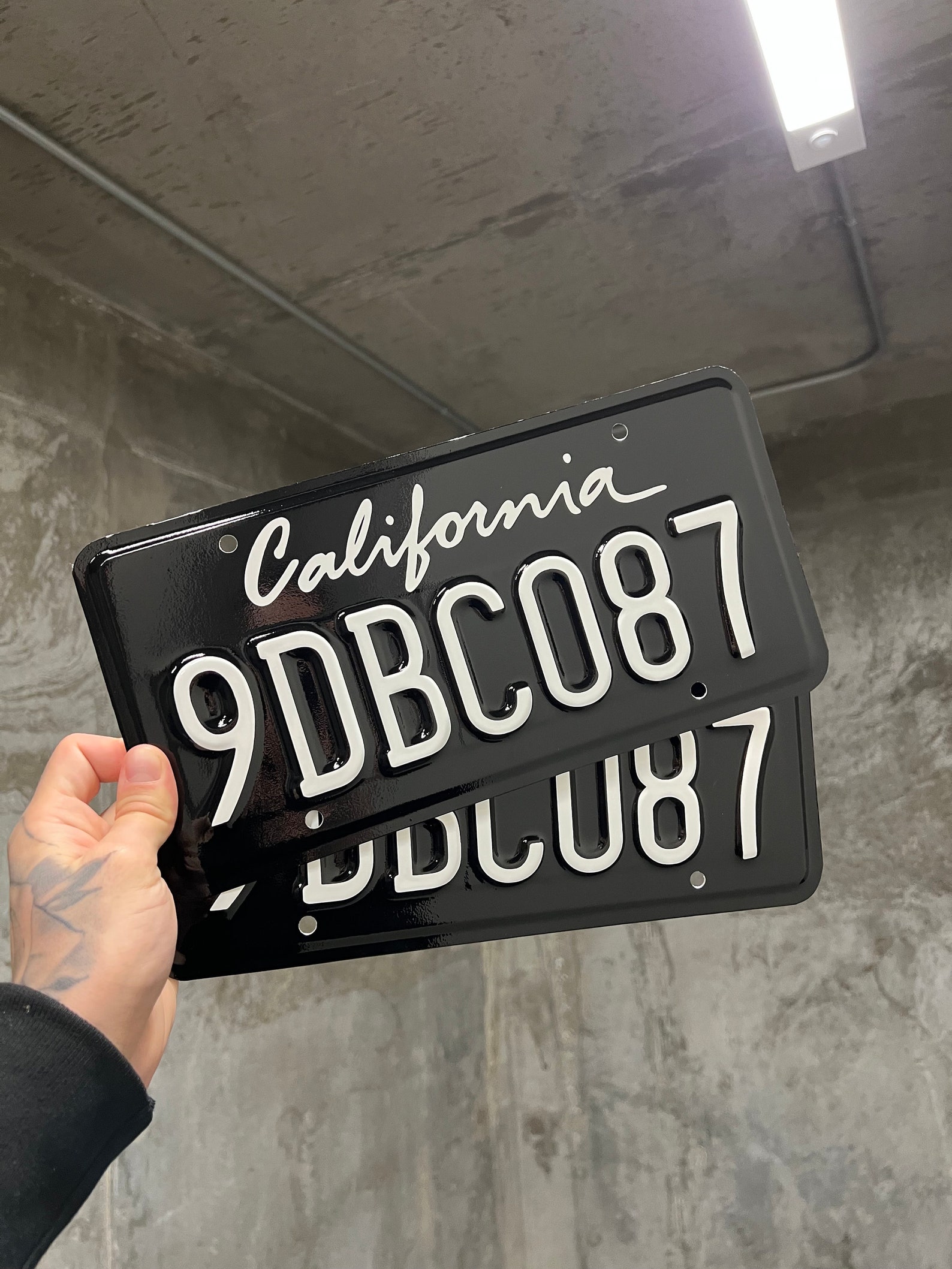
The Enduring Appeal of California’s Black License Plates
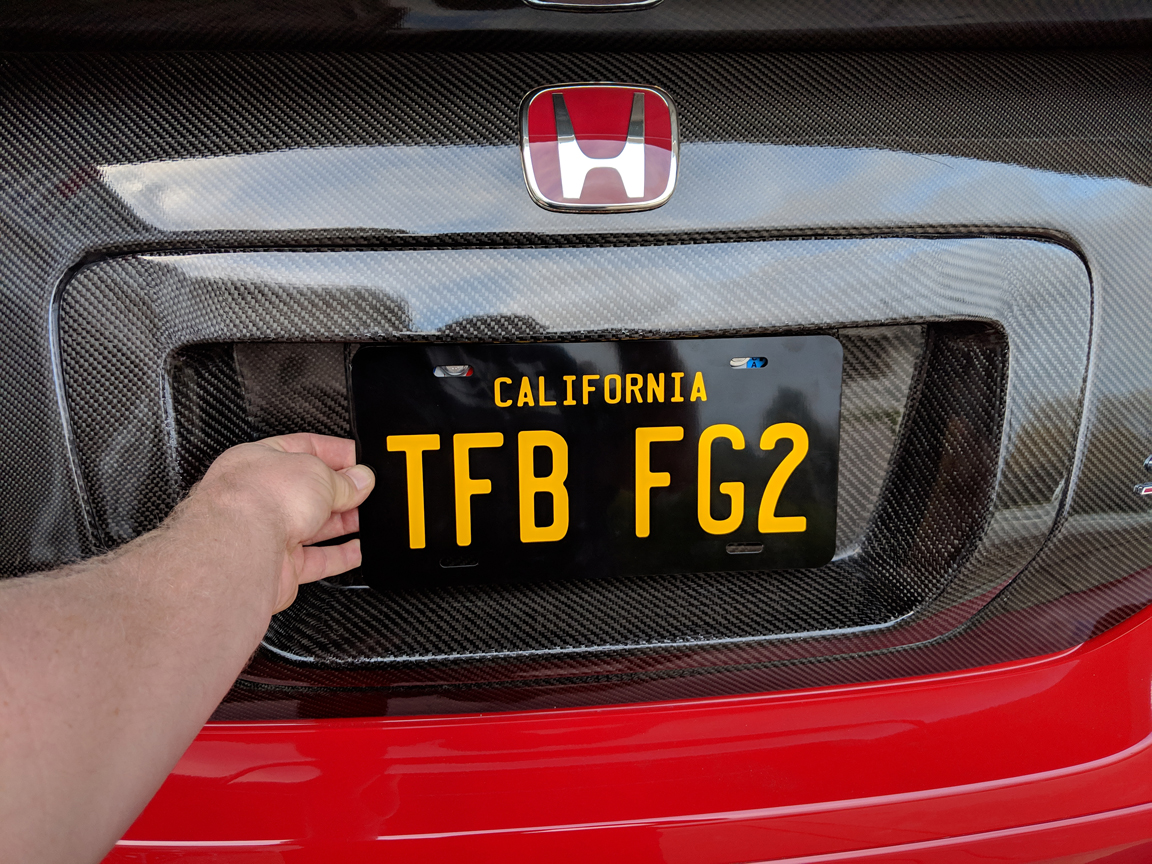
The black license plate with yellow lettering holds a unique place in the hearts of California drivers. Originally issued from 1963 to 1969, these plates became synonymous with an era of iconic cars and carefree cruising. Their resurgence in popularity led to the establishment of the Legacy License Plate Program, allowing current vehicle owners to capture that retro aesthetic for their modern rides.
A Journey Through Automotive History
The original black license plates were a standard issue for all new vehicles registered in California during the mid-to-late 1960s. This period is often celebrated as a golden age for automotive design, giving rise to muscle cars, classic convertibles, and distinctive sedans that are still revered today. The simplicity of the black background with contrasting yellow characters offered a clean, legible, and ultimately stylish presentation that proved timeless. As vehicle aesthetics evolved, so did license plate designs, with subsequent iterations featuring blue, white, and various graphic elements. However, the black plate retained a special place in collectors’ hearts and vintage car circles. The decision by the California legislature to reintroduce these plates was a direct response to overwhelming public demand, recognizing their cultural significance and enduring appeal as a lifestyle choice.
Aesthetics and Personal Expression
Beyond historical reverence, the primary draw of the black license plate today is its aesthetic versatility. It complements a vast range of vehicle colors and styles, from vintage restorations and hot rods to contemporary luxury cars and electric vehicles. The monochrome palette provides a subtle yet striking contrast that often enhances the vehicle’s lines and paintwork without being overly flashy. For many car owners, their vehicle is an extension of their personality and a canvas for self-expression. Opting for a black license plate is a deliberate choice to imbue their vehicle with a sophisticated, understated elegance or a bold, retro vibe. It signifies an appreciation for classic design and a desire to differentiate their car from the standard white or blue plates seen across the state. This personalization aspect firmly places the black plate within the realm of automotive lifestyle and taste.
Understanding California’s Legacy License Plate Program
The reintroduction of the black license plate was made possible through the Legacy License Plate Program, officially launched by the California Department of Motor Vehicles (DMV). This program offers vehicle owners the opportunity to obtain historically accurate license plate designs for current vehicle registrations, providing options beyond the iconic black and yellow.
Genesis and Purpose of the Program
The Legacy License Plate Program was enacted as part of Assembly Bill 1658 in 2012, allowing the DMV to issue replica plates from three specific periods: the 1950s (yellow plate with black characters), the 1960s (black plate with yellow characters), and the 1970s (blue plate with yellow characters). However, a crucial requirement for production was that a minimum of 7,500 pre-orders for a specific design had to be met. The black and yellow plate quickly surpassed this threshold, demonstrating its immense popularity, and became the first (and currently only) design to be produced under the program.
The program’s primary purpose is to offer drivers more options for personalizing their vehicles, tapping into the nostalgia for classic California license plate designs. It allows for the integration of historical aesthetics with modern registration practices, bridging the gap between past and present automotive cultures. It’s not just for classic cars; any registered passenger vehicle, commercial vehicle, motorcycle, or trailer in California is eligible.
Eligibility and Key Requirements
To be eligible for a black legacy license plate, your vehicle must be currently registered or pending registration with the California DMV. There are no restrictions based on the age of the vehicle; new cars, old cars, and everything in between can apply. The program is specifically designed to allow modern vehicles to sport these vintage designs.
Key requirements include:
- Active Registration: Your vehicle must have a valid California registration.
- Application Form: You must complete the appropriate DMV application form (REG 17L, Special Interest License Plate Application).
- Fees: A one-time application fee is required, along with an annual renewal fee to maintain the legacy plates. These fees contribute to various state programs, as outlined by the DMV.
It’s important to note that these are standard-issue plates, meaning they replace your existing plates. You cannot keep your old plates and acquire legacy plates simultaneously for the same vehicle unless the old plates are being retained for sentimental value (and not for display or use).
Step-by-Step Guide to Applying for Your Black Plate
Applying for a black legacy license plate in California is a straightforward process, primarily handled through the DMV. Following these steps will ensure a smooth application and help you get those iconic plates on your vehicle.
Gathering Necessary Information and Forms
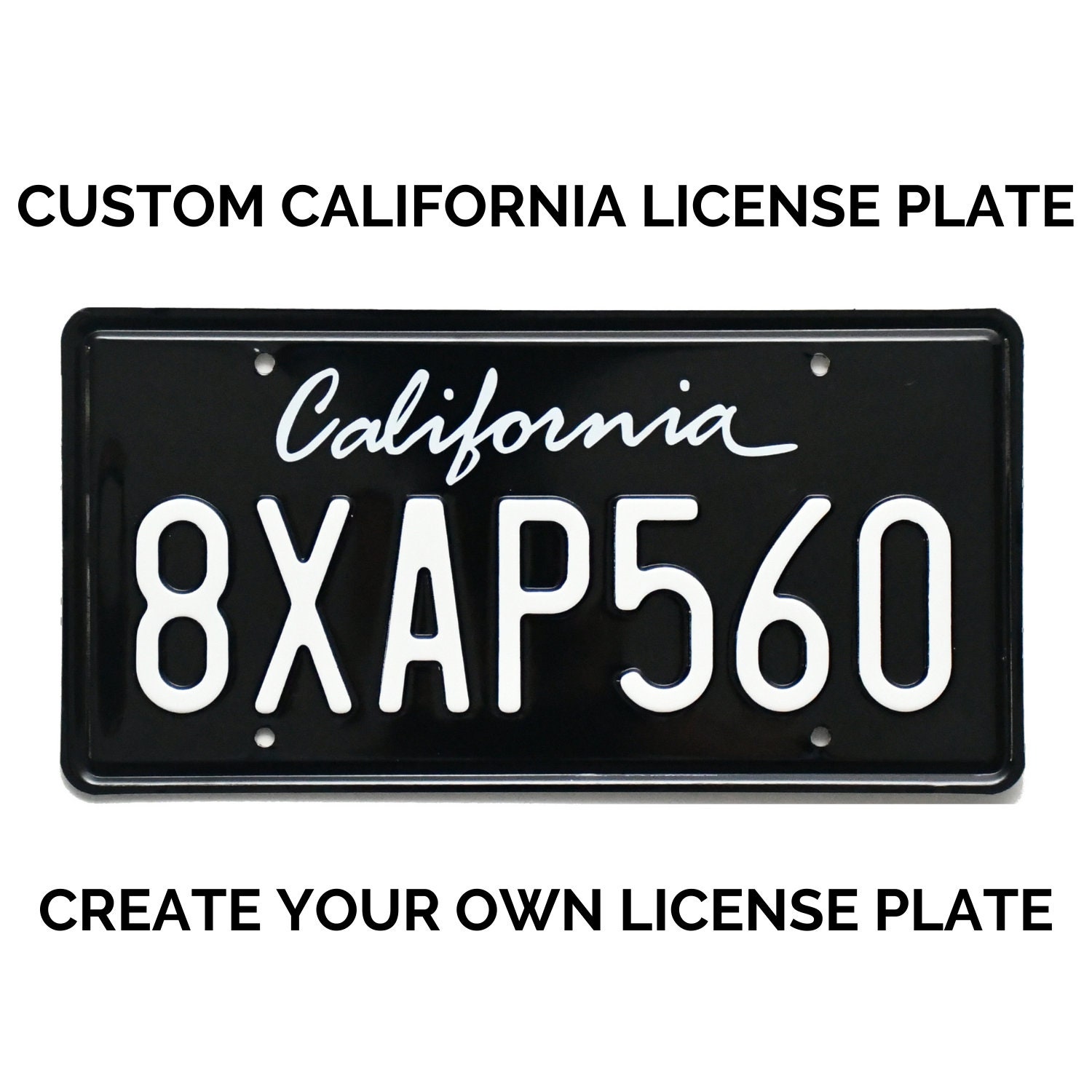
Before you begin, ensure you have your vehicle’s current registration information, including your license plate number and vehicle identification number (VIN). The primary form you’ll need is the REG 17L, titled “Special Interest License Plate Application.” This form is specifically designed for various specialized plates, including the legacy series. You can download it directly from the California DMV website or pick one up at any local DMV office.
Tips for filling out REG 17L:
- Section 1 (Applicant Information): Fill in your name, address, and contact details exactly as they appear on your vehicle registration.
- Section 2 (Vehicle Information): Provide your current license plate number, VIN, and vehicle year/make.
- Section 3 (License Plate Selection): This is where you specify you want the “Legacy License Plate” and select the “1960s Legacy Plate” option for the black and yellow design.
- Personalization: If you desire a personalized (vanity) black plate, there’s a specific section to indicate your desired combination of letters and numbers. Be aware that personalized plates come with additional fees.
Submitting Your Application and Fees
Once the REG 17L form is accurately completed, you have a few options for submission:
- Mail: The most common method is to mail your completed application form along with a check or money order for the required fees to the address specified on the form, usually the DMV in Sacramento.
- In Person: You can submit your application and payment at any DMV office. While this allows for immediate verification of your paperwork, it might involve waiting times.
- Online (for renewals/replacements): While initial applications typically require mail or in-person submission, some aspects of special plate management, like renewals or replacements, might be manageable online via the official DMV portal once the plates are established.
Current Fee Structure (subject to change by DMV):
- Original Application Fee: Typically around $50.
- Personalized Plate Fee (if applicable): An additional annual fee, usually around $40, which is prorated for the first year.
- Annual Renewal Fee: Approximately $40, payable each year in addition to your standard vehicle registration renewal.
Always verify the exact fee amounts on the DMV website or directly with their office, as these figures can be updated.
What to Expect After Application
After submitting your application for a black legacy license plate, the process transitions to a waiting period. Understanding the typical timelines and procedures will help manage expectations.
Processing Times and Delivery
The DMV manufactures special plates in batches, which means there’s a production lead time. Generally, once your application is processed and approved, it can take anywhere from 8 to 12 weeks for your new plates to be manufactured and mailed to you. During peak periods or due to unforeseen circumstances, this timeline could extend.
- Confirmation: You might receive an email or mail confirmation from the DMV that your application has been received and is being processed.
- Shipping: Plates are typically mailed directly to the address on file with your vehicle registration. Ensure your mailing address is up-to-date with the DMV to avoid delivery issues.
- Temporary Paperwork: The DMV does not issue temporary paper plates for special interest plates like the legacy series. You must continue to display your current, valid license plates until your new black plates arrive.
Plate Installation and Renewal
Once your black legacy license plates arrive, the process is simple:
- Installation: Remove your old plates and securely attach the new black plates to your vehicle. Remember to place the current year and month sticker (which will arrive with your new plates or separately if renewing) on the designated area of the rear plate.
- Old Plates: It is generally recommended to destroy or dispose of your old plates responsibly to prevent misuse. Some people choose to keep them as souvenirs, but they must not be displayed on a vehicle.
- Annual Renewal: The annual renewal fee for your black legacy plates will be included with your vehicle’s standard registration renewal notice each year. Paying this fee ensures the continued validity of your special plates. If you fail to pay the special plate fee, the DMV may issue you standard license plates upon your next renewal.
Beyond the Black Plate: Customization and Considerations
While the black legacy plate itself is a significant aesthetic upgrade, there are additional considerations and opportunities for further customization within the California DMV system.
Personalizing Your Black Legacy Plate
For those who want to take their personalization a step further, the black legacy plate is available with custom alphanumeric combinations. This allows you to choose a unique sequence of letters and numbers (within DMV guidelines for appropriateness and availability) to appear on your black plate.
- Availability: Personalized plates are subject to availability. You can check the availability of your desired combination directly on the DMV website using their online tool.
- Application: The personalized plate request is made on the same REG 17L form. You’ll indicate your preferred combination, and if approved, it will be manufactured onto your black legacy plates.
- Additional Fees: Personalized plates incur an additional annual fee, which is added to your existing legacy plate and standard registration renewal fees. This fee helps fund environmental programs in California.
Transferring and Maintaining Your Legacy Plates
- Transfer to a New Vehicle: If you purchase a new vehicle, you can transfer your black legacy plates to it. This typically involves completing a transfer application (often done during the new vehicle registration process) and paying a transfer fee. Your old vehicle will then require new plates (either standard or another special plate).
- Gifting/Selling Plates: License plates in California are tied to the owner, not just the vehicle. You generally cannot sell or gift your personalized plates to another individual directly. The plates are retired if not transferred to another vehicle registered to the same owner.
- Maintenance: Black plates, like all license plates, are exposed to the elements. While durable, occasional cleaning can help maintain their appearance. Avoid harsh chemicals that could damage the finish or lettering.
Acquiring a black license plate in California is more than a bureaucratic task; it’s an investment in a piece of automotive history and a distinctive expression of your personal style. By understanding the program, meticulously completing the application, and being aware of the process, you can effortlessly equip your vehicle with that coveted retro look. Your black legacy plates will not only distinguish your car on the road but also connect you to a rich legacy of design and driving culture that defines the Golden State.
LifeOutOfTheBox is a participant in the Amazon Services LLC Associates Program, an affiliate advertising program designed to provide a means for sites to earn advertising fees by advertising and linking to Amazon.com. Amazon, the Amazon logo, AmazonSupply, and the AmazonSupply logo are trademarks of Amazon.com, Inc. or its affiliates. As an Amazon Associate we earn affiliate commissions from qualifying purchases.