
Understanding Colorado’s Business Landscape
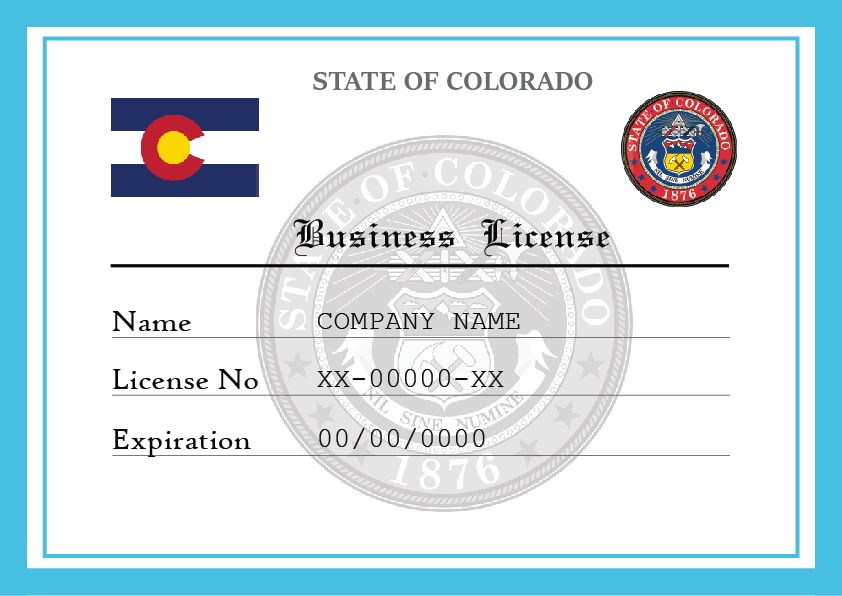
Embarking on a business venture in Colorado offers a vibrant tapestry of economic opportunities, set against a backdrop of stunning natural beauty and a forward-thinking populace. Known for its robust and diverse economy, innovative industries spanning technology, aerospace, renewable energy, and a thriving tourism sector, Colorado presents an attractive environment for entrepreneurs and established businesses alike. However, the path to successful operation mandates a clear understanding and meticulous adherence to the state’s business licensing and permit requirements. Unlike jurisdictions that might offer a single, overarching “state business license,” Colorado’s system is decentralized, necessitating a layered approach that involves state-level registrations, specific industry permits, and crucial local municipal or county licenses. Navigating this intricate framework is not just a legal obligation but a strategic component of a well-orchestrated business lifestyle.
Why Licensing Matters for Your Business Lifestyle
Securing the correct business licenses and permits is far more than a mere bureaucratic formality; it serves as the foundational bedrock for your business’s legitimacy and legal standing. Proper licensing ensures your enterprise complies with all applicable state and local regulations, safeguards consumer interests, and critically, shields your business from potential fines, legal disputes, or operational shutdowns. It is a tangible demonstration of your commitment to operating responsibly, ethically, and transparently within the competitive Colorado marketplace. For businesses striving for longevity, scalability, and reputable growth, this initial investment in compliance is an indispensable element, reflecting a proactive and disciplined approach to the entrepreneurial journey.
Key Steps to Obtaining Your Colorado Business License
The journey toward full licensure in Colorado is a systematic process that demands careful planning, precise execution, and a thorough understanding of your business’s unique operational needs and industry context.
1. Define Your Business Legal Structure
The inaugural and perhaps most pivotal step involves determining the legal structure of your business. This fundamental decision will profoundly influence your specific licensing requirements, tax obligations, administrative burden, and personal liability. Common business structures include:
- Sole Proprietorship: This is the simplest structure to form, where the individual and the business are legally one entity. While offering ease of setup, the owner bears unlimited personal liability for all business debts and obligations.
- Partnership: Formed by two or more individuals who agree to share in the profits or losses of a business. Partnerships can vary in complexity, from General Partnerships (where all partners share liability) to Limited Partnerships (LPs) or Limited Liability Partnerships (LLPs), which offer some liability protection.
- Limited Liability Company (LLC): A highly popular choice among small to medium-sized businesses, an LLC provides personal liability protection for its owners, effectively separating personal assets from business debts. It combines the pass-through taxation benefits of a sole proprietorship or partnership with the liability protection of a corporation.
- Corporation (S-Corp, C-Corp): Corporations are separate legal entities from their owners, offering the strongest liability protection. They are more complex to form and maintain, involving more stringent regulatory requirements and often more intricate tax structures.
For formal business entities such as LLCs, Corporations, and some types of Partnerships, you are required to register your entity with the Colorado Secretary of State. This registration formally establishes your business entity at the state level, creating its legal existence.
2. Secure Your Employer Identification Number (EIN)
An Employer Identification Number (EIN), issued by the Internal Revenue Service (IRS), is a nine-digit number that functions as a federal tax ID for your business. It is indispensable for most businesses, particularly if you plan to hire employees, operate as a corporation or partnership, or file certain excise tax returns. Even sole proprietorships without employees may opt for an EIN to simplify banking, establish business credit, or avoid using their personal Social Security number for business dealings. Obtaining an EIN is a straightforward online process through the Internal Revenue Service website and is a prerequisite for many subsequent registrations.
3. Register with the Colorado Department of Revenue
A significant number of businesses operating within Colorado must register with the Department of Revenue to fulfill state tax obligations. This registration is critical for collecting and remitting state sales tax, withholding employee income taxes, or complying with other specific industry-related taxes. If your business engages in the sale of tangible goods or certain taxable services, collects sales tax from customers, or has W-2 employees, this registration is a mandatory step. The Department of Revenue offers an intuitive online portal designed to streamline the registration and tax filing processes, making it easier for businesses to remain compliant.
4. Obtain Industry-Specific Licenses and Permits
Beyond the general state registrations, many professions and specific industries in Colorado are subject to additional, specialized licensing or permitting requirements. These can vary dramatically based on the nature of your business operations and the specific services or products you offer. Examples of such specialized requirements include:
- Professional and Occupational Licenses: Required for individuals practicing in fields such as real estate, law, healthcare, cosmetology, engineering, plumbing, or electrical contracting. These licenses often mandate specific educational backgrounds, examinations, and continuing education.
- Environmental Permits: Businesses involved in activities that could impact the environment, such as waste disposal, emissions, or water usage, may require permits from state environmental agencies.
- Food Service Licenses: Any establishment preparing or serving food, including restaurants, cafes, food trucks, and catering services, must obtain health permits and undergo regular inspections from local health departments.
- Childcare Licenses: Facilities offering childcare services are subject to stringent state licensing and safety regulations.
- Cannabis Industry Licenses: Colorado’s highly regulated cannabis sector demands rigorous state and local licensing for cultivation, manufacturing, testing, and retail operations.
Thorough research into your specific industry’s requirements is paramount. The Colorado Department of Regulatory Agencies (DORA) serves as an invaluable resource for information pertaining to a wide array of professional and occupational licenses.
Navigating Local Licensing Requirements
While securing state-level registrations establishes your business’s legal standing in Colorado, the majority of the “business licenses” that grant you the immediate authority to operate your physical establishment are issued at the local level by cities or counties. This phase introduces significant complexity, as requirements can diverge substantially from one municipality to another, reflecting unique local ordinances, zoning laws, and community priorities.
City and County Business Licenses: The Operational Permit
Nearly every city and county in Colorado mandates that businesses physically operating within its jurisdiction obtain a general business license. This local license is typically a comprehensive permit that often covers aspects such as adherence to local zoning ordinances, compliance with fire safety regulations, and general authorization for commercial operations. For instance, a business planning to open its doors in Denver will face a distinct set of city-level requirements compared to one setting up shop in Boulder, Colorado Springs, or a more rural county. The variations stem from different local needs, infrastructure, and development goals.
Key local-level permits and considerations often include:
- Zoning and Land Use Permits: Crucial for ensuring your chosen business location is properly zoned for your specific type of commercial activity. This is essential for physical storefronts, offices, manufacturing facilities, and even home-based businesses, which may have distinct regulations.
- Occupancy Permits: Certify that your business premises meet all applicable building and safety codes for its intended commercial use, often following inspections by local building departments.
- Signage Permits: If your business plans to install any exterior signage, even temporary banners, you will almost certainly require a separate permit to ensure compliance with local aesthetic and safety guidelines.
- Specialized Local Permits: Many municipalities issue unique permits for specific activities, such as operating outdoor patios, hosting public events, operating specific types of vending machines, or even permits for certain alarm systems.
Effective Research Strategies for Local Requirements
The most reliable approach to ascertain local licensing needs is to directly contact the city clerk’s office, the county government’s business licensing department, or the planning and zoning department of the specific municipality or county where your business will be situated. Their official websites typically provide comprehensive guides, application forms, fee schedules, and direct contact information for relevant departments like public health, fire safety, and environmental services. It is critical to avoid making assumptions based on experiences in other jurisdictions; each city and county in Colorado often possesses its own distinct set of ordinances and application procedures. A proactive phone call or visit can clarify ambiguities and prevent costly errors.
Maintaining Compliance and Renewal
Obtaining your initial suite of business licenses and permits is not the final step; sustained operational success in the dynamic Colorado business environment hinges on unwavering vigilance regarding compliance and timely renewals.
Annual and Periodic Renewals
The vast majority of business licenses and permits, both at the state and local levels, are not perpetual but require annual or periodic renewal. Neglecting to renew these crucial documents can result in a cascade of negative consequences, including significant late fees, escalating penalties, and, in severe cases, the suspension or revocation of your operating privileges. Implementing a robust tracking system, such as a dedicated compliance calendar or digital reminders, to monitor all renewal dates well in advance is highly advisable. While some state agencies and local governments offer courtesy email reminders, relying solely on these notifications can be precarious.
Staying Abreast of Regulatory Changes
The regulatory landscape governing businesses is not static. Laws and regulations, particularly those related to health, safety, environmental protection, and evolving industry standards, are subject to change. Businesses, especially those operating in fast-paced sectors like technology, specialized food services, or the cannabis industry, must proactively stay informed about any new or amended laws that could impact their operations and licensing requirements. Subscribing to relevant industry association newsletters, actively engaging with local chambers of commerce or business improvement districts, and regularly reviewing government agency websites (such as the Colorado Department of Regulatory Agencies and the Department of Revenue) are effective strategies for maintaining continuous compliance.
Adapting to Business Changes and Amendments
Should your business undergo significant structural or operational changes—such as a change in legal entity, ownership, physical location, or a substantial alteration to the scope of services or products offered—it is highly probable that you will need to update your existing licenses or apply for entirely new ones. Failing to promptly inform the relevant state and local authorities about these material changes can lead to severe compliance issues. For example, relocating your business from Denver to a neighboring city like Aurora would necessitate not only updating your state records but also securing entirely new city-level licenses and permits from Aurora before commencing operations there.
Resources and Support for Colorado Businesses
The process of navigating business licensing can appear formidable, yet Colorado entrepreneurs are fortunate to have access to a wealth of resources and support networks designed to simplify this journey.
State and Local Government Portals
The primary sources of information are the official state and local government websites. Agencies such as the Colorado Secretary of State, the Department of Revenue, and the Colorado Department of Regulatory Agencies offer extensive online portals featuring detailed instructions, frequently asked questions (FAQs), downloadable application forms, and online submission capabilities. Similarly, city and county government websites typically provide dedicated sections for business owners, outlining local licensing requirements and processes.
Small Business Administration (SBA) and SBDC Network
The U.S. Small Business Administration (SBA) is an invaluable federal resource, offering comprehensive guides on starting and growing a business, information on federal and state regulations, and connections to local support networks. Within Colorado, the statewide Colorado Small Business Development Center (SBDC) network, often affiliated with the SBA, provides free or low-cost confidential counseling, training, and technical assistance for small businesses across the state. SBDC advisors can offer personalized guidance on navigating licensing complexities, refining business plans, identifying funding opportunities, and formulating growth strategies, making them an indispensable asset for establishing and scaling a new venture in Colorado.

Professional Assistance
For businesses with complex legal structures, unique operational requirements, or those entering highly regulated industries, engaging with professional advisors can be a highly prudent investment. Legal counsel specializing in Colorado business law can provide tailored advice, ensure all regulatory requirements are met, and even assist with the application process, minimizing legal risks and streamlining bureaucratic hurdles. Similarly, business consultants with expertise in specific industries or regional markets can offer strategic insights and practical guidance. While professional assistance involves an upfront cost, their specialized knowledge can save significant time, prevent costly errors, and ultimately foster a smoother, more confident, and compliant business lifestyle in Colorado.
Embarking on a business venture in Colorado is indeed an exciting journey filled with potential. By systematically and diligently addressing all licensing and permit requirements, entrepreneurs can construct a robust and legally sound foundation for their operations, ensuring unwavering compliance and confidently paving the way for sustained success in this dynamic and rewarding state.
LifeOutOfTheBox is a participant in the Amazon Services LLC Associates Program, an affiliate advertising program designed to provide a means for sites to earn advertising fees by advertising and linking to Amazon.com. Amazon, the Amazon logo, AmazonSupply, and the AmazonSupply logo are trademarks of Amazon.com, Inc. or its affiliates. As an Amazon Associate we earn affiliate commissions from qualifying purchases.