
The iconic guitar riff of Lynyrd Skynyrd’s “Sweet Home Alabama” is instantly recognizable, evoking images of open roads, southern charm, and a distinct sense of place. While the song itself is a musical masterpiece, learning to play its distinctive chords and melodies offers a rewarding experience for any aspiring guitarist. This guide delves into the fundamental techniques and song structure to help you master this classic rock anthem.
Understanding the Chord Progression
At its core, “Sweet Home Alabama” is built upon a deceptively simple yet incredibly effective chord progression. The song primarily utilizes three major chords: D, C, and G. This foundational trio forms the backbone of nearly every verse and chorus, making it an excellent choice for beginners looking to solidify their understanding of basic open chords.
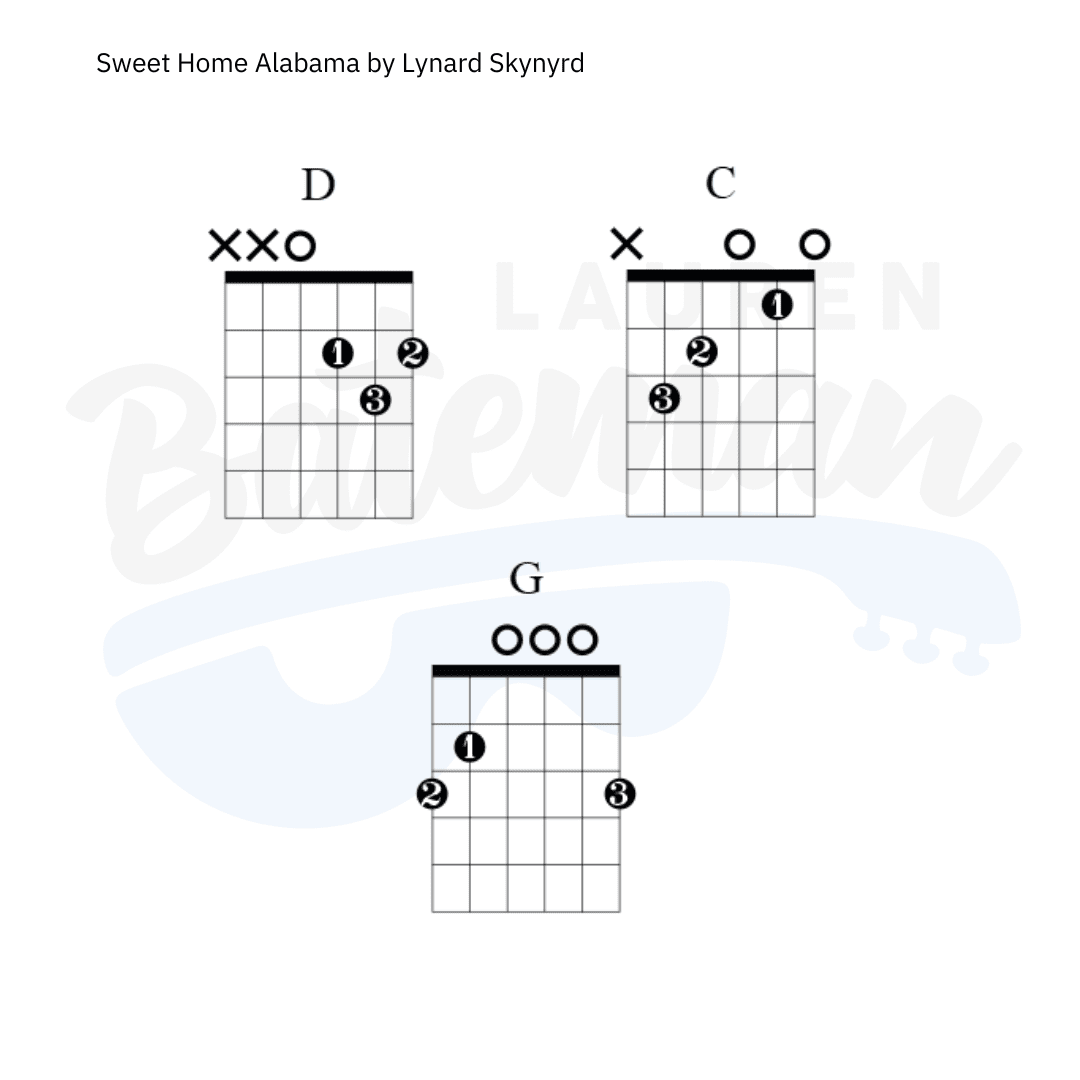
The D-C-G Foundation
The signature sound of “Sweet Home Alabama” originates from the repeated D-C-G pattern. This progression is not just common in rock music; it’s a cornerstone of many popular songs across various genres due to its pleasing sonic qualities.
- D Major: This is the tonic chord, providing a sense of home and stability. Its bright, open sound is central to the song’s feel.
- C Major: Moving from D to C creates a slight tension that resolves satisfyingly. This chord adds a bluesy, soulful flavor to the progression.
- G Major: The G chord serves as a dominant chord in this context, leading back strongly to the D, creating a cyclical and driving momentum.
The most common way this progression is played in “Sweet Home Alabama” is a repeating D-C-G sequence. However, variations exist, particularly in the bridge and solo sections. For the main verses and choruses, focus on mastering a smooth transition between these three chords.
Strumming Pattern Essentials
Beyond the chords themselves, the rhythm and strumming pattern are crucial to capturing the essence of “Sweet Home Alabama.” The song features a driving, slightly syncopated rhythm that encourages a steady, unhurried feel.
A common strumming pattern that works well for this song is a simplified version of a common rock strum: Down, Down-Up, Up-Down-Up.
Let’s break this down:
- Down: A strong downstroke on the beat.
- Down-Up: Two quick strokes – a downstroke followed by an upstroke – in the space of the next beat.
- Up-Down-Up: Three quick strokes – an upstroke, then a downstroke, then an upstroke – filling the remaining beats of the measure.
Practice this pattern slowly, ensuring each strum is clear and the timing is consistent. Once you’re comfortable, apply it to the D-C-G chord progression. The key is to maintain a consistent energy throughout. Don’t be afraid to experiment with slight variations once you have the basic pattern down. Some guitarists prefer a slightly more laid-back feel, while others inject more aggression. The spirit of the song allows for personal interpretation.
Navigating the Song Structure
“Sweet Home Alabama” follows a fairly standard song structure, making it easier to follow once you understand its components. The typical arrangement includes verses, a chorus, a bridge, and instrumental solos.
Verse and Chorus Construction
The verses of “Sweet Home Alabama” are characterized by their narrative lyrics and the recurring D-C-G chord progression. The chorus, on the other hand, is the anthemic heart of the song, and it also relies heavily on the D-C-G sequence, often with a slight emphasis or variation to make it stand out.
- Verse: Play the D-C-G progression with the established strumming pattern. Focus on clear chord changes and maintaining the rhythmic flow.
- Chorus: The chorus might feature a slightly more energetic strumming pattern or a subtle emphasis on certain beats. The core chords remain the same, reinforcing the song’s main theme. The iconic line “Sweet home Alabama” is delivered with power and conviction over this progression.
It’s beneficial to listen intently to the song and try to replicate the subtle dynamics of the guitar parts during these sections. Pay attention to how the guitarists emphasize certain chords or use muted strums to create variations in texture.
The Iconic Bridge and Solo Section
The bridge of “Sweet Home Alabama” offers a melodic departure from the main verse-chorus progression. This section often introduces new chord voicings or a slightly different rhythmic feel, building anticipation for the guitar solos.
- Bridge Chords: While the exact chords can vary depending on the transcription, the bridge typically moves through a series of chords that offer a contrast to the D-C-G. A common interpretation involves chords like A, G, and D, often played with a more melodic approach. Learning these transition chords adds another layer of complexity and musicality to your playing.
- The Solo: The guitar solos in “Sweet Home Alabama” are legendary. While learning to replicate them note-for-note can be a significant undertaking, understanding the underlying chord changes during the solos is crucial. The solos generally follow the same D-C-G progression, allowing the guitarist to improvise or play pre-written melodic lines over this familiar foundation. Focus on pentatonic scales and bluesy bends for an authentic sound. Many online resources provide tablature for the famous solos, which can be invaluable for dedicated learners.
Key Guitar Techniques to Master

Beyond the basic chords and strumming, certain guitar techniques elevate a performance of “Sweet Home Alabama” from competent to captivating. These techniques are what give the song its distinctive character and energy.
The Open-String Riff
The most recognizable element of “Sweet Home Alabama” is its opening, and indeed recurring, guitar riff. This riff masterfully uses open strings to create a distinctive, almost slide-like sound without actually using a slide.
The riff is built around the D major pentatonic scale and involves specific hammer-ons and pull-offs. It often starts with a held D chord, followed by a series of melodic phrases that weave in and out of the chord.
A simplified approach to learning this riff involves focusing on the following:
- The “wah” sound: This is achieved by a quick hammer-on and pull-off on the D and G strings, mimicking the feel of a wah pedal.
- Melodic phrases: These short, catchy melodic fragments use notes from the D major pentatonic scale.
- Rhythm: The riff has a very specific rhythmic placement within the song’s overall beat.
Practicing this riff slowly, focusing on clean execution of the hammer-ons and pull-offs, is paramount. Listen to the original recording repeatedly, trying to isolate the guitar part and match the phrasing.
Palm Muting and Dynamics
To achieve the driving, percussive feel of “Sweet Home Alabama,” the strategic use of palm muting is essential. Palm muting involves resting the edge of your picking hand on the strings near the bridge of the guitar, creating a choked, thudding sound.
- Verses: Palm muting is often used during the verses to provide a rhythmic foundation without overpowering the vocals. It creates a sense of urgency and movement.
- Chorus: The chorus typically features less palm muting, allowing the chords to ring out more fully and creating a more open, anthemic sound.
- Dynamics: The contrast between muted and unmuted sections is crucial for the song’s emotional arc. Learning to control your picking intensity and the pressure of your palm on the strings will allow you to effectively shape the dynamics of your performance.
Slide Techniques and Embellishments
While not strictly necessary for a basic rendition, incorporating subtle slide techniques or embellishments can add significant authenticity to your playing. The song’s southern rock roots lend themselves well to bluesy bends and slides.
- Bends: Adding subtle bends to certain notes, especially on the higher strings, can mimic the vocal phrasing and add a soulful quality.
- Hammer-ons and Pull-offs: These are fundamental to executing the main riff and can be used throughout the song to add fluidity to chord changes and melodic passages.
- Slides: Small, quick slides between notes can add a bluesy flavor, particularly during solos or embellishments within the main progression.
Practice Strategies for Success
Learning any song requires dedication and a structured approach. “Sweet Home Alabama” is no exception, but its relative simplicity makes it an achievable goal for many guitarists.
Slow Practice and Repetition
The golden rule of learning guitar is slow and steady wins the race. Before attempting to play at full tempo, practice each section at a significantly reduced speed. This allows your fingers to develop muscle memory for the chord changes and the strumming patterns.
- Chord Transitions: Focus on making smooth, clean transitions between D, C, and G. Practice them in isolation until they feel automatic.
- Strumming Pattern: Ensure your strumming hand is developing a consistent rhythm. Play the pattern on muted strings if necessary to focus solely on the rhythm.
- Riff Accuracy: For the iconic riff, break it down into small phrases and practice each phrase repeatedly before connecting them.
Listening and Transcribing
Active listening is an indispensable tool for any musician. Immerse yourself in “Sweet Home Alabama.” Listen to different versions, focusing on the guitar parts. Try to identify where the chord changes occur, how the strumming pattern evolves, and the nuances of the lead guitar melodies.
- Isolate Guitar Tracks: If possible, find isolated guitar tracks online to hear the parts more clearly.
- Sing Along: Singing the melody while playing can help you internalize the song’s structure and timing.
- Tablature Resources: Utilize reputable guitar tablature websites and YouTube tutorials. However, always cross-reference them with your own listening to ensure accuracy.

Playing Along with the Recording
Once you feel comfortable with the individual components of the song, it’s time to put it all together by playing along with the original recording. This is where the real magic happens.
- Start with a Backing Track: Use a backing track that either removes the guitar or is slowed down initially.
- Gradually Increase Tempo: As your confidence grows, increase the tempo of the backing track until you can play along with the original song at full speed.
- Record Yourself: Recording your practice sessions is an excellent way to identify areas for improvement. You might discover rhythmic inconsistencies or sloppy chord changes that you don’t notice while playing.
Learning “Sweet Home Alabama” is more than just learning a song; it’s about understanding the fundamental building blocks of popular music and developing essential guitar techniques. By focusing on the chord progression, mastering the strumming patterns, and practicing the distinctive riffs, you’ll soon be well on your way to playing this beloved classic.
LifeOutOfTheBox is a participant in the Amazon Services LLC Associates Program, an affiliate advertising program designed to provide a means for sites to earn advertising fees by advertising and linking to Amazon.com. Amazon, the Amazon logo, AmazonSupply, and the AmazonSupply logo are trademarks of Amazon.com, Inc. or its affiliates. As an Amazon Associate we earn affiliate commissions from qualifying purchases.