
Embarking on the journey to obtain a California driver’s license is more than just navigating bureaucratic procedures; it’s about unlocking an unparalleled level of freedom and access in one of the most vibrant and diverse states in the United States. For residents, new arrivals, and even long-term visitors, a valid California driver’s license is an essential key to experiencing the full spectrum of what the Golden State has to offer. Whether you dream of cruising down the iconic Pacific Coast Highway, exploring the bustling metropolises of Los Angeles and San Francisco, or venturing into the serene wilderness of Yosemite National Park, a driver’s license empowers these travel and tourism aspirations.
This comprehensive guide is designed to simplify the process, helping you understand each step required by the California Department of Motor Vehicles (DMV). From initial eligibility to finally holding your license, we’ll cover the necessary documentation, tests, and practical tips, ensuring you’re well-prepared. Acquiring this credential is not merely a formality; it’s an investment in a lifestyle of discovery, offering the flexibility to choose your own accommodation – from luxury resorts in Napa Valley to charming boutique hotels in San Diego, or even remote villas in the desert near Palm Springs – and explore countless landmarks at your own pace.
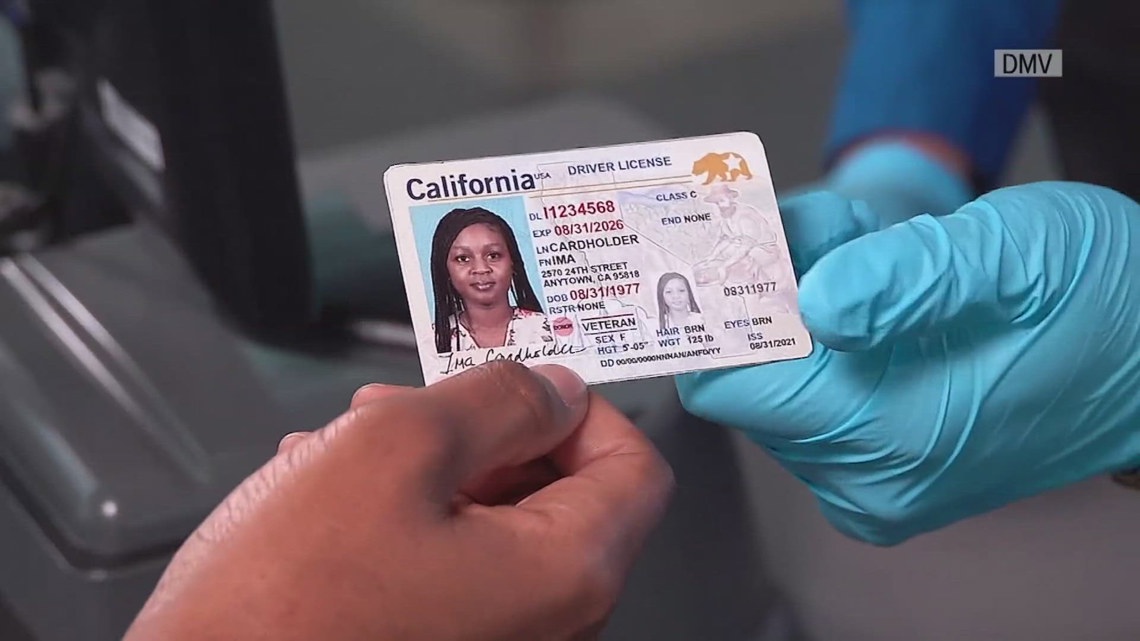
Understanding the California DMV Process: Your First Steps to Freedom
The journey begins with understanding the fundamental requirements set forth by the California DMV. This initial phase is crucial for establishing your eligibility and preparing the necessary paperwork, which can often be the most daunting part of the entire process. Proper preparation at this stage can significantly streamline your subsequent visits to the DMV and prevent unnecessary delays.
Eligibility and Initial Requirements
Before you even think about taking tests, you must meet certain basic eligibility criteria. Generally, applicants must be at least 18 years old to obtain a standard driver’s license without restrictions (though provisional licenses are available for minors). Crucially, you must prove your residency in California. This isn’t just a formality; it signifies your commitment to the state’s rules and regulations. For many new residents, particularly those who have moved for work, study, or to embrace the California lifestyle, this step marks a true transition. The ability to drive legally within the state boundaries will enhance everything from daily commutes to weekend getaways, making it easier to access hidden gems and popular tourist attractions alike.
For international visitors or those with foreign licenses, the rules can vary. While some may drive with their existing license for a limited period, obtaining a California license often becomes a necessity for longer stays or permanent residency. It provides not just legal compliance but also a universally recognized form of identification within the state and beyond. The ease of renting a car for a road trip through Big Sur or visiting family in Sacramento becomes seamless with a local license.
Gathering Your Essential Documents
This is perhaps the most critical step. The DMV requires several documents to verify your identity, residency, and legal presence in the United States. Without these, your application cannot proceed.
You will need:
- Proof of Identity: This typically means an original or certified copy of a birth certificate, U.S. passport, or a foreign passport with a valid U.S. visa and I-94 form. For those who enjoy international travel, ensure your travel documents are up-to-date and easily accessible.
- Proof of Residency: Two different documents proving your California address are usually required. Examples include utility bills, rental agreements for your apartment or home, mortgage statements, or bank statements. These documents confirm your presence, solidifying your connection to the diverse communities, from the tech hubs of Silicon Valley to the artistic enclaves of Malibu.
- Proof of Social Security Number (SSN): Your Social Security card or a document containing your SSN (e.g., W-2 form, pay stub) is necessary.
- Proof of Legal Presence: For non-U.S. citizens, this involves documents like a Green Card, employment authorization document (EAD), or other immigration papers.
- The Application Form (DL 44): While you can fill out most of the application online, you’ll finalize and sign it at the DMV office.
It’s highly recommended to make an appointment at the DMV online to save time. Be sure to arrive with all original documents, as copies are generally not accepted. This meticulous preparation will set the stage for a smooth process, allowing you to quickly move towards the exciting prospect of driving to experience California’s incredible array of hotels, restaurants, and natural landmarks.
Navigating the Written and Vision Exams
Once your documents are in order and your application is submitted, the next phase involves testing your knowledge and eyesight. These exams are foundational, ensuring that every driver on California’s roads possesses the necessary understanding of traffic laws and the physical ability to operate a vehicle safely. Passing these tests is a significant step towards unlocking your road trip adventures, whether it’s a scenic drive up to Lake Tahoe or exploring the vineyards of Napa Valley.
Mastering the California Driver’s Handbook
The written test assesses your comprehension of California’s traffic laws, road signs, and safe driving practices. The definitive resource for this is the official California Driver’s Handbook. This handbook is more than just a regulatory document; it’s a guide to responsible navigation within a state that offers incredibly diverse driving conditions – from dense urban traffic in Los Angeles to winding mountain roads in Sequoia National Park.
Dedicate ample time to studying the handbook. Many applicants find it helpful to take practice tests, which are widely available online, to familiarize themselves with the format and types of questions. Understanding concepts like right-of-way, speed limits, parking regulations, and the dangers of impaired driving is not just for the test; it’s crucial for your safety and the safety of others on the road. A strong grasp of these rules contributes to a smoother driving experience, allowing you to focus on enjoying the journey, whether you’re commuting to work or embarking on a family trip to Disneyland Resort. This knowledge base is fundamental to embracing the full potential of your driver’s license as a tool for independent travel and exploration across all of California’s captivating regions.
What to Expect at the DMV Office
Upon your arrival at the DMV (ideally with an appointment), you’ll complete the application process, pay the required fee, and then proceed to the vision test. This simple eye exam ensures your vision meets the state’s minimum standards for driving. If you wear glasses or contact lenses, be sure to wear them for the test. If necessary, you may be required to get an eye exam from an optometrist or ophthalmologist and have them fill out a DL 62 form.
Following the vision test, you’ll take the written knowledge test. This test is typically administered on a computer, though paper tests might be available. It consists of multiple-choice questions. For standard Class C licenses, you’ll usually need to answer a certain percentage of questions correctly to pass. Don’t rush; read each question carefully. If you fail, you generally have a couple more attempts, often after a waiting period, before you might need to re-apply and pay the fee again. Passing this stage is a huge milestone, proving your theoretical readiness to drive and opening the door to practical experience, allowing you to access various accommodations from coastal villas in Pismo Beach to mountain cabins near Kings Canyon National Park.
Acing Your Behind-the-Wheel Test
The final hurdle in obtaining your California driver’s license is the behind-the-wheel driving test. This practical examination evaluates your ability to safely operate a vehicle and demonstrate fundamental driving skills in real-world conditions. This is where your dreams of cruising past the Hollywood Sign or visiting the Monterey Bay Aquarium start to become a tangible reality, enabled by your newfound driving independence.
Vehicle Requirements and Test Preparation
Before you can take the driving test, you must ensure your vehicle meets specific requirements. The vehicle used for the test must be properly registered, insured, and in safe operating condition. This means all lights must work (headlights, tail lights, turn signals, brake lights), the horn must function, and the tires must be in good shape. Crucially, the vehicle must have working seatbelts for all occupants and a working brake pedal accessible to the DMV examiner from the passenger seat. You must also be accompanied by a licensed driver who is at least 18 years old (or 25 if accompanying a minor) and has a valid California driver’s license.
Thorough preparation is key. Practice common maneuvers you’ll encounter during the test:
- Pre-Drive Checklist: Know how to locate and operate lights, turn signals, horn, wipers, defroster, and emergency brake. The examiner will ask you to point them out.
- Basic Driving Skills: Demonstrate smooth acceleration and braking, proper steering, lane changes, and turns.
- Parking: Practice parallel parking and backing up in a straight line.
- Traffic Laws: Exhibit a clear understanding of traffic signs, signals, and right-of-way rules.
- Observation: Consistently check mirrors, blind spots, and be aware of your surroundings.
Consider driving in the area around your chosen DMV office to familiarize yourself with the typical test routes and potential challenges. Many driving schools offer lessons specifically designed to prepare you for the DMV test, which can be an excellent investment for those seeking a confident approach to their exam. This preparation not only helps you pass but also instills safe driving habits that will serve you well for a lifetime of travel and exploration across California’s diverse landscapes, from the busy streets of Beverly Hills to the peaceful roads of Joshua Tree National Park.
Practical Tips for Success
On the day of your test, arrive early with your valid permit, the vehicle you intend to use, and your accompanying driver. The examiner will conduct a brief vehicle inspection before the test begins. During the test, remain calm and focused. Listen carefully to the examiner’s instructions and demonstrate confidence, but not aggression, in your driving. Remember to exaggerate your head movements when checking mirrors and blind spots; this helps the examiner confirm you are actively observing.
Crucially, safety is paramount. Any action deemed unsafe, such as running a stop sign, failing to yield, or making a dangerous lane change, will likely result in an immediate failure. Even minor errors can accumulate, so strive for precision and caution. If you make a mistake, don’t dwell on it; simply correct it and continue driving safely. Passing the driving test is a transformative moment. It signifies not just your competence behind the wheel, but also your readiness to fully immerse yourself in the rich tapestry of California’s offerings. From spontaneous road trips to national parks like Death Valley to easier access to the best local food in San Francisco, your license truly enhances your ability to experience the state’s diverse tourism and lifestyle opportunities.
Special Considerations for New Residents and Travelers
For those making California their new home or visiting for extended periods, obtaining a local driver’s license often involves unique considerations. Understanding these nuances can ensure a smoother transition and full compliance with state and federal regulations, enhancing your ability to seamlessly integrate into the California lifestyle and enjoy all the state has to offer, from Universal Studios Hollywood to the tranquil beauty of the San Joaquin Valley.
Moving to California: What You Need to Know
If you’re a new resident moving to California from another state or country, you generally have a limited timeframe (typically 10 days for new residents from other states) to apply for a California driver’s license after establishing residency. While your out-of-state license might be valid for a short period, it’s crucial to initiate the transfer process promptly. This involves many of the same steps as a first-time applicant: proving identity, residency, and legal presence, passing the vision test, and taking the written knowledge test. However, if you have a valid driver’s license from another U.S. state, the behind-the-wheel driving test is typically waived.
For international new residents, the process is more akin to a first-time applicant, requiring all tests. This transition is a key part of setting up your life in California, providing the independence needed for everything from daily errands to exploring weekend destinations. Having a local license simplifies many aspects of daily life, including vehicle registration, insurance, and even checking into hotels or renting equipment for outdoor activities. It solidifies your presence and allows you to experience the freedom that defines so much of the California lifestyle.
The REAL ID Act and Your License
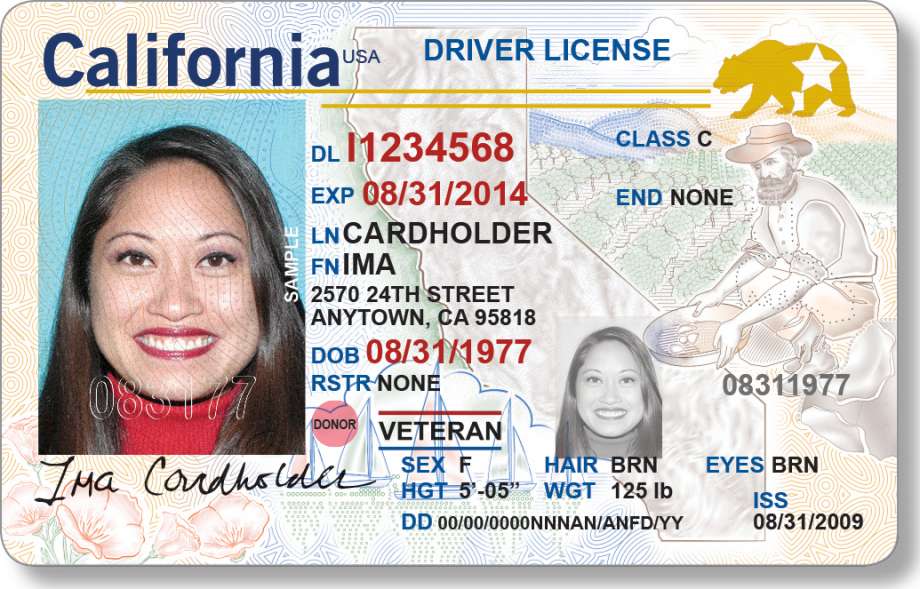
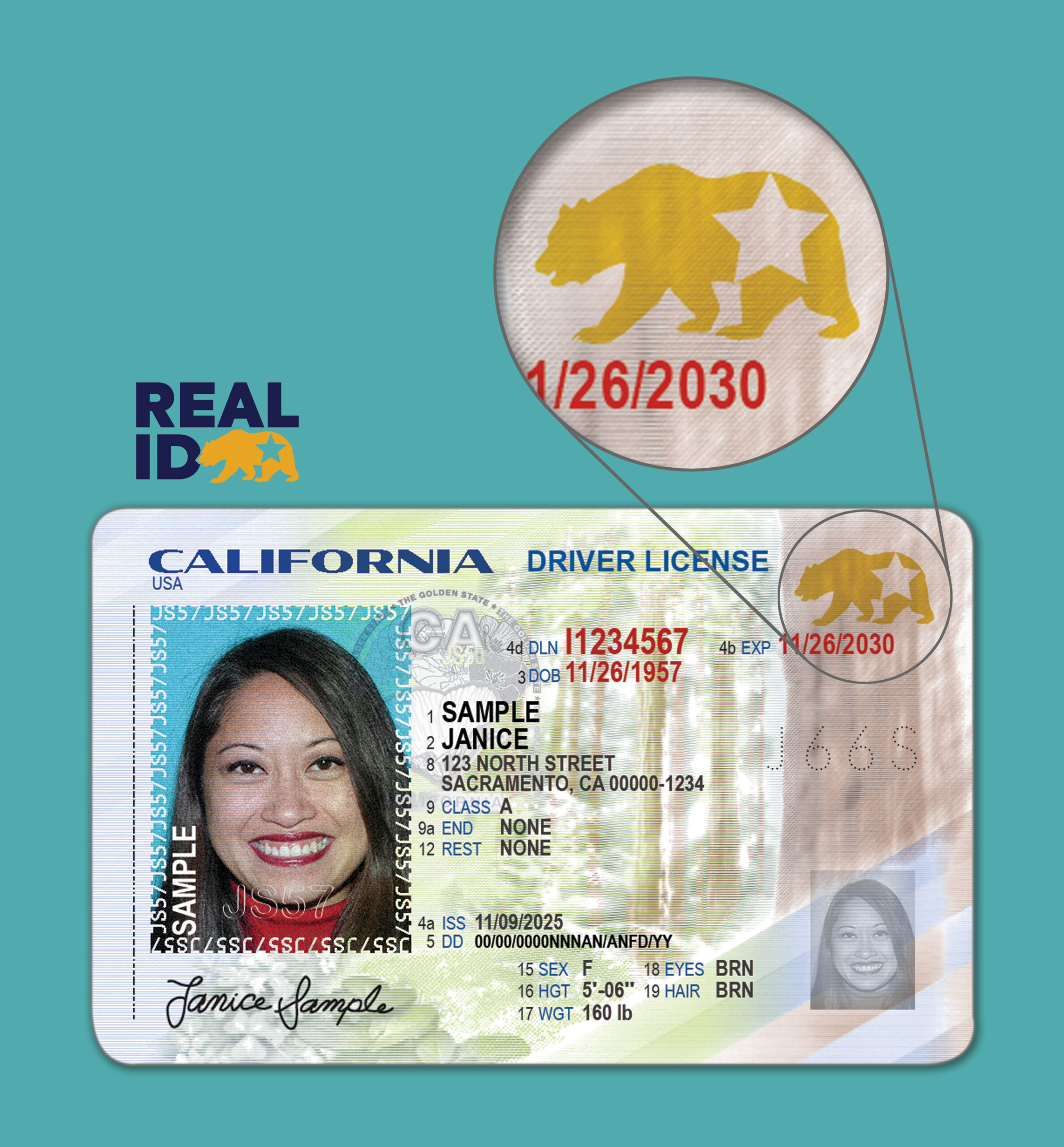
Since October 1, 2021, the Department of Homeland Security (DHS) began enforcing the REAL ID Act. This means that a standard California driver’s license or identification card may not be accepted as valid identification for boarding domestic flights or entering certain federal facilities. To comply, you will need a REAL ID-compliant driver’s license or ID card, a U.S. passport, or other accepted forms of identification.
When applying for your California driver’s license, you’ll be given the option to apply for a REAL ID. This requires presenting additional documentation, specifically proof of identity, two proofs of California residency, and proof of your Social Security number. The DMV website provides a comprehensive checklist, and it’s highly recommended to use their online document checker to ensure you bring everything needed. Obtaining a REAL ID-compliant license simplifies domestic air travel within the United States, making it easier for you to jet off for spontaneous getaways or business trips without worrying about alternative forms of identification. This seamless travel experience further enhances the flexibility and opportunities that come with having a California driver’s license, enabling you to explore more of what America has to offer, from cross-country road trips to short flights for weekend escapes.
Getting a California driver’s license is a rite of passage for many, opening doors to endless exploration and personal freedom. By carefully following the outlined steps, preparing thoroughly, and understanding the specific requirements for new residents and the REAL ID Act, you’ll be well on your way to navigating the Golden State’s roads with confidence and ease. This license is your ticket to experiencing California’s stunning landscapes, vibrant cities, and diverse cultural experiences – from surfing lessons along the coast to wine tasting tours inland, all at your own convenience.
LifeOutOfTheBox is a participant in the Amazon Services LLC Associates Program, an affiliate advertising program designed to provide a means for sites to earn advertising fees by advertising and linking to Amazon.com. Amazon, the Amazon logo, AmazonSupply, and the AmazonSupply logo are trademarks of Amazon.com, Inc. or its affiliates. As an Amazon Associate we earn affiliate commissions from qualifying purchases.