
Embarking on an entrepreneurial journey or seeking to monetize a passion project is a definitive lifestyle choice, one that often brings incredible freedom and flexibility. Whether you’re a digital nomad selling handmade goods online, a pop-up shop owner at local markets, or a small business owner aiming to establish roots, understanding the foundational requirements for doing business is paramount. In California, a crucial step for nearly any venture involving the sale of tangible personal property is obtaining a seller’s permit. This permit, issued by the California Department of Tax and Fee Administration (CDTFA), is not just a formality; it’s a gateway to legitimacy, compliance, and ultimately, sustainable growth for your lifestyle business.
Understanding the Seller’s Permit in Your Lifestyle Journey
For many, the dream of a self-directed lifestyle involves a degree of financial independence, often achieved through entrepreneurship. A seller’s permit is an integral part of this vision for anyone engaging in retail or wholesale activities within California.
Who Needs a Seller’s Permit?
The short answer is almost anyone selling tangible personal property in California. This includes a broad spectrum of individuals and entities:
- Online Entrepreneurs: If you sell physical products through an e-commerce platform, your own website, or social media, and your customers are in California, you generally need a permit. This applies whether you’re shipping from a warehouse or from your home office.
- Craftspeople and Artists: Those who create and sell their art, jewelry, apparel, or other crafts at fairs, festivals, galleries, or online.
- Pop-Up Shop Owners: Businesses that operate temporarily at various locations, from farmers’ markets to seasonal events.
- Wholesalers: If you buy products without paying sales tax (for resale) and then sell them to other businesses, you still need a permit to issue resale certificates and properly account for your transactions.
- Rental Businesses: If you rent out items that are ordinarily sold (e.g., party supplies, equipment), you might need a permit.
- Service Providers with Tangible Sales: Even if your primary business is a service, but you sell related products (e.g., a yoga studio selling mats, a salon selling hair care products), you’ll need a permit for those sales.
The overarching principle is that if you are a “seller” making “taxable sales” in California, you need a permit to collect and remit sales tax to the state. This is fundamental for maintaining a transparent and compliant business operation, a key aspect of a stress-free lifestyle.
Why It’s Crucial for Business Legitimacy
Beyond legal compliance, a seller’s permit adds a layer of professionalism and legitimacy to your business. It signifies that you are recognized by the state as a bona fide retailer, authorized to collect sales tax on its behalf. Without it, you cannot legally collect sales tax, which can lead to significant penalties, back taxes, and interest charges if discovered.
Moreover, having a permit allows you to purchase items for resale without paying sales tax yourself, using a resale certificate. This avoids double taxation and significantly impacts your business’s cash flow and profitability, enabling you to invest more in inventory, marketing, or even personal enrichment experiences that define your chosen lifestyle. It’s a cornerstone for any aspiring entrepreneur looking to build a sustainable and credible brand.
Distinguishing Between a Seller’s Permit and a Business License
It’s important to understand that a seller’s permit is distinct from a general business license. A seller’s permit, issued by the CDTFA, specifically authorizes you to sell tangible personal property and collect sales tax. A general business license, on the other hand, is typically issued by your city or county government and grants you permission to operate a business within that specific jurisdiction.
Depending on your business location and type, you might need multiple local licenses and permits in addition to the state seller’s permit. For instance, a food truck operating in Los Angeles would need a California seller’s permit, a Los Angeles city business license, and various health permits. Always check with your local city and county offices to ensure comprehensive compliance for your unique business lifestyle.
Navigating the Application Process: A Step-by-Step Guide
The good news is that applying for a California seller’s permit is a relatively straightforward process, designed to be accessible even for new entrepreneurs.
Information You’ll Need
Before you begin the application, gather the following information to ensure a smooth process:
- Social Security Number (SSN) or Federal Employer Identification Number (FEIN): Individuals operating as sole proprietors will typically use their SSN. Partnerships, corporations, and LLCs will use their FEIN.
- Business Name and Address: The legal name of your business and its physical location. If you operate solely online from home, your home address may suffice.
- Contact Information: Your phone number and email address.
- Business Type: Whether you’re a sole proprietorship, partnership, corporation, LLC, etc.
- Nature of Business: A brief description of what you will be selling (e.g., “handmade jewelry,” “vintage clothing,” “online electronics retail”).
- Estimated Monthly Sales: An honest estimate of your expected average monthly sales. This helps the CDTFA determine your filing frequency (e.g., quarterly, monthly).
- Bank Information: For security deposit purposes in some cases, although not always required upfront.
- Names and Information of Partners/Officers: If applicable, for partnerships or corporations.
- Start Date of Business: The date you began or plan to begin making taxable sales.
Having these details ready will expedite your application and minimize delays, allowing you to focus on the more exciting aspects of your entrepreneurial lifestyle.
Online Application Through the CDTFA Website
The most efficient and recommended method for obtaining your seller’s permit is through the CDTFA website.
- Visit the CDTFA Website: Navigate to the official CDTFA website (cdtfa.ca.gov).
- Access the Online Services Portal: Look for a section related to “Online Services” or “Register a New Business.” You will likely need to create an online account if you don’t already have one.
- Select “Register a New Business Activity”: Follow the prompts to begin your application for a seller’s permit.
- Complete the Application: Carefully fill in all the required fields with the information you gathered earlier. Be precise to avoid rejections or requests for additional information.
- Review and Submit: Before final submission, review all the details for accuracy. Once submitted, you’ll typically receive an immediate confirmation or a temporary permit number. The official permit often arrives via mail shortly thereafter.

The online application is designed for convenience, a key factor for those embracing a flexible, modern lifestyle. It allows you to apply from anywhere with an internet connection, whether you’re at home in San Diego, a co-working space in San Francisco, or even managing your business remotely.
In-Person or Mail-In Options
While the online method is preferred for its speed and simplicity, the CDTFA also offers in-person and mail-in options:
- In-Person: You can visit a CDTFA field office. This can be beneficial if you have complex questions or prefer direct assistance. Offices are located in major cities across California, including Sacramento, Los Angeles, and San Francisco.
- Mail-In: You can download the application form (CDTFA-400-SP) from the CDTFA website, fill it out, and mail it to the designated address. This method is slower and generally less convenient for most modern entrepreneurs.
Regardless of the method chosen, the permit itself is usually free to obtain, though the CDTFA may require a security deposit in certain circumstances, particularly for businesses deemed higher risk.
Key Considerations for Your Business Lifestyle
Obtaining the permit is the first step; maintaining compliance and leveraging its benefits are crucial for the ongoing success of your lifestyle business.
Sales Tax Collection and Remittance
Once you have your seller’s permit, you are legally obligated to collect sales tax on all taxable sales made within California.
- Understanding Sales Tax Rates: California has a statewide base sales tax rate, but local jurisdictions (cities and counties) can add district taxes. This means the actual sales tax rate you collect will vary depending on the specific location of your sale. For example, a sale in Orange County might have a different rate than a sale in Riverside County or Santa Clara County. It’s vital to use accurate sales tax calculation tools or services if you operate across different locales.
- Filing Frequency: Based on your estimated sales volume, the CDTFA will assign you a filing frequency (e.g., monthly, quarterly, annually). You must file your sales tax returns by the specified deadlines, even if you had no sales during the period.
- Trust Fund: The sales tax you collect is not your money; it belongs to the state. It is held in trust by your business until you remit it to the CDTFA. Proper accounting and segregation of these funds are critical to avoid legal complications.
Resale Certificate Benefits
One of the significant advantages of having a seller’s permit is the ability to issue a resale certificate. This allows you to purchase items from suppliers without paying sales tax, provided you intend to resell them in the regular course of your business.
- Avoiding Double Taxation: This prevents you from paying sales tax when you acquire inventory and then again when you sell it to your customers.
- Improving Cash Flow: By not paying sales tax on your wholesale purchases, you retain more capital for other business needs or personal investments, enhancing your lifestyle flexibility.
- Using Resale Certificates: When purchasing from a supplier, you’ll present your valid seller’s permit information and sign a resale certificate form, stating that the items are for resale. Always keep records of these transactions.
Maintaining Compliance
Compliance extends beyond just obtaining the permit and collecting tax.
- Accurate Record-Keeping: Maintain meticulous records of all sales, purchases (especially those for resale), and sales tax collected and remitted. This includes invoices, receipts, and bank statements. Good records are invaluable during audits and for managing your business finances.
- Timely Filing: Consistently file your sales tax returns by the due dates. Late filing or payment can result in penalties and interest.
- Updating Information: If your business name, address, or ownership changes, notify the CDTFA promptly.
Leveraging Your Permit for Growth and Flexibility
A California seller’s permit is more than just a regulatory hurdle; it’s an enabler for growth, offering the legitimacy needed to expand and adapt your business to your evolving lifestyle.
Expanding Your Business Across California
With a single statewide seller’s permit, you gain the authorization to sell tangible goods anywhere within California. This means you can participate in craft fairs in San Diego, set up a seasonal booth in Lake Tahoe (if that was linked, just an example), or ship products to customers in Eureka (another example of a city) without needing a new permit for each location. This geographical flexibility is invaluable for entrepreneurs whose lifestyle involves travel or exploring different markets.
Operating a Mobile or Online Business
For digital nomads or those who prefer a location-independent lifestyle, the seller’s permit is essential for online sales. Your physical base of operations might be in Sacramento, but your customers could be in Los Angeles, San Francisco, or anywhere else in California. The permit ensures you can legally conduct these transactions, collect appropriate sales tax based on the customer’s location, and confidently grow your e-commerce presence. For mobile businesses like food trucks or mobile boutiques, the permit is equally crucial, ensuring legality as you move between different cities and counties.
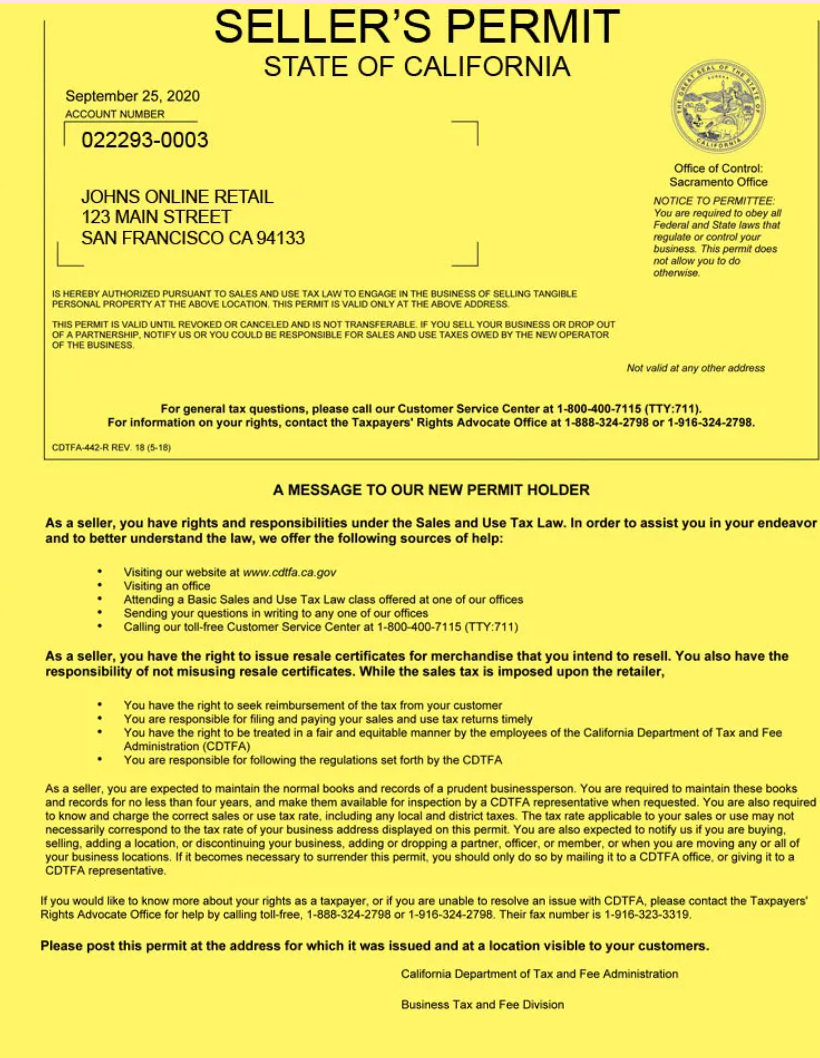
The Entrepreneurial Freedom It Unlocks
Ultimately, securing your California seller’s permit frees you to focus on what you do best: creating, selling, and building the business that supports your ideal lifestyle. It removes the uncertainty of non-compliance, allowing you to engage with suppliers, customers, and financial institutions with confidence. This foundational step is a testament to your commitment as an entrepreneur, paving the way for sustainable income, personal fulfillment, and the boundless opportunities that come with legitimate business operations in one of the world’s most dynamic economies. For those crafting a life on their own terms, the seller’s permit is far more than a piece of paper; it’s a key to unlocking genuine entrepreneurial freedom.
LifeOutOfTheBox is a participant in the Amazon Services LLC Associates Program, an affiliate advertising program designed to provide a means for sites to earn advertising fees by advertising and linking to Amazon.com. Amazon, the Amazon logo, AmazonSupply, and the AmazonSupply logo are trademarks of Amazon.com, Inc. or its affiliates. As an Amazon Associate we earn affiliate commissions from qualifying purchases.