
Embarking on a career as a licensed contractor in California opens up a world of opportunities. From the sun-drenched beaches of Southern California to the majestic forests of the North, the demand for skilled and reputable professionals in the construction industry is consistently high. Obtaining a state contractor’s license is not just a legal requirement for projects exceeding a certain value; it’s a critical step that establishes your credibility, protects your clients, and ultimately elevates your business. This comprehensive guide will walk you through every essential step of acquiring your California State Contractors License, ensuring you navigate the process with confidence and clarity.
For aspiring entrepreneurs and seasoned tradespeople alike, the journey to becoming a licensed contractor in one of the world’s largest economies is a significant lifestyle choice. It promises not only financial reward but also the satisfaction of building and shaping the very infrastructure and homes that define communities across this vibrant state. Whether your dream project is a custom home overlooking the Pacific, a commercial complex in a bustling city, or vital public infrastructure, securing your license is your foundational blueprint for success.
Understanding the Foundation: Eligibility and Experience
Before you can even begin to dream about your first major project, there are fundamental eligibility requirements set forth by the Contractors State License Board (CSLB). The CSLB is the governmental agency responsible for regulating the construction industry in California, ensuring consumer protection and a fair marketplace. Meeting their criteria is the very first hurdle you must clear on your path to licensure.
Who Can Apply for a License?
To be considered for a California contractor’s license, you must satisfy a few core conditions:
- Age Requirement: You must be at least 18 years old. This ensures that individuals entering the field possess a certain level of maturity and legal standing to enter into contracts and manage projects.
- Experience Verification: This is arguably the most crucial and often the most challenging requirement. Applicants must demonstrate a minimum of four years of verifiable journeyman-level experience within the last ten years, in the classification for which they are applying. This experience must be full-time, practical, hands-on work in the specific trade.
- Social Security Number/ITIN: You must possess either a valid Social Security Number (SSN) or an Individual Taxpayer Identification Number (ITIN).
- Criminal Background Check: The CSLB requires all applicants to submit fingerprints for a criminal background check. While a criminal record does not automatically disqualify an applicant, certain offenses, especially those related to the construction trade or moral turpitude, will be reviewed carefully and could lead to denial. Transparency is key here; failing to disclose information can be more detrimental than the offense itself.
Deciphering the Experience Requirement
The four-year journeyman-level experience is not a trivial matter. The CSLB is very particular about what constitutes acceptable experience. It’s not enough to simply state you have the years; you must be able to prove it.
- Journeyman Experience: This refers to an experienced worker who is skilled in a specific trade, capable of performing all tasks without supervision, and typically supervising others. This is the gold standard for experience.
- Foreman/Supervisor Experience: Time spent as a foreman or supervisor overseeing projects or teams can also count towards your experience, provided you were actively involved in the technical aspects of the trade.
- Owner-Builder Experience: If you’ve acted as an owner-builder, performing construction work on your own property, a portion of this experience may be acceptable. However, you must clearly demonstrate the scope and complexity of the work performed, and it will be scrutinized to ensure it aligns with professional trade standards.
- Education Substitution: The CSLB allows for some substitution of education for a portion of the required experience. For instance, a four-year university degree (especially in construction management, engineering, or architecture) can substitute for up to three years of the required experience. Associate degrees or other vocational training might substitute for lesser amounts. This provision recognizes that academic knowledge can significantly contribute to a contractor’s competency.
Gathering robust documentation to support your experience claim is paramount. This can include employment records, tax returns, contracts, permits, invoices, and letters from clients, employers, or supervisors detailing the work you performed, your responsibilities, and the duration of your involvement. The more detailed and verifiable your experience, the smoother your application process will be.
Navigating the Application Process and License Classifications
Once you’ve confirmed your eligibility, the next phase involves the detailed application process and making a crucial decision about your license classification. This choice dictates the type of work you’ll be legally permitted to perform in California’s diverse landscape.
Submitting Your Application
The application itself is a comprehensive document requiring meticulous attention to detail. It’s available on the CSLB website.
Here’s a breakdown of the typical application steps:
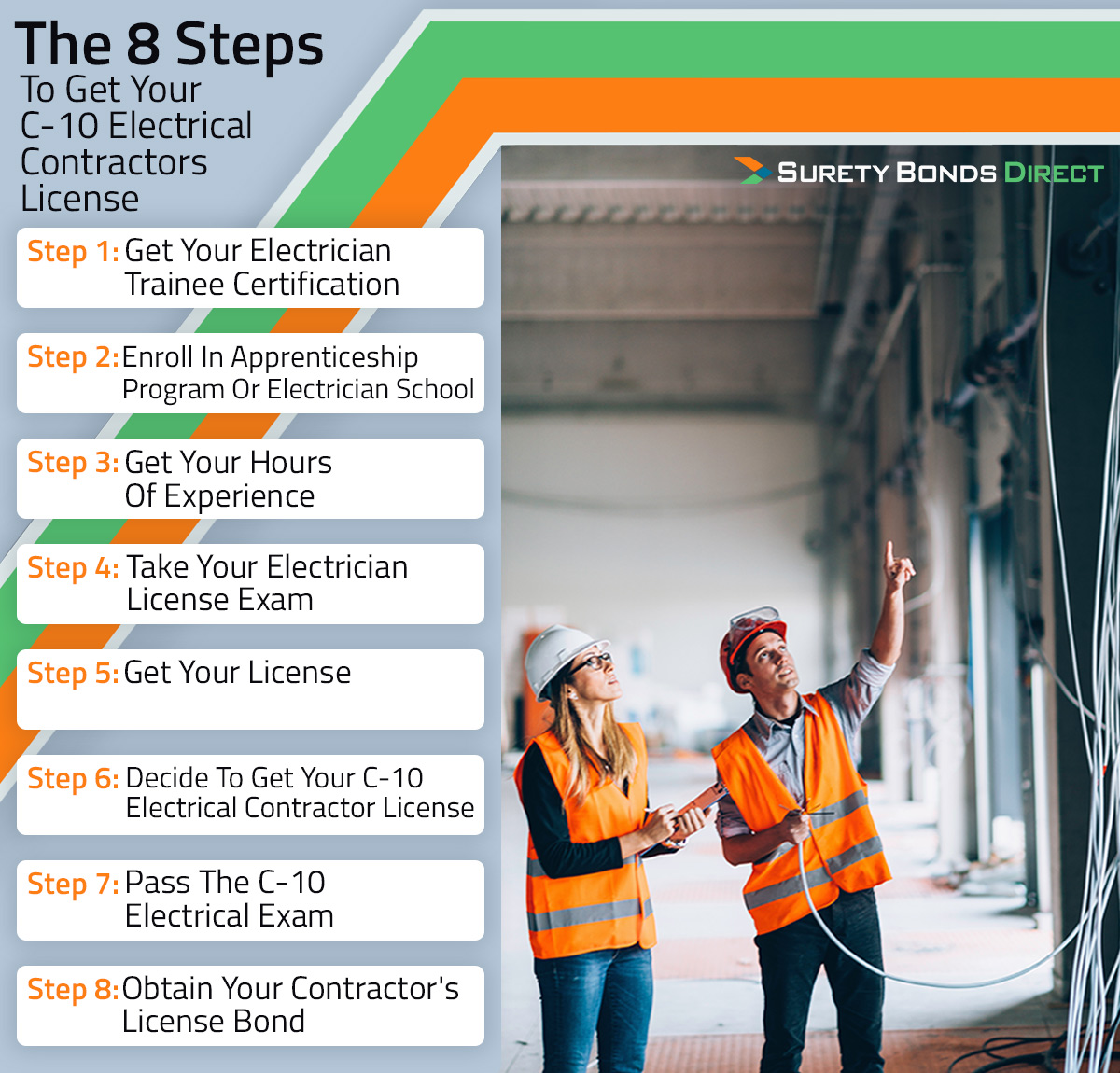
- Select Your License Classification: This is a critical decision. California offers three primary license classifications, each with subcategories:
- Class A General Engineering Contractor: This license allows you to bid on and execute fixed works projects requiring specialized engineering knowledge and skill. Think highways, bridges, dams, irrigation projects, flood control, water and sewage plants, and other large-scale infrastructure.
- Class B General Building Contractor: This is the most common license, allowing you to build or remodel structures built for human habitation or occupancy. This includes residential homes, commercial buildings, and offices, where the work involves at least two unrelated building trades or crafts. A Class B General Building Contractor can also perform specialty work related to the primary project.
- Class C Specialty Contractor: This classification covers a vast array of specialized trades. There are over 40 distinct “C” classifications, ranging from plumbing (C-36) and electrical (C-10) to concrete (C-8), roofing (C-39), HVAC (C-20), painting (C-33), and landscaping (C-27). If your primary work falls within a specific, specialized trade, a Class C license is likely appropriate. You can apply for multiple C classifications if your business scope requires it.
- Complete the Application Form: Fill out the “Application for Original Contractor License” accurately and completely. Any errors or omissions can lead to delays.
- Provide Supporting Documentation: Attach all necessary documents, including detailed experience descriptions, certifications, and educational transcripts if using them for experience substitution.
- Fingerprinting: Submit fingerprints via Live Scan to the CSLB for your criminal background check. This is a mandatory step.
- Pay Application Fees: There are non-refundable fees associated with the application and examination. Be prepared for these initial costs.
- Submit Your Application: Mail your complete application package to the CSLB headquarters in Sacramento.
The Journey After Submission: Waiting and Scheduling
After submitting your application, there’s typically a processing period. The CSLB will review your submission for completeness and verify your experience. This verification can involve contacting your references or past employers. Once your application is approved, you will receive a “Notice to Appear for Examination” letter. This letter will provide instructions on how to schedule your examination, which is a pivotal moment in your licensing journey.
Conquering the Examination and Post-Exam Requirements
The examination is designed to test your knowledge of both business principles and your specific trade. It’s a challenging but essential gateway to becoming a licensed professional in California.
The Examination Structure
Most applicants for a single classification will need to pass two separate examinations:
-
Law and Business Examination: This exam covers essential legal and business aspects relevant to operating a contracting business in California. Topics typically include:
- Business Organization: Types of business entities, setting up a company.
- Business Management: Financial management, estimating, bidding, contract administration, project management.
- Contracts: Elements of a contract, types of contracts, remedies for breach.
- Licensing and Bonds: Requirements, types of bonds, renewal.
- Safety: OSHA regulations, workplace safety.
- Labor Laws: Employee rights, payroll, workers’ compensation.
- Lien Laws: Understanding mechanics’ liens and stop notices.
- Public Works: Specific regulations for government projects.
-
Trade Examination: This exam tests your practical and theoretical knowledge specific to the classification you’re applying for (e.g., General Engineering, General Building, or a specific Specialty classification like Electrical or Plumbing). The content will vary greatly depending on your chosen trade but will assess your understanding of:
- Planning and Estimating: Material take-offs, labor costs, project scheduling.
- Safety: Trade-specific safety practices and regulations.
- Blueprint Reading: Interpreting construction drawings and specifications.
- Code Compliance: Understanding and applying relevant building codes.
- Construction Methods and Materials: Knowledge of techniques, tools, and materials used in the trade.
Both exams are typically multiple-choice, taken on a computer, and are closed-book. You will receive immediate results upon completion. A passing score is usually 70% or higher. Don’t underestimate the need for thorough preparation; many resources, including study guides and prep courses, are available to help you succeed. Investing time in studying for these exams is a commitment to your future success and a critical step in your professional development.
Post-Examination Requirements
Passing your exams is a huge accomplishment, but a few more steps remain before your license is officially issued:
- Initial Licensing Fee: After passing, you’ll be required to pay the initial licensing fee.
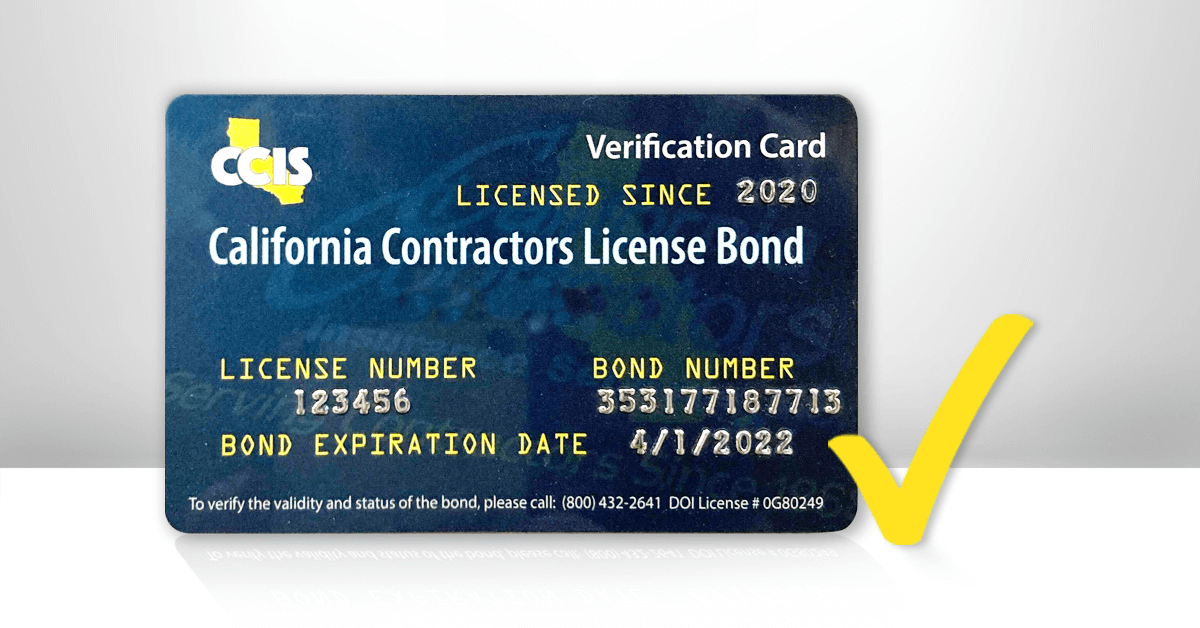
- Contractor’s Bond: You must obtain a contractor’s bond (also known as a surety bond). This bond is a financial guarantee to clients that you will complete projects according to contract and code. The current requirement is a $15,000 bond. This bond helps protect consumers from financial harm due to a contractor’s failure to meet obligations.
- Workers’ Compensation Insurance: If you plan to hire employees, you must provide proof of workers’ compensation insurance. Even if you don’t initially have employees, many contractors opt to carry this coverage for peace of mind.
- Bonding for LLCs: If your business is structured as a Limited Liability Company (LLC), there’s an additional requirement for an LLC Employee/Worker bond, often referred to as a “disciplinary bond,” of $100,000 to cover potential claims against the LLC. LLCs also have a higher general liability insurance minimum.
Once all these requirements are met and verified by the CSLB, your official California State Contractor License will be issued, marking a monumental achievement in your career.
Maintaining Your License and Expanding Your Horizons
Obtaining your license is a significant milestone, but it’s equally important to understand how to maintain it and, perhaps, how to leverage it for opportunities beyond California’s borders.
Keeping Your License Active
A California contractor’s license is not perpetual; it requires regular renewal and adherence to ongoing regulations.
- License Renewal: Licenses typically expire every two years. The CSLB will send you a renewal notice. It’s crucial to renew on time to avoid late fees or, worse, the lapse of your license, which could force you to reapply or jump through more hoops.
- Continuing Education: While California does not currently mandate continuing education for license renewal, staying updated with industry best practices, new technologies, building codes, and safety standards is crucial for professional growth and competitive advantage. Many trade associations offer valuable workshops and seminars.
- Bond Maintenance: Your contractor’s bond must remain active. If your bond lapses, your license will automatically be suspended.
- Compliance: Always operate within the bounds of your license classification and adhere to all CSLB regulations, building codes, and consumer protection laws. Violations can lead to disciplinary actions, including fines, suspension, or revocation of your license.
Reciprocity Agreements: Licensing in Other States
For contractors with aspirations beyond California, understanding reciprocity agreements can be a game-changer. California has agreements with certain states, which can expedite the licensing process for contractors who are already licensed in good standing in those states. These agreements are not automatic; they typically waive the trade exam, but applicants still need to pass the California Law and Business Exam and meet other state-specific requirements.
Currently, California holds reciprocity agreements with the following states for various classifications:
- Arizona
- Nevada
- Utah
- Louisiana
- Georgia
- Florida
- North Carolina
- South Carolina
- Tennessee
- Mississippi
- Alabama
- Arkansas
- Texas
If you are licensed in one of these states and considering expanding your operations, check the latest CSLB guidelines for specific eligibility criteria under these reciprocity agreements. This can significantly reduce the time and effort required to become licensed in multiple jurisdictions, opening up new travel and business opportunities across the nation.
The Lifestyle and Benefits of a Licensed California Contractor
Obtaining your California State Contractors License is more than just a regulatory hurdle; it’s an investment in your professional lifestyle and the growth of your business. The benefits extend far beyond legal compliance.
- Enhanced Credibility and Trust: A license immediately distinguishes you from unlicensed individuals and reinforces your commitment to professionalism, quality, and consumer protection. Clients are more likely to trust and hire licensed contractors, knowing they are vetted and accountable.
- Legal Compliance and Protection: Operating without a license for projects exceeding the legal threshold ($500 for labor and materials) can lead to severe penalties, including fines, imprisonment, and civil liabilities. Licensure protects you from these legal repercussions.
- Access to Larger Projects: Many clients, especially government agencies, larger commercial entities, and discerning homeowners, will only hire licensed contractors. Your license opens the door to more lucrative and substantial projects that can truly transform your business.
- Business Growth and Opportunities: With a license, you gain a competitive edge. You can advertise your services confidently, bid on a wider range of projects, and legally enter into contracts. This fosters sustainable growth and allows you to expand your team and capabilities.
- Financial Advantage: Licensed contractors generally command higher fees for their services, reflecting their verified expertise, legal standing, and the protections they offer clients. This can lead to a more comfortable lifestyle and greater financial stability.
- Industry Recognition: Becoming licensed integrates you into the professional community of California contractors, offering networking opportunities, access to industry resources, and a platform for continuous learning and improvement.
The process of getting a California State Contractors License is a journey that demands dedication, diligence, and a commitment to professional excellence. However, the rewards—the ability to legally and confidently build, innovate, and contribute to the vibrant economy and diverse communities of California—make every step of this journey incredibly worthwhile. By carefully following the requirements, preparing thoroughly for the exams, and understanding your ongoing responsibilities, you will unlock your potential and build a thriving contracting business that stands the test of time.
LifeOutOfTheBox is a participant in the Amazon Services LLC Associates Program, an affiliate advertising program designed to provide a means for sites to earn advertising fees by advertising and linking to Amazon.com. Amazon, the Amazon logo, AmazonSupply, and the AmazonSupply logo are trademarks of Amazon.com, Inc. or its affiliates. As an Amazon Associate we earn affiliate commissions from qualifying purchases.