
While the allure of exploring the vibrant landscapes and diverse cultures of California is undeniable, for some, the desire to travel extends beyond the typical tourist experience. For a select group, understanding the process of obtaining a Concealed Carry Weapon (CCW) permit in the Golden State is a crucial aspect of their personal safety and travel preparedness. This guide aims to demystify the procedures and requirements for obtaining a CCW in California, focusing on the necessary steps and considerations, rather than the legality or personal choice of carrying a firearm.
The journey to acquiring a CCW permit in California is a multi-faceted process, governed by state laws and enforced by local Sheriff’s Departments or Police Chiefs. It’s important to understand that California is a “shall-issue” state, meaning that if an applicant meets all the established criteria, the issuing authority is generally obligated to grant the permit. However, the definition of “good cause” can vary significantly between counties, making thorough research into your local jurisdiction paramount. This guide will navigate you through the typical requirements, the application process, and the essential considerations for obtaining your CCW permit in California.

Understanding the Eligibility Requirements for a California CCW
Before embarking on the application journey, it’s crucial to ensure you meet the fundamental eligibility criteria for a CCW permit in California. These requirements are designed to ensure that individuals seeking to carry a concealed firearm are responsible, law-abiding citizens. Failure to meet even one of these stipulations can result in the denial of your application.
Age and Residency
The most basic requirement is your age and residency. To apply for a CCW permit in California, you must be at least 21 years of age. Furthermore, you must be a legal resident of California and specifically within the jurisdiction of the Sheriff’s Department or Police Chief to whom you are applying. This means you need to demonstrate a verifiable address within their county or city. Some counties may have additional residency requirements, such as living in the county for a specific period.
Criminal Record and Legal Standing
Your criminal history is a significant factor in determining your eligibility. Applicants must not have any felony convictions. Additionally, you must not have any convictions for certain misdemeanor offenses that would prohibit firearm possession under federal or state law. This includes crimes involving violence, domestic violence, and certain drug-related offenses. Expunged convictions may also be a barrier depending on the specific offense and the jurisdiction.
Beyond convictions, your current legal standing is also scrutinized. This includes not being subject to any restraining orders or other court orders that prohibit you from possessing firearms. You must also not be a person prohibited from owning firearms under federal law, which encompasses a broader range of disqualifying factors.
Mental Health and Substance Abuse
California law requires that applicants be free from mental conditions that would render them a danger to themselves or others or unable to safely handle a firearm. This is typically assessed through a background check that may include reviewing mental health records. You will also likely be asked to attest to not having a history of drug or alcohol abuse that impairs your ability to safely possess a firearm.
Good Moral Character
A more subjective, yet crucial, requirement is demonstrating “good moral character.” While this can be difficult to quantify, it generally implies that you are a responsible individual who respects the law and the safety of others. Your application may require references who can attest to your character. Law enforcement agencies will also conduct a thorough background investigation, which may include checking for any history of repeated violations of the law, even if they did not result in criminal charges.
Firearm Proficiency and Training
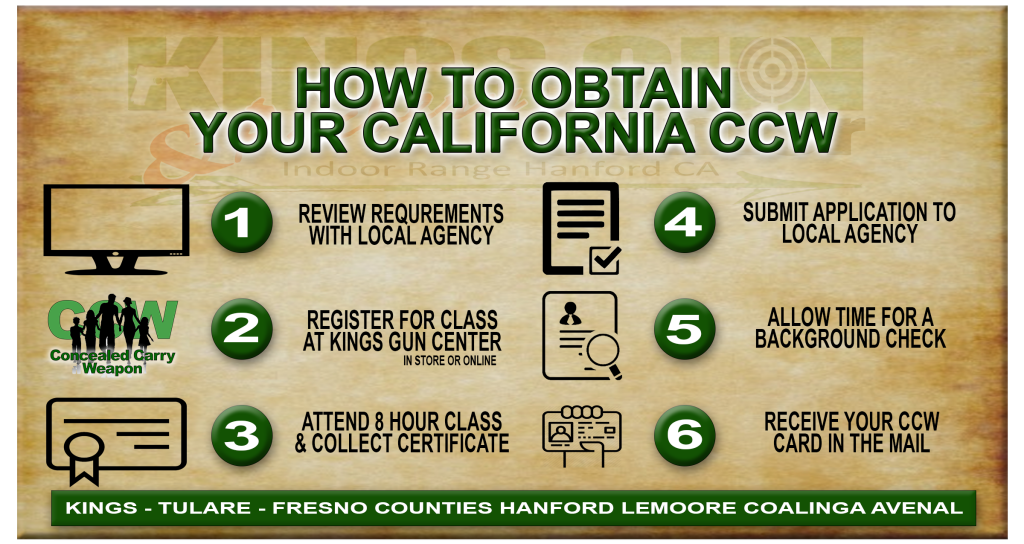
A significant component of obtaining a CCW in California is demonstrating proficiency with a firearm and completing a state-approved firearms safety course. This course typically covers safe gun handling, marksmanship, and the laws pertaining to the use of deadly force. The specific duration and content of the course can vary by county, so it’s essential to confirm the approved training providers in your area. Upon successful completion, you will receive a certificate that must be submitted with your application.
The Application Process: Step-by-Step Guide
Once you have confirmed your eligibility, the next step is to navigate the formal application process. This is a rigorous procedure that requires patience, attention to detail, and adherence to each county’s specific protocols. While the general outline is similar across California, individual counties may have unique forms, appointment systems, and interview procedures.
Initial Application and Fee Submission
The process typically begins with obtaining the official CCW application form from your local Sheriff’s Department or Police Chief’s website or office. This application is comprehensive and will require you to provide detailed personal information, including your personal history, employment, and any relevant background information. Be prepared to answer questions about your past, and be honest and accurate in all your responses.
Along with the application form, you will be required to pay a non-refundable application fee. This fee covers the costs associated with processing your application, conducting background checks, and fingerprinting. The amount of the fee can vary by county, so check with your local law enforcement agency for the exact cost.
Fingerprinting and Background Investigation
After submitting your initial application and fee, the next crucial step is undergoing a Live Scan fingerprinting process. You will be provided with a Live Scan form that you take to an authorized Live Scan provider. Your fingerprints will be electronically submitted to the California Department of Justice (DOJ) and the Federal Bureau of Investigation (FBI) for a thorough criminal history background check.
This background investigation is extensive. Law enforcement agencies will scrutinize your criminal record, driving record, mental health history, and any other relevant information that could impact your eligibility or suitability to carry a concealed firearm. It is imperative that you have disclosed all relevant information on your application, as discrepancies can lead to denial.
The Interview
Many counties require applicants to undergo an interview with a law enforcement officer. This interview serves as an opportunity for the issuing authority to clarify any information on your application, assess your demeanor, and further evaluate your suitability. Be prepared to discuss your reasons for wanting a CCW permit and your understanding of the responsibilities that come with it. Honesty and a calm, respectful attitude are crucial during this stage.
Firearms Qualification and Psychological Evaluation (if applicable)
Depending on the county, you may be required to demonstrate proficiency with the specific firearm(s) you intend to carry. This often involves a practical shooting test at an approved range. You will need to qualify with each firearm listed on your permit.
Some counties may also require a psychological evaluation conducted by a licensed psychologist. This evaluation is designed to further assess your mental fitness and suitability to carry a firearm. The evaluator will typically review your background and may conduct an interview.
Issuance of the CCW Permit
If you successfully pass all the stages of the application process, including the background check, interview, and any required qualifications or evaluations, your CCW permit will be issued. The permit will typically list the firearms you are authorized to carry. It is crucial to understand that the permit is for carrying a concealed firearm in public and does not grant you permission to carry a firearm in any prohibited location, such as schools, government buildings, or airports, unless specifically authorized by law.
Maintaining Your CCW Permit and Understanding Responsibilities
Obtaining a CCW permit is not the end of the process; it involves ongoing responsibilities and the need to stay informed about relevant laws and regulations. Maintaining your permit and ensuring responsible firearm ownership are paramount to its continued validity and your safety.
Renewal Process
CCW permits in California are typically valid for two years. Before your permit expires, you will need to go through a renewal process. This process often involves a shorter application, a background check, and potentially a refresher firearms safety course. You will also be required to pay a renewal fee. It is essential to be aware of your permit’s expiration date and begin the renewal process well in advance to avoid any lapses.
Keeping Your Information Current
It is your responsibility to inform the issuing law enforcement agency of any changes to your personal information, such as a change of address or any new criminal proceedings against you. Failure to do so could result in the revocation of your permit.
Understanding Prohibited Locations and Laws
A CCW permit allows you to carry a concealed firearm in many public places, but it is not a license to carry a firearm everywhere. California has numerous “prohibited locations” where carrying firearms is strictly forbidden, regardless of having a CCW permit. These include, but are not limited to, schools, polling places, courthouses, airports (sterile areas), and federal buildings. Ignorance of these laws is not an excuse, and violations can lead to severe penalties, including the revocation of your permit and criminal charges.
Furthermore, you must always be aware of the laws pertaining to the brandishing of firearms, the use of deadly force, and the legal responsibilities associated with carrying a concealed weapon. It is highly recommended to regularly review California’s Penal Code related to firearms and the use of force.
Responsible Firearm Storage
Even when you are not carrying your firearm, responsible storage is crucial. When at home, your firearm should be stored securely in a locked container or with a trigger lock to prevent unauthorized access, especially by children or individuals who are not permitted to handle firearms. This is not only a legal requirement in many situations but also a fundamental aspect of firearm safety and responsible gun ownership.
While the process of obtaining a CCW in California can seem daunting, by understanding the eligibility requirements, diligently following the application steps, and embracing the responsibilities that come with it, individuals can navigate this process effectively. This guide serves as a foundational overview; always consult your local Sheriff’s Department or Police Chief’s office for the most accurate and up-to-date information specific to your jurisdiction.
LifeOutOfTheBox is a participant in the Amazon Services LLC Associates Program, an affiliate advertising program designed to provide a means for sites to earn advertising fees by advertising and linking to Amazon.com. Amazon, the Amazon logo, AmazonSupply, and the AmazonSupply logo are trademarks of Amazon.com, Inc. or its affiliates. As an Amazon Associate we earn affiliate commissions from qualifying purchases.