
Embarking on a career that offers the open road, significant responsibility, and a unique sense of independence often begins with obtaining a Class A Commercial Driver’s License (CDL). In the vast and economically vibrant state of California, a Class A license is your gateway to operating the largest and most complex vehicles on the road, from big rigs hauling goods across the nation to specialized transport essential for various industries. This comprehensive guide will walk you through every step of the process, ensuring you’re well-prepared to navigate the requirements, ace your tests, and ultimately unlock a world of professional opportunities and an unparalleled lifestyle that comes with being a professional driver.
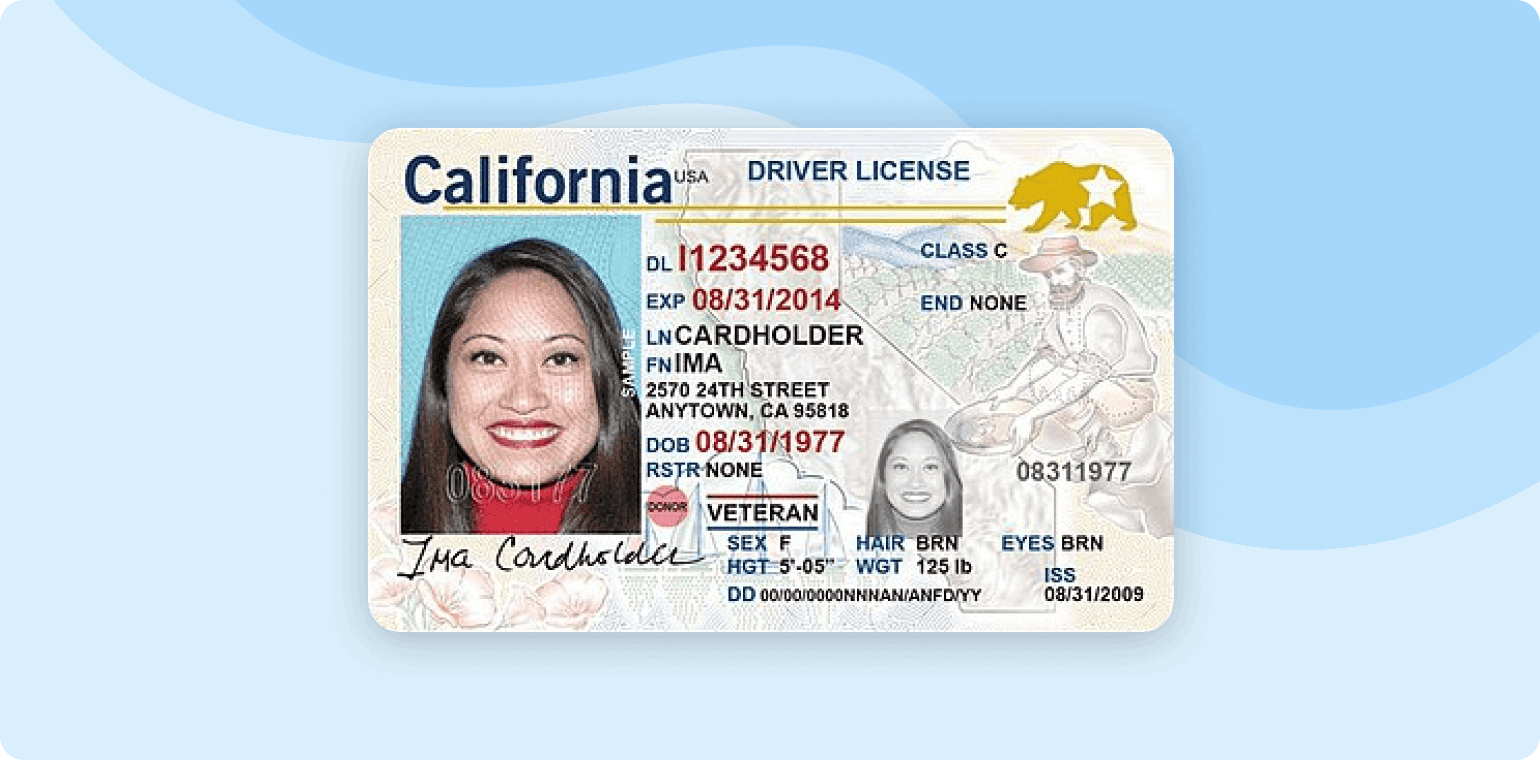
Understanding the Class A CDL: What It Is and Why It Matters
The Class A CDL is more than just a piece of paper; it’s a certification that signifies a high level of skill, knowledge, and professionalism in handling commercial motor vehicles (CMVs). For many, it represents not just a job but a fulfilling career path that offers continuous learning, diverse experiences, and the freedom of being out on the highway.
What a Class A License Allows You to Drive
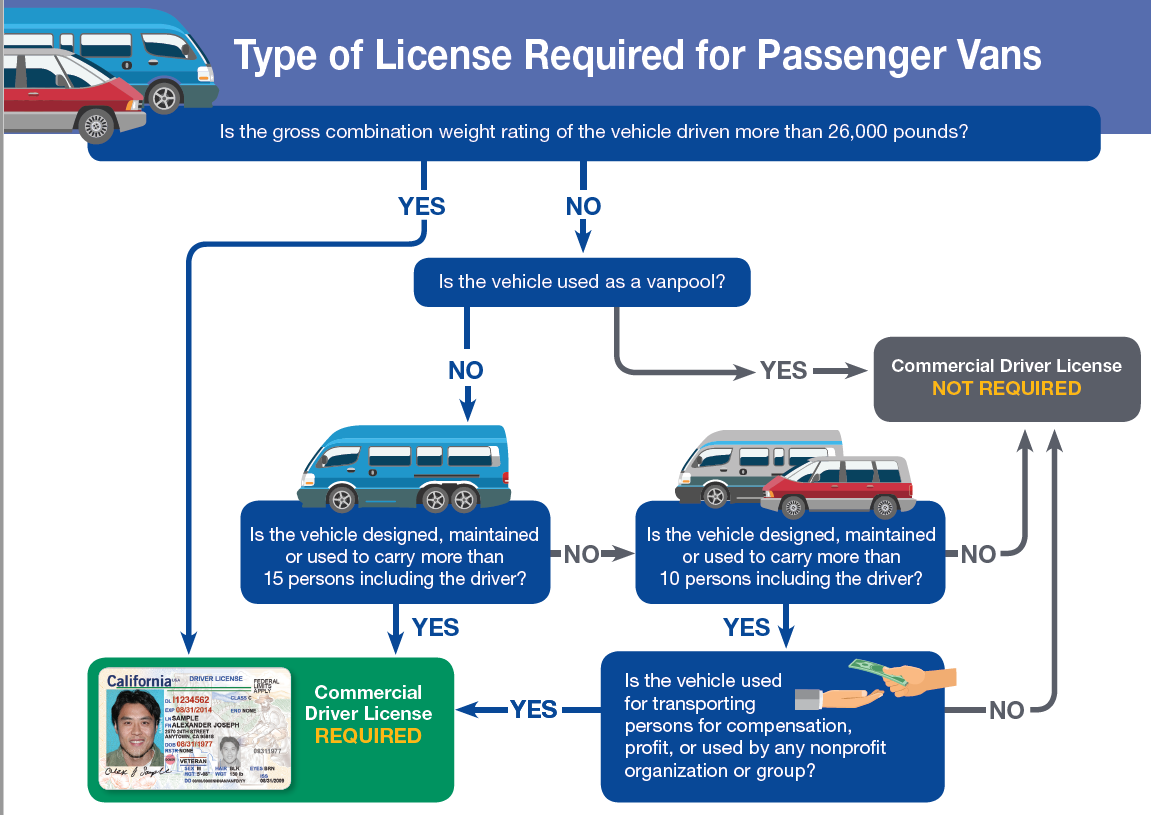
A Class A license is the highest level of commercial driving certification, granting you the authority to operate almost any type of commercial vehicle. Specifically, it permits you to drive any combination of vehicles with a Gross Combination Weight Rating (GCWR) of 26,001 pounds or more, provided the Gross Vehicle Weight Rating (GVWR) of the vehicle being towed is in excess of 10,000 pounds. This broad classification encompasses:
- Tractor-Trailers: The most common image of a Class A vehicle, these include eighteen-wheelers, semi-trucks, and big rigs that transport a wide array of goods across the country, connecting major cities like Los Angeles, San Francisco, and San Diego with the rest of the nation.
- Truck and Trailer Combinations: This includes dump trucks with pup trailers, auto haulers, and tank trucks pulling full trailers, which are vital for construction, automotive logistics, and resource transportation.
- Flatbeds: Used for oversized or unusually shaped cargo, requiring expertise in securing diverse loads.
- Livestock Carriers: Specialized trailers designed for the safe transport of animals, crucial for California’s agricultural industry.
- Any Class B or Class C Vehicle (with proper endorsements): Once you hold a Class A, you are also qualified to drive vehicles covered by Class B and Class C licenses, such as straight trucks, city buses, and small hazardous material vehicles, provided you acquire the necessary endorsements like Passenger (P) or Hazardous Materials (H).
The versatility of the Class A license opens up numerous avenues for drivers, allowing them to choose a niche that best suits their interests and lifestyle preferences.
Career Opportunities and Lifestyle Implications
Obtaining a Class A CDL in California unlocks a diverse range of career opportunities that are consistently in high demand. The trucking industry is the backbone of the economy, ensuring that goods reach consumers and businesses efficiently. Career paths include:
- Long-Haul Trucking: For those who crave adventure and the open road, long-haul trucking involves transporting goods across state lines, often for weeks at a time. This lifestyle offers unparalleled freedom, the chance to see different parts of the country, and a unique form of travel that many find incredibly rewarding. It’s a nomadic existence, often involving stays in various roadside motels or truck stops, experiencing local cultures on the go.
- Regional or Local Driving: If you prefer to be home more frequently, regional or local driving offers routes within California or neighboring states. This allows for a more predictable schedule while still engaging in vital transportation work.
- Specialized Transport: This can include hauling oversized loads, hazardous materials, refrigerated goods, or even operating specialized vehicles like car carriers. These roles often come with higher pay due to the specialized skills and endorsements required.
- Owner-Operator: Many experienced Class A drivers choose to become owner-operators, purchasing their own truck and running their own business. This entrepreneurial path offers maximum control over your schedule, routes, and income, embodying a truly independent lifestyle.
- RV and Tour Bus Operation: While not strictly freight, a Class A license can also be beneficial for those looking to operate large Recreational Vehicles (RVs) for personal travel or even professionally as a tour bus driver, taking travelers to iconic California landmarks like Yosemite National Park or the Golden Gate Bridge.
The lifestyle implications are significant. While it demands responsibility and resilience, a trucking career offers a profound sense of purpose. It supports the economy, connects communities, and provides a unique perspective on the nation’s geography and infrastructure. It’s a journey, both literally and figuratively, that appeals to those seeking an unconventional, yet stable, path.
Essential Requirements Before You Begin
Before you can even think about getting behind the wheel of a commercial truck, there are several foundational requirements you must meet. These are put in place by the California Department of Motor Vehicles (DMV) and federal regulations to ensure that all commercial drivers are responsible, capable, and medically fit to operate large vehicles safely.
Eligibility Criteria
To be eligible for a Class A CDL in California, you must satisfy the following fundamental conditions:
- Age Requirements:
- You must be at least 18 years old to drive a commercial vehicle intrastate (within California only).
- To drive interstate (across state lines), you must be at least 21 years old.
- Possession of a Valid California Driver’s License: You must already hold a valid, non-commercial California Class C driver’s license. This demonstrates your basic driving competency and adherence to road rules.
- Proof of California Residency: You will need to provide documents proving that you are a legal resident of California. This typically includes utility bills, rental agreements, or bank statements.
- Medical Qualification: All commercial drivers must pass a Department of Transportation (DOT) physical examination. This is conducted by a certified medical examiner listed on the Federal Motor Carrier Safety Administration (FMCSA) National Registry. The examination ensures you are medically fit to operate a CMV safely, checking vision, hearing, blood pressure, and overall health. You will receive a Medical Examiner’s Certificate (ME Certificate) which must be kept current.
- Driving Record: The DMV will review your driving record for the past 10 years. Certain violations, such as DUI, reckless driving, or leaving the scene of an accident, can disqualify you from obtaining a CDL for a specified period. A clean driving record is crucial.
Necessary Documentation
When you visit the DMV to apply for your Commercial Learner’s Permit (CLP) and later your CDL, you’ll need a specific set of documents. Being prepared saves time and prevents multiple trips.
- DMV Application Form DL 44: This is the standard application form for a California driver’s license and CDL. You can fill this out at the DMV or sometimes in advance online.
- Medical Examiner’s Certificate (ME Certificate): As mentioned, this is proof of passing your DOT physical. You will also need to self-certify your medical status with the DMV.
- Proof of Identity and Legal Presence: This typically includes your birth certificate, passport, or a green card.
- Proof of Social Security Number (SSN): Your Social Security card or a document displaying your SSN.
- Proof of California Residency: Two different documents, such as utility bills, lease agreements, or mortgage statements, verifying your current California address.
- Payment for Fees: Be prepared to pay the application, permit, and license fees. These can vary, so check the DMV website for the most current fee schedule.
Ensuring you have all these documents in order before you start will make the application process much smoother and less stressful.
The Application Process: Step-by-Step
Obtaining your Class A CDL is a multi-stage process that requires dedication, study, and practical training. Each step is designed to equip you with the knowledge and skills necessary to safely operate heavy commercial vehicles.
Obtaining Your Commercial Learner’s Permit (CLP)
The first significant milestone on your journey is acquiring a Commercial Learner’s Permit (CLP). This permit allows you to practice driving a Class A commercial vehicle on public roads, but only with a qualified CDL holder present in the passenger seat.
- Prepare for Knowledge Tests: The CLP requires you to pass several written knowledge tests at the DMV. These tests cover:
- General Knowledge: Covers fundamental rules and regulations for commercial driving, vehicle inspection, safety, and basic operation.
- Air Brakes: Specific knowledge about air brake systems, components, and proper operation.
- Combination Vehicles: Specific knowledge related to driving tractor-trailers and other combination vehicles, including coupling and uncoupling procedures.
- Endorsements (Optional but Recommended): You may also choose to take additional knowledge tests for endorsements like HazMat (Hazardous Materials), Tanker, or Doubles/Triples, which expand the types of cargo and vehicles you can drive.
- Visit the DMV:
- Submit your completed DL 44 application and all required documentation (proof of identity, residency, SSN, and ME Certificate).
- Pass a vision test.
- Provide your thumbprint.
- Have your photograph taken.
- Pay the application and permit fees.
- Take the Knowledge Tests: You will take the required written tests on a computer at the DMV. Study the California Commercial Driver Handbook thoroughly; it contains all the information you need to pass.
- Receive Your CLP: Once you pass the knowledge tests, you will be issued your CLP. Remember, your CLP is valid for six months and can be renewed if needed. You must hold your CLP for a minimum of 14 days before you are eligible to take the skills test.
CDL Training Programs and Driving Schools
While it is technically possible to prepare for the CDL skills test without formal training, enrolling in a reputable CDL training program or driving school is highly recommended and, for many, essential for success. These schools provide structured learning environments and professional instruction.
- Curriculum: CDL schools offer comprehensive training that typically includes both classroom instruction and extensive behind-the-wheel practice. Classroom lessons cover federal and state regulations, logbook management, vehicle systems, safety procedures, and defensive driving techniques.
- Practical Experience: The most crucial part of the training is the hands-on driving. You’ll learn how to perform pre-trip inspections, basic vehicle control maneuvers (like backing and parallel parking a big rig), and practical driving on various road types, including city streets, highways, and rural roads. Many schools have dedicated training yards for mastering complex maneuvers.
- Choosing a School: When selecting a CDL school in California, consider factors like:
- Accreditation: Ensure the school is certified and recognized by relevant authorities.
- Instructor Experience: Look for experienced instructors who can provide personalized guidance.
- Fleet Quality: Check the condition and variety of their training vehicles.
- Job Placement Assistance: Many schools offer help with finding employment after graduation, connecting you with reputable trucking companies.
- Cost and Financial Aid: Tuition can vary significantly, so inquire about costs, payment plans, and potential financial aid options.
- Location: Find a school conveniently located in or near your city, such as in Sacramento, Fresno, or Oakland.
Good training not only prepares you for the test but also instills the habits and skills necessary for a safe and successful career.
The Skills Test: Pre-Trip, Basic Control, and Road Test
After holding your CLP for at least 14 days and completing your training, you will schedule your CDL skills test at a DMV office that conducts CDL testing, or an approved third-party testing facility. This is the ultimate practical evaluation of your ability to operate a commercial vehicle. The test consists of three parts:
- Pre-Trip Vehicle Inspection: You must demonstrate your ability to perform a thorough vehicle inspection, identifying critical safety components and explaining what you are checking and why. This includes inspecting the engine compartment, exterior lights, tires, brakes, suspension, and the coupling system. The examiner will evaluate your knowledge of the vehicle’s components and your ability to identify defects.
- Basic Vehicle Control Skills Test: This segment assesses your proficiency in maneuvering a large commercial vehicle in a controlled environment, typically a closed course. Common maneuvers include:
- Straight-Line Backing: Backing the vehicle in a straight line without crossing boundaries.
- Offset Backing: Backing into a space that is not directly behind the vehicle.
- Parallel Parking (Driver Side/Conventional): Parking the vehicle parallel to a curb or barrier.
- Alley Docking: Backing into an imaginary loading dock.
These maneuvers test your spatial awareness, mirror usage, and ability to control the vehicle with precision.
- On-Road Driving Test: This is the final and most comprehensive part of the skills test. An examiner will accompany you as you drive on public roads, evaluating your ability to safely operate the commercial vehicle in real-world traffic conditions. They will assess:
- Starting and Stopping: Smoothness and control.
- Shifting Gears: Proper gear selection and smooth shifting (for manual transmissions).
- Lane Changes: Safe and timely execution.
- Turns: Proper signaling, lane positioning, and speed.
- Intersections: Observing traffic signs, signals, and yielding rights-of-way.
- Highway Driving: Maintaining speed, following distance, and lane discipline.
- Bridge Clearances and Turns: Observing warning signs and making appropriate decisions.
- Overall Safety and Awareness: Your ability to anticipate hazards and react appropriately.
Passing all three parts of the skills test demonstrates your competence and readiness to receive your Class A CDL. If you fail any part, you must wait a specified period before retesting, and fees may apply for each retest.
Maintaining Your Class A CDL
Obtaining your Class A CDL is a significant achievement, but it’s just the beginning. To maintain your license and continue your career as a commercial driver in California, you must adhere to ongoing requirements, including regular medical certifications and careful attention to your driving record.
Medical Certifications and Renewals
The health and fitness of commercial drivers are paramount to public safety. Therefore, keeping your Department of Transportation (DOT) Medical Examiner’s Certificate current is a continuous obligation.
- DOT Physical Examination: You typically need to undergo a new DOT physical every two years, or more frequently if you have certain medical conditions (e.g., high blood pressure, diabetes) that require closer monitoring. These exams must be conducted by a certified medical examiner.
- Self-Certification: After passing your DOT physical, you must submit your updated Medical Examiner’s Certificate to the California DMV and self-certify your medical status. Failure to do so can result in the downgrade or suspension of your CDL.
- CDL Renewal: Your Class A CDL itself has an expiration date, usually every five years. You will need to renew it at the DMV by passing a vision test, having your photo taken, and paying the renewal fees. At the time of renewal, your medical certification must also be up-to-date.
Staying on top of these medical and renewal requirements is crucial for ensuring uninterrupted driving privileges and career stability.
Avoiding Disqualifications and Endorsements
Your commercial driving privileges can be suspended or revoked for various infractions. Understanding and avoiding these disqualifying offenses is vital.
- Serious Traffic Violations: Convictions for offenses such as driving under the influence (DUI) of alcohol or drugs, leaving the scene of an accident, using a commercial vehicle to commit a felony, or excessive speeding can lead to immediate disqualification periods (typically one year for a first offense, or three years if transporting hazardous materials, and lifetime for a second offense).
- Railroad-Highway Grade Crossing Violations: Specific violations at railroad crossings can also result in disqualification.
- Out-of-Service Orders: Failing to comply with an out-of-service order (e.g., for fatigued driving or vehicle defects) carries severe penalties.
- Maintaining a Clean Driving Record: Beyond specific disqualifications, a pattern of unsafe driving (e.g., multiple moving violations) can negatively impact your career opportunities and potentially lead to employer sanctions.
Endorsements: While not mandatory, obtaining additional endorsements expands your driving capabilities and job prospects. These include:
- Hazardous Materials (H): Required to transport placarded hazardous materials. Requires a background check and a specific knowledge test.
- Tanker (N): Required for vehicles designed to transport liquid or gaseous materials within a tank.
- Doubles/Triples (T): Allows you to pull double or triple trailers. Requires specialized knowledge of coupling, uncoupling, and handling multiple trailers.
- Passenger (P): Required to drive a vehicle designed to transport 16 or more passengers (including the driver). This endorsement is common for tour bus operators or shuttle services in tourist areas like Napa Valley or Lake Tahoe.
- School Bus (S): A specialized passenger endorsement for school bus drivers, requiring additional background checks and specific training.
Each endorsement requires passing a written knowledge test, and some, like the passenger endorsement, might require a skills test in the appropriate vehicle. Investing in these endorsements can significantly increase your versatility and earning potential.
Navigating Your New Career Path and Lifestyle
With your Class A CDL in hand, you’re ready to embark on a fulfilling and dynamic career. California’s diverse economy and extensive road network provide a plethora of opportunities for skilled commercial drivers. This license opens the door to not just a job, but a unique lifestyle characterized by independence, adventure, and critical contributions to society.
Exploring Job Opportunities in California
California is a prime location for commercial drivers due to its massive ports, agricultural heartlands, and bustling metropolitan areas. The demand for qualified Class A drivers is consistently high across various sectors:
- Port and Intermodal Hauling: With major ports in Los Angeles and Long Beach, there’s a constant need for drivers to transport containers to and from these hubs, serving the entire Southwestern United States.
- Agriculture and Food Transport: California’s Central Valley is one of the most productive agricultural regions in the world. Drivers are essential for moving fresh produce, dairy, and other agricultural products from farms to processing plants and markets, both within the state and beyond.
- Retail and E-commerce Logistics: The rise of e-commerce has dramatically increased the demand for drivers to transport goods from distribution centers to retail outlets and fulfillment centers across the state. Major logistics hubs around Ontario and Riverside frequently seek drivers.
- Construction and Specialized Freight: With ongoing infrastructure projects and a booming construction industry, drivers are needed for hauling heavy equipment, construction materials, and specialized loads throughout California.
- Tour and Passenger Services: If you have a Passenger endorsement, opportunities exist to drive tour buses, transporting tourists to popular destinations like Disneyland, Universal Studios Hollywood, or wine regions like Sonoma.
Many trucking companies offer competitive salaries, benefits, and sign-on bonuses for new Class A CDL holders. Research different companies, their routes, and their company culture to find the best fit for your personal and professional goals. Networking with fellow drivers and using online job boards specifically for CDL holders can also be very effective.
The Freedom of the Open Road: A Different Kind of Travel
Beyond the practicalities of a job, a Class A CDL offers a unique lifestyle that many find incredibly appealing. For those with a love for travel and exploration, commercial driving provides an opportunity to experience the country in a way few others do.
Imagine driving through the breathtaking landscapes of Northern California’s Redwood forests, witnessing the sunrise over the Mojave Desert, or navigating the busy streets of major cities. While the primary purpose is transport, the journey itself becomes a part of the experience. You’ll stop at truck stops that are mini-communities, meet people from all walks of life, and witness the changing seasons and terrains of the United States.
This career fosters self-reliance, problem-solving skills, and a deep appreciation for the country’s infrastructure. It’s a lifestyle of constant motion, offering independence and the satisfaction of knowing you are an essential part of the nation’s supply chain. Whether you aspire to be a long-haul veteran exploring the highways from coast to coast or a dedicated regional driver serving your home state, a Class A CDL from California is your ticket to a rewarding and adventurous professional journey. The road ahead is open, full of possibilities, and waiting for you to take the wheel.
LifeOutOfTheBox is a participant in the Amazon Services LLC Associates Program, an affiliate advertising program designed to provide a means for sites to earn advertising fees by advertising and linking to Amazon.com. Amazon, the Amazon logo, AmazonSupply, and the AmazonSupply logo are trademarks of Amazon.com, Inc. or its affiliates. As an Amazon Associate we earn affiliate commissions from qualifying purchases.