
When planning a getaway or considering a seasonal work experience in the picturesque New Hampshire, understanding the local economic landscape is as crucial as knowing the best routes to the White Mountains or where to find the most charming boutique hotels. While most travelers focus on attractions, accommodation options, and lifestyle experiences, the backbone of a thriving tourism destination often lies in its labor market and the wages earned by the dedicated individuals who make these experiences possible. For those curious about the financial realities for workers in the Granite State, or even for businesses looking to expand, the question often arises: what is the minimum wage in New Hampshire?
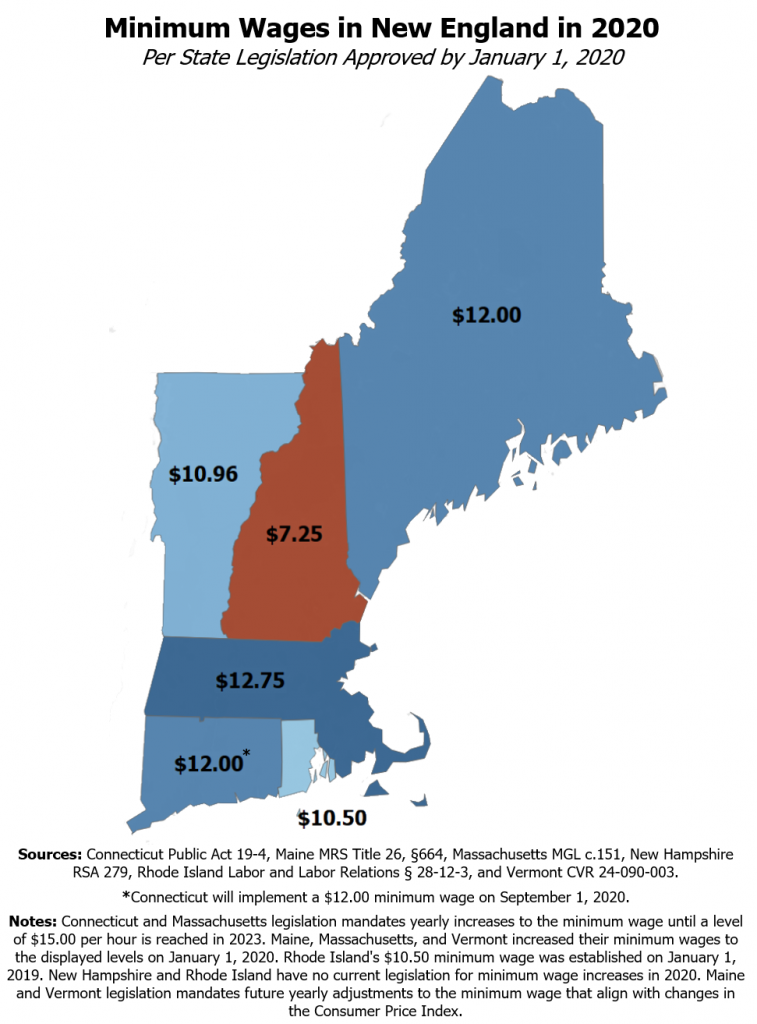
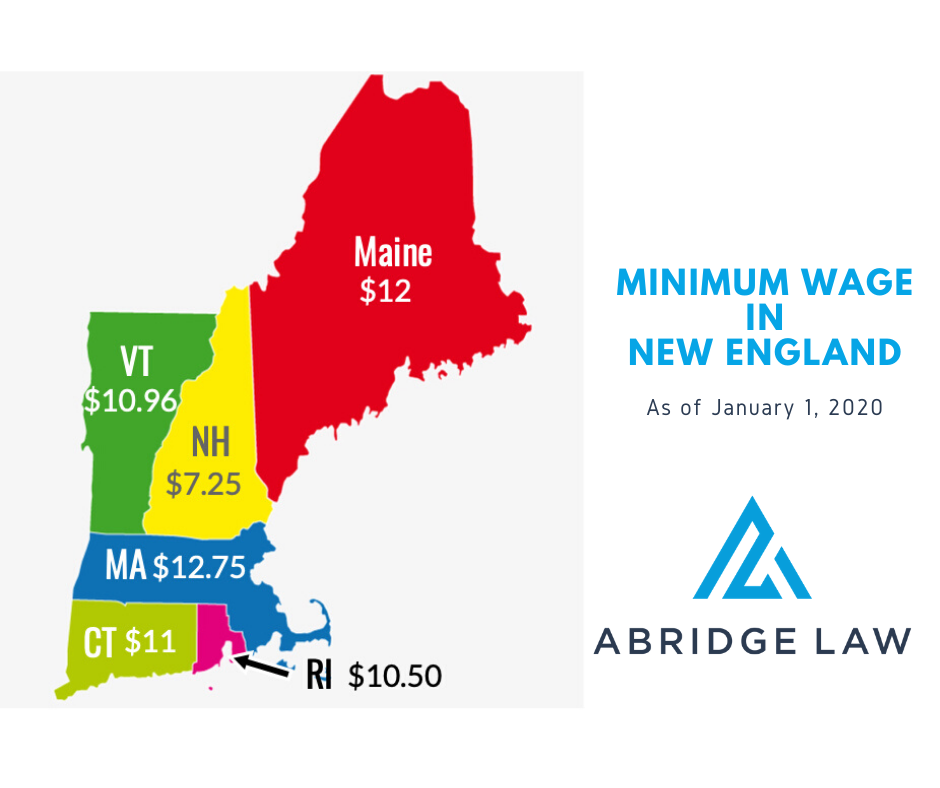
Unlike many other states that have enacted their own higher minimum wage rates, New Hampshire currently adheres to the federal minimum wage standard. This means that as of the most recent federal mandate, the minimum wage in New Hampshire is $7.25 per hour. This figure has remained unchanged since 2009, reflecting a unique economic stance within New England, where neighboring states like Massachusetts, Vermont, and Maine have significantly higher state-mandated minimums. While seemingly a straightforward answer, the implications of this particular wage structure ripple through every facet of the state’s economy, especially impacting its vibrant travel, tourism, and hospitality sectors.
Understanding New Hampshire’s Minimum Wage Landscape
The decision for New Hampshire to align with the federal minimum wage, rather than establish a higher state-specific rate, is a cornerstone of its economic philosophy. This approach is often touted by proponents as a way to maintain a competitive business environment, particularly for small businesses and those in industries with tight margins, such as many tourism and hospitality operations. However, it also presents distinct challenges for workers striving for economic stability and for the overall attractiveness of the state as a place to live and work.
The Federal Standard vs. State Adoption
The Fair Labor Standards Act (FLSA), a federal law, establishes a national minimum wage that all covered employers must pay their employees. States have the authority to set their own minimum wage rates higher than the federal standard, and indeed, many states have chosen to do so, reflecting varying economic conditions, cost of living, and political priorities. New Hampshire, however, is one of a handful of states that has opted not to enact a state minimum wage above the federal floor.
This policy means that unless a worker is subject to a specific federal exemption (such as for tipped employees, where the federal minimum cash wage is $2.13 per hour, provided tips bring their total hourly wage up to at least $7.25), or local ordinances (which New Hampshire generally does not have for minimum wage), they will earn $7.25 per hour. For visitors, this translates into potentially lower labor costs for services, which can sometimes influence prices at certain establishments. For residents, especially those in the service industry, it shapes their daily economic reality and their capacity to enjoy the same lifestyle experiences they help create for others.
Implications for Workers and Businesses
The federal minimum wage of $7.25 per hour has significant implications for both the workforce and businesses in New Hampshire. For workers, particularly those in entry-level positions or seasonal roles common in the tourism sector, this wage can pose challenges in meeting the cost of living, which, while generally lower than some of its New England neighbors, is not insubstantial. Affordable housing, transportation, and daily expenses can quickly consume a minimum wage earner’s income, especially in popular tourist towns like North Conway or along the Seacoast Region. This can lead to a reliance on supplementary income, multiple jobs, or even commuting from lower-cost areas.
For businesses, particularly those in the hospitality and retail sectors that heavily rely on entry-level and seasonal staff, the federal minimum wage provides a degree of cost control. This can enable them to offer more competitive pricing for accommodation, dining, and attractions, potentially drawing more visitors. However, it also presents a challenge in attracting and retaining talent, especially when competing with higher-paying opportunities in adjacent states. Many businesses in New Hampshire recognize this and often pay above the minimum wage to secure skilled and reliable employees, showcasing a market-driven approach to compensation that goes beyond the basic legal requirement.
The Economic Tapestry: How Wages Shape New Hampshire’s Tourism and Hospitality
New Hampshire’s natural beauty, from the rugged peaks of Mount Washington to the serene shores of Lake Winnipesaukee, draws millions of visitors annually. These travelers infuse billions into the state’s economy, supporting a vast network of hotels, restaurants, shops, and attractions. The minimum wage, while a seemingly small detail, plays an intrinsic role in shaping the operational dynamics of these businesses and the overall tourism experience.
Impact on the Hospitality Sector: Hotels, Restaurants, and Attractions
The hospitality sector is arguably the most affected by minimum wage policies. Front desk staff, housekeepers, kitchen assistants, tour guides, and park attendants are often among the demographic earning minimum wage or slightly above it. In New Hampshire, this means a substantial portion of the workforce directly serving tourists earns the federal rate. This can influence several aspects:
- Service Quality: While many businesses prioritize excellent customer service regardless of wage, a lower minimum wage can sometimes lead to higher staff turnover. Experienced employees might seek better-paying opportunities, potentially impacting service consistency. Businesses combat this by investing in training, creating positive work environments, and offering non-wage benefits.
- Pricing: The ability to pay a lower minimum wage can translate into more competitive pricing for consumers. For instance, a budget-friendly motel in Lincoln or a quaint diner in Concord might be able to keep their rates lower than similar establishments in Massachusetts or Vermont, where labor costs are higher due to state-mandated minimums. This can make New Hampshire an attractive destination for budget-conscious travelers.
- Labor Pool: Attracting workers to seasonal positions in popular tourist areas can be challenging. Many resorts and attractions in regions like the Lakes Region or the White Mountains rely on foreign exchange students or out-of-state workers during peak seasons. The minimum wage, combined with the cost of temporary accommodation, becomes a critical factor in these individuals’ decisions to come to New Hampshire. Many larger operations, such as the Omni Mount Washington Resort or Story Land, often offer competitive wages and benefits packages that far exceed the federal minimum to ensure a stable and motivated workforce.
Budgeting for Your Granite State Adventure: A Traveler’s Perspective
For the discerning traveler, understanding the minimum wage indirectly helps in budgeting. While you won’t directly pay workers their minimum wage, the underlying economic structure impacts the prices you encounter.
- Value for Money: New Hampshire generally offers excellent value, particularly when compared to its New England neighbors. This is partly due to the absence of a state sales tax and state income tax, making purchases and dining more affordable. The minimum wage policy further contributes to potentially lower operational costs for businesses, which can be passed on to consumers. This means your dollar might stretch further for accommodation, meals, and souvenirs.
- Tipping Culture: In industries where a significant portion of income comes from tips (e.g., waiting staff, bartenders), the federal minimum cash wage of $2.13 for tipped employees means that tips are an even more critical component of their livelihood. Travelers should be mindful of customary tipping practices, especially in New Hampshire, to ensure that the hardworking individuals providing their service are fairly compensated.
- Local Economy & Support: When you patronize local businesses, stay in New Hampshire hotels, and enjoy local attractions, your spending directly supports these establishments and their employees. While a business may adhere to the federal minimum, your choice to support them helps sustain the local economy and the individuals who call New Hampshire home. Choosing to stay at family-run inns or eat at locally-owned restaurants means your dollars circulate within the community.
Lifestyle and Liveability: Beyond the Paycheck
The minimum wage isn’t just a number; it’s a critical factor in the liveability and lifestyle of a region. For New Hampshire, a state celebrated for its natural beauty, outdoor recreation, and charming small towns, the economic realities shaped by its wage policies have a profound impact on its residents and the broader community.
Attracting and Retaining Talent in Key Tourism Regions
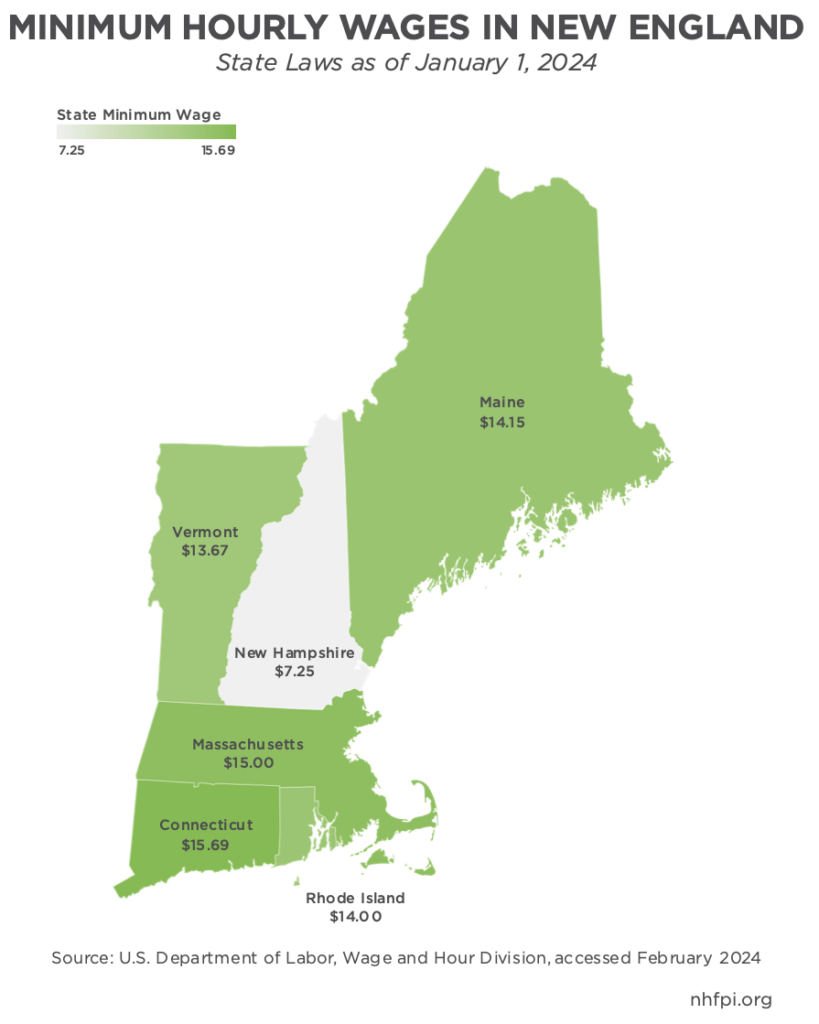
One of the ongoing challenges for New Hampshire’s thriving tourism sector is attracting and retaining a skilled workforce, especially in areas with high seasonal demand. While the state’s natural appeal and quality of life are significant draws, the $7.25 minimum wage can make it difficult to compete with states like Massachusetts (currently $15.00/hour) or Vermont (currently $13.67/hour as of 2024), which offer substantially higher entry-level wages.
Businesses in popular travel destinations like Portsmouth, Meredith, or Jackson often find themselves needing to offer wages well above the federal minimum to secure reliable staff. Many hotels, restaurants, and ski resorts understand that a stable, experienced workforce is key to providing the high-quality experiences that New Hampshire visitors expect. This competitive pressure, driven by market forces rather than state mandate, often results in better wages for many positions in the hospitality sector. However, for smaller businesses or those outside of peak tourist hubs, attracting talent can remain a struggle, potentially impacting the range and quality of local services available.
The Cost of Living in New Hampshire’s Idyllic Settings
While New Hampshire is known for its tax advantages (no sales or income tax), the cost of living, especially housing, can be substantial, particularly in desirable areas near major cities like Manchester or Nashua, or in scenic tourist towns. For someone earning the federal minimum wage, affording rent, utilities, food, and transportation can be a significant challenge. This disparity between wages and expenses underscores the importance of employers offering competitive salaries that reflect the local economic reality, rather than just the federal floor.
This economic reality also influences the vibrancy of local communities. When residents can afford to live comfortably, they are more likely to participate in local culture, support local businesses, and contribute to the overall fabric of the towns that attract visitors. The health of the local economy, influenced by wage structures, directly impacts the maintenance of landmarks like Franconia Notch State Park, the preservation of historical sites such as Strawbery Banke Museum, and the development of new attractions and experiences that enrich the visitor’s journey.
Navigating New Hampshire: Essential Tips for Travelers and Seasonal Staff
For travelers, understanding New Hampshire’s minimum wage policies adds another layer to appreciating the state’s unique economic environment. You’re supporting a system that values low taxes and a business-friendly climate, which can translate into competitive prices for your vacation. Remember to acknowledge the hard work of those in the hospitality sector through gratuities, as their base wages may be modest.
For those considering seasonal work, particularly in tourism-heavy areas, it’s essential to research specific job postings carefully. Many employers, especially those in popular destinations like Cannon Mountain or along the Kancamagus Highway, offer wages significantly higher than the federal minimum, along with potential benefits or accommodation assistance. This demonstrates the market’s response to the need for quality labor, moving beyond the statutory minimum. Explore opportunities in diverse regions, from the bustling cities of Manchester and Nashua to the quaint charm of Hanover and Plymouth, as wages and living costs can vary considerably.
In conclusion, while the official answer to “What is the minimum wage in New Hampshire?” remains the federal standard of $7.25 per hour, this figure tells only a part of the story. The state’s vibrant tourism economy, its unique New England lifestyle, and the competitive nature of its hospitality sector mean that market forces often drive actual wages higher. For both visitors and potential workers, understanding this dynamic provides a deeper appreciation for the economic landscape that underpins the beauty and experiences that New Hampshire so famously offers.
LifeOutOfTheBox is a participant in the Amazon Services LLC Associates Program, an affiliate advertising program designed to provide a means for sites to earn advertising fees by advertising and linking to Amazon.com. Amazon, the Amazon logo, AmazonSupply, and the AmazonSupply logo are trademarks of Amazon.com, Inc. or its affiliates. As an Amazon Associate we earn affiliate commissions from qualifying purchases.