
Navigating the intricacies of official documentation is a crucial aspect of life, whether for personal record-keeping, legal purposes, or essential travel. In California, obtaining a certified copy of a birth certificate is a common requirement for various life events, from applying for a passport to enrolling in school. This guide aims to demystify the process, providing clear, actionable steps for residents and those who need to secure this vital document from the Golden State. Understanding the nuances of who can request a certificate, the different methods of application, and the associated fees will ensure a smooth and efficient experience.

Understanding Eligibility and Requirements
Before embarking on the journey to acquire a birth certificate, it’s imperative to understand who is legally permitted to request a certified copy. California law is specific about this to protect privacy and prevent identity theft. Generally, only individuals who have a direct and tangible interest in the birth record are eligible.
Who Can Request a Certified Copy?
The primary individual eligible to request their own birth certificate is, of course, the person whose birth is recorded. However, eligibility extends to a broader group to accommodate various life circumstances. These typically include:
- The Person Named on the Certificate: As mentioned, the individual themselves can request their own birth certificate. This is straightforward, requiring proof of identity.
- Parents: The parents listed on the birth certificate are also eligible. They will need to provide identification and, in some cases, proof of their relationship to the registrant if their names differ from the birth certificate (e.g., due to marriage or divorce).
- Children, Grandchildren, Siblings, or Spouses: In most cases, direct lineal descendants (children, grandchildren) or ascendants (parents, grandparents), as well as siblings and spouses, can request a birth certificate. Proof of relationship might be required, such as a marriage certificate or an affidavit.
- Legal Guardians: If a legal guardian has been appointed for the person named on the certificate, they can request a copy, provided they present a court order establishing their guardianship.
- Attorneys Representing an Eligible Person: Lawyers acting on behalf of an eligible individual (e.g., in a legal case) can also request a birth certificate. They will need to provide documentation showing they represent the registrant or an eligible party.
- Law Enforcement and Government Agencies: Certain governmental bodies and law enforcement agencies may request birth certificates as part of official investigations or administrative processes.
Types of Birth Certificates
It’s important to note that California issues two types of birth certificates: an “Informational Copy” and a “Certified Copy.”
- Informational Copy: This type of copy is suitable for genealogical research or personal records but cannot be used for legal identification purposes. It is often marked with a stamp indicating it is for informational purposes only and will not be accepted for identity verification.
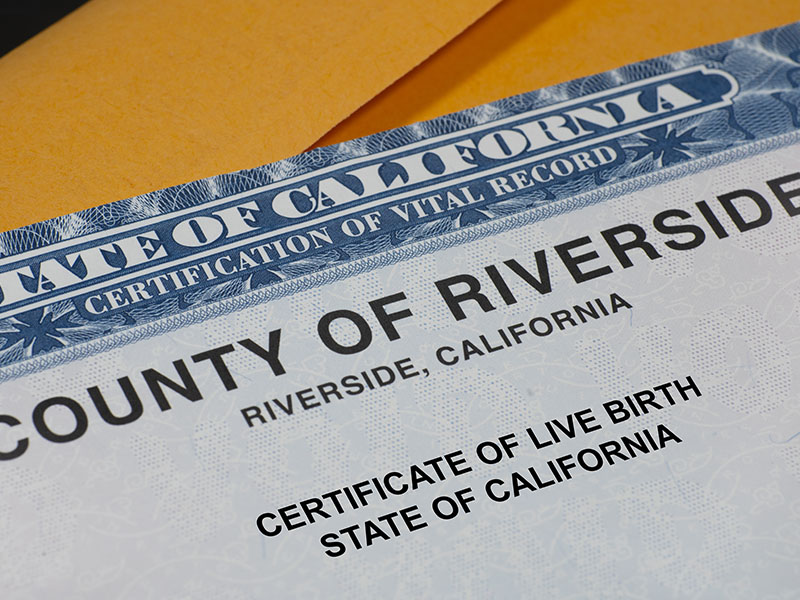
- Certified Copy: This is the official version required for most legal and administrative functions. It bears an embossed or raised seal, the signature of the registrar, and is deemed a legally valid document. This guide focuses on obtaining a certified copy.
Required Identification
Regardless of the method of application, you will need to provide valid, government-issued photographic identification. Acceptable forms of ID typically include:
- Driver’s License
- State Identification Card
- Passport
- Military Identification Card
If you are applying on behalf of someone else, you may need to provide additional documentation proving your relationship, as outlined in the eligibility section.
Methods of Obtaining a Birth Certificate in California
California offers several convenient methods for requesting a certified copy of a birth certificate, catering to different needs and preferences. Whether you’re a local resident or an out-of-state applicant, there’s likely a method that suits you. The primary avenues are through the California Department of Public Health (CDPH) Vital Records, county recorders’ offices, or authorized third-party services.
1. Through the California Department of Public Health (CDPH) Vital Records
The CDPH is the central repository for vital records in California. While they do process requests, it’s often more efficient to go through the county where the birth occurred, especially if you need the certificate quickly. However, the CDPH is an option, particularly if the birth occurred many years ago or if you are unsure of the exact county.
- Online Application: The CDPH offers an online portal that guides you through the application process. This often involves downloading an application form, completing it, and then submitting it via mail with the necessary supporting documents and payment.
- Mail-In Application: You can download the official application form from the CDPH website, fill it out completely, and mail it to the address provided. Be sure to include a self-addressed stamped envelope and the required fee. Processing times can vary significantly, so plan accordingly.
- In-Person (Limited): While the CDPH does have an office, in-person services for obtaining vital records are typically handled at the county level. It’s advisable to check the CDPH website for the most current information regarding any available in-person options, as these can change.
2. Through the County Recorder’s Office
For the fastest and most direct route, applying through the county recorder’s office where the birth took place is usually recommended. Each of California‘s 58 counties has a vital records office responsible for maintaining and issuing birth certificates for events that occurred within their jurisdiction.
- In-Person Application: This is often the quickest method. Visit the county recorder’s office in person. You will need to complete an application form, present your valid photo identification, and pay the required fee. If you are eligible and the records are readily available, you may even be able to receive a certified copy the same day. This is particularly advantageous if you are in the county and need the document urgently for travel or another immediate need.
- Mail-In Application: Similar to the state level, county recorder offices also accept mail-in applications. You’ll download and complete the county-specific application form, include proof of identity, payment, and a self-addressed stamped envelope. Processing times for mail-in requests can be longer than in-person applications.
- Online or Phone Orders (via Third-Party Services): Many county recorder offices partner with authorized third-party vendors to facilitate online or phone orders. These services often streamline the application process and may offer expedited shipping options. However, they typically charge an additional service fee on top of the state-mandated fees. It’s crucial to ensure you are using an officially authorized partner to avoid scams or delays.
3. Using an Authorized Third-Party Service
Several reputable third-party services are authorized by California counties to process birth certificate requests. These services can be a convenient option, especially if you are not located near the county of birth or prefer the ease of an online application.
- Online Application: These services typically have user-friendly websites where you can fill out the application form, upload required documentation, and submit payment. They manage the submission to the relevant county office.
- Expedited Processing: Many third-party services offer expedited processing and shipping, which can significantly reduce the time it takes to receive your birth certificate. This is a valuable option for urgent situations.
- Verification: When using a third-party service, always ensure they are officially authorized by the California county or the CDPH. This information is usually clearly displayed on their website. Beware of unofficial sites that may overcharge or fail to deliver.
The Application Process: Step-by-Step
Regardless of the method chosen, the core components of the application process remain consistent. Following these steps will help ensure your request is processed efficiently.
Step 1: Determine Your Eligibility and Gather Necessary Information
As detailed earlier, confirm that you are an eligible individual to request the birth certificate. You will need the following information about the person whose birth certificate you are requesting:
- Full Name as it appears on the birth certificate
- Date of Birth
- Place of Birth (City and County)
- Parents’ Full Names (including mother’s maiden name)
Step 2: Choose Your Application Method
Decide whether you will apply through the CDPH, the county recorder’s office, or an authorized third-party service. Consider factors like urgency, convenience, and cost. For faster service, especially if you can travel, the county recorder’s office in person is often the best option.
Step 3: Complete the Application Form
Download or access the appropriate application form for your chosen method. Fill it out completely and accurately. Any missing or incorrect information can lead to delays or rejection of your request.
- Sworn Statement: For certified copies, you will typically be required to sign a sworn statement under penalty of perjury, affirming that you are an eligible individual and that the information provided is true and correct. This must often be notarized if submitting by mail or if required by the specific county. Check the specific requirements of the office you are applying through.
Step 4: Provide Proof of Identity
Include a clear copy of your valid, government-issued photographic identification. If you are applying on behalf of someone else, provide the necessary proof of relationship.
Step 5: Submit Payment
The fees for birth certificates vary slightly by county but are generally standardized by the state for a certified copy. As of recent information, the fee is typically around $29. However, this amount can change, so it’s essential to verify the current fee with the specific office or service you are using.
- Payment Methods: Accepted payment methods can include money orders, cashier’s checks, personal checks (though these may require longer processing times), or credit/debit cards (especially for online or in-person applications at many locations). Be sure to check the accepted forms of payment for your chosen application method.
Step 6: Submit Your Application
Mail your completed application, required identification, and payment to the designated address, or submit it in person or through the online portal. If mailing, use a trackable method for peace of mind.
Processing Times and Fees
Understanding the timeline and costs associated with obtaining a birth certificate is crucial for effective planning. Processing times can vary significantly based on the method of application, the volume of requests received by the issuing office, and whether expedited services are utilized.
Processing Times
- In-Person at County Recorder: This is typically the fastest method, with some counties offering same-day service for certified copies if all documentation is in order and records are readily available.
- Mail-In to County Recorder: Processing times can range from a few days to several weeks, depending on the county’s backlog and efficiency.
- Mail-In to CDPH: Requests sent directly to the California Department of Public Health often take the longest, potentially several weeks to a few months, due to the volume of requests and centralized processing.
- Third-Party Services: These services often provide expedited options, with delivery times ranging from a few business days to a couple of weeks, depending on the chosen service level and shipping method.
It is always advisable to check the estimated processing times directly with the CDPH or the specific county recorder’s office you are applying through. Many county websites provide current processing time estimates.
Fees
The standard fee for a certified copy of a birth certificate in California is set by the state. As of recent updates, this fee is approximately $29. This fee covers the cost of searching for the record, printing the certified copy, and the seal.
Additional fees may apply if:
- You are using a third-party service, which will charge its own service fee.
- You request expedited processing or shipping.
- You require a notarized sworn statement, which may incur a notary fee.
Always confirm the exact fees with the issuing agency or service provider before submitting your application to avoid any discrepancies or delays.
Common Issues and Tips for a Smooth Process
Even with a clear process, unexpected issues can arise. Being prepared with tips and knowledge of common pitfalls can make obtaining your California birth certificate a much smoother experience.
Common Issues
- Incomplete or Inaccurate Application: This is the most frequent reason for delays. Ensure all fields are filled out correctly and that your handwriting is legible if applying by mail.
- Missing Identification or Proof of Relationship: Double-check that you have included all required identification and any necessary documentation to prove your relationship to the registrant if you are applying on behalf of someone else.
- Incorrect Payment Amount or Method: Verify the exact fee and ensure you are using an accepted payment method. Insufficient payment will halt the process.
- Outdated Information: Fees and procedures can change. Always refer to the most current information available on the official websites of the CDPH or the relevant county recorder’s office.
- Registrant Information Not Found: Sometimes, records may be difficult to locate if there were discrepancies in how information was initially recorded. Providing as much detail as possible, including parents’ full names at the time of birth, can help.

Tips for a Smooth Process
- Apply Early: If you anticipate needing your birth certificate for a specific event (like travel or a legal process), start the application process well in advance of your deadline.
- Verify Information Online: Before mailing or visiting, thoroughly review the requirements, forms, fees, and processing times on the official website of the issuing agency (either the CDPH or the county recorder’s office).
- Use Certified Mail: When mailing your application, opt for certified mail with a return receipt. This provides proof that your documents were sent and received.
- Keep Copies: Make photocopies of your completed application form, your identification, and your payment for your records.
- Contact Directly for Complex Cases: If you have a unique situation, such as a record that cannot be found or a complex eligibility question, consider calling the vital records office directly for guidance.
- Consider County First: For most individuals, applying directly through the county recorder’s office where the birth occurred will yield the fastest results.
By understanding the requirements, choosing the most appropriate application method, and following these tips, you can successfully obtain a certified copy of your California birth certificate. This essential document will then be ready for whatever life’s journey requires.
LifeOutOfTheBox is a participant in the Amazon Services LLC Associates Program, an affiliate advertising program designed to provide a means for sites to earn advertising fees by advertising and linking to Amazon.com. Amazon, the Amazon logo, AmazonSupply, and the AmazonSupply logo are trademarks of Amazon.com, Inc. or its affiliates. As an Amazon Associate we earn affiliate commissions from qualifying purchases.