
The culinary landscape of Boston, Massachusetts, is rich with iconic dishes, each telling a story of the city’s vibrant history and cultural identity. Among these, the Boston Cream Cake stands out not merely as a dessert but as a profound symbol of local heritage, a sweet ambassador that has captivated palates worldwide. Often mistaken for a pie due to its historical moniker, this beloved creation is unequivocally a cake, holding the distinct honor of being the official state dessert of Massachusetts since 1996. Its allure lies in a harmonious blend of textures and flavors: a delicate, golden sponge cake, a lush, creamy vanilla custard filling, and a shimmering cap of rich chocolate glaze. This dessert is more than just an indulgence; it is an integral part of Boston‘s cultural fabric, drawing tourists and locals alike to explore its origins and savor its timeless taste.

The Sweet History of a Boston Icon
The genesis of the Boston Cream Cake is deeply intertwined with the culinary innovations of 19th-century Boston. Its story begins in the mid-1800s, a period of significant culinary evolution in American hotels and restaurants. This dessert, while seemingly simple in its components, represented a sophisticated departure from traditional American baked goods, incorporating elements inspired by European patisserie.
From Pudding Pie to Official State Dessert
Initially known by various names, including “Chocolate Cream Pie” or “Pudding Pie Cake,” the dessert’s nomenclature reflected a time when the distinction between cakes and pies was less rigid. Baking pans were often referred to as “pie plates,” regardless of whether they contained a pastry crust or a cake batter. The term “pudding” in “Pudding Pie Cake” referred to the creamy custard filling, a common practice in American cooking. The evolution from these early names to “Boston Cream Pie” and eventually “Boston Cream Cake” highlights its journey to becoming a distinct and celebrated creation. Its eventual designation as the official state dessert of Massachusetts in the late 20th century cemented its status as a cultural landmark, a testament to its enduring popularity and historical significance in the region. This formal recognition underscored its role not just as a dessert but as a point of pride for the people of Massachusetts, making it an essential culinary experience for anyone visiting the state.
The Parker House Hotel Legacy
The true birthplace of the Boston Cream Cake is widely attributed to the historic Parker House Hotel (now the Omni Parker House) in Boston. Opened in 1855, the Parker House Hotel quickly established itself as a culinary innovator, boasting one of the finest restaurants in the country. It was here, in 1856, that French chef Augustine Francois Mitard is credited with creating a dessert that combined two contemporary culinary trends: the sponge cake and cream filling. The hotel’s menu listed it as “Chocolate Cream Pie,” perhaps due to the round, pie-like shape it was served in.
The Parker House Hotel was renowned for its commitment to high-quality ingredients and meticulous preparation, factors that undoubtedly contributed to the immediate success and lasting legacy of this dessert. From its inception, the Boston Cream Cake at the Parker House Hotel became a local sensation, drawing patrons who sought a taste of this novel delicacy. The hotel’s influence on American cuisine extended far beyond this single dessert, but the Boston Cream Cake remains one of its most celebrated contributions, a delicious testament to the hotel’s storied past and its role in shaping Boston’s culinary identity. Visiting the Omni Parker House today offers a tangible connection to this history, allowing guests to savor the original recipe in the very place it was born, an experience that transcends mere dining and becomes a journey through Boston’s rich cultural narrative.
Deconstructing the Boston Cream Cake: Anatomy of a Classic
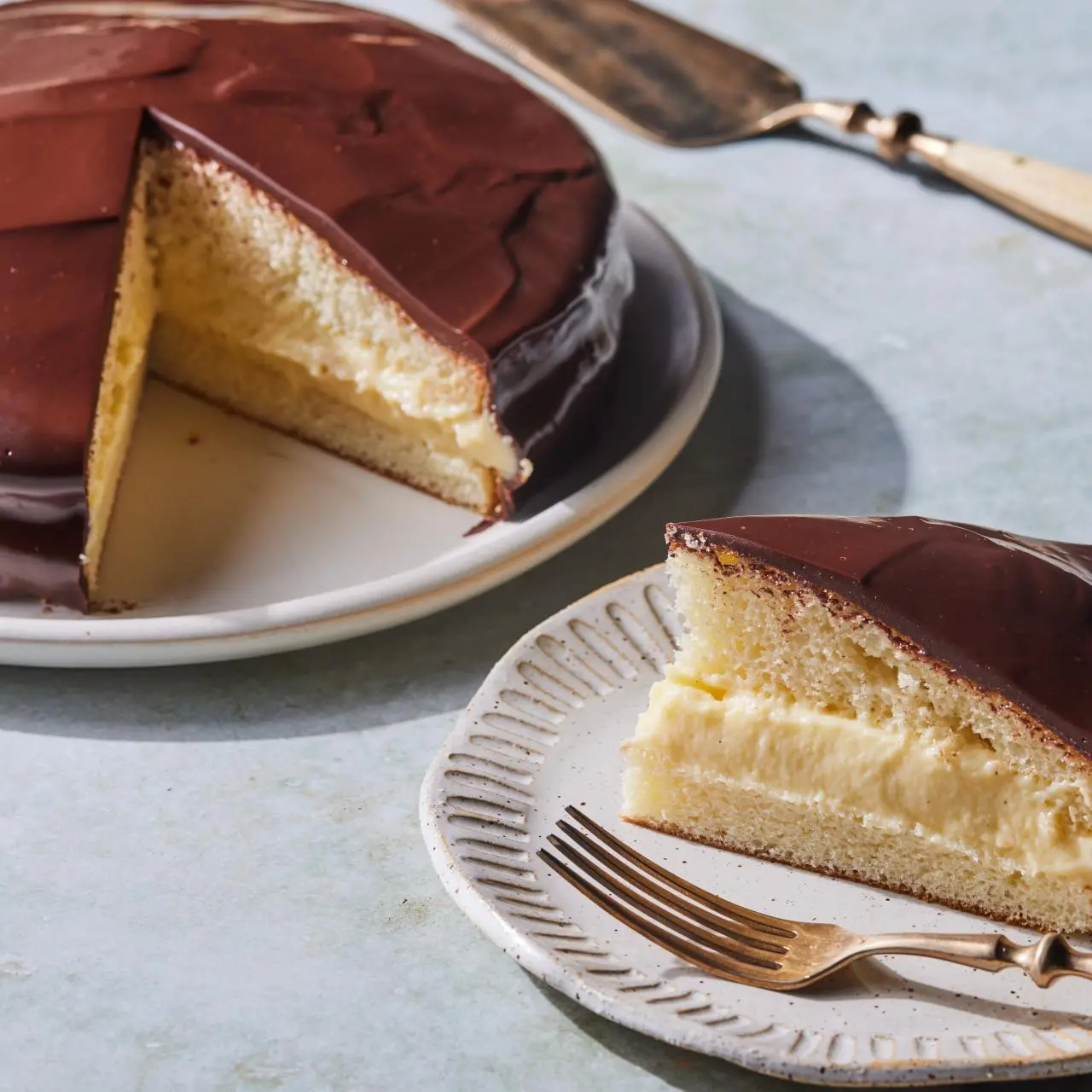
Understanding the Boston Cream Cake requires an appreciation for its three distinct, yet perfectly harmonious, layers. Each component plays a crucial role in creating the iconic flavor and texture profile that has captivated generations.
The Sponge Cake Foundation
At the heart of the Boston Cream Cake is a light, airy, and delicately flavored sponge cake. Unlike heavier butter cakes, the sponge cake relies on whipped eggs for its structure and volume, resulting in a tender crumb that is both moist and resilient enough to hold the generous filling. Traditionally baked in a round pan, the cake is then split horizontally into two layers. This foundational element provides a subtle sweetness and a wonderfully soft texture that serves as the perfect canvas for the richer components to follow. The art of a perfectly executed sponge cake lies in its ability to be light without being dry, a testament to the skill of the baker and the quality of ingredients. This lightness is crucial, as it balances the richness of the cream and chocolate, ensuring that each bite is an enjoyable blend rather than an overwhelming sweetness.
Rich Pastry Cream Filling
Nestled between the two layers of sponge cake is the luscious pastry cream, known as crème pâtissière in France, where its technique originated. This creamy filling is a hallmark of classic European baking and is essential to the identity of the Boston Cream Cake. Made from egg yolks, sugar, milk, and a thickening agent like cornstarch or flour, the pastry cream is cooked until it reaches a thick, velvety consistency. It is then often enriched with vanilla extract, which imparts a fragrant aroma and a warm, inviting flavor. The contrast between the cool, smooth, and slightly sweet custard and the soft sponge cake is a critical element of the dessert’s appeal. This filling is not just a flavor component but also a textural counterpoint, adding a luxurious mouthfeel that elevates the entire experience. The generous quantity of pastry cream is what gives the Boston Cream Cake its signature height and indulgent character.
The Signature Chocolate Glaze
Crowning the Boston Cream Cake is its distinctive chocolate glaze. This is not a heavy frosting but rather a smooth, glossy, and slightly runny ganache-like topping that beautifully cascades over the cake. Typically made from melted chocolate (often bittersweet or semi-sweet), butter, and a touch of cream or milk, the glaze sets to a soft, fudge-like consistency that complements the sweetness of the cake and cream. The chocolate layer provides a gentle bitterness that cuts through the richness of the pastry cream and the sweetness of the sponge, creating a perfectly balanced flavor profile. Its glistening appearance is also visually appealing, making the Boston Cream Cake a dessert that is as beautiful to behold as it is delightful to eat. The application of this glaze is the final flourish, sealing the flavors and providing the characteristic look that is instantly recognizable to anyone familiar with this Boston classic.
More Than Just a Dessert: A Taste of Boston’s Culinary Identity
The Boston Cream Cake is far more than a mere sweet treat; it is a cultural touchstone that encapsulates a significant part of Boston’s identity. Its enduring presence on menus and in bakeries across New England speaks volumes about its deep roots in local traditions and its universal appeal.
A Symbol of New England Heritage
As the official state dessert of Massachusetts, the Boston Cream Cake embodies a sense of regional pride and historical continuity. It represents the innovative spirit of 19th-century American cuisine, which often drew inspiration from European techniques while adapting them to local tastes and ingredients. The cake is a tangible link to Boston’s past, recalling an era of grand hotels, burgeoning culinary scenes, and a city at the forefront of American progress. For both residents and visitors, partaking in a slice of Boston Cream Cake is an act of connecting with this heritage, a delicious way to experience the culinary legacy of New England. It’s a comforting flavor that evokes memories and a symbol of hospitality that has welcomed travelers for over a century. Its familiarity and widespread appreciation make it a perfect representation of the approachable yet sophisticated character of Boston itself.
Where to Savor Authentic Boston Cream Cake
For tourists exploring Boston, seeking out an authentic Boston Cream Cake is an essential part of the culinary journey. While many bakeries and restaurants throughout the city offer their versions, few can boast the historical connection of the Omni Parker House. Enjoying a slice in the hotel’s restaurant or bakery provides an unparalleled experience, allowing diners to taste the original recipe in its historic home. Beyond the birthplace, numerous local establishments take pride in their renditions, ranging from traditional interpretations to modern twists. Exploring these varied offerings provides insight into the dynamic nature of Boston’s food scene, where tradition is revered yet creativity flourishes. From quaint neighborhood bakeries to upscale dining rooms, the search for the perfect slice can become a delightful exploration of Boston’s diverse neighborhoods and local culture. This active engagement with local food enhances the travel experience, turning a simple meal into a memorable cultural immersion.
Culinary Traditions and Local Delights
The Boston Cream Cake is just one facet of Boston’s rich tapestry of culinary traditions. The city’s food scene is a vibrant reflection of its history as a port city and a hub of diverse communities. From fresh seafood like clam chowder and lobster rolls to traditional New England fare such as baked beans and brown bread, Boston offers a plethora of flavors that tell stories of its past and present. The emphasis on local, seasonal ingredients, particularly from the sea, remains a cornerstone of Boston cuisine. Food tours and culinary workshops are popular activities for tourists, offering deeper dives into these traditions and providing opportunities to learn about the provenance of dishes and the techniques behind them. Engaging with these local delights fosters a deeper understanding of Boston’s culture, moving beyond sightseeing to truly experiencing the city through its tastes and aromas.
Exploring Boston Through Its Flavors: Beyond the Cake
While the Boston Cream Cake offers a delicious entry point into Boston’s culinary world, the city presents an expansive array of gastronomic experiences that reflect its unique character and heritage. Exploring these flavors is an essential part of understanding Boston’s local culture and its appeal as a tourist destination.
Other Must-Try Boston Foods
Beyond its iconic cake, Boston is renowned for a variety of dishes that every visitor should try. New England Clam Chowder is arguably the city’s most famous savory dish, a creamy, hearty soup filled with tender clams, potatoes, and often salt pork. Best enjoyed in a bread bowl, it’s a warming embrace perfect for any time of year. Another seafood staple is the Lobster Roll, whether served hot with butter or cold with mayonnaise, it showcases the region’s abundant fresh lobster. Boston Baked Beans, a slow-cooked dish made with navy beans, molasses, and salt pork, are a historical classic often served on Saturday nights. For those with a sweet tooth beyond the Boston Cream Cake, Cannolis from the North End Italian district offer a delightful crunch and creamy ricotta filling, a testament to the city’s rich immigrant history. These culinary highlights not only satisfy the palate but also offer insights into the diverse influences that have shaped Boston’s food culture.

Experiencing Boston’s Food Scene
To truly appreciate Boston’s food, visitors should immerse themselves in its vibrant food scene. This can involve strolling through the historic Quincy Market at Faneuil Hall for a variety of casual eateries and local treats. A visit to the North End, Boston’s oldest residential neighborhood, offers an authentic taste of Italian-American heritage, from pasta dishes to exquisite pastries. Exploring these culinary districts allows tourists to experience the daily rhythm of local life, interact with shopkeepers, and discover hidden gems. Many establishments pride themselves on using locally sourced ingredients, reflecting a broader commitment to sustainability and supporting regional producers. The city also hosts numerous food festivals and farmers’ markets throughout the year, providing opportunities to sample seasonal specialties and engage directly with local food artisans. Through its food, Boston offers an inviting and delicious pathway to understanding its character, history, and the vibrant communities that call it home, making culinary exploration an indispensable part of any visit.
LifeOutOfTheBox is a participant in the Amazon Services LLC Associates Program, an affiliate advertising program designed to provide a means for sites to earn advertising fees by advertising and linking to Amazon.com. Amazon, the Amazon logo, AmazonSupply, and the AmazonSupply logo are trademarks of Amazon.com, Inc. or its affiliates. As an Amazon Associate we earn affiliate commissions from qualifying purchases.