
Embarking on the journey of divorce is rarely a simple matter, especially when navigating the legal landscape of a particular state. While this guide is designed to illuminate the process of obtaining a divorce in Arizona, it’s important to acknowledge that the complexities of life, much like planning a significant trip, can often lead us to unexpected destinations. When life throws curveballs, sometimes the path forward involves restructuring our circumstances, much like a traveler might adjust their itinerary to accommodate unforeseen changes. Whether the impetus for this journey is a desire for personal growth, a need to explore new horizons, or a re-evaluation of long-held plans, understanding the procedural steps is crucial. This article aims to demystify the Arizona divorce process, providing a clear roadmap for those seeking to legally dissolve their marriage within the state.
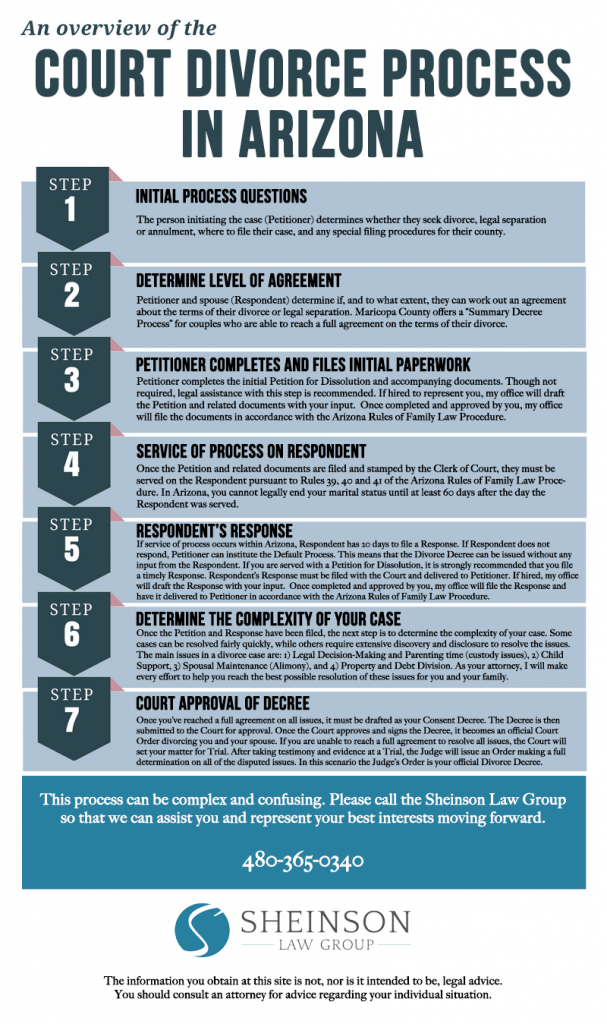
The decision to pursue a divorce is deeply personal and often accompanied by a whirlwind of emotions and practical considerations. It’s akin to planning an extensive exploration, where meticulous research and a clear understanding of the terrain are paramount. Just as one might research destinations, attractions, and experiences before embarking on a global adventure, understanding the legal framework for divorce in Arizona is essential for a smoother transition. This guide will delve into the fundamental aspects, from understanding the residency requirements to the various types of divorce proceedings available, and the crucial steps involved in finalizing the dissolution of your marriage.
Understanding the Fundamentals of Divorce in Arizona
Before diving into the specifics of filing for divorce in Arizona, it’s imperative to grasp the foundational requirements and legal terminology. This initial phase of understanding is akin to preparing for a significant trip, where gathering essential documents and understanding the local customs is the first order of business.
Residency Requirements: Establishing Your Foothold
To file for divorce in Arizona, you must meet certain residency requirements. This is non-negotiable and serves as the legal basis for the Arizona courts to have jurisdiction over your case.
- Minimum Residency: One of the parties, either the petitioner or the respondent, must have resided in Arizona for at least 90 days immediately preceding the filing of the divorce petition. This means you cannot simply move to Arizona with the sole intention of filing for divorce; you must demonstrate a genuine connection to the state.
- County of Filing: Once the residency requirement is met, the divorce petition must be filed in the county where either you or your spouse resides. If you are unsure which county this is, consulting with an Arizona attorney can provide clarity.
Grounds for Divorce: The Reasons for Dissolution
Arizona is a “no-fault” divorce state. This means that you do not need to prove that your spouse did something wrong to be granted a divorce. The law recognizes that marriages can break down for reasons beyond the control of either party.
- Irretrievable Breakdown of Marriage: The sole ground for divorce in Arizona is the irretrievable breakdown of the marriage. This simply means that the marriage is not salvageable and there is no reasonable prospect of reconciliation.
- No Need for Blame: Unlike some jurisdictions that require proof of adultery, abandonment, or cruelty, Arizona does not require you to assign blame. This can significantly reduce the emotional strain and adversarial nature of the divorce proceedings, allowing for a more amicable resolution.
Types of Divorce Proceedings: Choosing Your Path
Just as there are various types of accommodation and travel styles, there are different approaches to divorce in Arizona, catering to varying levels of agreement between spouses.
Summary Divorce: The Streamlined Approach
For couples who can agree on all aspects of their divorce, a summary divorce is the most straightforward and fastest option. This is ideal for situations where there are no minor children, limited marital property, and no disputes over spousal maintenance.
- Eligibility Criteria: To qualify for a summary divorce, both parties must agree on all issues, including the division of property and debts. There must be no minor children born or adopted during the marriage, and the marriage must not have lasted more than five years. Both parties must also waive their right to spousal maintenance and have less than $10,000 in community property and community debt combined.
- Process: The process involves filing specific paperwork with the court, which includes a joint petition and a decree of dissolution. Both parties sign these documents, and once approved by the judge, the divorce is finalized. This is akin to booking a pre-packaged tour where all arrangements are made in advance, ensuring a hassle-free experience.
Uncontested Divorce: Agreement is Key
An uncontested divorce occurs when both parties agree on all the terms of the divorce, even if they do not meet the strict criteria for a summary divorce. This includes agreements on child custody, child support, spousal maintenance, and the division of community property and debts.
- Negotiation and Agreement: While not as swift as a summary divorce, an uncontested divorce is generally faster and less expensive than a contested divorce. The parties, often with the assistance of attorneys, negotiate and reach a comprehensive settlement agreement. This agreement is then submitted to the court for approval.
- Benefits: The primary benefit of an uncontested divorce is that it minimizes conflict and allows couples to maintain a greater degree of control over the outcome of their divorce. It fosters a more collaborative approach, similar to couples planning a family trip where both partners have a say in the destination, hotels, and activities.
Contested Divorce: When Agreement Fails
A contested divorce arises when spouses cannot agree on one or more significant issues related to the dissolution of their marriage. These issues can include child custody and visitation, child support, spousal maintenance, and the division of community property and debts.
- Litigation Process: In a contested divorce, the parties will likely engage in a more extensive legal process, which may involve discovery (exchanging information and evidence), mediation, settlement conferences, and potentially a trial. This is the most complex and time-consuming type of divorce.
- Role of the Court: The court will ultimately make decisions on the disputed issues based on Arizona law. This process is akin to a complex travel planning scenario where disagreements arise regarding luxury travel versus budget travel, or differing opinions on suitable resorts and villas.
The Divorce Process: Step-by-Step in Arizona
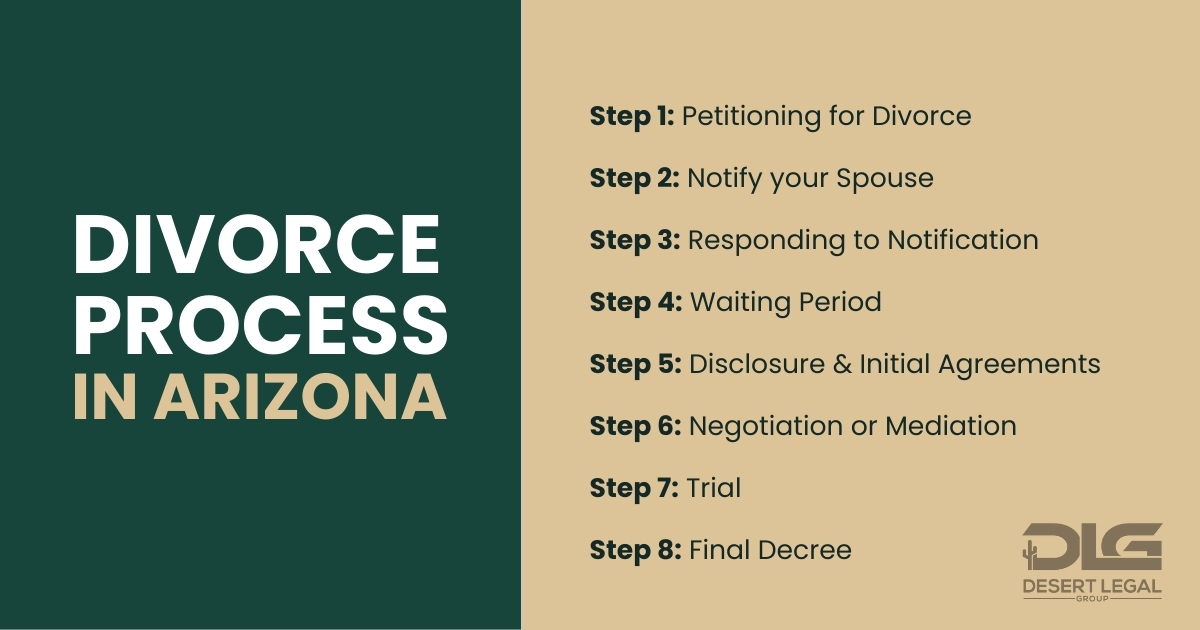
Navigating the legal process of divorce can feel overwhelming, much like deciphering a complex travel itinerary. However, by breaking it down into manageable steps, the journey becomes more discernible. This section outlines the typical stages involved in obtaining a divorce in Arizona.
Initiating the Divorce: Filing the Petition
The first formal step in the divorce process is filing a Petition for Dissolution of Marriage with the appropriate court.
- Petitioner: The spouse who initiates the divorce is known as the petitioner. They are responsible for preparing and filing the initial divorce documents.
- Respondent: The other spouse is known as the respondent. They will be formally notified of the divorce proceedings.
- Required Information: The petition will include information about both parties, the marriage, any children of the marriage, and the relief sought (e.g., dissolution of marriage, child custody, property division).
Serving the Respondent: Notification of Proceedings
Once the petition is filed, the respondent must be formally notified of the divorce action. This is known as service of process.
- Methods of Service: Service can be accomplished through a sheriff’s deputy, a private process server, or by certified mail with return receipt requested. In some instances, if the respondent is cooperative, they may sign a Waiver of Service, which avoids the need for formal service.
- Importance of Proper Service: Ensuring proper service is crucial, as it establishes the court’s jurisdiction over both parties and allows the proceedings to move forward.
The Response: The Respondent’s Role
After being served, the respondent has a specific timeframe to file a Response to the Petition.
- Timeframe: In Arizona, the respondent typically has 20 days (or 30 days if served outside of Arizona) to file their response.
- Contents of the Response: The response allows the respondent to agree with or contest the requests made in the petition. They may also file a counter-petition, outlining their own requests.
Temporary Orders: Addressing Immediate Needs
During the divorce proceedings, especially in contested divorce cases, it is often necessary to establish temporary orders to address immediate needs.
- Purpose: These orders can cover matters such as temporary child custody and visitation schedules, temporary child support and spousal maintenance payments, and who will reside in the marital home.
- Court Intervention: If the parties cannot agree on temporary arrangements, either party can request a court hearing to have these matters decided by a judge. This ensures that essential family needs are met while the divorce is pending, much like securing temporary accommodation during a transitional period of travel.
Discovery: Gathering Information
The discovery phase is where both parties gather information and evidence relevant to the divorce. This can involve exchanging financial documents, interrogatories (written questions), depositions (sworn testimony), and requests for production of documents.
- Financial Disclosure: This is a critical part of discovery, especially when dealing with the division of community property and debts. Both parties are required to provide a full and accurate disclosure of their assets and liabilities.
- Importance: Thorough discovery ensures that all marital assets and debts are identified and that decisions regarding property division and financial support are based on complete information, similar to ensuring you have all the necessary guidebooks and maps for a comprehensive exploration.
Settlement or Trial: The Final Stages
Once discovery is complete, the parties will either reach a settlement agreement or proceed to a trial.
- Settlement Agreement: If the parties can reach an agreement on all outstanding issues, they will draft a Marital Settlement Agreement. This document is then submitted to the court for approval. This is the most desirable outcome, as it minimizes conflict and legal costs.
- Trial: If an agreement cannot be reached, the case will proceed to trial. A judge will hear evidence from both sides and make the final decisions on all disputed matters. This is the least preferred outcome due to its adversarial nature and cost.
Finalizing the Divorce: The Decree of Dissolution
The culmination of the divorce process in Arizona is the Decree of Dissolution of Marriage.
The Decree of Dissolution: The Official End
The Decree of Dissolution is the legal document that officially terminates the marriage.
- Court Approval: Once the parties have reached a settlement agreement or the judge has made decisions after a trial, the court will sign the Decree of Dissolution.
- Key Provisions: The decree will outline all the terms of the divorce, including the division of property and debts, child custody and support arrangements, and any spousal maintenance orders.
Post-Divorce Matters: Moving Forward
Even after the divorce is finalized, there may be post-divorce matters that require attention.
- Enforcement of Orders: If either party fails to comply with the terms of the decree, the other party can seek court intervention to enforce the orders.
- Modification of Orders: In certain circumstances, particularly concerning child custody and support, court orders may need to be modified if there are substantial changes in circumstances. This might involve a parent relocating to a new city or needing to adjust travel plans due to unforeseen events, necessitating a revision of existing arrangements.
Obtaining a divorce in Arizona is a legal process that requires adherence to specific procedures and requirements. While the journey may be challenging, understanding these steps can help to navigate the process with greater clarity and confidence. Whether you are contemplating a budget travel approach to your divorce or considering the complexities of a more involved plan, seeking legal counsel from an experienced Arizona divorce attorney is highly recommended. They can provide personalized guidance and ensure that your rights are protected throughout this significant life transition. Remember, just as a well-planned trip allows for smoother sailing, a well-understood legal process can facilitate a more peaceful resolution.
LifeOutOfTheBox is a participant in the Amazon Services LLC Associates Program, an affiliate advertising program designed to provide a means for sites to earn advertising fees by advertising and linking to Amazon.com. Amazon, the Amazon logo, AmazonSupply, and the AmazonSupply logo are trademarks of Amazon.com, Inc. or its affiliates. As an Amazon Associate we earn affiliate commissions from qualifying purchases.