
Florida, the Sunshine State, beckons millions with its pristine beaches, vibrant theme parks, and lush natural landscapes. From the bustling energy of Miami to the historic charm of St. Augustine, and the family-friendly thrills of Orlando, the state offers an unparalleled array of experiences for every traveler. Whether you’re seeking a luxurious resort escape, a budget-friendly adventure, or a deep dive into local culture, Florida promises unforgettable journeys. However, amidst this idyllic appeal lies a crucial consideration for residents and visitors alike: understanding flood zones. For those planning a trip, considering a long-term stay, or even contemplating a permanent move, navigating the nuances of flood maps is paramount. One such designation that frequently arises is “Flood Zone X.” But what exactly does Flood Zone X signify in the context of Florida?
Understanding Florida’s Flood Zones
Florida, with its extensive coastline and numerous waterways, is inherently susceptible to flooding. The Federal Emergency Management Agency (FEMA) plays a pivotal role in assessing and mapping these flood risks across the nation. Their Flood Insurance Rate Maps (FIRMs) are the official documents that delineate areas with varying degrees of flood hazard. These maps are essential for insurance purposes, land-use planning, and informing individuals about potential risks to their properties and during their travels.
The FEMA Flood Map Service Center
The primary source for official flood hazard information in the United States is the FEMA Flood Map Service Center. This online portal allows users to access FIRMs for specific addresses or geographic areas. By inputting a location, individuals can view detailed maps that highlight different flood zones, floodways, and base flood elevations. These maps are updated periodically to reflect changes in topography, development, and flood risk assessments. Understanding how to navigate these resources is the first step in grasping the significance of designations like Flood Zone X.
Why Flood Zones Matter for Travelers and Residents
For travelers, understanding flood zones can influence accommodation choices, particularly for those booking apartments or villas for extended stays, or even selecting a particular resort or hotel. While short-term stays might seem less impacted, severe weather events, which can be amplified by flooding, can disrupt travel plans, lead to cancellations, and pose safety concerns. Knowing the flood risk of your chosen destination or accommodation can help you make informed decisions and prepare accordingly.
For residents, the implications are far more significant, impacting property values, insurance costs, and building regulations. Building or renovating in high-risk flood zones often requires specific flood-proofing measures and comes with mandatory flood insurance requirements. Even in areas designated as lower risk, preparedness is always advisable, given the unpredictable nature of storms.
Decoding Flood Zone X: A Moderate Risk Designation
Flood Zone X, often appearing as “Zone X” on FIRMs, represents a designation of moderate to low flood hazard. This is a critical distinction and a point of frequent confusion. It’s important to understand what this designation does and does not mean.
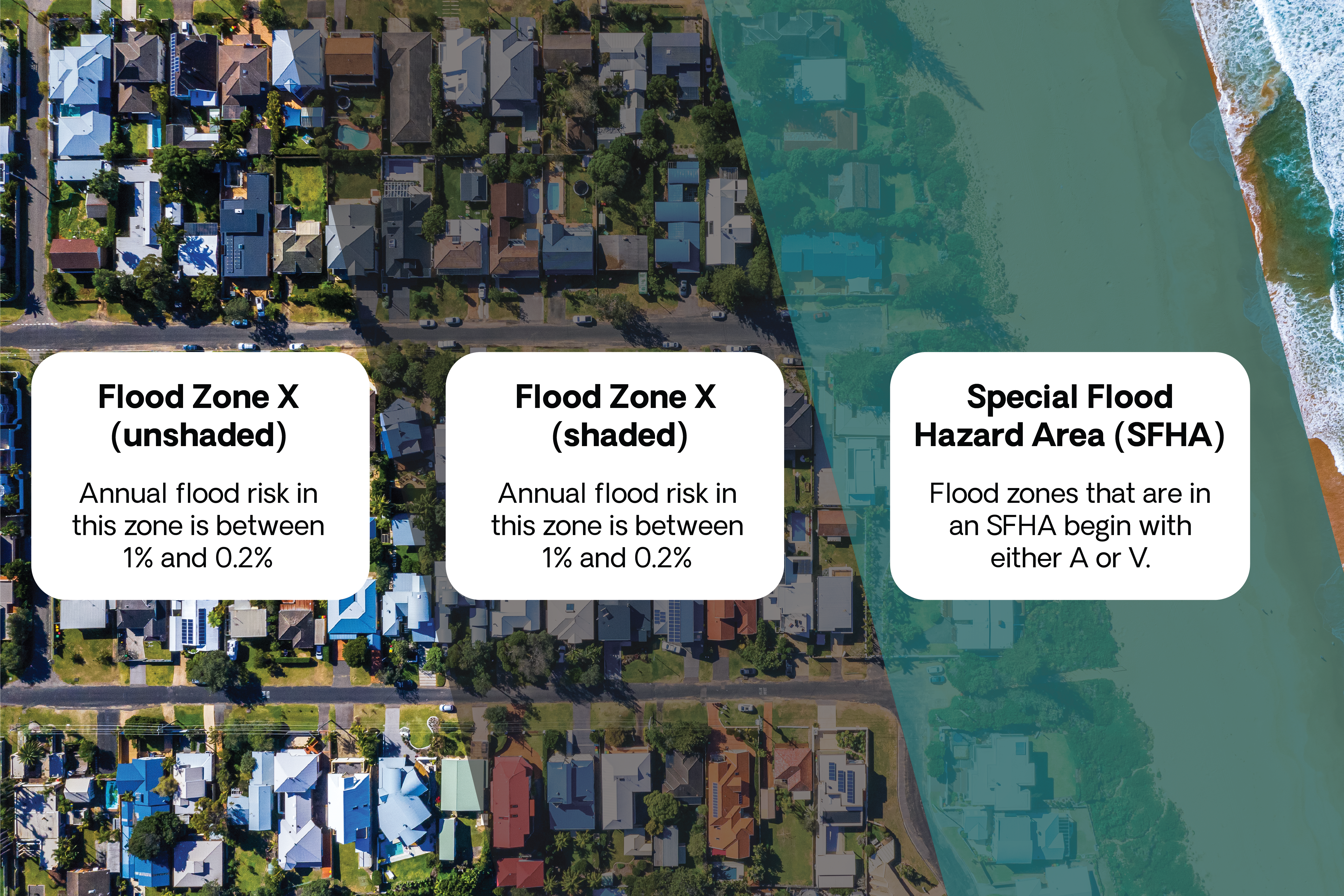
Understanding “Shaded Zone X” vs. “Unshaded Zone X”
Within the broader Flood Zone X category, there are two sub-categories:
- Shaded Zone X (or Zone X, Shaded): This designation indicates areas that are protected by a levee or a dam, or are outside the 100-year floodplain but have a moderate risk of flooding (a 0.2% annual chance of flooding, often referred to as a 500-year flood). These areas still experience some risk, but it’s considered less frequent than in higher-risk zones.
- Unshaded Zone X (or Zone X, Unshaded): This designation represents areas with a low risk of flooding. These are areas outside the 100-year and 500-year floodplains. The annual chance of flooding is less than 0.2%.
It is the presence of these designations on a FIRM that dictates insurance requirements and influences development.
Insurance Implications for Flood Zone X
The flood insurance requirements for properties within Flood Zone X differ significantly from those in higher-risk zones.
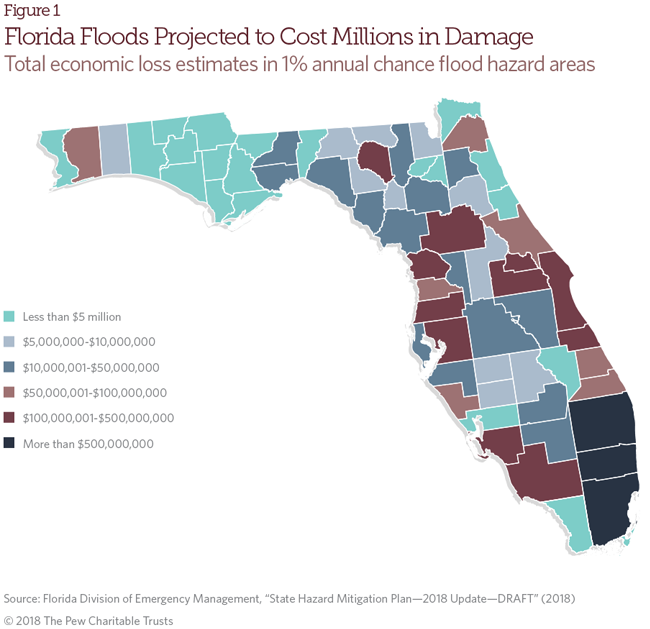
- Mandatory Flood Insurance: For properties located in Special Flood Hazard Areas (SFHAs), which include Zones A and V, flood insurance is typically mandatory for properties with federally backed mortgages. These are the areas with a 1% annual chance of flooding (100-year flood).
- Flood Zone X and Insurance: In Flood Zone X, flood insurance is generally not mandatory for properties with federally backed mortgages. However, this does not mean that flooding cannot occur. Even low-risk areas can experience flooding due to intense rainfall, dam failures, or localized drainage issues. Many homeowners and renters in Flood Zone X choose to purchase flood insurance voluntarily to protect their assets from potential damage. It is often more affordable in these lower-risk zones compared to SFHAs.
When booking accommodations, particularly for longer stays or if considering the purchase of property, inquiring about flood zone status and insurance can be a prudent step. While a suite in a large resort might have its own insurance, understanding the property’s overall flood risk assessment is beneficial.
Risk vs. Certainty: What Flood Zone X Means for Preparedness
It is crucial to reiterate that Flood Zone X, whether shaded or unshaded, signifies a reduced risk, not an absence of risk. Florida is known for its subtropical climate, which includes the potential for hurricanes and tropical storms. These events can cause significant rainfall, leading to inland flooding even in areas not traditionally considered high-risk.
For travelers: Even if your chosen destination in Florida, like the vibrant beaches of the Florida Keys or the family attractions around Tampa, is in Flood Zone X, it’s wise to stay informed about weather forecasts during your visit. Having a basic emergency kit and knowing evacuation routes, even if unlikely to be needed, is always a good practice for any trip to Florida.
For residents: Living in Flood Zone X offers a sense of security and potentially lower insurance premiums, but complacency is not advised. Maintaining your property, ensuring proper drainage, and having a disaster preparedness plan are essential steps for all Florida residents, regardless of their flood zone designation. This includes having a plan for securing your home, having essential supplies, and knowing how to stay informed during severe weather.
Navigating Florida’s Landscape: Beyond the Flood Maps
While flood zone designations are critical for risk assessment and insurance, they are just one facet of understanding Florida’s diverse landscape and the experiences it offers. The state’s appeal extends far beyond its flood maps, encompassing rich local culture, delectable food, and a plethora of activities.
Exploring Diverse Destinations and Attractions
Florida boasts a wide range of attractions catering to every interest. For those who love history, the ancient streets of St. Augustine and the captivating architecture of the Art Deco Historic District in Miami Beach offer glimpses into the past. Nature enthusiasts can explore the unique ecosystems of the Everglades National Park or marvel at the crystal-clear springs of the Ocala National Forest. For families, the world-renowned theme parks in Orlando, such as Walt Disney World Resort and Universal Orlando Resort, provide endless entertainment.
Accommodation Options for Every Lifestyle
The state’s tourism industry is robust, offering an extensive selection of accommodations. From luxurious resorts with world-class amenities in places like Palm Beach to charming boutique hotels in smaller towns, there’s something for every budget and travel style. For those seeking a more home-like experience, apartments and villas are available for long-term stays, offering greater flexibility and often more space. Websites that facilitate booking, reviews, and comparison of these options are invaluable resources for travelers planning their Florida adventure.
Embracing the Florida Lifestyle
The allure of Florida extends to its vibrant lifestyle, which can be experienced through various lenses. Whether it’s indulging in luxury travel with fine dining and high-end shopping in cities like Naples, or embracing budget travel with affordable adventures and local eateries, the state caters to diverse preferences. Family trips are a cornerstone of Florida’s tourism, with attractions designed to delight all ages. Even for those on business stays, Florida offers excellent infrastructure and opportunities for leisure.
In conclusion, while understanding Flood Zone X in Florida is an important aspect of responsible planning, it should not overshadow the immense beauty, diverse attractions, and welcoming spirit that the Sunshine State has to offer. By being informed about potential risks and utilizing available resources, travelers and residents can fully enjoy everything Florida has to offer, ensuring a safe and memorable experience.
LifeOutOfTheBox is a participant in the Amazon Services LLC Associates Program, an affiliate advertising program designed to provide a means for sites to earn advertising fees by advertising and linking to Amazon.com. Amazon, the Amazon logo, AmazonSupply, and the AmazonSupply logo are trademarks of Amazon.com, Inc. or its affiliates. As an Amazon Associate we earn affiliate commissions from qualifying purchases.