
The Importance of Food Safety in California’s Tourism Sector
California stands as a global beacon for tourism, attracting millions of visitors each year drawn to its diverse landscapes, iconic landmarks, and vibrant cultural tapestry. A significant portion of this appeal lies in its world-renowned culinary scene, from farm-to-table restaurants in wine country to bustling food trucks in urban centers and fine dining establishments overlooking the Pacific. For anyone considering a career in the state’s expansive hospitality industry, particularly in roles involving food service, understanding and adhering to stringent food safety standards is not merely a recommendation but a legal and ethical imperative. The food handler certificate serves as a fundamental credential, underscoring a commitment to public health and professional excellence, which is crucial for maintaining California’s reputation as a safe and premier tourist destination.
Protecting Visitors and Local Reputation
The very foundation of a positive tourism experience often begins with a safe and enjoyable meal. Visitors to California expect nothing less than the highest standards of hygiene and food preparation, whether they are dining at a Michelin-starred restaurant in San Francisco, grabbing a quick bite near Disneyland in Anaheim, or enjoying fresh seafood along the coast of San Diego. A single incident of foodborne illness can severely tarnish a business’s reputation and, by extension, reflect negatively on the broader tourism industry within the state. A food handler certificate demonstrates that an individual has a baseline understanding of safe food handling practices, including preventing cross-contamination, maintaining proper temperatures, and practicing good personal hygiene. This knowledge is paramount in preventing foodborne illnesses, thereby safeguarding the health of tourists and local residents alike. By ensuring that food service professionals are properly trained, California reinforces its commitment to visitor welfare, fostering trust and encouraging repeat tourism.
Legal Mandates for Hospitality Professionals
Beyond ethical considerations, obtaining a food handler certificate is a non-negotiable legal requirement for many individuals working in California’s food service industry. The California Retail Food Code mandates that most food employees must obtain a California Food Handler Card within 30 days of employment. This statewide mandate applies to anyone who handles food or food-contact surfaces in a food facility, encompassing a vast array of roles within the tourism ecosystem: chefs, cooks, waitstaff, bartenders, dishwashers, and even food truck operators. Exemptions are typically limited and specific, often relating to individuals holding higher food safety certifications like a Certified Food Protection Manager. For anyone aspiring to contribute to California‘s thriving tourism and hospitality sector, understanding and complying with this regulation is the first crucial step. It ensures that businesses operate within legal boundaries, avoiding penalties and upholding the state’s reputation for stringent public health standards. This adherence is vital for all establishments, from major hotel chains and resort kitchens to independent cafes and catering services that serve tourists.
Navigating the California Food Handler Card Requirement
Understanding the specifics of the California Food Handler Card requirement is essential for anyone entering or advancing within the state’s hospitality and tourism industry. This credential, often referred to simply as a food handler’s card, is a testament to an individual’s basic knowledge of food safety principles and is crucial for maintaining the high standards expected by both regulators and the millions of visitors who dine across the state. The process is designed to be accessible, ensuring a broad base of trained professionals are upholding public health.
Who Needs a Certificate?
The mandate for a California Food Handler Card is quite broad, casting a wide net over most individuals involved in food service. Generally, any “food employee” working in a “food facility” in California is required to obtain this card. A food employee is defined as an individual involved in the preparation, storage, or service of food, or who comes into contact with food or food-contact surfaces. This includes, but is not limited to, cooks in hotel restaurants in Los Angeles, servers at waterfront cafes in Santa Monica, baristas in coffee shops in Oakland, and even food preparers for catering companies serving events in Napa Valley.
There are some important nuances and exemptions. For instance, individuals who possess a valid Certified Food Protection Manager (CFPM) certification are typically exempt from needing a separate food handler card. Also, employees of certain temporary food facilities or certified farmer’s market managers may have different requirements. However, for the vast majority of frontline food service roles in establishments ranging from theme park eateries to luxury resort dining rooms, the food handler card is a mandatory and foundational credential. It signifies that the individual understands the basic precautions necessary to keep food safe, a critical component of providing a quality experience to tourists exploring California’s culinary offerings.
Understanding the California Retail Food Code
The framework for the California Food Handler Card is enshrined within the California Retail Food Code (CalCode), which outlines the comprehensive regulations for retail food safety across the state. CalCode, updated regularly, sets the standards for everything from food sourcing and storage to preparation, service, and facility maintenance. The food handler card requirement is a direct component of CalCode’s broader mission to protect public health by minimizing the risk of foodborne illness.
Understanding CalCode, even at a basic level through the food handler training, is vital for anyone working in tourism-related food service. It informs the procedures for preventing cross-contamination, ensuring proper cooking and holding temperatures, maintaining personal hygiene, and effectively cleaning and sanitizing equipment. For example, a food handler learning about CalCode will understand why it’s crucial to wash hands thoroughly after handling raw meat before touching ready-to-eat produce, or why cold foods must be kept below a certain temperature to inhibit bacterial growth. Compliance with CalCode is not only a legal obligation but also a professional responsibility that contributes directly to the overall safety and appeal of California’s food scene for both locals and tourists. It ensures that every meal served in the state, from a casual beachside snack to an elaborate banquet, meets a consistent standard of safety and quality.
Step-by-Step Guide to Obtaining Your Certificate
Obtaining a California Food Handler Card is a straightforward process designed to be accessible and efficient. For anyone looking to embark on a career in California’s vibrant food tourism or hospitality sector, understanding these steps is fundamental. The entire process typically involves online training and an examination, culminating in a printable card that validates your food safety knowledge.

Choosing an Accredited Training Provider
The first critical step is selecting an accredited training provider. Not just any online course will suffice; the California Retail Food Code mandates that the training and examination be provided by organizations approved by the California Conference of Local Health Officers (CCLHO) or an ANSI National Accreditation Board (ANAB) accredited program. Many reputable online platforms offer these approved courses, making it convenient to complete the training from anywhere, a significant advantage for those preparing to move to or already residing in various parts of California.
When choosing a provider, consider factors such as the language options available, the clarity of the course material, and the user-friendliness of the platform. Some providers might offer additional resources or study guides that can be beneficial. Verifying the accreditation is paramount to ensure that your efforts and investment lead to a valid and recognized food handler card. This initial choice sets the stage for a smooth learning experience and ensures your certification will be accepted by employers across California’s diverse tourism landscape, from small family-owned restaurants to large convention centers in San Jose.
The Online Course and Exam Experience
Once you’ve selected an accredited provider, the journey to certification involves completing an online course and passing a corresponding examination. The course content is standardized to cover essential food safety topics as dictated by CalCode. These typically include:
- Basic Food Safety: Understanding common foodborne illnesses, their causes, and prevention.
- Personal Hygiene: Emphasizing proper handwashing, glove use, and health requirements for food employees.
- Temperature Control: Learning about safe cooking, holding, cooling, and reheating temperatures to prevent bacterial growth.
- Cross-Contamination Prevention: Identifying sources of contamination and methods to prevent the transfer of harmful bacteria.
- Cleaning and Sanitizing: Proper procedures for maintaining clean food contact surfaces and equipment.
The online format allows for self-paced learning, which is ideal for individuals with varying schedules. Most courses take a few hours to complete, often broken into modules with quizzes to reinforce learning. Following the training, you will take an online examination. The exam typically consists of multiple-choice questions designed to assess your comprehension of the food safety principles taught in the course. A passing score, often 70% or more, is required to obtain the certificate. Many providers allow for multiple attempts if the first one isn’t successful. This flexible and comprehensive training ensures that all certified food handlers possess the foundational knowledge crucial for maintaining public health in California’s bustling food service industry.
Receiving and Maintaining Your Card
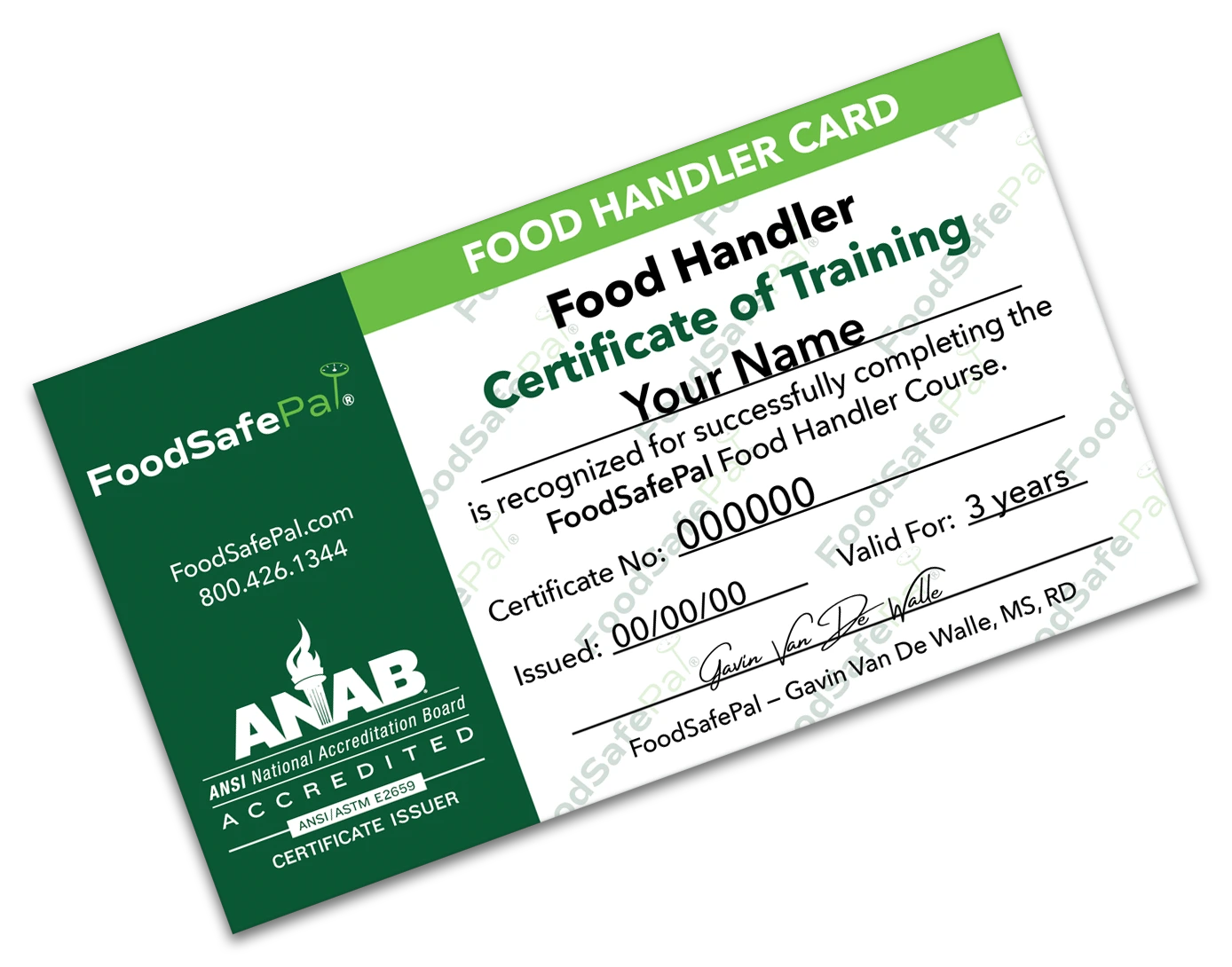
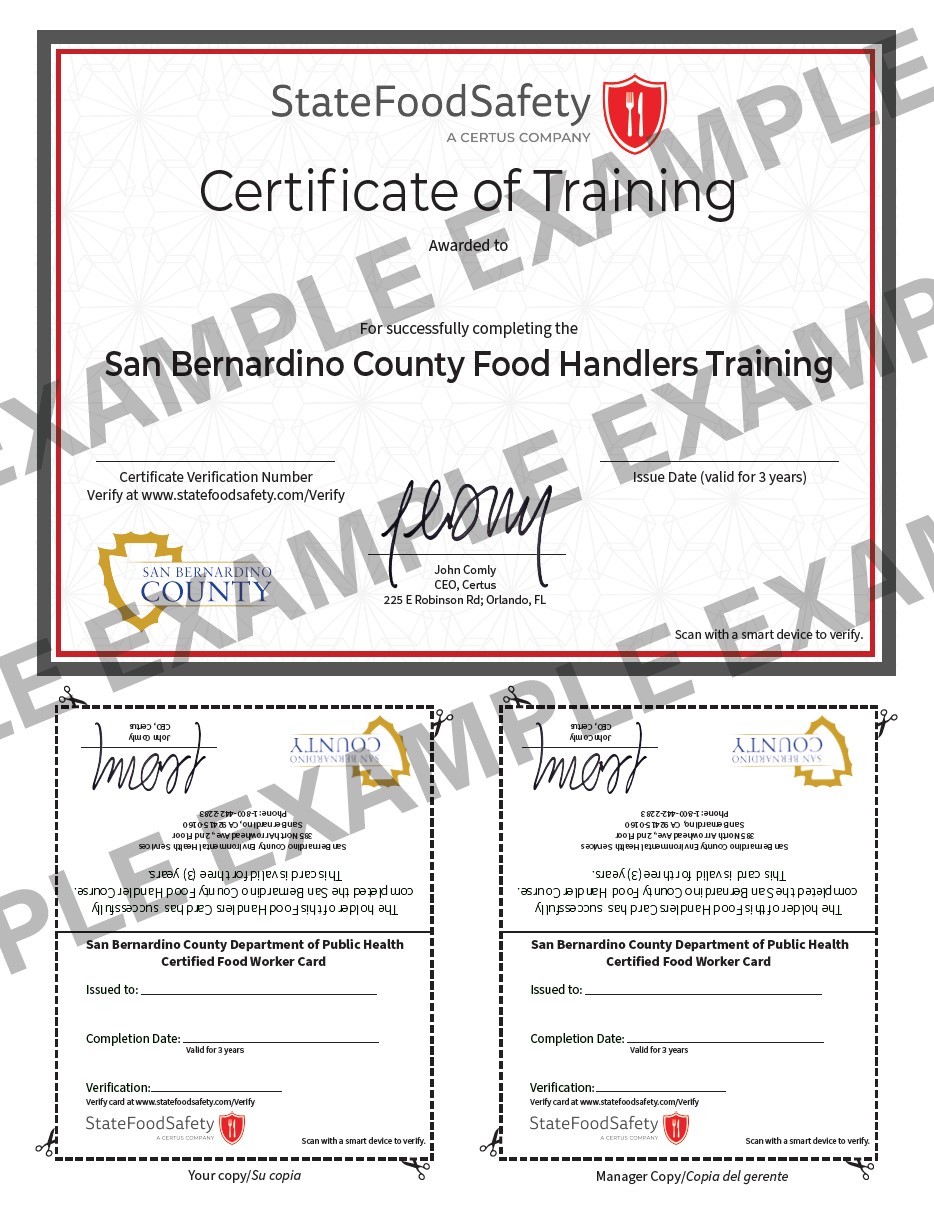
Upon successfully passing the exam, you will typically receive a printable California Food Handler Card immediately. This card serves as official proof of your certification and must be provided to your employer within 30 days of hire. It’s advisable to keep a copy for your records and be prepared to present it upon request, particularly during health inspections at food establishments.
It is important to note that the California Food Handler Card is valid for three years from the date of issuance. Before its expiration, you will need to retake an approved food handler training course and pass the exam again to renew your certification. This re-certification process ensures that food service professionals stay current with the latest food safety practices and any updates to the California Retail Food Code. Maintaining an active food handler card is a continuous professional obligation for anyone working in food service in California, reflecting an ongoing commitment to public health and the quality of the state’s tourism experience.
Impact on Your Tourism Career in California
Obtaining a California Food Handler Card is more than just fulfilling a legal requirement; it’s a strategic move that significantly enhances one’s career prospects within the state’s expansive tourism and hospitality sector. In a competitive job market, this certification acts as a valuable asset, signaling a professional’s preparedness and dedication to quality service. It directly influences employability and allows individuals to play an active role in shaping California’s esteemed culinary reputation.
Enhanced Employment Opportunities
For aspiring and current professionals in California’s tourism industry, possessing a valid food handler certificate immediately broadens the scope of potential employment. Employers in hotels, resorts, restaurants, catering companies, event venues, and even cruise lines operating out of California ports, are legally obligated to ensure their food service staff are certified. Therefore, job candidates who already have their card often have a distinct advantage. It saves the employer time and resources on initial training, demonstrating a proactive approach to one’s career.
This competitive edge is particularly valuable in major tourist hubs like San Diego, Los Angeles, and San Francisco, where the demand for skilled hospitality workers is consistently high. A certified food handler is immediately eligible to work in a variety of roles, from entry-level positions to more specialized culinary roles, streamlining the hiring process for businesses. This fundamental credential effectively opens doors to diverse opportunities, allowing individuals to explore different facets of the food service industry and find a niche that aligns with their career aspirations within California’s dynamic tourism economy.
Contributing to California’s Culinary Scene
Beyond individual career benefits, certified food handlers play a pivotal role in upholding and elevating California’s world-renowned culinary scene. The state is celebrated for its innovation in cuisine, farm-to-table movements, and diverse gastronomic experiences that are a major draw for tourists globally. Each food handler, by adhering to strict safety protocols learned through certification, directly contributes to the integrity and reputation of this vibrant sector.
When visitors dine in California, they expect not only delicious food but also the assurance that it has been prepared and served safely. Certified food handlers are the frontline guardians of this trust. Their knowledge prevents foodborne illnesses, ensures proper food handling from storage to plate, and maintains the hygienic standards that are critical for any successful food operation. This collective effort among thousands of certified professionals helps maintain California’s status as a premier dining destination, attracting more food enthusiasts and bolstering the state’s overall tourism appeal. Therefore, obtaining a food handler certificate is not just about personal compliance; it’s an investment in the collective success and reputation of California’s invaluable tourism and food service industries.
LifeOutOfTheBox is a participant in the Amazon Services LLC Associates Program, an affiliate advertising program designed to provide a means for sites to earn advertising fees by advertising and linking to Amazon.com. Amazon, the Amazon logo, AmazonSupply, and the AmazonSupply logo are trademarks of Amazon.com, Inc. or its affiliates. As an Amazon Associate we earn affiliate commissions from qualifying purchases.