
The intersection of the hospitality industry and social welfare services often creates a vital safety net for individuals experiencing housing instability. While the primary purpose of a hotel is to provide temporary lodging for travelers and business professionals, these establishments frequently serve as emergency shelters through structured voucher programs and community partnerships. Securing a free hotel room for those in need requires navigating a complex ecosystem of government agencies, non-profit organizations, and corporate social responsibility initiatives. Understanding the mechanics of these accommodation systems is essential for social workers, advocates, and individuals seeking immediate refuge from the elements.
The Mechanics of Emergency Housing Vouchers
Emergency housing vouchers represent the most common pathway to securing a hotel stay at no cost to the individual. These vouchers act as a form of payment guarantee, where a third-party organization covers the nightly rate, taxes, and sometimes incidental fees of a room. In the United States, the distribution of these resources is typically managed at the local level but funded through federal or state grants.
Federal and State Funding Streams
The Department of Housing and Urban Development (HUD) is the primary engine behind large-scale emergency lodging initiatives. During periods of extreme weather, natural disasters, or public health crises, HUD may release specialized funding to municipalities. Programs like Section 8 are more focused on long-term rental assistance, but emergency vouchers are designed for immediate, short-term relief. In California, programs like Project Roomkey served as a landmark example of how state governments can lease entire hotels to provide non-congregate shelter.
The Role of 2-1-1 Services
For many seeking immediate accommodation, the 2-1-1 service, managed by the United Way, serves as the central clearinghouse for information. This telephonic resource connects individuals with local operators who maintain real-time databases of available hotel vouchers. The availability of these rooms often fluctuates based on seasonal demand and the specific budget cycles of local counties. In cities like Chicago or Seattle, 2-1-1 is the first step in identifying which hotels have active contracts with the city to accept emergency placements.
Key Organizations Providing Short-Term Lodging
Non-profit organizations are the bridge between the hotel industry and the vulnerable populations they serve. These entities often hold pre-negotiated rates with budget-friendly chains to ensure they can maximize the number of people they assist with their limited philanthropic budgets.
The Salvation Army and Catholic Charities
The Salvation Army operates one of the most extensive networks of emergency assistance in North America. Beyond their physical shelters, they often provide “hotel vouchers” for families with children, the elderly, or individuals with disabilities who may not be suited for a traditional shelter environment. Similarly, Catholic Charities USA works extensively in urban centers like New York City and San Francisco to provide short-term stays in hotels when their primary residential facilities reach capacity.
Disaster Relief via the Red Cross
When homelessness is the result of a sudden disaster, such as a fire or flood, the American Red Cross becomes the primary provider of emergency accommodation. They often partner with major brands like Quality Inn or Days Inn to house displaced residents. These stays are typically brief—ranging from three to seven days—intended to provide a stable environment while the individual coordinates with insurance or seeks more permanent housing solutions.
Specialized Local Societies
In many communities, the St. Vincent de Paul Society provides localized assistance. Their approach is often more grassroots, with local “conferences” or chapters deciding how to allocate funds for emergency hotel stays. These organizations are particularly active in mid-sized cities like Portland or Denver, where they might have direct relationships with independent motel owners.
Hotel Industry Partnerships and Corporate Responsibility
The participation of the hotel industry itself is a critical component of the “free room” equation. While hotels are profit-driven enterprises, many participate in social programs as part of their corporate social responsibility (CSR) mandates or to maintain high occupancy rates during off-peak seasons.
Chain Participation and Negotiated Rates
Large hospitality conglomerates like Wyndham Hotels & Resorts and Choice Hotels are frequently the preferred partners for voucher programs. Their economy brands, such as Super 8 and Econo Lodge, offer the low-cost structure necessary for non-profits to stretch their dollars. These hotels often sign “Master Service Agreements” with city governments, agreeing to set aside a specific number of rooms for social service placements in exchange for a guaranteed, albeit discounted, nightly rate paid by the government.
Budget Lodging as a Transitional Resource
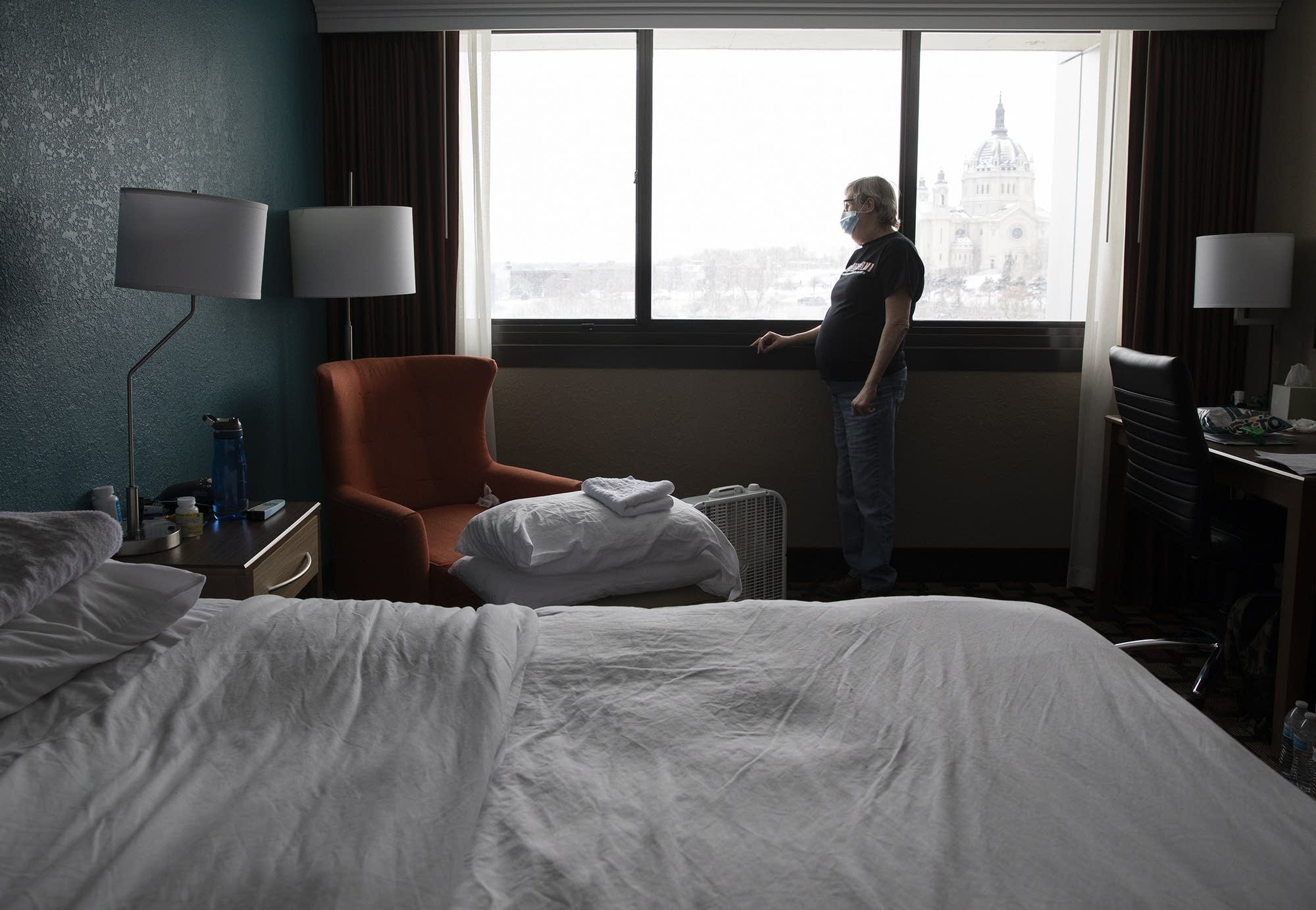
Properties like Motel 6 have historically been significant players in the emergency accommodation space. Their exterior-corridor designs and simplified amenities make them easier to manage for short-term transitional stays. In the United Kingdom, the government frequently utilizes brands like Travelodge or Premier Inn to house families in London when social housing is unavailable. This practice, while controversial due to the lack of kitchen facilities, provides a roof over heads that would otherwise be on the street.
Luxury and Mid-Scale Engagement
While less common, mid-scale and upscale brands such as Hilton or Marriott International occasionally engage in these programs during extreme emergencies. For example, during the global pandemic, several InterContinental Hotels Group properties were repurposed as isolation centers or temporary housing. However, these are typically exceptions driven by unprecedented public need rather than standard operating procedures.
Navigating the Booking Process for Social Stays
The process of securing a room through a voucher is vastly different from a standard guest booking. It involves specific documentation, adherence to behavioral contracts, and communication between the hotel’s front desk and the sponsoring agency.
Eligibility and Documentation
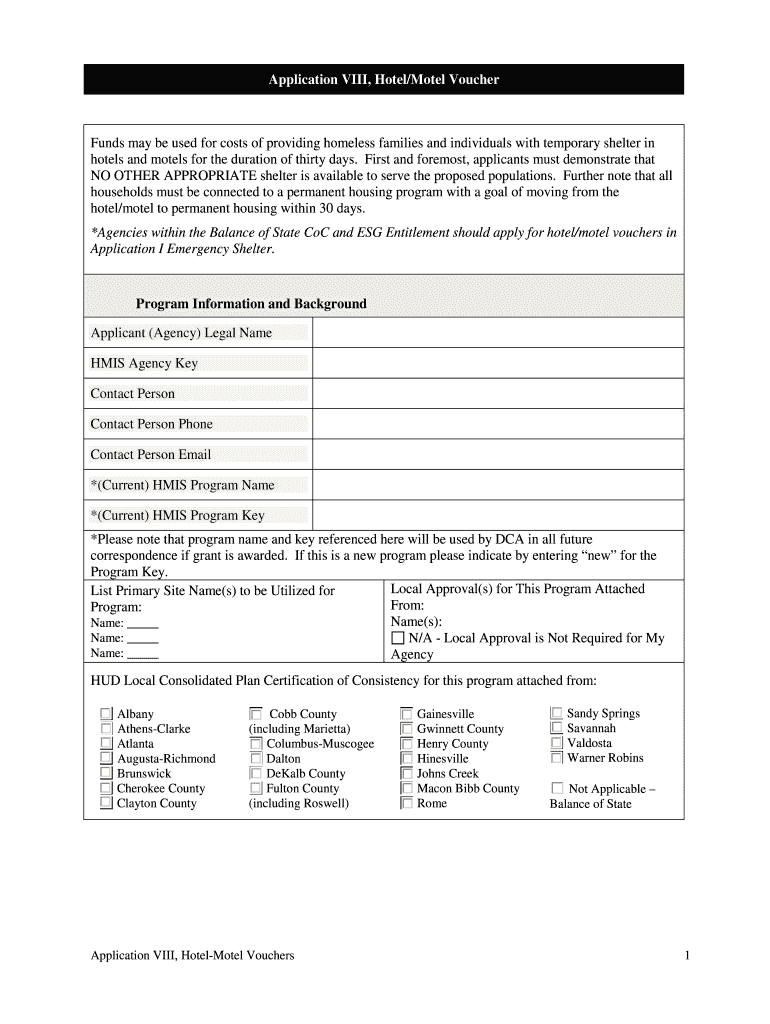
Most programs require the individual to meet specific criteria. This often includes proof of “literally homeless” status, which is a specific HUD definition. Priority is almost always given to high-risk groups. For instance, a program in Los Angeles might prioritize veterans or women with young children. Documentation such as a state-issued ID is usually required, although some low-barrier programs work with hotels to waive this requirement if the sponsoring agency provides a formal letter of identification.
The Role of Case Management
Getting the room is often contingent on the individual agreeing to work with a case manager. The hotel room is viewed as a “stabilization point” rather than a permanent solution. Agencies like Volunteers of America use these hotel stays as a window of opportunity to help the individual apply for jobs, secure mental health services, or transition into permanent supportive housing.
Security Deposits and Incidental Fees
One of the biggest hurdles in using a “free” hotel room is the requirement for a security deposit or a credit card for incidentals. Many people experiencing homelessness do not have a credit card or the cash for a deposit. To solve this, sophisticated non-profit programs provide a “letter of guarantee” to the hotel, stating that the agency will cover any damages or extra charges incurred during the stay. This allows the guest to check in at properties like Best Western without needing their own financial instruments.
Regional Approaches and Future Trends in Accommodation
The strategy for providing free hotel rooms varies significantly by geography and local policy. What works in Canada may differ from the approach in the United States or Europe.
Innovations in Canada and the UK
In Toronto, the city has increasingly turned to purchasing older hotel properties and converting them into permanent housing or dedicated emergency shelters. This moves away from the “night-by-night” voucher system toward a more stable model of “hotel-as-housing.” Similarly, in Manchester and other parts of the United Kingdom, the “Everyone In” initiative demonstrated the efficacy of using hotels to virtually eliminate rough sleeping during a crisis.
The Transition to Permanent Supportive Housing
The long-term goal for the hospitality-homelessness partnership is the “Hotels-to-Housing” conversion. Many states are now providing grants to non-profits to buy distressed hotel assets, such as an old Holiday Inn or Ramada, and renovate them into studio apartments. This creates a permanent version of the free hotel room, offering the dignity of a private bathroom and a kitchenette, which are essential for long-term stability.
The Impact of Tourism on Availability
The availability of free rooms is often inversely proportional to the strength of the local tourism economy. In a tourist hub like Orlando or Las Vegas, hotels are less likely to accept vouchers during peak travel seasons or major conventions when they can sell rooms at full market price. Consequently, social service agencies must often look to hotels on the outskirts of the city or in less-traveled corridors to find willing partners.
In summary, while “getting a free hotel room” may sound like a simple transaction, it is a highly coordinated effort between the accommodation sector and social services. Through the use of vouchers from the Salvation Army, government initiatives funded by the Department of Housing and Urban Development, and the cooperation of brands like Motel 6 and Wyndham, the hospitality industry continues to play a fundamental role in addressing the immediate needs of the homeless population. As cities continue to refine their housing strategies, the hotel remains a bridge—a temporary sanctuary that provides the safety and privacy necessary for individuals to rebuild their lives.
LifeOutOfTheBox is a participant in the Amazon Services LLC Associates Program, an affiliate advertising program designed to provide a means for sites to earn advertising fees by advertising and linking to Amazon.com. Amazon, the Amazon logo, AmazonSupply, and the AmazonSupply logo are trademarks of Amazon.com, Inc. or its affiliates. As an Amazon Associate we earn affiliate commissions from qualifying purchases.