
Embarking on a hunting journey in California is an exciting prospect, offering a unique blend of adventure, connection with nature, and a profound respect for wildlife. Far from being merely a recreational activity, obtaining a hunting license in this diverse state opens the door to unparalleled outdoor experiences, aligning perfectly with a lifestyle that values exploration, responsible tourism, and an appreciation for California’s stunning natural landscapes. Whether you’re a seasoned hunter looking to explore new territories or a newcomer eager to learn, understanding the steps to acquire a license is your first major stride into a world of conservation-minded adventure.
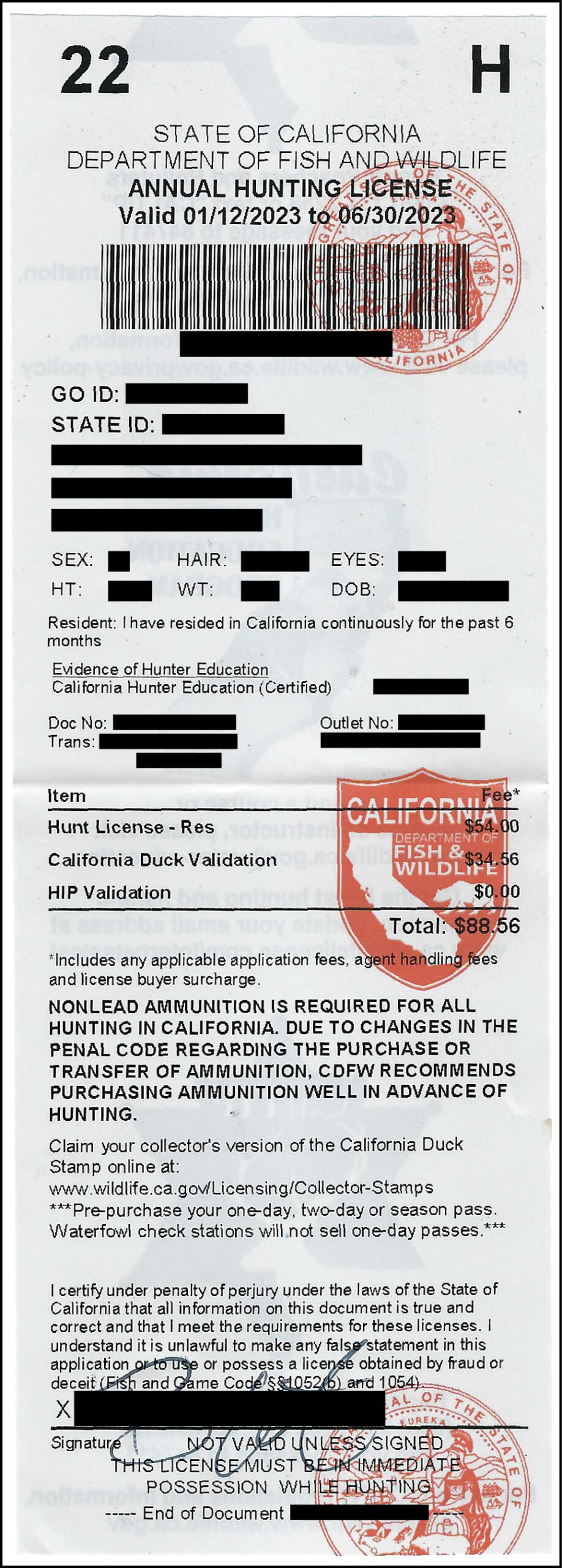
Embarking on Your California Hunting Adventure: A Lifestyle Choice and Travel Experience
California, renowned for its vibrant cities like Los Angeles and San Francisco, iconic landmarks like the Golden Gate Bridge, and world-class attractions such as Disneyland Resort, also harbors an incredible wilderness that beckons outdoor enthusiasts. For those seeking a different kind of travel experience, one that moves beyond conventional tourism to deep engagement with the environment, hunting offers an exceptional pathway. It’s a lifestyle choice that intertwines skill, patience, and a deep understanding of ecosystems, promoting ethical engagement with nature.
Connecting with Nature: More Than Just a Sport
Hunting in California is not just about the pursuit of game; it’s an immersive experience that brings you face-to-face with the raw beauty of the state’s wilderness. Imagine tracking deer through the serene forests of the Sierra Nevada mountains, or patiently waiting for upland game birds in the golden foothills of the Central Valley. These moments offer a profound connection to the natural world, a stark contrast to the urban hustle, and a unique form of travel that few get to experience. This kind of experiential tourism provides not only thrill but also a deep sense of accomplishment and tranquility. It’s an opportunity to practice self-reliance, hone survival skills, and gain an intimate knowledge of local flora and fauna, transforming a simple trip into a comprehensive outdoor education. Many hunters choose to extend their trips, combining their pursuit with visits to nearby natural landmarks or engaging in other outdoor activities, turning a hunting expedition into a holistic travel adventure.
California’s Diverse Landscapes: A Hunter’s Paradise
From the rugged peaks of Northern California to the expansive deserts of Southern California, the state boasts an unparalleled variety of habitats, supporting a wide array of game species. This geographical diversity means hunters can explore vastly different terrains and ecosystems, making each hunting trip a distinct travel adventure. Popular destinations for hunting often lie adjacent to renowned natural landmarks and national forests, such as the Modoc National Forest or the Shasta-Trinity National Forest, providing opportunities to combine hunting with sightseeing or camping. The sheer scale of public land available for hunting, managed by entities like the Bureau of Land Management and the California Department of Fish and Wildlife (CDFW), ensures that there are numerous hunting zones, each with its own character and challenges. This abundance of hunting grounds makes California a premier destination for those seeking an outdoor-focused lifestyle and a truly wild travel experience.
Navigating the Requirements: Your Path to a California Hunting License
Obtaining a hunting license in California is a structured process designed to ensure safety, promote ethical hunting practices, and support wildlife conservation efforts. The primary regulatory body, the California Department of Fish and Wildlife (CDFW), sets clear guidelines that all prospective hunters must follow. This process ensures that every individual venturing into the field is well-prepared, knowledgeable, and committed to sustainable hunting. It’s part of a broader commitment to responsible tourism, ensuring that natural resources are preserved for future generations.
Prerequisite: The Hunter Education Program
The cornerstone of getting a hunting license in California is completing an approved Hunter Education Program. This mandatory requirement applies to anyone who has not held a valid California hunting license in the past or cannot provide proof of having held a hunting license in another state or country. The program is vital for instilling a strong sense of safety, ethics, and conservation responsibility.
Finding an Approved Course
The CDFW offers a robust list of certified hunter education instructors and courses across the state. These courses are available in various formats to accommodate different schedules and learning preferences. You can typically find a course through the CDFW website, which lists upcoming classes in cities and towns from Sacramento to San Diego. Courses often take place at gun clubs, sporting goods stores, or community centers, making them accessible to most residents and visitors who plan an extended stay. These venues also serve as important community hubs for those interested in outdoor activities and responsible lifestyle pursuits.
What to Expect from Hunter Education
The Hunter Education Program is comprehensive, covering essential topics such as firearm safety, hunting ethics, wildlife identification, basic survival and first aid, game care, and conservation principles. The course typically involves both classroom instruction and hands-on training, culminating in a written exam. While it might seem like a formality, this program is foundational for safe hunting and responsible wildlife management. It transforms a novice into a knowledgeable participant, ready to enjoy California’s wilderness safely and respectfully. Completing this course is not just a regulatory hurdle; it’s an investment in a safer and more fulfilling outdoor lifestyle, crucial for anyone engaging in hunting tourism.
Age and Residency Considerations
To obtain a hunting license in California, you generally need to be at least 12 years old. Junior hunting licenses are available for those aged 12 to 17, and specific regulations apply to them, often requiring supervision by a licensed adult.
Residency status also plays a significant role in license pricing. A “resident” is typically defined as any person who has resided continuously in California for six months immediately prior to the date of application for a license or permit. Non-residents can also obtain licenses, but usually at a higher fee, reflecting the state’s revenue generation for conservation efforts. This distinction is important for those planning extended trips or considering relocating to California for an outdoor-centric lifestyle. Understanding these nuances helps in planning your trip, whether you’re looking for short-term accommodation for a hunting expedition or considering a long-term stay to fully immerse yourself in the state’s outdoor offerings.
Understanding License Types and Tags
California offers various types of hunting licenses to cater to different game and situations:
- Resident Hunting License / Non-Resident Hunting License: These are the base licenses required for all hunters.
- Junior Hunting License: For hunters aged 12-17.
- Disabled Hunter Hunting License: Special provisions for qualified individuals.
Beyond the general license, hunters must acquire specific “tags” or “validations” for certain game animals. These tags are critical for managing wildlife populations and ensuring sustainable harvests. Common tags include:
- Deer Tags: Required for hunting deer, often allocated through a draw system due to high demand in popular zones.
- Bear Tags: For hunting black bears, also subject to specific regulations and quotas.
- Pig Tags: For wild pigs, which are considered an invasive species in many areas, offering more open hunting opportunities.
- Elk Tags and Bighorn Sheep Tags: Extremely limited and highly coveted, usually distributed through a lottery drawing.
- Upland Game Bird Validation: Required for hunting species like pheasant, quail, and dove.
- Migratory Bird Hunting and Conservation Stamp (Federal Duck Stamp) and California Waterfowl Validation: Essential for hunting migratory waterfowl.
The complexity of licenses and tags underscores the importance of consulting the CDFW regulations annually, as rules and seasons can change. Planning your hunting trip around these specific tags and their availability is a key part of the travel preparation, akin to booking the right hotel or resort for a specific destination.
The Application Process: Step-by-Step Guide
Once you’ve completed your Hunter Education and familiarized yourself with the requirements, the actual application for your hunting license in California is straightforward. The CDFW has streamlined its licensing system, making it accessible through multiple channels, ensuring that your path to outdoor adventure is as smooth as possible.
Gathering Your Documents
Before applying, ensure you have:
- Proof of Hunter Education Completion: Your certificate or card.
- Valid Identification: A driver’s license or state ID.
- Residency Proof (if applicable): To qualify for resident rates.
For non-residents, a valid hunting license from your home state or country might satisfy the hunter education requirement, but verification is crucial. Always check the latest CDFW guidelines on their official website.
Applying Online, In-Person, or By Mail
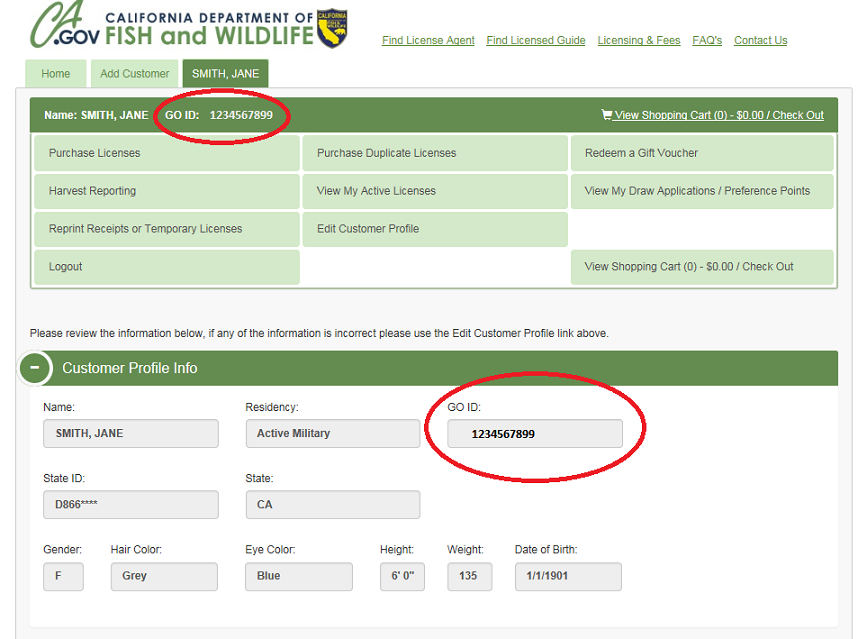
California provides several convenient options for purchasing your hunting license:
- Online: The easiest and most popular method is through the CDFW’s online licensing system, Go Outdoors California. This platform allows you to purchase your license, tags, and validations from the comfort of your home or any hotel with internet access, perfect for travelers planning their expedition.
- In-Person: Licenses can be purchased at authorized license agents throughout the state. These agents are typically sporting goods stores, bait and tackle shops, and some department stores. Visiting an agent can also provide local insights into hunting conditions and recommended gear, enhancing your tourism experience.
- By Mail: While less common now with online options, some specific licenses or tags might still be available via mail application. Check the CDFW website for details.
Purchasing Your Annual Hunting License
Once you’ve navigated the application process, you’ll purchase your annual hunting license. This license is generally valid from July 1st through June 30th of the following year. It’s important to remember that this base license allows you to hunt specific game, but for most big game and migratory birds, additional tags or validations are necessary. The cost of licenses and tags contributes directly to wildlife conservation programs, habitat restoration, and enforcement efforts, making your purchase a direct investment in California’s natural heritage.
Specialized Tags and Permits: Drawing for Opportunity
For highly sought-after species like deer, elk, and bighorn sheep, tags are distributed through a lottery draw system. These draws are competitive, with applications typically submitted months in advance. Hunters apply for specific zones or units, and successful applicants receive a tag that allows them to hunt that species within the designated area during a specified season. Participating in these draws is a significant part of the hunting lifestyle in California, adding an element of anticipation and strategy to the experience. For those planning a dedicated hunting trip, understanding the draw schedule and applying strategically is as crucial as booking your accommodation in advance.
Planning Your California Hunting Expedition: Travel, Accommodation, and Responsible Tourism
With your license and tags secured, the real adventure begins: planning your California hunting expedition. This phase integrates seamlessly with broader travel and tourism considerations, from choosing destinations to finding suitable accommodation, ensuring a responsible and memorable experience.
Choosing Your Destination: Iconic Regions and Hidden Gems
California’s vastness means a wealth of hunting opportunities. Researching specific game species and their habitats will guide your choice of destination.
Northern California’s Wilderness
Regions like Northern California are renowned for deer, bear, and upland game. Areas around the Klamath National Forest, Six Rivers National Forest, and Mendocino National Forest offer rugged terrain and abundant wildlife. These areas also provide proximity to breathtaking landmarks like Mount Shasta or the majestic Redwood National Park, allowing for a multi-faceted travel experience beyond just hunting.
Central Valley’s Game-Rich Areas
The Central Valley, particularly its wetlands and agricultural fringes, is a prime destination for waterfowl and upland game birds. Public wildlife areas managed by the CDFW, such as those near Sacramento or Fresno, offer controlled hunting opportunities.
Southern California’s Unique Opportunities
While known for its urban centers, Southern California also presents unique hunting challenges, especially in its desert regions for quail or in some mountain ranges for deer. Remote areas near Joshua Tree National Park (though hunting is not allowed in the park itself, surrounding public lands may offer opportunities) or the Mojave Desert provide a very different type of wilderness experience.
Accommodation for Hunters: From Rustic to Refined
Your choice of accommodation will largely depend on your hunting style, budget, and desired level of comfort. California offers a range of options suitable for hunters, blending into the website’s themes of hotels and accommodation.
Lodges, Cabins, and Vacation Rentals
For an immersive experience, many hunters opt for remote lodges, cabins, or vacation rentals located close to prime hunting grounds. Websites dedicated to vacation rentals offer numerous options, from rustic abodes to more luxurious cabins that provide all the comforts of home after a long day in the field. This type of accommodation allows for greater flexibility and often includes amenities suitable for outdoor enthusiasts, such as ample parking for vehicles and gear storage. Areas surrounding destinations like Lake Tahoe or Mammoth Lakes often have excellent cabin rentals that serve as perfect bases for both hunting and other outdoor activities.
Hotels and Resorts Near Hunting Zones
If you prefer more conventional comforts, many towns near popular hunting areas offer a variety of hotels and resorts. From budget-friendly motels to upscale boutique hotels, you can find accommodation that fits your needs. Some larger resorts, especially in areas frequented by outdoor enthusiasts, might even offer amenities like packed lunches or guided tours, making them ideal for a “luxury travel” hunting experience. For instance, towns like Bishop in the Eastern Sierra Nevada or Redding in the north provide a good selection of hotels that cater to hunters and anglers, offering comfortable stays and easy access to local services.
Ethical Hunting and Conservation: Sustaining California’s Wildlife
Responsible tourism and ethical hunting are paramount. Hunters play a crucial role in wildlife management through license fees and excise taxes on equipment, which directly fund conservation efforts. Adhering to bag limits, season dates, and fair chase principles is not just about compliance; it’s about respecting the wildlife and ensuring sustainable populations for future generations. The CDFW actively promotes these principles, emphasizing that hunters are frontline conservationists. By choosing to hunt ethically, you contribute to a positive lifestyle that supports the ecological balance of California’s precious natural habitats. Understanding and respecting the specific regulations for areas like State Parks and National Forests is also key, as hunting is often restricted in certain protected zones.
Beyond the License: Essential Gear and Continued Learning
Acquiring your hunting license is a foundational step, but a successful and safe hunting experience in California requires more. It involves proper preparation, the right equipment, and a commitment to ongoing education about wildlife and regulations. This holistic approach ensures that your hunting trips are not only enjoyable but also safe, effective, and environmentally sound.
Gearing Up for the Field
Depending on the game you pursue and the terrain you’ll be covering, your gear list will vary. However, some essentials are universal:
- Appropriate Clothing: Layered clothing suitable for varying weather conditions, including rain gear. Camouflage patterns are popular but functional, quiet, and durable attire is most important.
- Footwear: Sturdy, waterproof hiking boots are critical for traversing California’s diverse landscapes, from rugged mountains to marshy wetlands.
- Navigation Tools: GPS devices, maps (both paper and digital), and a compass are indispensable, especially when exploring vast public lands. Even with modern technology, understanding basic navigation is a key survival skill.
- First Aid Kit: A well-stocked kit for emergencies is crucial for any outdoor excursion.
- Firearm or Archery Equipment: Ensure your equipment is properly maintained, sighted in, and that you are proficient in its use. Remember California’s strict lead ammunition ban for hunting.
- Game Processing Supplies: Knives, gloves, and game bags for field dressing and transporting your harvest.
- Water and Food: Sufficient provisions for your time in the field, including emergency rations.
Investing in quality gear is an investment in your safety and comfort, contributing to a more enjoyable outdoor lifestyle. Many specialty stores and outfitters in California cater specifically to hunters, offering expert advice and the latest equipment.
Staying Informed: Regulations and Seasons
Hunting regulations and season dates are dynamic and can change annually. It is imperative that hunters consult the latest California Hunting Regulations every year, published by the CDFW. This publication details specific rules for each game species, bag limits, shooting hours, permitted weapons, and special closures or restrictions. Staying informed ensures compliance, prevents accidental violations, and promotes the highest standards of ethical hunting. Additionally, hunters should be aware of specific regulations pertaining to public lands administered by the Bureau of Land Management or the United States Forest Service, as these can have additional layers of rules. This continuous learning is part of the hunting lifestyle, ensuring that every expedition is not only an exciting travel experience but also a responsible act of conservation.
In conclusion, obtaining a hunting license in California is a multi-step process that rewards diligence with unparalleled opportunities to connect with nature, engage in responsible tourism, and embrace a unique outdoor lifestyle. From completing essential education to navigating license types and planning your ultimate expedition, each step is a gateway to the vast and beautiful wilderness that defines the Golden State. It’s an adventure that promises not just the thrill of the hunt, but a deeper appreciation for conservation and the enduring spirit of exploration.
LifeOutOfTheBox is a participant in the Amazon Services LLC Associates Program, an affiliate advertising program designed to provide a means for sites to earn advertising fees by advertising and linking to Amazon.com. Amazon, the Amazon logo, AmazonSupply, and the AmazonSupply logo are trademarks of Amazon.com, Inc. or its affiliates. As an Amazon Associate we earn affiliate commissions from qualifying purchases.