
Planning a trip to Detroit, Michigan? Understanding the local weather patterns is paramount for any traveler. Whether you’re envisioning a vibrant summer escape, a cozy winter retreat, or exploring the city’s rich history amidst the blossoming colors of spring or the crisp air of autumn, Detroit’s climate profoundly shapes the travel experience. As a city steeped in culture, innovation, and resilience, Detroit offers distinct charms in every season, making it crucial to pack appropriately, book the right accommodation, and plan activities that align with the atmospheric conditions. This comprehensive guide delves into Detroit’s weather throughout the year, offering insights for tourists and travelers looking to make the most of their visit, from exploring iconic landmarks to savoring local culinary delights.
Understanding Detroit’s Climate: A Four-Season City
Detroit experiences a humid continental climate, characterized by four distinct seasons, each bringing its own unique personality to the city. This means visitors can expect warm, often hot, summers; cold, snowy winters; and moderate, transitional springs and autumns. The proximity to the Great Lakes (specifically Lake Erie and Lake St. Clair) can influence local weather, moderating extreme temperatures somewhat, particularly near the waterfront, but also contributing to lake-effect snow in winter and occasional humidity in summer. Understanding these seasonal nuances is key to planning your perfect Detroit adventure, whether you’re focused on outdoor attractions, indoor cultural experiences, or a blend of both.
Embracing the Vibrant Spring (March-May)
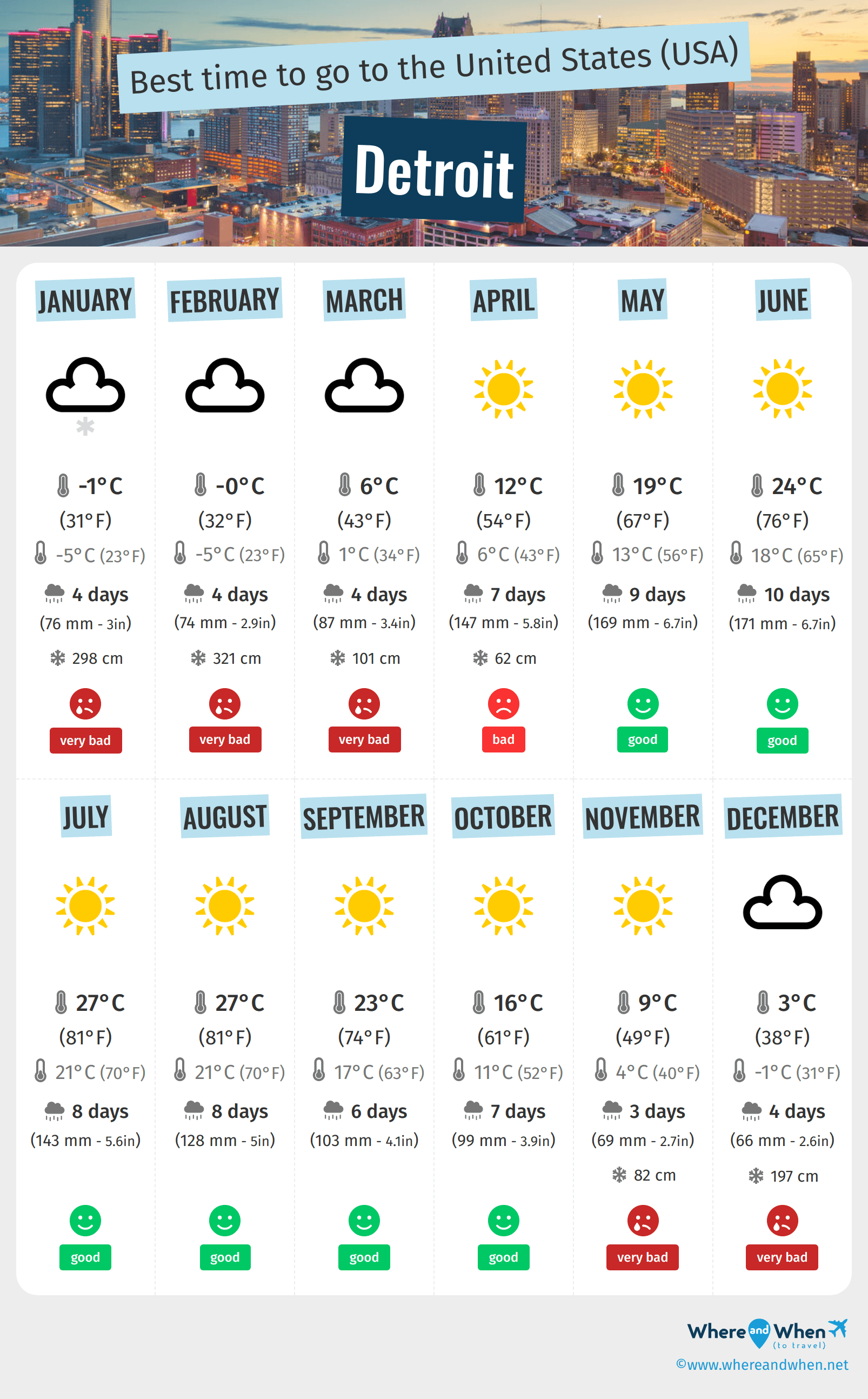
Spring in Detroit is a season of reawakening, though it can be quite unpredictable. March often still carries the chill of winter, with average temperatures ranging from 28°F to 45°F (-2°C to 7°C), and the possibility of late-season snowfall. As April arrives, temperatures steadily climb, typically between 38°F and 58°F (3°C to 14°C), bringing with it the first signs of budding trees and blooming flowers. May ushers in truly pleasant weather, with averages between 48°F and 69°F (9°C to 21°C), making it an ideal time for outdoor exploration before the summer heat sets in.
Rainfall is common throughout spring, with May usually being the wettest month, so an umbrella or light rain jacket is a must-have. Despite the occasional showers, spring is a fantastic time for nature lovers and those keen on seeing the city come alive. Attractions like Belle Isle Park begin to showcase their natural beauty, offering opportunities for walking, biking, and enjoying the warming weather. For those interested in local culture and food, many outdoor markets and festivals start to emerge in late spring. Travel during this period can often be a good balance of budget-friendly options, especially early in the season, before the peak summer tourism surge. Hotels begin to fill up, particularly towards May, so booking accommodation in advance is advisable.
Sizzling Summers and Waterfront Wonders (June-August)
Detroit summers are generally warm to hot and often humid, making it a bustling time for tourism. June sees average temperatures from 58°F to 79°F (14°C to 26°C), while July and August are the hottest months, with averages typically ranging from 63°F to 84°F (17°C to 29°C), though temperatures can frequently exceed 90°F (32°C). High humidity can make it feel even warmer. Sunshine is abundant, and the city truly comes alive with outdoor activities, festivals, and events.
The Detroit Riverfront becomes a focal point, offering scenic views, walking paths, and various recreational opportunities. Sports enthusiasts can catch a Detroit Tigers baseball game at Comerica Park or enjoy other outdoor events. Cultural landmarks like the Motown Museum and Henry Ford Museum provide air-conditioned respite from the heat, while still offering enriching experiences. Summer is peak tourist season, so accommodation, from luxury hotels like the Detroit Marriott at the Renaissance Center to charming boutique hotels such as The Siren Hotel, tends to be more expensive and requires early booking. Many hotels offer amenities like pools, essential for cooling off after a day of sightseeing. Local cuisine, from food trucks to patio dining, flourishes, allowing visitors to immerse themselves in Detroit’s vibrant food scene.
The Golden Hues of Autumn (September-November)
Autumn is arguably one of the most beautiful times to visit Detroit, offering crisp air, clear skies, and spectacular fall foliage. September is a delightful extension of summer, with average temperatures between 54°F and 75°F (12°C to 24°C), making it perfect for enjoying lingering outdoor activities. October brings cooler, invigorating weather, with averages from 43°F to 62°F (6°C to 17°C), as the leaves transform into brilliant reds, oranges, and yellows. By November, the chill returns, with temperatures dropping to 33°F to 50°F (1°C to 10°C), signaling the approach of winter.
Rainfall is moderate, and early November might even see the first dusting of snow. This season is ideal for those who prefer cooler temperatures for walking tours and exploring the city’s architectural gems like the Guardian Building or the Fisher Building. Scenic drives around the greater Detroit area offer breathtaking views of the fall colors. Cultural events continue indoors, and many local farms open for apple picking and pumpkin patches, providing a quintessential fall experience. Tourism in autumn is robust but generally less crowded than summer, offering a good balance for budget and luxury travelers alike. Hotels might offer slightly better rates than peak summer, especially in late autumn, making it an excellent time for long-term stays or those seeking value.
Winter Wonderland and Indoor Escapes (December-February)
Winter in Detroit is cold and snowy, embracing its identity as a true northern city. December sees average temperatures from 26°F to 40°F (-3°C to 4°C), dropping further in January and February, with averages between 19°F and 32°F (-7°C to 0°C). Sub-zero temperatures are not uncommon, and heavy snowfall is a regular occurrence, creating a picturesque, albeit chilly, landscape.
While the cold might deter some, winter in Detroit offers a unique charm. Campus Martius Park transforms into a magical ice-skating rink, and festive lights adorn the city. This is the perfect season to delve into Detroit’s rich indoor cultural scene. World-class institutions like the Detroit Institute of Arts and the Charles H. Wright Museum of African American History provide hours of warmth and enrichment. Live entertainment thrives at venues such as Fox Theatre, The Fillmore Detroit, and Little Caesars Arena, hosting concerts, shows, and Detroit Red Wings hockey games. For those seeking accommodation, many hotels, including popular resorts like MGM Grand Detroit, MotorCity Casino Hotel, and Greektown Casino Hotel, offer cozy amenities, indoor pools, and spas, perfect for a winter escape. Winter is typically considered an off-peak season for general tourism, so visitors might find more attractive rates on flights and hotels.

Planning Your Detroit Getaway: Weather-Wise Travel Tips
Successfully navigating Detroit’s diverse weather requires thoughtful planning, ensuring that your trip is as comfortable and enjoyable as possible, regardless of the season.
Best Time to Visit Detroit Based on Your Preferences
The “best” time to visit Detroit largely depends on your travel priorities:
- For Outdoor Enthusiasts and Festival-Goers: Summer (June-August) is unparalleled. The warm weather is perfect for exploring Belle Isle Park, walking the Detroit Riverfront, attending baseball games at Comerica Park, or enjoying outdoor concerts at venues like Pine Knob Music Theatre. Be prepared for crowds and higher prices.
- For Cultural Explorers and Comfortable Sightseeing: Spring (late April-May) and Autumn (September-October) offer pleasant temperatures, beautiful scenery, and fewer crowds than summer. These seasons are ideal for visiting museums, historical sites, and architectural tours. The changing foliage in autumn adds an extra layer of beauty to city parks and drives.
- For Budget Travelers and Winter Sports/Cozy Experiences: Winter (December-February), while cold, offers lower prices on accommodation and flights. It’s the perfect time to explore Detroit’s indoor attractions, enjoy ice skating at Campus Martius Park, or experience the vibrant nightlife of areas like Greektown.
Packing Essentials for Every Season
Careful packing is crucial for a comfortable trip to Detroit:
- Spring: Layers are key. A light to medium jacket, sweaters, long-sleeved shirts, and waterproof outer layer (rain jacket or umbrella) are essential. Comfortable walking shoes are a must.
- Summer: Lightweight and breathable clothing (cotton, linen), shorts, t-shirts, and sundresses. A light sweater or jacket for cooler evenings or air-conditioned indoor spaces is advisable. Sunscreen, sunglasses, and a hat are highly recommended.
- Autumn: Layers again! Medium-weight jackets, sweaters, long-sleeved shirts, and jeans. As the season progresses, heavier coats will be needed. Waterproof shoes are helpful, especially for late autumn.
- Winter: Heavy winter coat, waterproof and insulated boots with good grip, hats, gloves, scarves, and thermal layers are non-negotiable. If you plan on spending extended time outdoors, consider snow pants.
Weather’s Influence on Detroit’s Tourism and Lifestyle
Detroit’s dynamic weather patterns don’t just dictate what to pack; they profoundly influence the city’s tourism offerings, the lifestyle of its residents, and the choices travelers make regarding accommodation and activities.
Exploring Detroit’s Iconic Landmarks and Attractions
The accessibility and enjoyment of Detroit’s famous places often depend on the weather.
- Outdoor Landmarks: The Detroit Riverfront, Belle Isle Park, Campus Martius Park, and Hart Plaza are best experienced during the warmer months of late spring, summer, and early autumn. These periods allow for leisurely strolls, picnics, cycling, and enjoying outdoor concerts and events.
- Architectural Marvels: Walking tours of downtown Detroit to admire the Guardian Building, Fisher Building, and historic neighborhoods like Corktown or Midtown are most comfortable in milder temperatures. However, during winter, viewing these structures from the warmth of a passing tour bus or quickly popping in and out of shops and cafes is more feasible.
- Indoor Attractions: Landmarks such as the Motown Museum, Henry Ford Museum, Detroit Institute of Arts, and the Charles H. Wright Museum of African American History are year-round destinations, providing excellent shelter from extreme heat or cold. These cultural institutions are particularly popular during the colder winter months when indoor activities are preferred. Similarly, entertainment venues like Little Caesars Arena, Fox Theatre, and The Fillmore Detroit offer climate-controlled environments for sports, concerts, and theatrical performances, making them perfect options regardless of the weather outside.
Accommodation Choices and Seasonal Demands
The season of your visit heavily influences accommodation availability, pricing, and the types of amenities you might seek.
- Peak Season (Summer): Expect higher demand and prices for hotels and apartments. Booking well in advance is essential for popular choices like the Shinola Hotel or the Detroit Marriott at the Renaissance Center. Resorts and hotels with pools, air conditioning, and outdoor spaces are highly sought after.
- Shoulder Seasons (Spring & Autumn): These periods can offer a sweet spot for travelers. Accommodation prices might be slightly lower than summer, and you can still enjoy comfortable weather. Hotels like Element Detroit at the Metropolitan Building or Trumbull & Porter, an Ascend Hotel Collection Member offer excellent options for exploring the city on foot. For those considering long-term stays, these seasons can provide more flexibility and potentially better rates for furnished apartments or extended-stay hotels.
- Off-Peak Season (Winter): This is often the most budget-friendly time to book accommodation. Many hotels offer enticing deals, and you might find more availability, even at luxury properties such as MGM Grand Detroit or MotorCity Casino Hotel, which also offer extensive indoor amenities like spas and fine dining. For business stays, this can be an opportune time due to reduced demand. Hotels with robust heating systems and cozy common areas become particularly appealing.

Culinary Experiences and Local Culture
Detroit’s vibrant culinary scene and local culture also adapt to the weather.
- Summer: Outdoor dining thrives, with patios and rooftop bars coming alive across the city. Neighborhoods like Greektown and Corktown bustle with activity, and street food vendors are plentiful, especially during festivals. The Eastern Market is at its peak, offering fresh local produce and artisan goods.
- Winter: The focus shifts to warm, inviting indoor spaces. Cozy restaurants, cafes, and breweries become popular havens. Detroit’s diverse food scene, from traditional American to vibrant Mexicantown flavors, offers comfort food perfect for cold days. This is also a great time to explore the city’s robust coffee culture and craft beer scene. Seasonal menus often feature heartier, warming dishes.
In conclusion, Detroit’s weather is as diverse and dynamic as the city itself, offering distinct experiences in every season. By understanding the climate and planning accordingly, travelers can maximize their enjoyment, whether they’re drawn to summer festivals, autumn foliage, spring blossoms, or cozy winter escapes. From choosing the right hotel to packing the appropriate attire, a mindful approach to Detroit’s weather ensures an unforgettable journey through this remarkable Michigan metropolis.
LifeOutOfTheBox is a participant in the Amazon Services LLC Associates Program, an affiliate advertising program designed to provide a means for sites to earn advertising fees by advertising and linking to Amazon.com. Amazon, the Amazon logo, AmazonSupply, and the AmazonSupply logo are trademarks of Amazon.com, Inc. or its affiliates. As an Amazon Associate we earn affiliate commissions from qualifying purchases.