
Reaching the age of 18 in California marks a significant transition, bringing with it new freedoms, responsibilities, and the ability to make independent decisions concerning one’s health and lifestyle. Among these newfound capabilities is the option to apply for a medical cannabis card, a topic that intertwines personal well-being, legal compliance, and informed choice. For many young adults navigating chronic conditions or specific health challenges, understanding how to obtain a medical cannabis card can be a crucial step towards managing their health proactively and responsibly. This comprehensive guide aims to demystify the process, providing insights into the requirements, steps, and implications of securing a medical cannabis card in the Golden State at 18. We’ll delve into the legal landscape, practical application steps, and the broader lifestyle considerations that come with holding such a card, empowering young adults to make educated decisions about their health journey.
Understanding the Landscape: Medical Cannabis in California
The journey to obtaining a medical cannabis card begins with a foundational understanding of California’s unique legal framework surrounding cannabis. The state has long been at the forefront of cannabis legislation, balancing patient access with regulatory oversight.
The Evolution of Cannabis Laws in California
California’s relationship with cannabis dates back to 1996, when it became the first state to legalize medical cannabis through Proposition 215, the Compassionate Use Act. This landmark legislation allowed seriously ill Californians to obtain and use cannabis for medical purposes with a doctor’s recommendation. Two decades later, in 2016, Proposition 64, the Adult Use of Marijuana Act (AUMA), legalized recreational cannabis for adults 21 and older. While recreational use is now broadly accessible, the medical cannabis program continues to offer distinct advantages and protections for qualifying patients, including those who are 18 to 20 years old. Understanding this dual system is paramount for any young adult considering a medical card. The medical program provides specific legal safeguards and, often, lower taxes and higher possession limits compared to the recreational market, making it a valuable option for eligible individuals.
What is a Medical Cannabis Card?
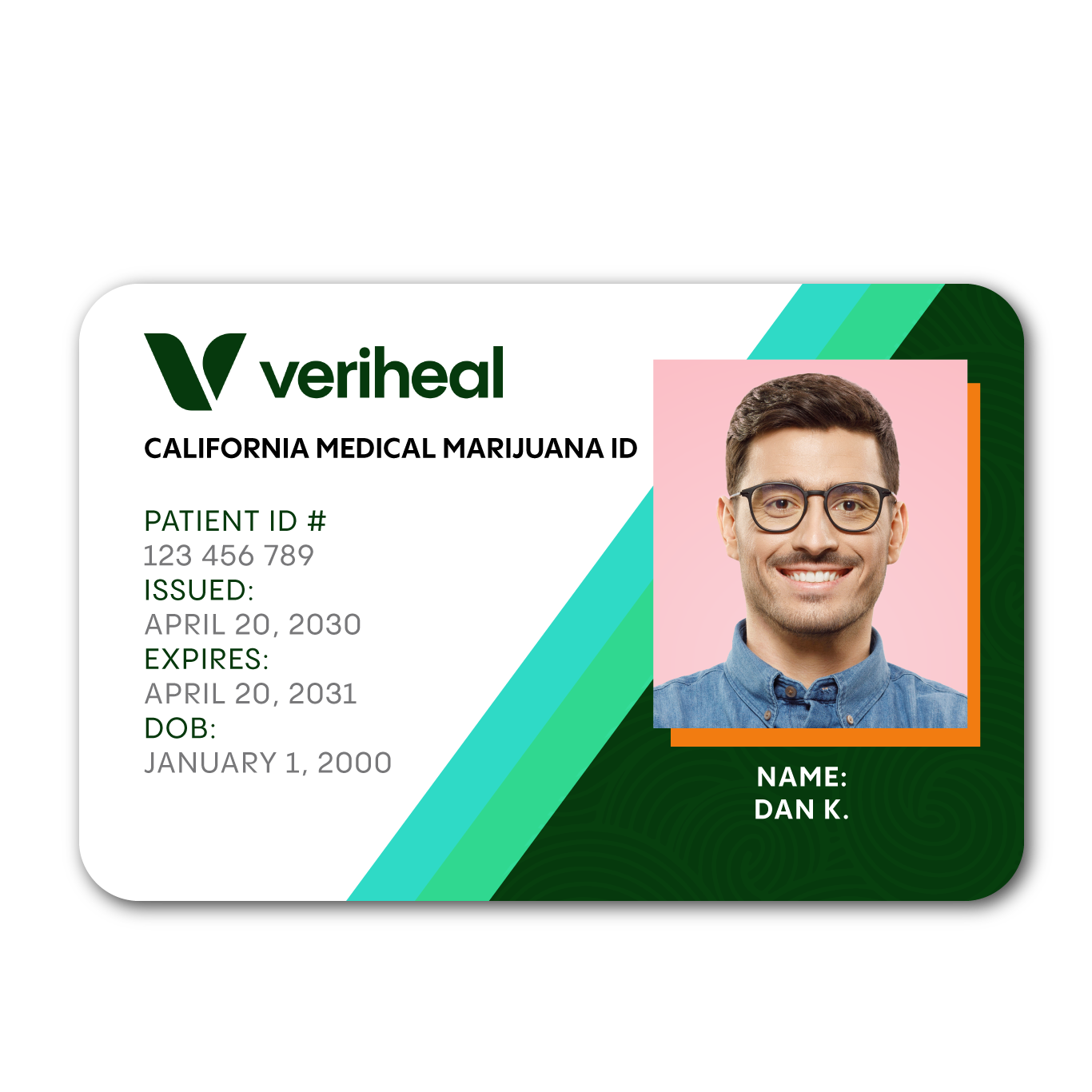
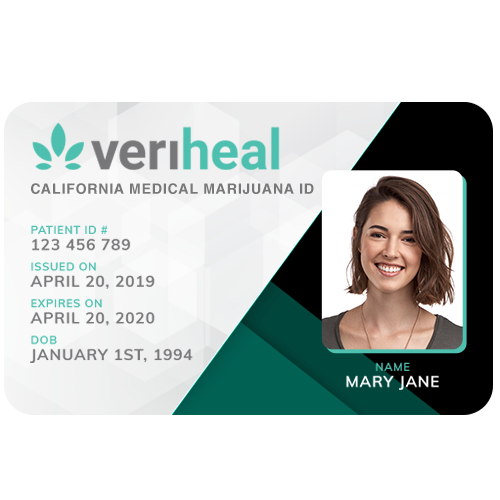
A California Medical Marijuana Identification Card (MMIC) is an official state-issued identification card that verifies a patient’s authorization to use cannabis for medical purposes. It is issued by the California Department of Public Health (CDPH) and provides an extra layer of legal protection under state law beyond a simple doctor’s recommendation. While a doctor’s recommendation alone is sufficient for some purposes, the MMIC offers enhanced benefits, particularly regarding sales tax exemptions at dispensaries and clearer identification for law enforcement. For individuals aged 18, possessing an MMIC is the primary legal pathway to access medical cannabis dispensaries and products, as the recreational market is restricted to those 21 and over. The card serves as a lifestyle enabler, ensuring access to necessary medication without legal ambiguity.
Who Qualifies: Age and Residency Requirements
The explicit eligibility for an MMIC mandates that applicants must be residents of California. Proof of residency, such as a utility bill, state ID, or voter registration, will be required during the application process. Crucially, while recreational cannabis is limited to individuals 21 and older, the medical cannabis program allows individuals aged 18 and above to apply for an MMIC. This distinction is vital for young adults seeking medical cannabis access. Furthermore, applicants must have a qualifying medical condition diagnosed by a licensed California physician. The state’s list of qualifying conditions is broad and includes, but is not limited to, chronic pain, arthritis, cancer, anorexia, AIDS, glaucoma, migraines, multiple sclerosis, and any other chronic or persistent medical symptom that either substantially limits the ability of the person to conduct one or more major life activities or, if not alleviated, may cause serious harm to the patient’s safety or physical or mental health. This inclusive approach reflects the state’s commitment to patient access, acknowledging that diverse health needs may benefit from cannabis as a therapeutic option.
The Journey to Obtaining Your Medical Card
Once you understand the basic requirements, the next step is to navigate the actual process of obtaining your medical card. This involves a crucial medical evaluation and subsequent application.
Identifying Your Qualifying Medical Condition
The first and most critical step is to genuinely assess your health and determine if you have a medical condition that qualifies under California law. This isn’t about self-diagnosing, but rather understanding your existing health challenges. If you are experiencing symptoms like persistent pain, severe nausea, muscle spasms, or anxiety that significantly impacts your daily life, it’s worth discussing these with a healthcare professional. Many individuals seek a medical card due to conditions they’ve been managing for years, such as fibromyalgia, PTSD, or even the side effects of conventional treatments. For an 18-year-old, this often involves conditions that might arise from athletic injuries, developmental health issues, or mental health challenges that haven’t responded adequately to traditional therapies. It’s important to approach this step with honesty and a focus on your genuine health needs, as this forms the basis of your physician’s recommendation. Documenting your symptoms and any treatments you’ve already tried can be helpful for your consultation.
Finding a Licensed Physician for Evaluation
To receive a medical cannabis recommendation, you must be evaluated by a physician licensed to practice medicine in California. Not just any doctor can issue a recommendation; it must be a medical doctor (MD) or osteopathic doctor (DO) who has determined that cannabis use is appropriate for your condition. There are numerous clinics and online services specializing in medical cannabis evaluations. When choosing a physician, look for those who are knowledgeable about cannabis as medicine, compassionate, and registered with the state. A good physician will conduct a thorough review of your medical history, discuss your symptoms, and determine if cannabis is a suitable treatment option for your specific condition. They will then provide you with a written recommendation, which is the cornerstone of your MMIC application. Cities like Los Angeles and San Francisco have a higher concentration of such specialized clinics, but services are available across the state.
The Telehealth Option: Convenience and Accessibility
In recent years, telehealth has revolutionized access to medical services, and medical cannabis evaluations are no exception. Many licensed California physicians offer virtual consultations, allowing you to undergo the evaluation process from the comfort and privacy of your home. This can be particularly convenient for 18-year-olds who may have limited transportation, live in rural areas, or prefer the discretion of an online visit. During a telehealth appointment, you’ll typically connect with a doctor via video call, discuss your medical history and symptoms, and receive your recommendation electronically if approved. This streamlined approach has significantly enhanced accessibility, making it easier for eligible young adults across California to initiate their journey toward obtaining a medical card. Always ensure that the telehealth provider and physician are properly licensed within the state to ensure the legitimacy of your recommendation.
Navigating the Application Process
With a physician’s recommendation in hand, the next phase involves the administrative steps to formally apply for your state-issued medical cannabis card.
Gathering Required Documentation
The application for a California Medical Marijuana Identification Card requires several key documents to verify your identity, residency, and medical need. You will need:
- Written Recommendation: The original recommendation from your licensed California physician, stating that medical cannabis is appropriate for your condition.
- Proof of Identity: A valid government-issued identification, such as a California driver’s license or state ID card. This confirms you are 18 or older.
- Proof of Residency: Documents demonstrating that you are a current resident of California. Acceptable proofs include a utility bill, rent or mortgage agreement, or a car registration showing your California address.
- Application Form: The official MMIC application form, which can be obtained from your county’s public health department website or office.
- Recent Photograph: A passport-style photo may also be required, similar to what you’d use for other official identification.
Ensuring all documents are up-to-date and correctly prepared will expedite the application process and prevent potential delays. Double-check expiration dates on IDs and ensure addresses match across documents where applicable.
Submitting Your Application: Online vs. In-Person
Applications for the MMIC are typically processed through your local county’s public health department. The method of submission can vary by county. Some counties, particularly those in larger metropolitan areas like Sacramento or San Jose, may offer online submission options, which allow for a more convenient and often quicker process. Others might require you to submit your application in person at their offices. Submitting in person allows you to have your documents reviewed on the spot, potentially correcting any issues immediately. It’s crucial to check your specific county’s public health department website for their precise procedures, as requirements and processing times can differ. Be prepared to pay an application fee at the time of submission. This fee is non-refundable, so ensure all your documentation is in order before proceeding.
Understanding Costs and Renewal
There are several costs associated with obtaining and maintaining a medical cannabis card. These typically include:
- Physician Consultation Fee: This fee is paid directly to the doctor or clinic for your medical evaluation and recommendation. It can range from $50 to $200, depending on the provider and location.
- State Application Fee: The fee for the MMIC itself, paid to the county public health department. This fee varies by county but typically ranges from $50 to $100. For Medi-Cal beneficiaries, this fee may be reduced or waived.
- Renewal Fees: The MMIC is valid for one year from the date of issue and must be renewed annually. This involves a new physician evaluation and a renewal application with associated fees.
Understanding these costs upfront helps in budgeting and planning. While there are expenses, many patients find the benefits—such as tax exemptions, higher possession limits, and legal protections—outweigh the annual costs, making it a valuable component of their lifestyle and health management strategy.
The Benefits and Responsibilities of Cardholders
Obtaining a medical cannabis card comes with distinct advantages, but also significant responsibilities that 18-year-old cardholders must understand and uphold.
Legal Protections and Access to Dispensaries
One of the primary benefits of holding a California MMIC is the enhanced legal protection it offers under state law. While Proposition 64 legalized recreational cannabis for adults 21 and over, the MMIC provides individuals aged 18-20 with the legal right to purchase and possess cannabis for medical purposes. Cardholders are generally exempt from state cultivation and possession limits that apply to recreational users, allowing for larger quantities as recommended by their physician. More importantly, it grants access to state-licensed medical cannabis dispensaries, which often carry a wider range of products, offer specialized patient consultations, and are exempt from certain sales taxes applicable to recreational purchases. This financial benefit can lead to significant savings for regular users. For an 18-year-old, the MMIC is the only legal pathway to purchase cannabis products from a licensed dispensary.
Understanding Consumption Guidelines and Restrictions
With the privilege of a medical card comes the responsibility of adhering to consumption guidelines and restrictions. Cardholders are expected to use cannabis responsibly and in accordance with state laws. This means:
- No Public Consumption: Consuming cannabis in public places, including streets, parks, and public transportation, is generally prohibited.
- No Driving Under Influence: Operating a vehicle while impaired by cannabis is illegal and carries severe penalties.
- Age Restrictions for Purchase: While you can possess a card at 18, selling cannabis to anyone under 21 (unless they also have a medical card and meet specific criteria) is illegal.
- Location Restrictions: Cannabis use is prohibited in federal buildings, on federal lands (e.g., national parks), and in locations where tobacco smoking is prohibited.
- Possession Limits: While medical patients have higher limits than recreational users, there are still limits. Consult your doctor’s recommendation and state guidelines.
Responsible use is not just about legal compliance; it’s also about integrating medical cannabis safely and effectively into your personal lifestyle without negative impacts on your health, work, or relationships.
Integrating Medical Cannabis into a Healthy Lifestyle
For young adults, managing a medical condition with cannabis is a significant lifestyle decision. It’s crucial to approach this with an emphasis on holistic well-being. This involves understanding dosage, consumption methods, and potential interactions with other medications. Working closely with your recommending physician to establish a treatment plan is key. Furthermore, integrating medical cannabis responsibly means balancing its use with other healthy habits, such as a nutritious diet, regular exercise, adequate sleep, and maintaining social connections. It’s not a standalone solution but a component of a broader health strategy. For 18-year-olds, this also includes being mindful of how medical cannabis use might impact educational pursuits, career aspirations, and social interactions, ensuring it remains a supportive element rather than a hindering one in their emerging adult lives.
Common Misconceptions and Important Considerations
Navigating the world of medical cannabis often brings up questions and concerns, especially for new cardholders. Addressing common misconceptions is vital for informed decision-making.
Distinguishing Medical vs. Recreational Use
One of the most frequent points of confusion, particularly for 18-year-olds in California, is the distinction between medical and recreational cannabis use. While both are legal under state law (for different age groups), the intent, legal protections, and access points differ significantly. Recreational cannabis, available to those 21 and older, is subject to higher taxes and stricter possession limits. Medical cannabis, accessed via an MMIC, is specifically for treating qualifying health conditions, offers tax exemptions, potentially higher possession and cultivation limits, and is accessible to individuals aged 18-20. For an 18-year-old, trying to purchase cannabis recreationally is illegal. The MMIC is your legal gateway. Understanding this distinction is not just about legality but also about responsible personal health management and ensuring you are operating within the correct legal framework for your specific age and needs.
Employer and Housing Rights
Another critical consideration for medical cannabis cardholders is how their status might interact with employment and housing. In California, employers generally have the right to maintain drug-free workplaces, and this can extend to medical cannabis. While state law protects medical cannabis users from criminal prosecution, it does not mandate that employers accommodate cannabis use or prohibit them from enforcing drug-free workplace policies. This means an employer can still drug test and take action if an employee tests positive for cannabis, even with an MMIC. Similarly, landlords may have policies regarding cannabis use on their property, particularly regarding smoking. It is crucial for 18-year-olds to be aware of these potential limitations and to understand the policies of their current or prospective employers and landlords in areas like Oakland or San Diego, as navigating these aspects responsibly is an important part of adult lifestyle management.

Federal vs. State Law Discrepancies
Despite California’s progressive cannabis laws, it is essential for all cardholders, especially young adults, to remember that cannabis remains illegal under federal law. This discrepancy means that while you are protected by state law within California’s borders, federal authorities (such as the DEA, FBI, or border patrol) do not recognize state medical cannabis cards. This has several practical implications:
- Federal Property: Do not possess or use cannabis on federal lands or in federal buildings (e.g., national parks, federal courthouses).
- Interstate Travel: Transporting cannabis across state lines, even to another state where it is legal, is a federal offense.
- Financial Institutions: Due to federal prohibition, some financial institutions may have restrictions related to cannabis businesses, although this usually impacts dispensaries more directly than individual cardholders.
This federal-state conflict is a significant consideration, reinforcing the need for cardholders to be well-informed and cautious, always operating within the recognized boundaries of California state law. For an 18-year-old, understanding this nuance is crucial for responsible and lawful conduct as they navigate their adult life and health choices.
Obtaining a medical cannabis card in California at 18 is a process that empowers young adults to take control of their health in a legally recognized way. By understanding the requirements, navigating the application, and embracing the responsibilities, cardholders can integrate medical cannabis into a thoughtful and healthy lifestyle, leveraging its potential benefits while remaining compliant with the law. This journey is a testament to the evolving landscape of healthcare and personal freedom in the modern age, offering a structured path for those who seek alternative wellness solutions.
LifeOutOfTheBox is a participant in the Amazon Services LLC Associates Program, an affiliate advertising program designed to provide a means for sites to earn advertising fees by advertising and linking to Amazon.com. Amazon, the Amazon logo, AmazonSupply, and the AmazonSupply logo are trademarks of Amazon.com, Inc. or its affiliates. As an Amazon Associate we earn affiliate commissions from qualifying purchases.