
Navigating the transition to a new state involves a whirlwind of logistical tasks, and securing your driving credentials is chief among them. For those relocating to the Silver State, obtaining a Nevada driver’s license is a critical step in establishing residency and gaining the freedom to explore the vast landscapes that define the region. Whether you are moving to the neon-lit streets of Las Vegas, the high-altitude charm of Reno, or the historic streets of Carson City, the process is designed to be straightforward if you are prepared.
Understanding Residency and Eligibility Requirements
Before heading to the Department of Motor Vehicles (DMV), it is essential to understand what constitutes residency in the eyes of the state. New residents are required to apply for a driver’s license within 30 days of establishing residency. You are considered a resident if you have engaged in a trade or profession, enrolled children in public schools, or—most commonly—established a permanent home in the state.

Documentation for Identity and Proof of Residency
The “Real ID” act has standardized the documentation process across the United States. To receive a Real ID-compliant license, which allows you to board domestic flights and enter secure federal facilities, you must present original or certified copies of specific documents:
- Proof of Identity: A valid, unexpired U.S. passport, a certified birth certificate, or a Certificate of Naturalization.
- Proof of Social Security: A Social Security card, a W-2 form, or a paystub showing your full Social Security number.
- Proof of Nevada Residency: Two documents reflecting your name and residential address. Acceptable items include utility bills, a lease or rental agreement, a mortgage statement, or a document from an insurance company.
It is important to note that if you have legally changed your name, you must also bring documentation—such as a marriage certificate or court order—that shows the transition from your birth name to your current legal name.
The Application Process: Navigating the DMV
Once you have gathered your documentation, the next step is the physical visit to the Nevada Department of Motor Vehicles. While some services can be handled online or through kiosks, an initial application for a new resident requires an in-person appointment.
Preparing for Your Visit
Scheduling an appointment in advance is highly recommended to minimize wait times. Visit the official online portal to choose a location nearest to your new home. If you are moving to Clark County, for example, there are multiple regional offices to choose from, each varying in traffic levels.
When you arrive, you will submit your application, provide the required documentation, and have your vision screened. Unlike some states that require a full written or driving test for new residents who already hold a valid license from another state, Nevada typically waives the knowledge and skills tests if your out-of-state license is currently valid. However, you must surrender your out-of-state license to the clerk before your new one is issued.

Fees and Processing
There are standard administrative fees associated with issuing a new license. While these costs are subject to change, be prepared to pay via cash, check, or major credit/debit card. Once your application is processed and your photo is taken, you will receive a temporary paper permit. Your permanent plastic license will be mailed to your residential address within a few weeks, which is why having an accurate and verifiable mailing address is paramount.
Driving Through the Silver State: Rules and Considerations
Holding a Nevada license opens the door to unparalleled road trips. From the scenic loops around Lake Tahoe to the rugged, high-desert terrain near Red Rock Canyon, the state offers diverse environments that demand responsible driving.
Maintaining Your License
Once you obtain your license, keep track of its expiration date. Most standard licenses are valid for eight years for residents under the age of 65. If you are 65 or older, you will need to renew your license every four years. Renewals can often be completed online or via a DMV kiosk, saving you a trip to the office.
Understanding Traffic Safety Laws
It is worth noting that Nevada strictly enforces traffic safety laws. Be aware of the “Move Over” law, which requires drivers to move over a lane when passing stationary emergency vehicles or tow trucks with flashing lights. Additionally, the state has a zero-tolerance policy regarding distracted driving; utilizing a handheld device while operating a vehicle is illegal and subject to heavy fines.
Whether you are driving past the historic Hoover Dam or commuting through the valley, always keep a copy of your registration and proof of insurance in your vehicle. The state mandates that all vehicles registered in the region maintain valid liability insurance at all times. Failure to maintain coverage can lead to the automatic suspension of your driving privileges and registration.
Frequently Asked Questions for New Residents
Many new arrivals often have specific concerns regarding the transfer process. Below are common inquiries addressed to help streamline your transition.
What if my out-of-state license is expired?
If your out-of-state license has expired, you will likely be required to complete the full testing process, which includes a vision test, a knowledge test, and potentially a behind-the-wheel driving skills test. It is much easier to transfer your license while it is still valid.
Do I need to re-register my vehicle at the same time?
Yes, it is highly recommended to handle your vehicle registration alongside your license transfer. Nevada law requires residents to register their vehicles within 30 days of becoming a resident. You will need to obtain a Vehicle Identification Number (VIN) inspection, which can be performed at the DMV or by an authorized law enforcement officer. Additionally, most vehicles in Las Vegas and Reno must pass a smog check before registration can be finalized.
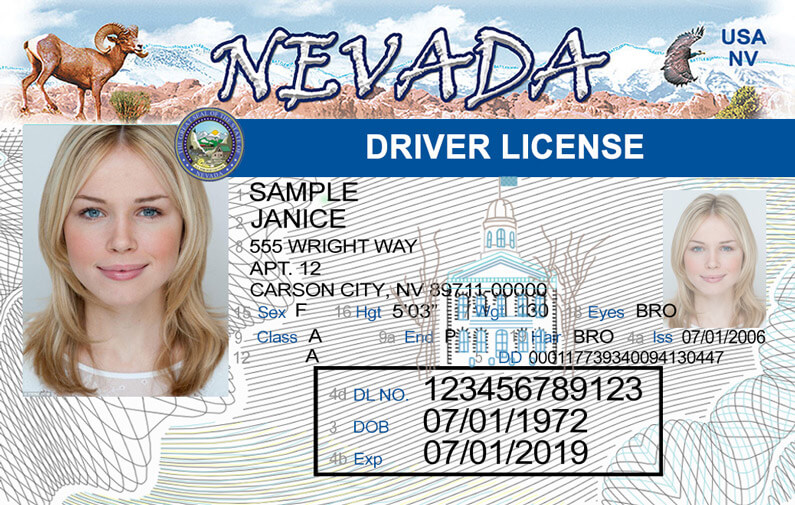
Is there a benefit to the Real ID?
While a standard license allows you to drive, a Real ID is specifically designed for convenience in travel and federal identification. As the federal requirements for air travel become more stringent, having the “star” on your Nevada license ensures you will not face complications when moving through airport security at Harry Reid International Airport.
By meticulously following these steps and ensuring all your paperwork is in order, you can quickly move past the administrative hurdles of relocation. Once your license is in hand, you are officially ready to enjoy everything the state has to offer, from the bustling entertainment districts to the serene, natural beauty of the Great Basin National Park. Staying informed and proactive is the best way to ensure your transition into life in the American West is as smooth as the open highways you will soon be driving upon.
LifeOutOfTheBox is a participant in the Amazon Services LLC Associates Program, an affiliate advertising program designed to provide a means for sites to earn advertising fees by advertising and linking to Amazon.com. Amazon, the Amazon logo, AmazonSupply, and the AmazonSupply logo are trademarks of Amazon.com, Inc. or its affiliates. As an Amazon Associate we earn affiliate commissions from qualifying purchases.