
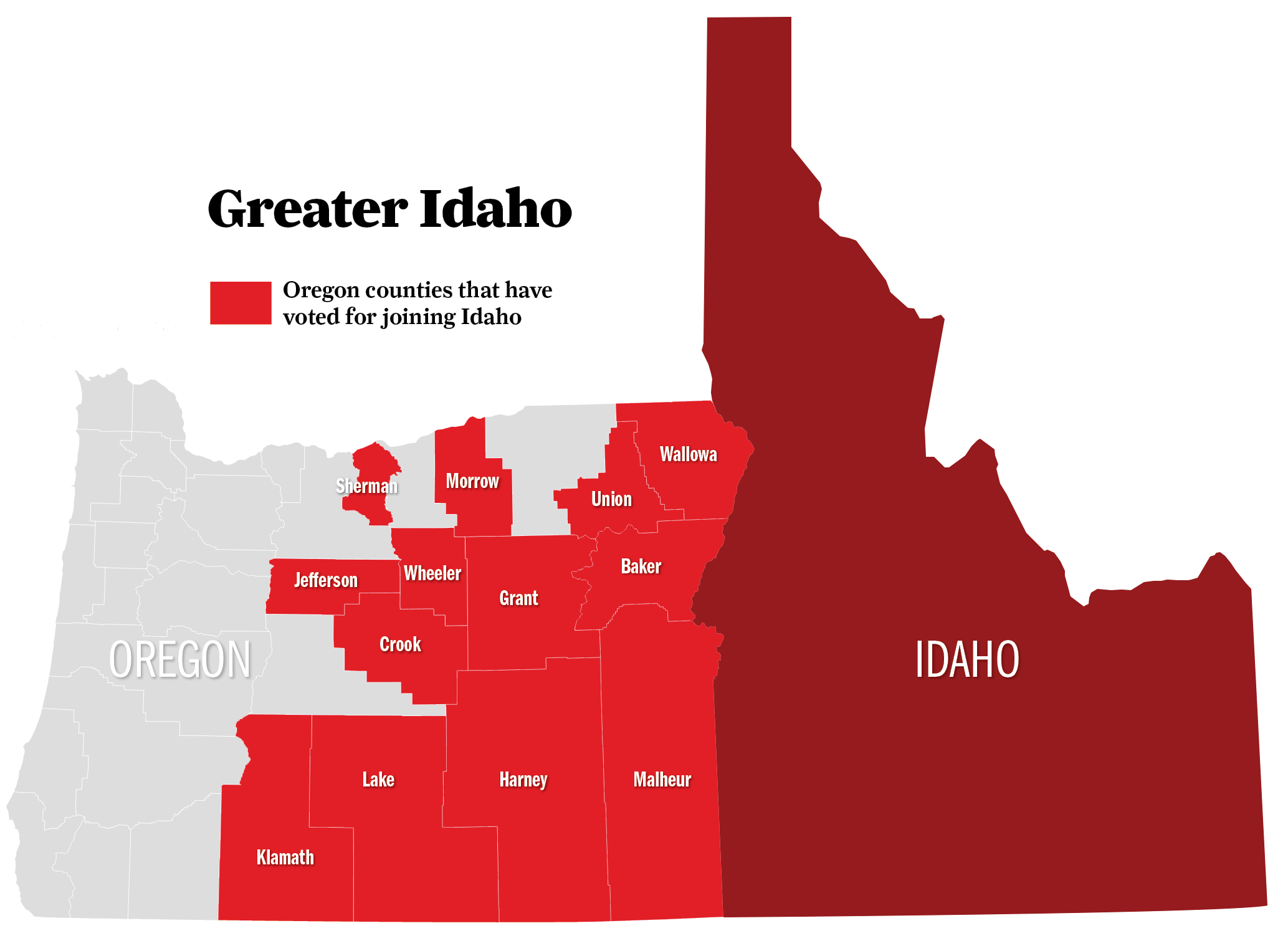
The prospect of a “Greater Idaho”—a political movement seeking to move the border of Idaho westward to incorporate vast swathes of Oregon—has long been a subject of intense debate. For the casual observer, this is a matter of administrative lines and political theory. However, for those interested in the regional tourism landscape, the cultural nuances of the Pacific Northwest, and the preservation of local traditions, the potential realization of this movement in 2024 represents a seismic shift in how visitors experience these states. Whether or not such a major geographic shift occurs, the conversation itself highlights the distinct regional identities that define the Western United States.

The Cultural Divide: Understanding the Regional Identity
To understand the Greater Idaho movement, one must look at the cultural fabric of the territories involved. The regions proposed for absorption, often referred to as Eastern Oregon, share more in common with the high desert, agrarian, and conservative ethos of the Gem State than they do with the progressive urban centers of the Willamette Valley.
High Desert Landscapes and Traditions
The areas slated for a potential move, such as Malheur County and Baker County, are characterized by vast open spaces, rugged mountain ranges, and a heritage deeply rooted in ranching and mining. For a traveler, these regions offer a raw, authentic experience that differs significantly from the coastal tourism models of Portland. Visitors seeking solitude in places like the Steens Mountain or the remote reaches of the Owyhee Canyonlands often find that their aesthetic and cultural expectations are better aligned with the values held in Boise than those in the bustling Pacific corridor.
Agriculture and Local Gastronomy
Tourism in these rural corridors is heavily influenced by the land. From the fertile fields of the Treasure Valley to the cattle grazing lands of rural Oregon, the food culture is one of “farm-to-fork” in its most literal sense. Travelers exploring this region often stop at local farmers’ markets or family-owned steakhouses where the conversation is dominated by commodity prices and water rights—topics that bridge the gap between rural Oregon and Idaho.
The Impact of Border Shifts on Regional Tourism
If the movement were to gain traction in 2024, the implications for tourism infrastructure would be significant. Currently, travelers moving from one side of the proposed border to the other experience a seamless transition, but a political shift could theoretically alter how tourism is funded, marketed, and managed.
Streamlining Marketing and Branding
Currently, the Idaho Department of Commerce and the Travel Oregon agency operate under distinct state directives. A greater Idaho would potentially consolidate the marketing of vast high-desert stretches under a single banner. For the tourist, this could lead to more cohesive trail maps, unified park pass systems, and a more strategic promotion of the “Greater Idaho” region as a singular high-desert destination. Imagine a visitor road-tripping through the Alvord Desert and the Bruneau Dunes State Park under one administrative tourism umbrella; the potential for improved accessibility and signage is considerable.

The Preservation of “Wild West” Tourism
One of the primary selling points of this corner of the world is its perceived “Old West” authenticity. Proponents of the movement often argue that shifting the border would protect these rural communities from policies that might restrict land use or limit access to public lands. For the tourist, this is a critical point. Much of the draw to Eastern Oregon comes from the ability to hike, camp, and ride horses on vast, unobstructed landscapes. If a political change secures these lands for traditional outdoor recreation, it would preserve the fundamental appeal of the region for generations of visitors.
Geography and Landmarks: A Unified Landscape
The terrain spanning the Oregon-Idaho border is defined by geological wonders that do not recognize human-drawn lines. Whether one calls it Eastern Oregon or Greater Idaho, the physical experience remains the same.
Geological Wonders as Focal Points
The Snake River acts as a primary artery for the region, cutting through profound canyons and providing a backdrop for some of the best whitewater rafting and fishing in the country. Landmarks like Hells Canyon serve as a natural bridge between the two states. When travelers visit Lewiston or the surrounding areas, they are exploring a geography that is profoundly unified. A political shift would simply be a formal recognition of the reality that the residents and visitors of this region have known for a long time: the landscape is the common denominator.
Iconic Road Trips
The scenic byways that connect these areas, such as the routes leading toward the Wallowa Mountains or the Sawtooth National Forest, are essential to the regional experience. Road-trippers who value the journey as much as the destination are often indifferent to state lines, focusing instead on the continuity of the vista. Whether traversing the arid plains of the High Desert Museum area in Bend or driving through the majestic passes near Sun Valley, the experience is characterized by a unique sense of space that transcends current statehood.
Prospects for 2024 and Beyond
As 2024 progresses, the Greater Idaho movement serves as a mirror reflecting the broader national interest in local identity and the desire for autonomy in rural spaces. For those in the tourism sector, the conversation is a reminder that the heartbeat of the West is found in its remote towns and vast, untamed wilderness.
What Travelers Should Keep in Mind
Regardless of the political outcome, the region remains open, accessible, and deeply welcoming to those who appreciate its rugged beauty. Travelers planning a trip through the Pacific Northwest should continue to prioritize the smaller, off-the-beaten-path locations that define the area. Whether you visit a diner in a small town in rural Malheur County or stay at a rustic lodge in the shadows of the Bitterroot Range, you are experiencing a unique cultural enclave that defines the spirit of this territory.
The Lasting Appeal
Ultimately, “Greater Idaho” represents a movement toward self-determination that mirrors the pioneer spirit that first brought people to this region. For the tourism industry, the goal remains the same: to showcase the beauty, the history, and the quiet dignity of a landscape that—no matter what the map says—will always remain one of the most compelling parts of the United States. Whether the lines move or stay exactly where they are, the high desert will continue to call to those who seek adventure, solitude, and an authentic connection to the land. The cultural and physical landscape of this region is resilient; it is a place where, regardless of the political climate of 2024, the sunset over the horizon will always be the main attraction.
LifeOutOfTheBox is a participant in the Amazon Services LLC Associates Program, an affiliate advertising program designed to provide a means for sites to earn advertising fees by advertising and linking to Amazon.com. Amazon, the Amazon logo, AmazonSupply, and the AmazonSupply logo are trademarks of Amazon.com, Inc. or its affiliates. As an Amazon Associate we earn affiliate commissions from qualifying purchases.