
Operating successfully in Florida’s vibrant accommodation sector requires not just business acumen, but also a thorough understanding and adherence to regulatory frameworks. For many aspiring property managers and operators of vacation rentals or other temporary lodging, the concept of a “PM Tag” represents the essential legal authorization to conduct business. While not an official term used by state agencies, it colloquially refers to the collection of licenses, permits, and certifications required to professionally manage properties for others, ensuring compliance and fostering trust in a highly competitive market. This guide delves into the specific requirements and strategic steps necessary to acquire these crucial authorizations, enabling you to confidently navigate the complexities of property management within the Sunshine State’s dynamic accommodation landscape.
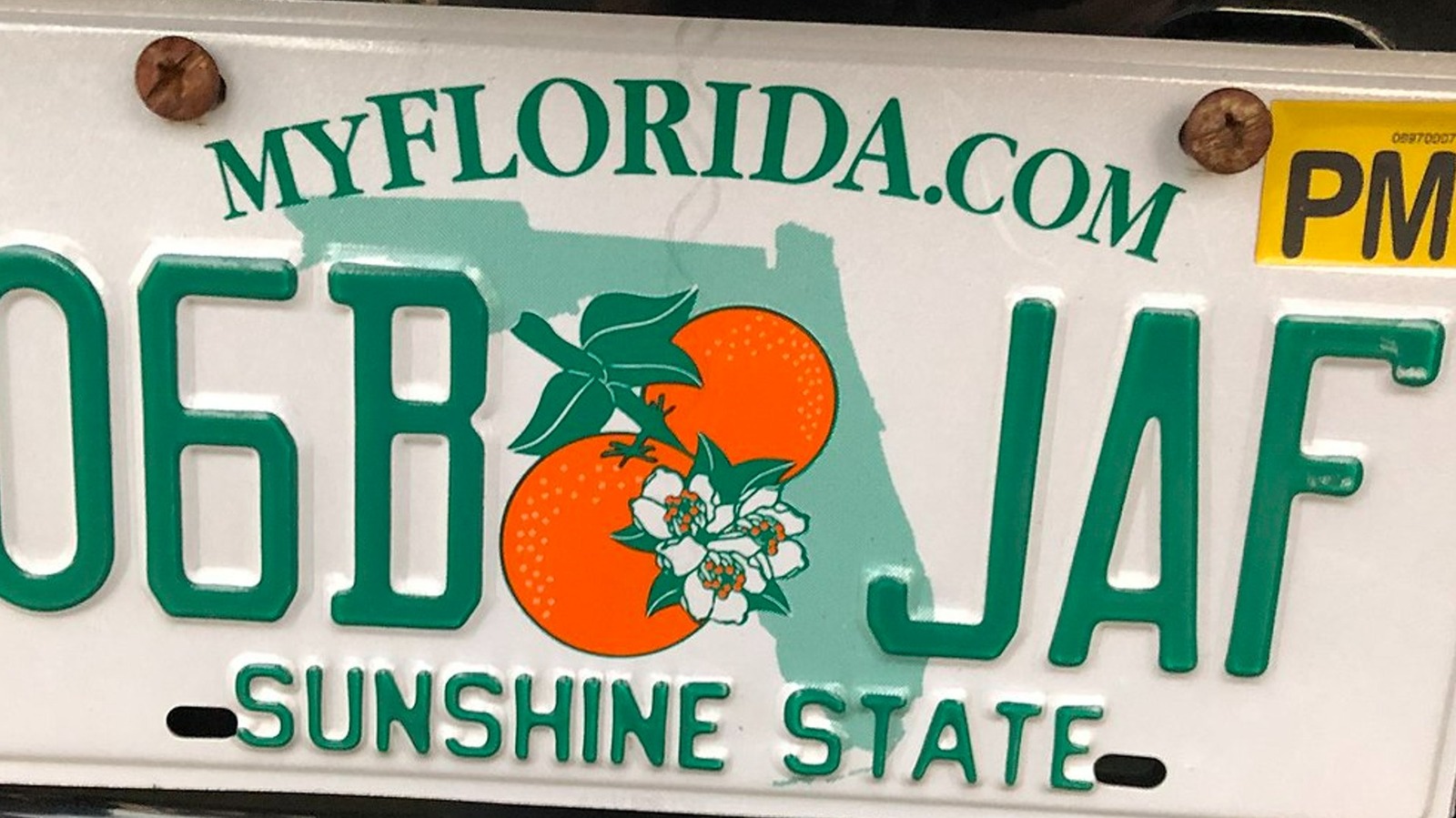
Decoding the “PM Tag”: What It Means for Accommodation in Florida
The term “PM Tag” might sound like a singular permit, but in the context of Florida’s regulated environment for accommodation, it encapsulates several critical authorizations. These are designed to protect consumers, ensure ethical practices, and maintain the integrity of real estate and lodging services. Understanding which “tags” apply to your specific operation is the first step toward legitimate and successful property management.
The Landscape of Property Management in Florida
Florida is a premier destination for tourists and seasonal residents, leading to a booming market for various types of accommodation, from luxurious vacation rentals in Miami to charming guesthouses in St. Augustine and investment properties near Orlando’s theme parks. This diverse market necessitates professional management to handle bookings, maintenance, guest services, and financial administration. When you manage property for a fee on behalf of an owner, you are typically engaging in activities that fall under the purview of real estate brokerage. This distinction is crucial, as it dictates the primary “PM Tag” you’ll need to acquire. Moreover, the type of accommodation (e.g., short-term rental, long-term lease, hotel) will also influence additional local and state permits. Without the proper credentials, engaging in property management can lead to significant legal penalties, including fines and the inability to enforce contracts.
Clarifying the “PM Tag”: Licenses and Permits
For most property management activities in Florida, the fundamental “PM Tag” is a Florida Real Estate Sales Associate or Broker License. This is because managing properties for others, which includes advertising, negotiating leases, collecting rent, and handling security deposits, is considered a brokerage activity. An individual or entity performing these services for compensation must be licensed. The specific license required depends on your role: a Sales Associate must work under a licensed Broker, while a Broker can operate independently or employ Sales Associates.
Beyond the real estate license, other “tags” may include:
- Business Tax Receipts (BTRs): Issued by counties and municipalities (e.g., Sarasota County, Broward County), these are general business licenses required to operate any commercial enterprise within their jurisdiction.
- Vacation Rental Permits: Many local governments have specific ordinances and permitting requirements for short-term vacation rentals, especially in popular tourist areas like Key West in Monroe County or along the Panhandle. These permits often address safety, occupancy limits, parking, and transient lodging taxes.
- Florida Department of Business and Professional Regulation (DBPR) Licenses: For larger operations resembling hotels or motels, additional licensing through the DBPR Division of Hotels and Restaurants might be necessary.
- Sales Tax and Tourist Development Tax Registration: If you’re collecting rent for short-term stays, you’ll need to register with the Florida Department of Revenue for sales tax and potentially local tourist development taxes (bed taxes).
Navigating the Core Requirements: The Florida Real Estate License
The most significant hurdle and the cornerstone of your “PM Tag” for property management services is obtaining a Florida real estate license. This process is overseen by the Florida Real Estate Commission (FREC) under the auspices of the DBPR.
Initial Steps: Education and Pre-Licensing Courses
To become a licensed Real Estate Sales Associate in Florida, you must first complete a 63-hour pre-licensing course approved by the FREC. This comprehensive course covers fundamental real estate principles, practices, and Florida real estate law. It’s designed to equip you with the knowledge base necessary to ethically and legally operate in the state’s real estate market. Providers offer these courses in various formats, including online, in-person classes, or hybrid models, allowing flexibility to fit different schedules. Upon successful completion, typically by passing an end-of-course exam, you will receive a certificate of completion which is required to apply for the state exam. Ensure that the educational institution is an approved provider recognized by the FREC to guarantee your hours will be accepted.
The Florida Real Estate Exam
After completing your pre-licensing education, the next critical step is to pass the state real estate examination. This is a comprehensive, multiple-choice exam administered by a testing vendor contracted by the DBPR. The exam typically consists of 100 questions, covering a broad range of topics from the pre-licensing course, including real estate math, property rights, contracts, and Florida license law. You must achieve a score of 75% or higher to pass. Many candidates opt for additional exam prep courses or study guides to maximize their chances of success, as the exam can be challenging. Once you pass, you will receive a score report, which is essential for your license application. If you fail, you can re-take the exam after a waiting period, typically 24 hours.
Application and Post-Licensing Education
With your pre-licensing course certificate and a passing state exam score, you can proceed with the license application to the DBPR. This involves submitting a detailed application form, providing your fingerprints for a background check (which assesses criminal history), and paying the required fees. It is crucial to disclose any prior criminal history honestly, as omissions can lead to application denial. The background check can take several weeks, so it’s advisable to submit your fingerprints early in the process. Once approved, your initial Sales Associate license will be issued.
However, the journey doesn’t end there. Within the first renewal cycle of your initial license (typically before its first expiration, which can range from 18 to 24 months), you must complete a 45-hour post-licensing course. This course delves deeper into practical aspects of real estate and property management and is a mandatory requirement for your license to remain active. Failure to complete the post-licensing education by the deadline will result in your license becoming null and void, requiring you to start the entire licensing process over.
Beyond the License: Specialized Permits for Accommodation Management
While the real estate license is central, successful and compliant property management in Florida’s accommodation sector often requires additional permits and registrations, especially for short-term rentals.
Short-Term Vacation Rental Regulations in Florida
Florida is a global hub for vacation rentals, yet the regulatory landscape for short-term stays (typically less than 30 days) is complex and often varies significantly by location. While state law generally preempts local governments from prohibiting vacation rentals outright, it allows them to regulate operational aspects. This means popular destinations like Miami Beach, Fort Lauderdale, Tampa, and communities along the Emerald Coast have specific ordinances dictating everything from occupancy limits and parking to noise restrictions and safety features.

As a property manager, it is your responsibility to ensure that the properties you manage comply with all local short-term rental regulations. This often involves applying for a specific vacation rental permit or license from the city or county where the property is located. These permits usually have annual renewal requirements and may involve inspections to ensure the property meets health and safety standards. Non-compliance can lead to hefty fines for both the property owner and the managing entity.
Local Ordinances and Business Tax Receipts
In addition to vacation rental permits, every business operating in Florida needs a Business Tax Receipt (BTR) from both the county and, if applicable, the municipality where the business is physically located or where it conducts operations. For a property management company, this means obtaining a BTR for your main office. If you manage properties across multiple counties or cities, you might need to obtain BTRs in each jurisdiction. These receipts are essentially licenses to operate a business at a specific location and are renewed annually. Some counties, like Pinellas County for properties in St. Petersburg, might have specific categories for property management or rental services under their BTR system.
Understanding Florida Department of Business and Professional Regulation (DBPR) Requirements
For properties that function more like traditional hotels, motels, or inns, even if managed by a third party, additional licensing from the DBPR’s Division of Hotels and Restaurants may be required. This division regulates public lodging establishments, ensuring they meet health, safety, and sanitation standards. The applicability of these requirements depends on the nature of the accommodation, the number of units, and the duration of stay offered to the public. Property managers overseeing such establishments must ensure the underlying property holds the correct DBPR license and that all operational standards are met to avoid legal complications and potential closure.
Maintaining Your “PM Tag” and Ensuring Compliance
Obtaining your “PM Tag” is not a one-time event; it’s an ongoing commitment to professional development and regulatory adherence. Maintaining your licenses and permits is just as important as acquiring them initially.
Continuing Education and Renewal Cycles
All Florida Real Estate Sales Associates and Brokers are required to complete 14 hours of continuing education (CE) every two years to renew their licenses. This CE typically includes a 3-hour core law course and 11 hours of specialty education. These courses ensure that licensees stay updated on the latest changes in real estate law, ethical practices, and market trends. Failing to complete the required CE before your license expiration date will lead to your license becoming involuntarily inactive, meaning you cannot legally perform any licensed activities until it’s reactivated. For brokers, additional requirements may apply to maintain their broker’s license.
Similarly, local vacation rental permits, business tax receipts, and DBPR lodging licenses usually have annual or biennial renewal cycles. It is critical to track these deadlines and ensure timely submission of renewals and associated fees to avoid lapses in your authorization to operate.
Ethical Considerations and Best Practices
Maintaining your “PM Tag” also extends to upholding the highest ethical standards in property management. This includes transparent communication with property owners and guests, diligent handling of funds (often requiring a separate escrow or trust account), accurate record-keeping, and fair business practices. Adhering to the FREC’s rules and regulations, as well as the Code of Ethics and Standards of Practice of professional organizations like the National Association of Residential Property Managers (NARPM) or the National Association of Realtors (NAR), builds a strong reputation and protects against potential liabilities.
Staying Current with Regulatory Changes
The regulatory environment for property management and accommodation in Florida is subject to change. New state laws, county ordinances, or city regulations can impact how you operate. Property managers must stay vigilant by regularly monitoring updates from the DBPR, local government websites, and industry associations. Subscribing to relevant newsletters, attending industry seminars, and networking with other professionals can provide invaluable insights into impending changes that might affect your “PM Tag” requirements or operational procedures.
The Strategic Advantage of a Formal “PM Tag”
Investing the time and effort to secure all necessary “PM Tags” is not merely a legal obligation; it’s a strategic decision that offers substantial benefits to your property management business and enhances your standing in the competitive Florida market.
Building Trust and Professional Credibility
A properly acquired and maintained “PM Tag” instantly elevates your professional credibility. Property owners are entrusting you with significant assets and income streams; they want assurance that you are knowledgeable, compliant, and accountable. Displaying your Florida Real Estate license number, local permits, and tax registrations signals to potential clients that you operate legitimately and adhere to industry standards. This transparency builds trust, differentiates you from unlicensed or amateur operators, and positions you as a reliable partner in managing their valuable accommodation properties, whether they are in Tallahassee, Jacksonville, or the Florida Keys.
Expanding Your Accommodation Management Portfolio
With a complete “PM Tag,” your business becomes eligible to manage a wider array of properties and services. Without the proper real estate license, for instance, you are legally restricted from performing many core property management functions, severely limiting your market reach. Having the correct licenses and permits opens doors to managing various types of accommodation, from single-family homes and condominiums to multi-unit complexes and specialized vacation rentals. This comprehensive capability allows you to scale your business, diversify your client base, and explore new opportunities within Florida’s vast accommodation sector.

Mitigating Risks and Ensuring Legal Operations
Perhaps the most critical advantage of obtaining your “PM Tag” is the significant reduction in legal and financial risks. Operating without the required licenses can lead to severe penalties, including substantial fines, cease-and-desist orders, and the inability to collect fees for services rendered. In some cases, it can even result in criminal charges. Furthermore, unlicensed activity leaves you vulnerable to lawsuits from dissatisfied owners or guests, as you lack the legal framework and professional protections afforded to licensed professionals. By diligently acquiring and maintaining all necessary “PM Tags,” you safeguard your business, your clients, and your personal assets, ensuring a stable and legally compliant foundation for your accommodation management endeavors in Florida.
LifeOutOfTheBox is a participant in the Amazon Services LLC Associates Program, an affiliate advertising program designed to provide a means for sites to earn advertising fees by advertising and linking to Amazon.com. Amazon, the Amazon logo, AmazonSupply, and the AmazonSupply logo are trademarks of Amazon.com, Inc. or its affiliates. As an Amazon Associate we earn affiliate commissions from qualifying purchases.