
For anyone living in or planning to travel through the Lone Star State, understanding how to obtain a Real ID in Texas is more than just a bureaucratic formality; it’s an essential step for seamless travel, access to federal facilities, and overall peace of mind in your daily life. Whether you’re a long-time resident or a newcomer establishing roots, acquiring this critical identification document is paramount for navigating modern travel and security requirements. This comprehensive guide will walk you through everything you need to know, from understanding the Real ID Act to gathering your documents and successfully completing your application.
Understanding the Real ID Act and Its Importance for Travelers
The landscape of identification has evolved significantly since the early 2000s, largely driven by national security concerns. The Real ID Act, passed by Congress in 2005, established minimum security standards for state-issued driver’s licenses and identification cards and prohibits federal agencies from accepting for certain purposes driver’s licenses and identification cards from states that do not meet these standards. For travelers, this means that a standard state-issued driver’s license might not be sufficient for domestic air travel or accessing federal facilities.
What is a Real ID and Why Do You Need It?
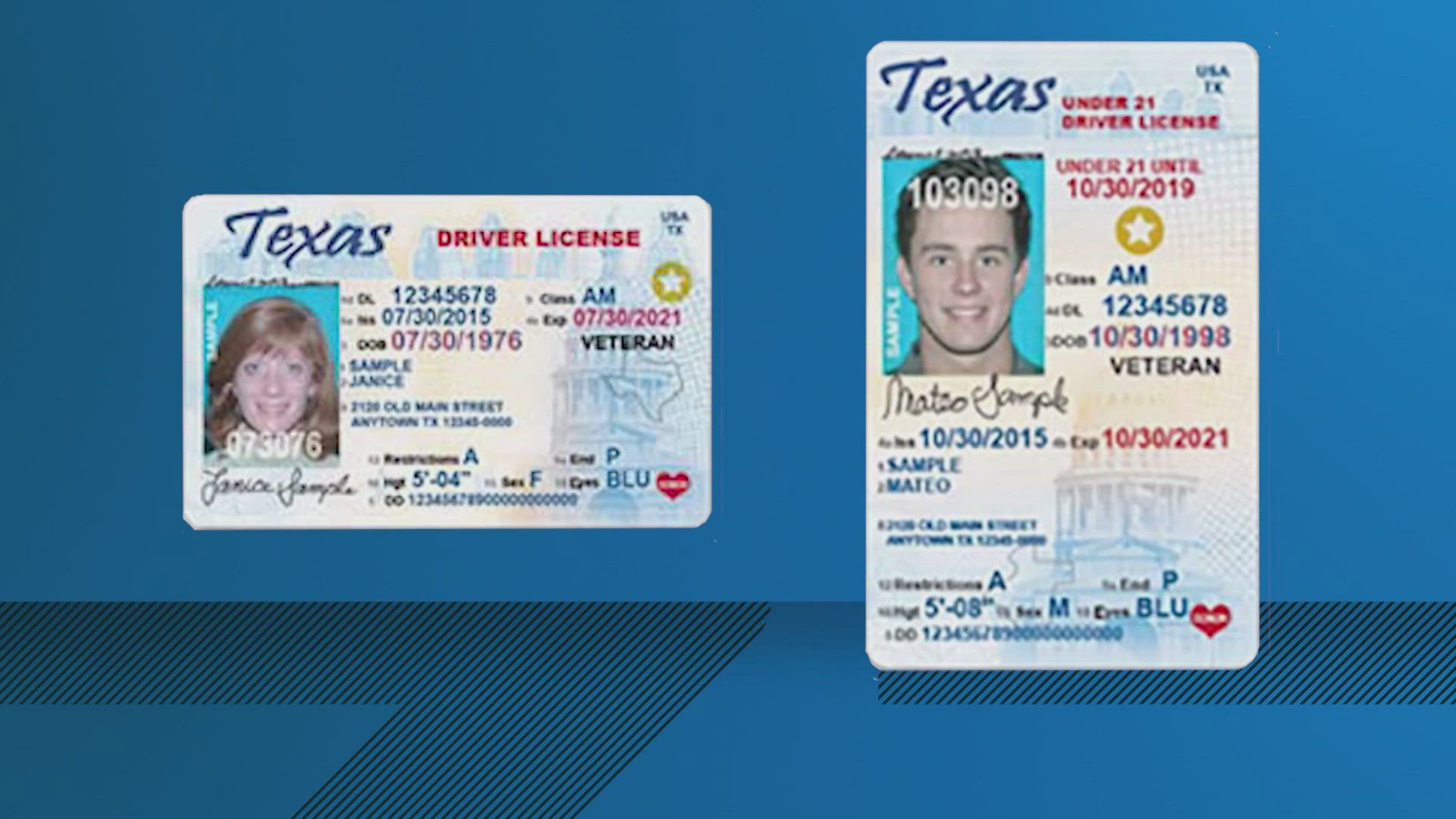
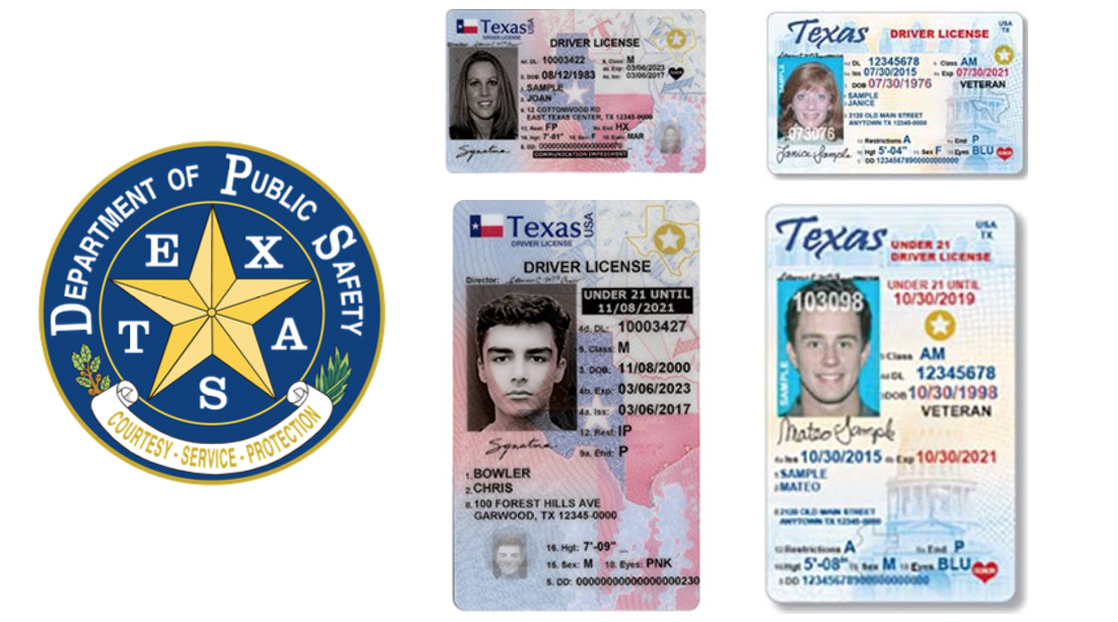
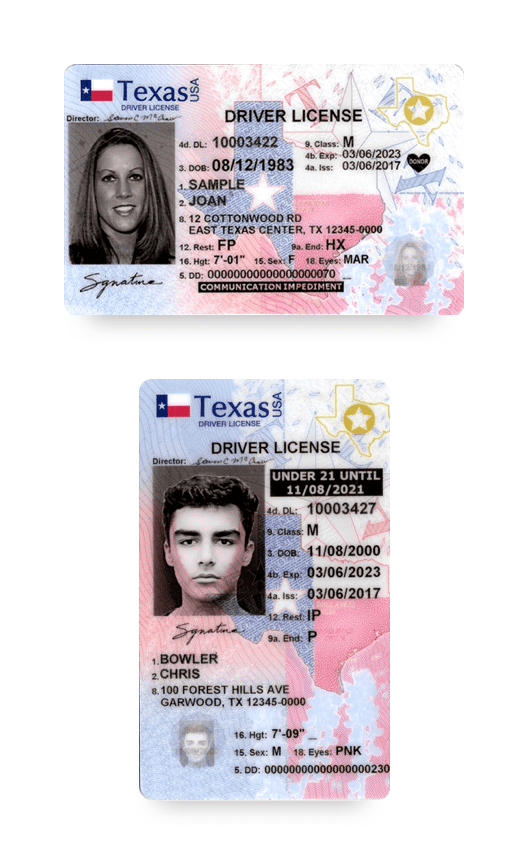
A Real ID compliant driver’s license or identification card is easily recognizable by a star symbol (either gold or black) typically located in the upper right corner of the card. This star signifies that your ID meets the enhanced security standards set by the federal government. But why is this so crucial, especially for those with a passion for travel and exploration?
The primary reason revolves around air travel. Since May 7, 2025, the Transportation Security Administration (TSA) requires travelers to present a Real ID compliant driver’s license or another acceptable form of identification (like a passport) to board federally regulated commercial flights. If you frequently hop on planes to explore new destinations like the vibrant city of Austin, the bustling metropolis of Dallas, or the historic streets of San Antonio, having a Real ID will ensure your journeys are smooth and hassle-free. It eliminates the need to carry your passport for domestic flights, streamlining your airport experience, especially for busy business travelers or families embarking on vacation.
Beyond air travel, a Real ID is also required for accessing certain federal facilities, such as military bases, federal courthouses, and other restricted areas operated by federal agencies. While this might not directly impact every traveler, it’s an important consideration for those whose work or personal life intersects with these institutions. For anyone planning to visit federal landmarks or government buildings, having a Real ID ensures unhindered access.
The Real ID Act: A Brief Overview
The Real ID Act was a direct response to the 9/11 Commission’s recommendation that the U.S. government “set standards for the issuance of sources of identification, such as driver’s licenses.” It aims to prevent terrorism and reduce identity fraud by making it harder for individuals to obtain fraudulent identification documents. The Department of Homeland Security (DHS) is responsible for implementing these standards, which include requirements for document verification, anti-counterfeit technology, and secure processing procedures.
For states like Texas to issue Real ID compliant cards, they must ensure that applicants provide proof of identity, legal presence, residency, and a Social Security number. This rigorous verification process ensures that the person receiving the ID is indeed who they claim to be, thereby enhancing the security of our identification system. For travelers, this means greater trust in the IDs presented at airports and federal checkpoints, leading to a more secure and efficient travel ecosystem.
Who Needs a Real ID in Texas?
Essentially, anyone who wishes to use their Texas driver’s license or ID card for domestic air travel within the United States or to enter federal facilities needs a Real ID.
- Frequent Flyers: If your lifestyle involves regular flights, whether for business stays or leisure trips to tourist attractions like South Padre Island or Big Bend National Park, a Real ID is practically mandatory for frictionless travel.
- Government Employees or Contractors: Individuals needing access to federal buildings, military bases, or certain secured facilities for work will find a Real ID indispensable.
- Those Without a Passport: If you don’t possess a valid U.S. passport or U.S. passport card, your Real ID compliant driver’s license becomes your primary form of acceptable federal identification for domestic air travel.
- Convenience Seekers: Even if you have a passport, many prefer to carry their driver’s license as their primary ID for domestic travel due to its compact size and everyday utility. A Real ID makes this possible.
It’s important to note that a Real ID is not required for:
- Driving. Your standard Texas driver’s license is perfectly valid for operating a vehicle.
- Voting.
- Accessing hospitals or receiving medical care.
- Applying for or receiving federal benefits (e.g., Social Security).
- Entering federal facilities that do not require ID (e.g., a post office).
However, for those embracing a lifestyle that involves regular travel or interaction with federal services, a Real ID simplifies life considerably.
Navigating the Application Process for Your Texas Real ID
Getting your Real ID in Texas involves a structured process that primarily takes place at a Texas Department of Public Safety (DPS) office. While some preparatory steps can be done online, the final verification and issuance require an in-person visit. Understanding each stage is key to a smooth and successful application.
Step-by-Step Guide to Applying for a Texas Real ID
The application process for a Real ID in Texas is designed to be thorough to meet federal security standards. Here’s a general outline:
- Determine Your Eligibility: Ensure you are a U.S. citizen or a legal permanent resident with valid documentation.
- Gather Required Documents: This is arguably the most critical step. We’ll delve into the specifics of what you need in the next section, but plan to collect original or certified copies of identity, residency, and Social Security proofs.
- Complete the Application Form: You can often start by filling out the driver’s license or ID card application online through the Texas DPS website. This can save time during your office visit.
- Schedule an Appointment: Due to high demand, especially in major cities like Houston and El Paso, scheduling an appointment online is highly recommended. Walk-ins are often accommodated but may involve significantly longer wait times. Check the Texas DPS website for the nearest office and appointment availability.
- Visit the DPS Office: Arrive at your scheduled time with all your original documents.
- Verification and Processing: A DPS representative will review and verify your documents. You will also have your photo taken, provide fingerprints, and sign necessary forms.
- Pay the Fee: The applicable fee for your driver’s license or ID card will be collected.
- Receive Your Temporary ID: If your application is approved, you’ll be issued a temporary paper ID. Your permanent Real ID compliant card will be mailed to you within a few weeks.
Remember, patience and preparation are key. Bringing all necessary documents the first time will prevent delays and additional trips, ensuring your path to a Real ID is as smooth as your next Texas road trip.
Gathering Your Essential Documents
The backbone of your Real ID application is the set of documents you present. The Texas DPS requires specific proofs to verify your identity, legal presence, residency, and Social Security number. It’s crucial to bring original documents or certified copies (not photocopies unless specified).
-
Proof of Identity and U.S. Citizenship or Lawful Presence: This is the most critical category. You’ll typically need one of the following:
- U.S. Passport or Passport Card
- Original or certified copy of a Birth Certificate (issued by a U.S. state or territory)
- Certificate of Naturalization or Certificate of Citizenship
- Permanent Resident Card (Green Card) for lawful permanent residents
- Foreign passport with a valid U.S. visa and I-94 (Arrival/Departure Record) for non-citizens with lawful presence.
- Some other immigration documents may be accepted; check the Texas DPS website for a comprehensive list.
-
Proof of Social Security Number (SSN): You generally need your original Social Security card. If you don’t have the card, other documents showing your full SSN are acceptable, such as:
- W-2 form
- SSA-1099 form
- Non-SSA-1099 form
- Pay stub with your name and SSN
-
Proof of Texas Residency (Two Documents): These documents must show your name and current Texas residential address. They help confirm you actually live in the state. Examples include:
- Current utility bills (water, electricity, gas, internet)
- Bank statements
- Lease agreements or mortgage statements
- Valid Texas voter registration card
- Homeowner’s or renter’s insurance policy
- Mail from a government agency (federal, state, or local)
-
Proof of Name Change (if applicable): If your current name differs from the name on your birth certificate or other primary identity document (e.g., due to marriage, divorce, or legal name change), you must provide original or certified copies of legal documents showing the name change. Examples include:
- Marriage certificate
- Divorce decree
- Court order for name change
Important Note: Make sure all names on your documents match. If they don’t, you’ll need the linking documents (like a marriage certificate) to show the legal progression of your name. It’s always best to check the official Texas DPS website for the most current and complete list of acceptable documents before your visit.
What to Expect at the DPS Office
While the thought of visiting a government office might conjure images of long lines and bureaucratic delays, a well-prepared visit to the DPS can be surprisingly efficient.
- Arrival and Check-in: If you have an appointment, arrive a few minutes early. You’ll typically check in at a kiosk or with a receptionist, confirm your appointment, and be given a queue number. If you’re a walk-in, you’ll get a number and join the general queue.
- The Waiting Game: Wait times can vary significantly depending on the office location (busy urban centers like Dallas or Houston may be longer) and time of day. This is where an appointment truly pays off. Use this time to double-check your documents.
- Document Review: When your number is called, you’ll proceed to a counter where a DPS employee will meticulously review all your submitted documents. They will scan, photocopy, or digitally capture your proofs of identity, residency, and SSN. Be prepared to answer questions about your documents or application details.
- Photo, Fingerprints, and Signature: Once your documents are verified, you’ll move to a station for your photograph. Remember, this picture will be on your ID for years, so dress appropriately and try to look your best! You’ll also provide fingerprints and an electronic signature.
- Vision Test and Knowledge Test (if applicable): If you are applying for a new driver’s license, you may need to pass a vision test and possibly a knowledge test if you haven’t taken one recently or are a new driver. For ID cards or renewals where no tests are needed, this step is skipped.
- Payment: You’ll pay the required fee for your driver’s license or ID card. Payment methods typically include cash, check, money order, and credit/debit cards.
- Temporary ID: Upon successful completion, you’ll be given a temporary paper driver’s license or ID card. This temporary document is valid for driving and identification purposes until your permanent card arrives in the mail, usually within 2-3 weeks. Keep it safe!
By setting realistic expectations and having all your ducks in a row, your DPS visit can be a straightforward part of your journey to obtaining a Real ID.
Costs, Renewals, and Key Considerations
While the primary focus is on obtaining your initial Real ID compliant driver’s license or ID card, understanding the associated costs, renewal processes, and specific considerations can further streamline your experience and help with long-term planning for your travel and lifestyle needs.
Understanding the Fees and Payment Methods
The fee for a Real ID compliant driver’s license or identification card in Texas is the same as for a standard license or ID card. The cost typically depends on the type of license (e.g., Class C driver’s license, commercial driver’s license, or identification card) and the duration for which it is issued. As of the current regulations, a standard Class C driver’s license for individuals aged 18-84 is usually valid for six years, and the fee is around $33. An identification card is generally less expensive, often around $16.
- Payment Methods: Most Texas DPS offices accept a variety of payment methods, including:
- Cash
- Checks (personal, certified, cashier’s)
- Money orders
- Major credit and debit cards (Visa, MasterCard, Discover, American Express)
It’s always a good idea to confirm acceptable payment methods with your local DPS office or their website before your visit.
It’s important to budget for this expense, especially if you’re managing a budget travel lifestyle or handling family trips where multiple family members might need to update their IDs. The investment in a Real ID saves potential future headaches and costs associated with missed flights or travel disruptions.
Renewing Your Texas Real ID
Once you have your Real ID compliant card, the renewal process is generally simpler than the initial application. Texas allows many drivers to renew their licenses online, by mail, or by phone, provided they meet certain eligibility requirements (e.g., no major changes in health, certain age groups).
If you are renewing a Real ID compliant card and no new information needs to be verified, you typically won’t need to present all the original documents again. However, if you’ve had a name change, moved, or your photo is particularly old, an in-person visit might be required. The Texas DPS website will guide you through the renewal options available to you, based on your specific circumstances. Keep an eye on your expiration date and plan your renewal well in advance to avoid any lapse in your identification, which could impact your travel plans or access needs.
Special Cases and Common Pitfalls
While the process is generally straightforward, some situations require special attention:
- Lost or Stolen Documents: If you’ve lost crucial documents like your birth certificate or Social Security card, obtaining replacements should be your first step. This can take time, so plan accordingly. Vital records offices can issue certified birth certificates, and the Social Security Administration can replace SSN cards.
- Temporary Residents: If you are a lawful temporary resident (e.g., on a work visa or student visa), your Real ID compliant card will typically be issued with an expiration date coinciding with the expiration of your legal stay in the United States. You’ll need to renew it as your immigration status is extended.
- Minor Applicants: For individuals under 18, specific parental consent or presence requirements may apply. Check the Texas DPS website for details regarding minors.
- Name Discrepancies: This is a common pitfall. Ensure your name appears consistently across all your primary documents. Even minor differences (e.g., a middle initial vs. full middle name) can cause delays. Bring all legal documents (marriage certificates, divorce decrees, court orders) that explain any name changes.
- Expiring IDs: Do not wait until the last minute! The federal deadline for Real ID enforcement for air travel has been extended multiple times, but it is critical to have your compliant ID well before your next planned flight. Procrastination can lead to stress, missed flights, and last-minute scrambling.
Being proactive about these considerations will save you time, stress, and potential travel disruptions, allowing you to focus on planning your next great adventure, whether it’s exploring the history of The Alamo or stargazing in Marfa.
Real ID Alternatives and Travel Implications
While a Real ID compliant driver’s license is the most common and convenient form of ID for domestic air travel, it’s not the only acceptable document. Understanding alternatives and their implications can help you make informed decisions about your identification strategy, especially for different types of travel.
Passport vs. Real ID: Which One Do You Need?
The fundamental distinction between a U.S. passport and a Real ID compliant state driver’s license lies in their scope of validity:
- U.S. Passport Book/Card: This is the gold standard for identification and international travel. A passport book is essential for international air travel to any country. A passport card is valid for land and sea travel to Canada, Mexico, the Caribbean, and Bermuda, and also serves as a Real ID compliant document for domestic air travel.
- Real ID Compliant Driver’s License/ID Card: This document is designed for domestic air travel within the United States and for accessing federal facilities. It is not valid for international travel.
So, which one do you need?
- For International Travel: You absolutely need a valid U.S. passport book. A Real ID will not suffice for crossing international borders.
- For Domestic Air Travel Only: If you rarely travel internationally and primarily fly within the United States, a Real ID compliant Texas driver’s license or ID card is perfectly sufficient and often more convenient than carrying your passport.
- For Both: Many travelers who have a passport choose to get a Real ID anyway. This allows them to use their driver’s license for domestic flights and leave their passport safely at home, reducing the risk of loss or damage while traveling. This is a common choice for those engaging in regular business stays or frequent luxury travel within the country.
Enhanced Driver’s Licenses and Other Acceptable IDs
While Texas does not currently issue Enhanced Driver’s Licenses (EDLs) – which are specific to some northern border states and enable land and sea travel to Canada and Mexico – the TSA accepts a range of other documents for domestic air travel, all of which meet Real ID compliance standards. These include:
- U.S. Passport Book or Passport Card
- DHS Trusted Traveler Cards (e.g., Global Entry, NEXUS, SENTRI, FAST)
- U.S. Military ID (for active duty and dependents)
- Permanent Resident Card (Green Card)
- Federally recognized tribal-issued photo IDs
- Airline or airport-issued ID (if issued under a TSA approved security plan)
- Foreign government-issued passport (for international visitors)
If you possess any of these alternative forms of identification, you might not strictly need a Real ID compliant Texas driver’s license for air travel purposes. However, for everyday convenience and general identification needs within the state, having a Real ID compliant driver’s license is still highly recommended.
Ensuring Seamless Travel: Beyond Just Your ID
Having a Real ID or an acceptable alternative is a critical first step, but truly seamless travel involves more than just your identification. For those who frequent hotels, resorts, or suites and love exploring different accommodations, consider these additional tips:
- Check TSA Guidelines Regularly: Security protocols can change. Always check the official TSA website before your trip for the latest requirements.
- Plan Your Airport Arrival: Arrive early, especially during peak travel seasons or if you’re flying out of major hubs like George Bush Intercontinental Airport in Houston or Dallas/Fort Worth International Airport. This allows ample time for security checks, even with your compliant ID.
- Keep Travel Documents Accessible: Whether it’s your Real ID, passport, or boarding pass, keep them readily available for inspection to speed up the process.
- Stay Informed About Your Destination: Beyond identification, understand local tourism requirements, cultural norms, and any specific tips that might enhance your experiences in Texas or beyond.
- Consider Global Entry/TSA PreCheck: For an even faster experience through airport security, consider enrolling in programs like Global Entry or TSA PreCheck. These expedite screening and are excellent investments for frequent travelers, especially those indulging in luxury travel or tight business stays.
In conclusion, obtaining a Real ID in Texas is a straightforward but essential process for modern travelers. By understanding the requirements, gathering your documents diligently, and planning your visit to the DPS, you can ensure that your next journey, whether to explore the natural beauty of Guadalupe Mountains National Park or the wonders of Space Center Houston, is as smooth and enjoyable as possible. This small administrative step today paves the way for countless adventures tomorrow, allowing you to focus on the joy of discovery and the richness of your travel experiences.
LifeOutOfTheBox is a participant in the Amazon Services LLC Associates Program, an affiliate advertising program designed to provide a means for sites to earn advertising fees by advertising and linking to Amazon.com. Amazon, the Amazon logo, AmazonSupply, and the AmazonSupply logo are trademarks of Amazon.com, Inc. or its affiliates. As an Amazon Associate we earn affiliate commissions from qualifying purchases.