
The Sunshine State, a perennial favorite for travelers seeking sun-drenched beaches, thrilling theme parks, and vibrant cultural experiences, often finds itself in the news for various reasons. One recurring question that surfaces, especially during certain times of the year, is whether Florida is under a state of emergency. This query is not merely about the weather; it encompasses a broader understanding of the factors that can lead to such a declaration and its implications for residents and visitors alike. Understanding the conditions that necessitate a state of emergency in Florida is crucial for anyone planning a trip or living within its borders, as it directly impacts safety, travel plans, and the availability of essential services.

The Sunshine State, renowned for its diverse attractions ranging from the iconic Walt Disney World Resort and Universal Orlando Resort to the serene beauty of the Everglades National Park and the historic charm of St. Augustine, is a popular destination year-round. However, its geographical location and subtropical climate also make it susceptible to certain natural phenomena that can, in turn, lead to the declaration of a state of emergency. These declarations are not made lightly; they are formal acknowledgments by the state government that extraordinary measures are required to protect life, property, and the environment.
Understanding States of Emergency in Florida
A state of emergency in Florida is a formal declaration made by the Governor. This declaration grants extraordinary powers to state and local officials to respond to and manage crises that overwhelm ordinary resources. These crises can stem from a variety of sources, including natural disasters, man-made incidents, public health emergencies, or even civil unrest. The primary purpose of such a declaration is to facilitate a swift, coordinated, and effective response to protect the public.
Triggers for a State of Emergency
The most common trigger for a state of emergency in Florida is severe weather. The state is situated in a region highly prone to hurricanes, tropical storms, and, to a lesser extent, other weather-related events like severe thunderstorms, tornadoes, and even significant flooding due to heavy rainfall. As the hurricane season, which officially runs from June 1st to November 30th, approaches or when a storm system begins to form and pose a threat, the Governor will closely monitor its trajectory and intensity.
Beyond weather, other events can also prompt a state of emergency. These might include:
- Public Health Crises: The most prominent recent example is the COVID-19 pandemic, which led to extended states of emergency across the globe, including Florida. Such declarations allow for measures like mask mandates, business closures, and the mobilization of healthcare resources.
- Environmental Disasters: Significant oil spills or widespread contamination events could also necessitate emergency declarations to coordinate cleanup and mitigate environmental damage.
- Infrastructure Failures: A catastrophic failure of critical infrastructure, such as a major power grid collapse or a widespread water contamination issue, could also trigger an emergency.
- Civil Unrest: While less common, widespread and uncontrollable civil disorder could also lead to a declaration to restore order and ensure public safety.
The Governor’s Role and Powers
When a state of emergency is declared, the Governor of Florida assumes a central role. The declaration is typically issued by executive order and outlines the specific threats and the counties or the entire state affected. This order empowers the Governor to:
- Mobilize Resources: This includes deploying the Florida National Guard, coordinating with federal agencies like FEMA, and accessing state emergency funds.
- Suspend Regulations: Certain state laws and administrative rules may be temporarily suspended to expedite response efforts. This could include procurement rules to quickly acquire necessary supplies or transportation regulations to facilitate evacuations.
- Implement Evacuations and Curfews: The Governor can order mandatory evacuations for at-risk areas and impose curfews to manage public movement and ensure safety.
- Establish Shelters and Aid Stations: The state can set up emergency shelters and provide essential services like food, water, and medical assistance to affected populations.
- Control Access to Areas: Access to affected areas may be restricted to emergency personnel and those with essential needs to prevent further harm and facilitate rescue operations.
The declaration remains in effect for a specified period but can be extended by the Governor as long as the emergency conditions persist. Upon the resolution of the emergency, the Governor will issue another executive order to terminate the state of emergency.
Current Status: Is Florida Under State Of Emergency?
As of my last update, there is no statewide state of emergency in Florida. However, the situation can change rapidly, especially during hurricane season or in response to other unforeseen events. It is imperative for anyone interested in the current status to consult official sources.
Monitoring Florida’s Emergency Status
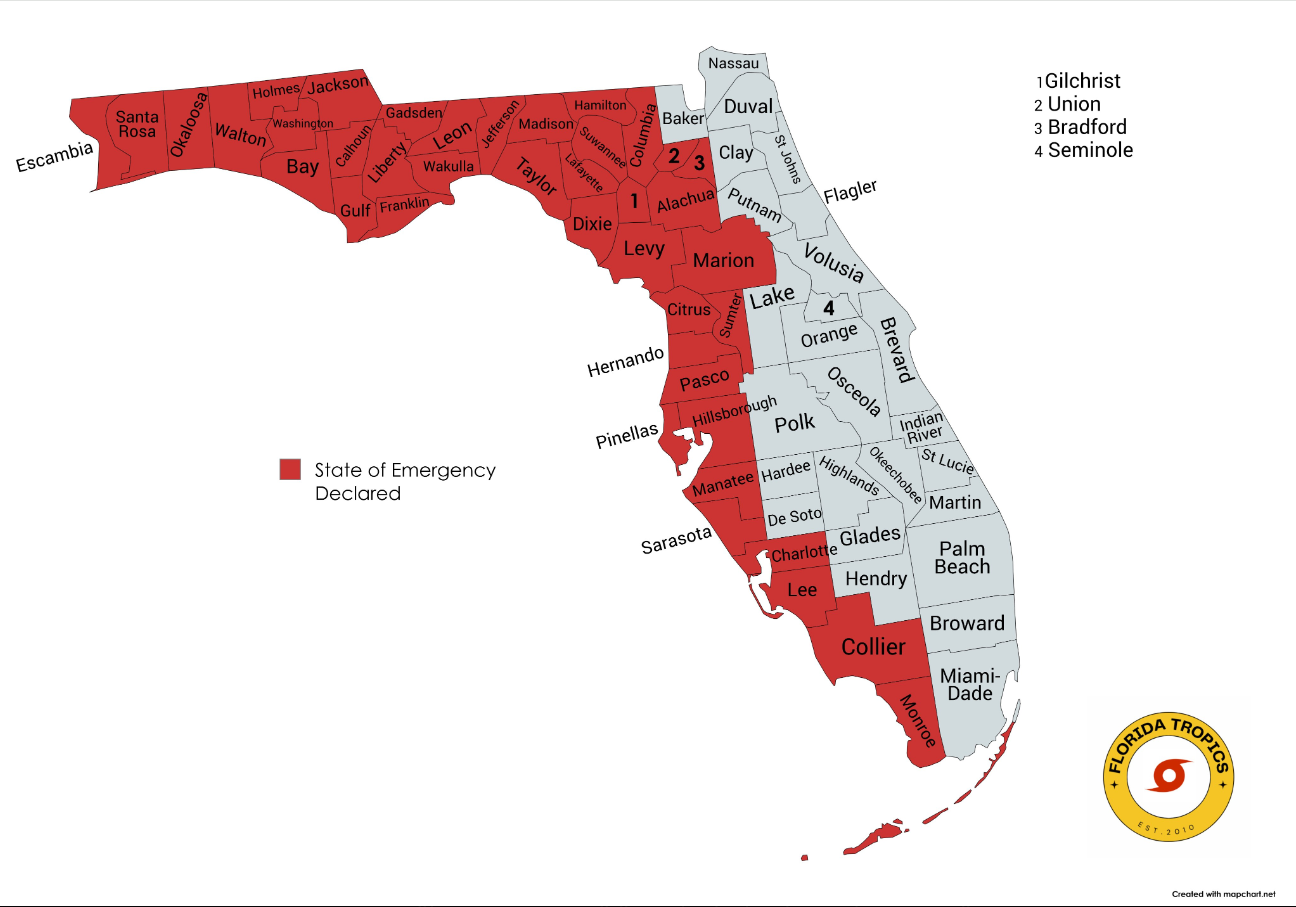
Staying informed about potential states of emergency is vital for planning travel to and within Florida, or for residents. The most reliable sources of information are:
- The Florida Division of Emergency Management (FDEM): This agency is at the forefront of coordinating emergency preparedness and response for the state. Their website (Florida Division of Emergency Management) is the definitive source for official declarations, warnings, and public safety information.
- The Office of the Governor: Executive orders declaring states of emergency are issued by the Governor. These are typically published on the official state website.
- Local Emergency Management Agencies: Each county in Florida has its own emergency management agency. These agencies provide localized information relevant to their specific jurisdictions, including evacuation orders and shelter locations.
- Reputable News Outlets: While official sources are paramount, established news organizations often provide timely updates and context on emergency situations. However, it’s always best to cross-reference information with official government channels.
Implications for Travelers and Residents
The declaration of a state of emergency in Florida has direct implications for both tourists and residents:
-
For Travelers:
- Travel Disruptions: Airports may close, flights can be canceled or rerouted, and major highways might be shut down, leading to significant travel delays or the need to alter travel plans entirely.
- Attraction Closures: Theme parks like Universal’s Islands of Adventure or SeaWorld Orlando, along with attractions such as the Kennedy Space Center Visitor Complex and various beaches and parks, may close their doors for the safety of guests and staff.
- Accommodation Issues: Hotels, resorts, and vacation rentals might be impacted. Some may be used to house emergency personnel, while others might be unavailable due to damage or evacuation orders. It’s crucial to check with your accommodation provider directly.
- Safety Precautions: Evacuation orders must be followed. If you are in an area under an evacuation order, it is critical to leave immediately to a designated safe location or follow instructions from local authorities.
-
For Residents:
- Evacuation Orders: As mentioned, these are mandatory and critical for safety.
- Power Outages: Widespread power outages are common during severe weather events.
- Resource Scarcity: Essential services like water, fuel, and food may become temporarily scarce.
- Community Support: During a state of emergency, communities often rally to support one another. Local shelters and volunteer organizations become vital.
Preparing for and Navigating Emergencies in Florida
Whether Florida is currently under a state of emergency or not, preparedness is key. Understanding potential risks and having a plan can make a significant difference in personal safety and well-being.
Proactive Planning for Residents
Florida residents should maintain an emergency preparedness kit, which typically includes:
- Water: One gallon per person per day for several days.
- Food: A several-day supply of non-perishable food items.
- First-Aid Kit: Comprehensive and well-stocked.
- Flashlight and Extra Batteries: Essential for power outages.
- Medications: A week’s supply of prescription medications.
- Multi-tool or Pocket Knife.
- Whistle: To signal for help.
- Dust Mask: To help filter contaminated air.
- Plastic Sheeting and Duct Tape: To shelter-in-place.
- Moist Towelettes, Garbage Bags, and Plastic Ties: For personal sanitation.
- Wrench or Pliers: To turn off utilities.
- Manual Can Opener.
- Local Maps.
- Cell Phone with Chargers and a Backup Battery.
Beyond a physical kit, residents should have a communication plan with family members and know evacuation routes from their homes and workplaces. Staying informed about local emergency alerts is also crucial.

Traveler Preparedness and Best Practices
Visitors to Florida should also take steps to ensure their safety and minimize disruptions:
- Monitor Weather Forecasts: Especially during hurricane season, keep a close eye on weather patterns before and during your trip.
- Purchase Travel Insurance: Comprehensive travel insurance can cover cancellations, delays, and medical emergencies, offering a financial safety net.
- Book Flexible Reservations: When possible, book hotels and tours with flexible cancellation policies. This provides peace of mind if plans need to change due to an emergency.
- Stay Informed: Follow local news and official emergency management channels for any developing situations that might affect your travel plans.
- Heed Official Warnings: If you are in Florida and an emergency is declared, pay close attention to and follow all instructions from local authorities, including any evacuation orders. Prioritize your safety above all else.
- Consider Travel Dates: If possible, avoid peak hurricane season for less risk, though storms can occur outside these months.
In conclusion, while Florida is not currently under a statewide state of emergency, the possibility always exists due to its climate and geographical position. Understanding the triggers for such declarations, the powers involved, and the resources available for information and preparedness is essential for everyone who lives in or visits this dynamic and beautiful state. By staying informed and proactive, both residents and travelers can navigate potential emergencies more safely and effectively.
LifeOutOfTheBox is a participant in the Amazon Services LLC Associates Program, an affiliate advertising program designed to provide a means for sites to earn advertising fees by advertising and linking to Amazon.com. Amazon, the Amazon logo, AmazonSupply, and the AmazonSupply logo are trademarks of Amazon.com, Inc. or its affiliates. As an Amazon Associate we earn affiliate commissions from qualifying purchases.