
Navigating the intricate landscape of business in the Lone Star State can sometimes feel like charting a course through uncharted territory. For entrepreneurs and businesses operating within Texas, a crucial document that can unlock significant cost savings and streamline operations is the resale certificate. Often referred to as a resale exemption certificate or seller’s permit, this official document empowers businesses to purchase goods that they intend to resell without paying state sales tax at the point of purchase. This exemption is a cornerstone of fair commerce, preventing the double taxation of goods as they move through the supply chain. Understanding how to obtain and utilize a resale certificate in Texas is therefore paramount for any business that buys wholesale inventory.

While the title of this article might initially suggest a direct connection to the vibrant tourism sector of Texas – perhaps detailing how a tour operator might use a resale certificate to purchase souvenirs for their travel packages or how a boutique hotel might acquire linens tax-free – the core of obtaining this certificate is a fundamental business process. However, the implications of a valid resale certificate ripple through various aspects of the business world, including those that cater to travelers and visitors. Imagine a charming bed and breakfast in Fredericksburg looking to furnish its guest rooms with local artisanal crafts, or a popular Austin music venue stocking up on merchandise for sale after a show. In both these scenarios, a resale certificate is indispensable.
This guide will demystify the process of acquiring a resale certificate in Texas, ensuring that you can leverage this essential tool to optimize your business’s financial health. We will delve into the eligibility requirements, the application process, and the responsibilities that come with holding this certificate, all while keeping in mind how these business necessities can indirectly support the thriving tourism and accommodation industries that make Texas such a dynamic destination.
Understanding the Texas Resale Certificate: Your Gateway to Tax Savings
At its heart, a resale certificate is a declaration by a buyer that the goods they are purchasing will be used for resale rather than for their own consumption or business use. In Texas, this document is formally known as the “Sales and Use Tax Resale Certificate” and is issued by the Texas Comptroller of Public Accounts. When you present this certificate to a supplier, you are essentially informing them that you are acting as a retailer, and therefore, the sale to you is exempt from state sales tax. The responsibility for collecting and remitting sales tax then shifts to you, the retailer, when you make the final sale to the end consumer.
This mechanism is vital for preventing cascading taxes. Without it, a business buying wholesale would pay sales tax, then the subsequent business buying that product would also pay sales tax, and so on, until the final consumer bears the brunt of multiple taxes on a single item. The resale certificate ensures that sales tax is only applied at the final point of sale to the consumer.
Who is Eligible for a Texas Resale Certificate?
The eligibility for obtaining a Texas resale certificate is primarily tied to your business’s intent to resell tangible personal property. Generally, any person or business that:
- Purchases tangible personal goods for the purpose of reselling them in the ordinary course of business. This is the most common scenario. For example, a shop owner in San Antonio buying clothing to sell in their boutique, or a caterer in Dallas purchasing disposable tableware for events they cater.
- Uses the purchased items as a component part or material in the manufacturing of a product that will be sold. A bakery buying flour and sugar to make cakes for sale, or a furniture maker purchasing wood and fabric to build and sell tables and chairs.
- Purchases items that become part of a taxable product sold. For instance, a print shop buying paper and ink to print flyers that are then sold to clients.
It is crucial to understand that a resale certificate is not for purchasing items for your own business use, such as office supplies, computers, furniture for your office, or equipment used in your services. These items are considered taxable and you will need to pay sales tax on them. For example, a hotel in Galveston would use a resale certificate to purchase sheets and towels that will be rented out to guests as part of their service, but they would pay sales tax on the desk chair for their administrative office.
Businesses and Entities That Typically Qualify:
- Retailers: This includes brick-and-mortar stores, online e-commerce businesses, and pop-up shops.
- Wholesalers and Distributors: Businesses that sell goods to other businesses for resale.
- Manufacturers: When purchasing raw materials or components for products they will sell.
- Service Providers Who Sell Tangible Goods: For example, a hair salon that sells shampoo and styling products, or a mechanic who sells auto parts.
- Event Organizers and Tour Operators: As mentioned earlier, if they are purchasing items specifically for resale to attendees or participants.
Understanding these distinctions is the first step towards correctly applying for and utilizing your resale certificate.
The Application Process: Steps to Obtaining Your Resale Certificate
Obtaining a Texas resale certificate is a straightforward process, typically integrated with the overall process of registering your business for sales tax purposes. You cannot simply apply for a resale certificate in isolation; it is a component of your sales tax permit.
Step 1: Obtain a Texas Taxpayer Identification Number (Texas Tax ID)
Before you can apply for a resale certificate, your business must be registered with the Texas Comptroller of Public Accounts and have a Texas Taxpayer Identification Number. This is essentially your business’s unique identification number for tax purposes in Texas.
If your business is new, or if you haven’t registered for sales tax before, you will need to complete this registration. This is typically done online through the Texas Comptroller’s website. You will need to provide information about your business, including its legal structure, ownership details, and the type of business activities you engage in.
Step 2: Apply for a Sales and Use Tax Permit
The resale certificate is issued in conjunction with your Sales and Use Tax Permit. When you register your business for sales tax, you are essentially applying for this permit. During the online registration process, you will be asked questions that determine your eligibility and the specific requirements for your business.
The application will require detailed information about your business, such as:

- Business Name and Address: The legal name and physical location of your business.
- Ownership Information: Details about the owners, partners, or officers of the business.
- Federal Employer Identification Number (FEIN): If your business has one, otherwise, the Social Security Number of the owner.
- Business Activity Code: A classification that describes your primary business operations.
- Projected Sales: An estimate of your annual taxable sales.
Step 3: Completing the Resale Certificate Information
Within the application for your Sales and Use Tax Permit, or as a subsequent step, you will indicate your intention to purchase goods for resale. The Texas Comptroller’s system is designed to recognize this intent and will process your application accordingly.
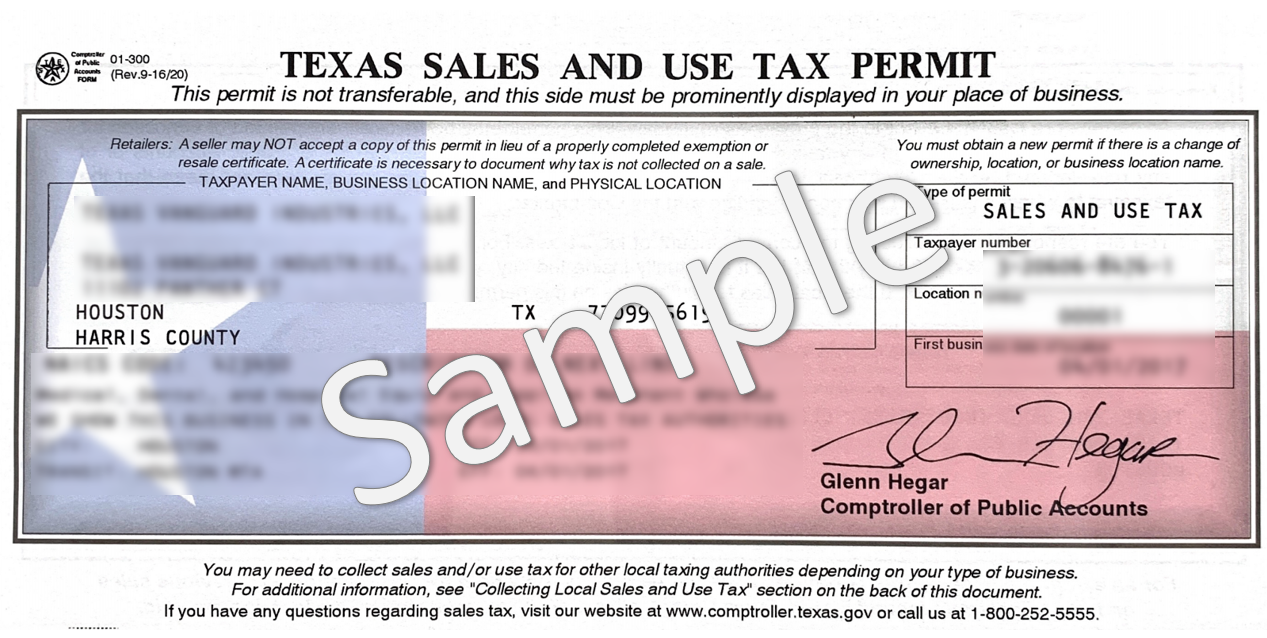
Once your application is approved, the Texas Comptroller will issue you a Sales and Use Tax Permit. This permit is your official authorization to collect and remit sales tax in Texas. While you don’t receive a separate, physical “resale certificate” document to present to every vendor, your Sales and Use Tax Permit number serves as your authority.
Using Your Sales and Use Tax Permit Number as Authority
When you need to make a tax-exempt purchase for resale, you will typically provide your Texas Sales and Use Tax Permit number to your supplier. Many suppliers will have their own internal resale certificate forms that they require you to fill out. These forms usually ask for:
- Your business name and address.
- Your Texas Sales and Use Tax Permit number.
- A brief description of the items you are purchasing for resale.
- A declaration that you will collect and remit sales tax on the eventual sale of these items.
It is essential to keep accurate records of all your resale certificates. Your supplier will also keep records of the certificates they receive from you.
Responsibilities and Best Practices for Resale Certificate Holders
Holding a resale certificate comes with significant responsibilities. Misusing this privilege can lead to penalties, fines, and interest charges from the Texas Comptroller. Therefore, it is crucial to understand your obligations and to implement best practices to ensure compliance.
Maintaining Accurate Records
The Texas Comptroller requires businesses to maintain comprehensive records that support their tax-exempt purchases. This includes:
- Copies of all resale certificates provided to suppliers.
- Invoices and receipts from suppliers, clearly indicating the tax-exempt status of the purchase.
- Sales records showing the items that were resold and the sales tax collected and remitted on those sales.
These records are crucial for demonstrating to the Comptroller that your tax-exempt purchases were indeed for resale. If audited, you will need to present these documents to justify why you did not pay sales tax on those goods.
Proper Use of the Resale Certificate
The resale certificate should only be used for the purchase of tangible personal property that you intend to resell in the ordinary course of your business. It is illegal to use a resale certificate for items that you will consume in your business operations, such as office supplies, equipment, or repairs for your business vehicles.
For example, if you own a small inn in the Texas Hill Country and you use a resale certificate to purchase decorative items for the lobby that are not for sale to guests, you are misusing the certificate. These items are for the enhancement of your business’s atmosphere, not for resale. Similarly, a restaurant using a resale certificate to purchase cleaning supplies for the kitchen would be in violation.
Staying Informed About Tax Laws
Tax laws and regulations can change. It is essential for businesses to stay informed about any updates or modifications to Texas sales tax laws that might affect the use of resale certificates. The Texas Comptroller’s website is an excellent resource for the latest information, publications, and updates. Engaging with tax professionals or business associations can also provide valuable insights and guidance.
Renewing Your Permit
While the resale certificate itself doesn’t typically have a separate renewal date, your Sales and Use Tax Permit does. Ensure that your permit is active and up-to-date. Failure to renew your permit can invalidate your ability to make tax-exempt purchases.
By adhering to these principles, businesses in Texas can confidently and legally utilize resale certificates to manage their tax liabilities effectively, freeing up capital that can be reinvested in growth, enhancing customer experiences, and contributing to the overall vitality of the Texas economy, from the bustling streets of Houston to the serene landscapes of Big Bend National Park. Whether you are in the business of providing luxurious resorts, charming apartments, or unforgettable travel experiences, understanding the resale certificate is a fundamental step towards efficient and profitable operations.
LifeOutOfTheBox is a participant in the Amazon Services LLC Associates Program, an affiliate advertising program designed to provide a means for sites to earn advertising fees by advertising and linking to Amazon.com. Amazon, the Amazon logo, AmazonSupply, and the AmazonSupply logo are trademarks of Amazon.com, Inc. or its affiliates. As an Amazon Associate we earn affiliate commissions from qualifying purchases.