
California, a state renowned for its diverse landscapes, from sun-drenched coastlines to towering mountain ranges and vast deserts, offers a unique and challenging experience for hunters. Securing a hunting license in the Golden State is the essential first step for anyone looking to partake in this long-standing tradition, whether you’re a seasoned veteran or a curious newcomer. Far more than just a piece of paper, the license represents a commitment to conservation, ethical practice, and adherence to the robust regulations designed to protect California’s incredible biodiversity. This guide provides an insightful and comprehensive overview of the process, ensuring you are well-equipped to navigate the requirements and embark on your hunting adventure responsibly.
The act of hunting in California is not merely a recreational pursuit; it is a carefully managed activity that plays a vital role in wildlife management and ecosystem balance. The state’s progressive approach to conservation means that every hunter contributes directly to these efforts through license fees and tag purchases, funding critical programs that benefit both game and non-game species. Understanding the regulatory framework, the educational prerequisites, and the step-by-step application process is paramount. This article will demystify these requirements, offering a clear pathway for individuals seeking to obtain their hunting license and explore the vast, wild expanses California has to offer.
Understanding California’s Hunting Landscape
Before diving into the specifics of obtaining a license, it’s crucial to appreciate the context within which hunting operates in California. The state boasts an unparalleled variety of habitats, supporting a wide array of game species, from black-tailed deer and wild pigs to diverse waterfowl and upland game birds. This ecological richness necessitates a stringent and well-organized regulatory system to ensure sustainability and ethical engagement.
The Role of the California Department of Fish and Wildlife
At the heart of hunting regulation and conservation in California is the California Department of Fish and Wildlife (CDFW). This agency is responsible for managing the state’s fish, wildlife, and plant resources, and for regulating their use. The CDFW issues all hunting licenses, tags, and validations, and enforces hunting laws. Their mission encompasses not only the protection and enhancement of wildlife populations but also the provision of opportunities for public enjoyment of these resources, including hunting, fishing, and wildlife viewing. Hunters are direct partners in this mission, with their license fees being a primary source of funding for habitat restoration, wildlife research, and law enforcement. Engaging with the CDFW website is essential throughout your hunting journey, as it serves as the authoritative source for regulations, season dates, and educational materials.
Why Hunting in California is Unique
Hunting in California offers an experience unlike many other regions. Its diverse geography means hunters might pursue waterfowl in the Central Valley wetlands, stalk deer in the Sierra Nevada mountains, or chase upland birds in the desert scrublands, all within the same state. This diversity brings with it complex regulations tailored to specific ecosystems, species, and management zones. Furthermore, California places a strong emphasis on public access for hunting, with numerous state and federal lands available, alongside opportunities on private ranches through various programs or guided hunts. The uniqueness also lies in the state’s progressive stance on conservation, often leading the way in wildlife management practices.
Ethical Hunting and Conservation
Integral to California’s hunting culture is a deep commitment to ethical hunting and conservation principles. Hunters are expected to uphold a high standard of conduct, encompassing fair chase, responsible shot placement, game recovery, and respect for both wildlife and private property. Education programs emphasize these ethics, ensuring that new hunters understand their role as stewards of the environment. Every hunting license issued in California is a testament to this commitment, signifying that the holder has been educated in safe and ethical practices designed to protect wildlife populations for future generations.
Essential Prerequisites for Your License
Before you can even apply for a hunting license in California, there are fundamental requirements that must be met. These prerequisites are designed to ensure that all hunters possess the necessary knowledge of firearms safety, hunting ethics, and wildlife conservation.
Hunter Education Requirement
The cornerstone of becoming a licensed hunter in California is completing a certified Hunter Education course. This mandatory requirement applies to all first-time resident and non-resident hunters, regardless of age, with only a few specific exemptions (e.g., those who held a hunting license in California prior to January 1, 1975). The course typically covers firearm safety, hunting ethics, wildlife identification, conservation principles, and hunting regulations specific to California.
These courses are offered in several formats:
- Traditional Classroom Courses: These involve in-person instruction, often over several days, providing direct interaction with instructors and hands-on experience.
- Online Courses with a Field Day: Many individuals opt for the flexibility of online coursework, which must then be supplemented by a mandatory “field day” where practical skills, live-fire exercises, and a final exam are conducted under the supervision of certified instructors.
- Online-Only for Specific Cases: There are limited circumstances, primarily for experienced hunters who have previously held licenses in other states, where an equivalency exam or online-only certification might be considered. However, for most first-timers, a practical component is required.
Upon successful completion of the course and passing the final exam, you will receive a Hunter Education Certificate. This certificate is vital evidence that you have met the state’s safety and ethical standards, and it must be presented when purchasing your first hunting license.
Age Restrictions and Minor Requirements
While there is no minimum age to take a Hunter Education course, there are specific guidelines for minors participating in hunting activities in California.
- General Rule: Anyone, regardless of age, must possess a valid hunting license to hunt in California.
- Junior Hunting Licenses: Special junior hunting licenses are available for individuals under 18 years of age. These licenses often come with reduced fees.
- Supervision: Minors under 16 years of age must be accompanied by a licensed adult (18 years or older) while hunting. The accompanying adult must possess a valid hunting license and any necessary tags or validations for the species being hunted. The adult is responsible for ensuring the minor’s compliance with all hunting laws and regulations.
- Parental Consent: In many cases, parental or guardian consent forms are required for minors participating in Hunter Education courses or obtaining licenses.
Residency vs. Non-Residency
The cost of a hunting license in California varies significantly based on residency status.
- Resident Status: To qualify as a California resident for hunting license purposes, you must either possess a valid California driver’s license or identification card, or be a citizen of the United States or a permanent resident alien and have resided continuously in California for six months immediately prior to the date of application for a license. There are specific rules for military personnel and students.
- Non-Resident Status: If you do not meet the criteria for residency, you will need to purchase a non-resident hunting license, which typically carries a higher fee. Non-residents are subject to the same Hunter Education requirements as residents.
Accurately declaring your residency status is important, as misrepresentation can lead to penalties.
The Step-by-Step Application Process
Once you’ve satisfied the Hunter Education requirement and confirmed your eligibility, the actual application process for your hunting license in California is relatively straightforward.
Obtaining Your GO ID
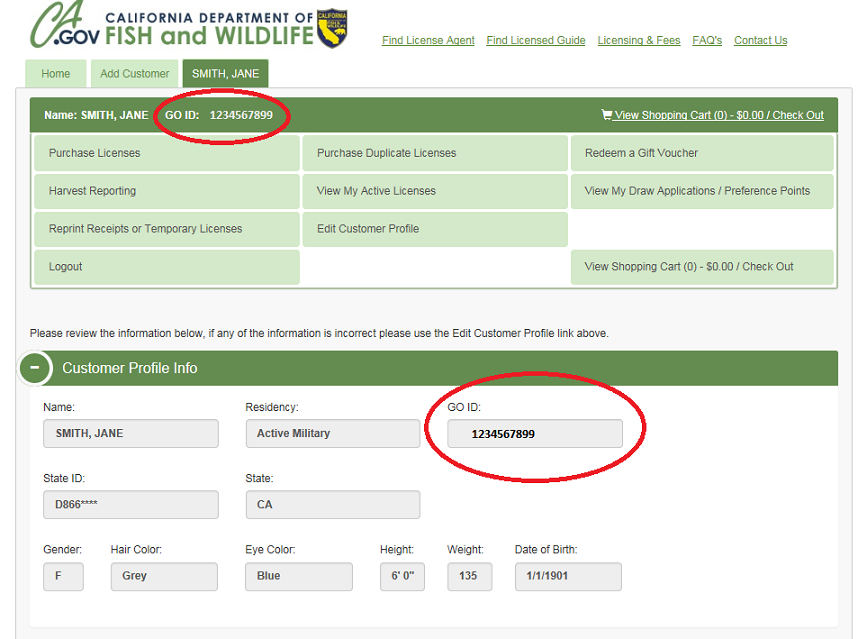
The first and most critical step for anyone interacting with the California Department of Fish and Wildlife for licenses, tags, or reports is to obtain a GO ID. This unique lifetime identification number serves as your personal identifier within the CDFW’s automated license data system.
- How to Get It: You can obtain your GO ID online through the CDFW’s Automated License Data System (ALDS) portal, or in person at a licensed agent or CDFW office.
- Information Required: You’ll need to provide personal information such as your full name, date of birth, address, and either your California driver’s license/ID number or other acceptable identification.
- Importance: Your GO ID will be used for all future license, tag, and validation purchases, and for reporting your hunting success. It’s essential to keep this number safe and readily accessible.
Purchasing Your License Online or In-Person
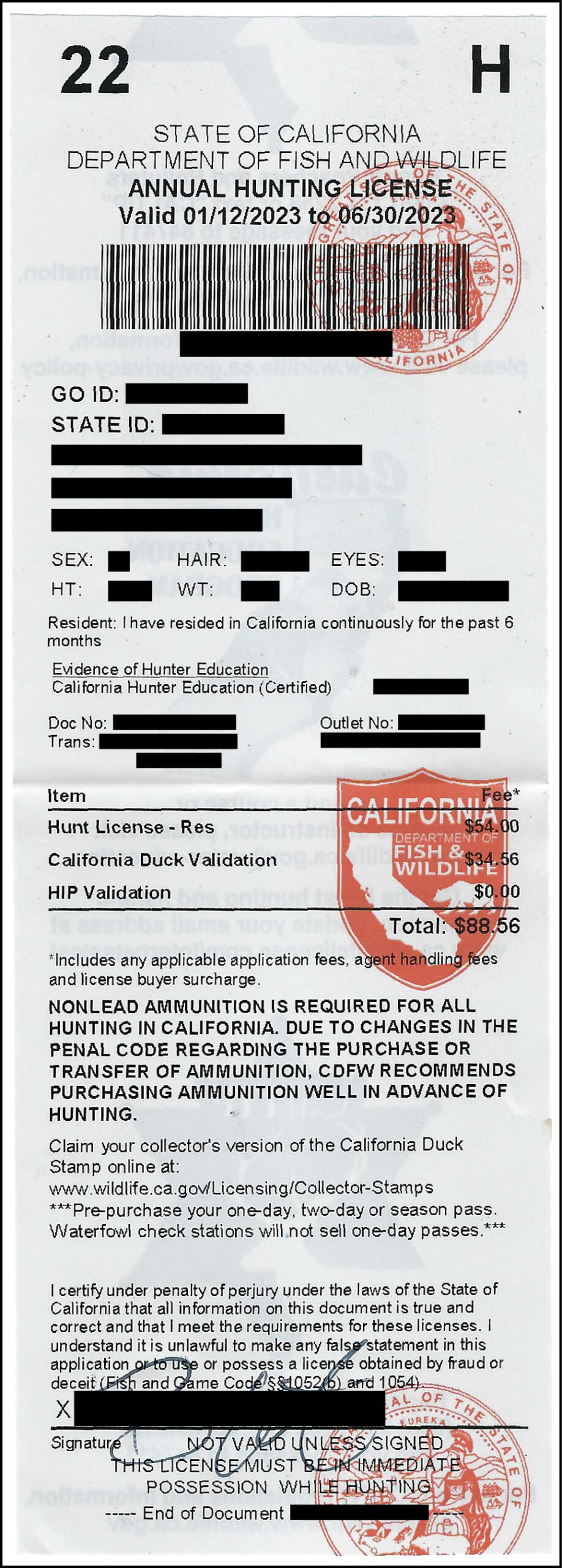
With your GO ID in hand and Hunter Education certificate verified, you are ready to purchase your license.
- Online: The most convenient method is through the CDFW’s ALDS portal. You can select the type of hunting license you need, pay with a credit card, and print a temporary license immediately. Your permanent license, along with any ordered tags, will then be mailed to you.
- In-Person: Licenses can also be purchased at any authorized license agent throughout California (sporting goods stores, bait shops, etc.) or directly at CDFW license sales offices. When purchasing in person, remember to bring your Hunter Education certificate (if it’s your first license) and appropriate identification. The agent will assist you in filling out the necessary forms and printing your temporary license.
Understanding License Types and Endorsements
The basic hunting license is your entry ticket, but California offers various endorsements and validations required for specific hunting activities.
- Annual Hunting License: This is the foundational license required for all hunting activities. It is valid from July 1st through June 30th of the following year.
- Upland Game Bird Validation: Required if you plan to hunt upland game birds (e.g., pheasants, quail, doves, grouse).
- Federal Duck Stamp & California Duck Validation: If you intend to hunt migratory waterfowl (ducks, geese, swans, coots, snipe), you will need both a federal migratory bird hunting and conservation stamp (Federal Duck Stamp) and a California Duck Validation. The Federal Duck Stamp must be signed across its face.
- Deer Tags, Bear Tags, Pig Tags, etc.: For big game species, specific tags are required in addition to your annual hunting license and any relevant validations. These are often quota-based or lottery-based and have separate application processes and deadlines.
- Archery Only, Muzzleloader: Special methods of take may require specific validations or be tied to specific seasons.
It’s crucial to thoroughly review the current year’s hunting regulations for precise details on which licenses, tags, and validations are required for the species you intend to hunt and the method you plan to use.
Beyond the Basic License: Tags and Regulations
Obtaining your general hunting license is just the beginning. To hunt specific species, especially big game, you will need additional tags and must adhere to a complex set of regulations designed to manage wildlife populations.
Big Game Tags (Deer, Bear, Pig, etc.)
For species like deer, bear, wild pig, and elk, specific tags are mandatory. These tags are critical for monitoring harvest rates and managing populations.
- Deer Tags: California is divided into deer hunting zones, each with specific season dates, bag limits, and tag quotas. Hunters typically apply for deer tags through a draw system for premium zones or purchase them over-the-counter for general zones until quotas are met.
- Bear Tags: Bear tags are also required and are available until a statewide quota is reached. There are specific reporting requirements for bear harvest.
- Wild Pig Tags: Wild pig tags are available over-the-counter and can be purchased throughout the year. Wild pigs are non-native and often managed to reduce their ecological impact.
- Other Big Game: Tags for species like elk, pronghorn antelope, and bighorn sheep are extremely limited and typically allocated through a highly competitive lottery system.
Each tag comes with specific rules regarding the number of animals that can be taken, the area where they can be hunted, and mandatory reporting requirements upon harvest.
Upland Game Bird and Waterfowl Validation
As mentioned, hunting upland game birds requires an Upland Game Bird Validation, while migratory waterfowl necessitates both a Federal Duck Stamp and a California Duck Validation. These validations help fund conservation efforts directly related to these bird populations and their habitats. Hunters must also be aware of specific bag and possession limits, which vary by species and region.
Specific Season Dates and Quotas
One of the most critical aspects of hunting in California is understanding and adhering to season dates and quotas. These are established annually by the California Department of Fish and Wildlife based on scientific data, population assessments, and public input.
- Season Dates: Hunting seasons are highly specific, often varying by zone, species, and even method of take (e.g., archery season vs. general rifle season). Hunting outside of designated season dates is a serious violation.
- Quotas: Many species, particularly big game, have harvest quotas either for specific zones or statewide. Once a quota is met, the season for that species or zone is immediately closed, regardless of the published end date. Hunters are responsible for checking daily for closure announcements, especially for species like bear.
- Bag and Possession Limits: These dictate the maximum number of animals a hunter can take in a single day (bag limit) and the maximum number they can have in their possession at any given time (possession limit). These are strictly enforced.
All this information is detailed in the annual California Hunting Regulations, which is a must-read document for every hunter.
Public vs. Private Lands for Hunting
California offers extensive public lands for hunting, managed by various federal and state agencies.
- National Forests and BLM Lands: Vast tracts of land managed by the U.S. Forest Service and the Bureau of Land Management are open to hunting, subject to specific regulations and local restrictions.
- State Wildlife Areas and Ecological Reserves: The CDFW manages numerous properties specifically for wildlife conservation and public access, including hunting opportunities. Some areas may require a daily or annual pass.
- Private Lands: Hunting on private land requires explicit permission from the landowner. Trespassing is a serious offense. Many outfitters and guides operate on private lands, offering fee-based hunting experiences.
Hunters must always know precisely where they are hunting and understand the regulations specific to that land designation. Maps and GPS devices are invaluable tools for staying within legal boundaries.
Preparing for Your California Hunting Adventure
With your license and tags secured, and a thorough understanding of the regulations, you’re on the cusp of a memorable hunting experience in California. Proper preparation extends beyond legal compliance to include safety, environmental responsibility, and staying informed.
Gear Essentials and Safety Practices
Successful and safe hunting relies heavily on preparation. Essential gear includes:
- Appropriate Clothing: Dress in layers suitable for California’s varied and often unpredictable weather, including blaze orange for visibility where required.
- Navigation Tools: A reliable GPS device, maps, and compass are crucial, especially in remote areas.
- First-Aid Kit: Be prepared for minor injuries or emergencies.
- Firearm/Archery Equipment: Ensure your equipment is in good working order and you are proficient in its use. Always follow the cardinal rules of firearm safety.
- Game Care Equipment: Field dressing kit, game bags, and cooling supplies are essential for proper game handling.
Safety extends beyond firearms to include awareness of your surroundings, informing others of your hunting plans, and being prepared for wildlife encounters.
Respecting Wildlife and the Environment
As a hunter in California, you are a de facto ambassador for conservation. This means adhering to “Leave No Trace” principles, packing out everything you pack in, and minimizing your impact on the natural environment. Respecting wildlife also means understanding their behavior, avoiding unnecessary disturbance, and making ethical decisions in the field. Your actions reflect on the entire hunting community and its relationship with the public and wildlife agencies.
Staying Informed About Regulatory Changes
Hunting regulations in California are dynamic and can change from year to year, or even within a season, especially with emergency closures. It is the hunter’s responsibility to stay current with all rules and regulations.
- Annual Hunting Regulations Booklet: Always obtain and thoroughly read the most current version of the CDFW’s official hunting regulations booklet.
- CDFW Website and Alerts: Regularly check the California Department of Fish and Wildlife website for emergency closures, season updates, and important announcements. Consider signing up for email alerts.
- Local Offices and Agents: Local CDFW offices and authorized license agents can also provide valuable insights and updates specific to your hunting area.
Embarking on a hunting journey in California is an enriching experience that connects individuals with nature, promotes outdoor skills, and contributes meaningfully to wildlife conservation. By diligently following these steps and embracing the responsibilities that come with a hunting license, you can look forward to a rewarding and ethical adventure in one of the most ecologically diverse states in the nation.
LifeOutOfTheBox is a participant in the Amazon Services LLC Associates Program, an affiliate advertising program designed to provide a means for sites to earn advertising fees by advertising and linking to Amazon.com. Amazon, the Amazon logo, AmazonSupply, and the AmazonSupply logo are trademarks of Amazon.com, Inc. or its affiliates. As an Amazon Associate we earn affiliate commissions from qualifying purchases.