
The Entrepreneurial Path: Understanding the California Resale License
What is a Resale License (Seller’s Permit)?
A resale license, formally known as a seller’s permit in California, is a fundamental requirement for individuals and businesses engaged in the sale of tangible personal property that is subject to sales tax. For many embracing an entrepreneurial lifestyle, whether it’s launching an online boutique, crafting artisanal goods for local markets, or venturing into the vintage resale sphere, this permit is more than just a piece of paper; it’s your official authorization to collect sales tax from your customers on behalf of the state. This means you, as a seller, act as an agent for the California Department of Tax and Fee Administration (CDTFA), remitting the collected taxes to them. Without this permit, selling taxable goods can lead to significant penalties, undermining the very foundation of your aspiring business lifestyle.
Who Needs a Seller’s Permit?
Essentially, if you are selling tangible items in California with the intent to make a profit, you likely need a seller’s permit. This applies regardless of the scale of your operation or how you define your entrepreneurial venture. Are you a digital nomad selling unique travel souvenirs? An artist monetizing your creations at weekend fairs? Or perhaps you’re setting up a more traditional retail presence? All these scenarios typically necessitate a permit. There are very specific exceptions, such as purely service-based businesses that don’t sell any taxable goods, or sales of non-taxable items like certain food products. However, for the vast majority of lifestyle entrepreneurs dealing in merchandise, obtaining this permit is a mandatory first step toward legitimate operation and sustainable growth in the Golden State. It’s a key part of embracing a responsible and thriving business lifestyle.
Your Step-by-Step Guide to Obtaining a California Seller’s Permit
Navigating governmental bureaucracy can often seem daunting, but securing your California seller’s permit is a straightforward process designed to integrate new businesses into the state’s economic fabric. For the independent spirit looking to build a flexible and fulfilling lifestyle business, understanding each step ensures a smooth launch.
Gathering Essential Information
Before you begin the online application, ensure you have the following details ready. Having these at hand will streamline your process and prevent interruptions, allowing you to focus on the exciting aspects of your entrepreneurial journey.
- Business Information: This includes your business name (legal and/or fictitious), its physical address, and your mailing address. If you’re operating a home-based business, your home address will suffice.
- Business Type: Are you a sole proprietor, partnership, corporation, or limited liability company (LLC)? Your business structure determines certain legal and tax obligations.
- Federal Employer Identification Number (FEIN): If you have employees or operate as a corporation or LLC, you’ll need an FEIN. Sole proprietors without employees can typically use their Social Security Number (SSN).
- Social Security Number (SSN) or Individual Taxpayer Identification Number (ITIN): Required for all individual owners/partners.
- Detailed Business Activity: Describe the type of goods you will be selling and the primary method of sale (e.g., online retail, brick-and-mortar store, craft fairs, wholesale).
- Start Date of Business: The date you anticipate making your first taxable sale.
- Estimated Monthly Taxable Sales: An estimate helps the CDTFA determine your filing frequency.
The Online Application Process via CDTFA
The most efficient way to apply for your seller’s permit is online through the official California Department of Tax and Fee Administration (CDTFA) website.
- Visit the CDTFA Website: Navigate to the CDTFA’s online services portal. Look for the “Register a New Business” or “Apply for a Seller’s Permit” link.
- Create an Account (if new): If you don’t already have an account, you’ll need to create a username and password. This account will be your portal for managing your permit, filing returns, and making payments in the future.
- Complete the Application Form: Meticulously fill out all required fields using the information you gathered. Be accurate and thorough. Double-check for typos or missing information, as these can cause delays.
- Review and Submit: Before final submission, carefully review your entire application. Once satisfied, submit it electronically.
- Confirmation: You will typically receive an immediate confirmation that your application has been received. In many cases, if all information is accurate and straightforward, your seller’s permit number will be issued instantly online or via email. For more complex applications, it might take a few days for processing.
There is generally no fee to obtain a California seller’s permit. However, depending on your business type and estimated sales, the CDTFA might require a security deposit. This deposit ensures compliance and is usually refundable after a period of timely tax filings. For lifestyle entrepreneurs, this process is a vital administrative step towards achieving financial independence and the freedom that comes with running your own enterprise.
Maintaining Your Entrepreneurial Journey: Beyond the Permit
Obtaining your seller’s permit is a significant milestone, but it’s just the beginning of your responsibilities as a legitimate business owner in California. Successfully managing your sales tax obligations is crucial for sustaining your entrepreneurial lifestyle and avoiding future complications.
Collecting Sales Tax
Once you have your seller’s permit, you are legally obligated to collect sales tax from your customers on all taxable sales you make. The sales tax rate varies by location within California, as it includes a statewide rate plus any applicable district taxes (city, county, or special district taxes).
- Determine the Correct Rate: Use the CDTFA’s online lookup tool or their comprehensive database to find the accurate sales tax rate for the point of sale. For online sales, the rate is generally based on the buyer’s shipping address.
- Display Clearly: It’s good practice to clearly communicate to your customers that sales tax will be added to their purchase. Itemize it on receipts.
- Segregate Funds: It’s vital to remember that sales tax collected is not your money; it belongs to the state. Many successful lifestyle entrepreneurs maintain a separate bank account or bookkeeping entry specifically for collected sales tax funds to ensure they are available when it’s time to remit.
Filing Sales Tax Returns and Remitting Payments
The CDTFA will assign you a filing frequency (e.g., monthly, quarterly, annually) based on your estimated taxable sales. You are required to file a sales tax return even if you had no sales during a particular reporting period.
- Online Filing is Key: The easiest and most recommended method for filing and payment is through your online account on the CDTFA website. This ensures accuracy and provides immediate confirmation.
- Due Dates: Be diligent about due dates. Late filings and payments can incur penalties and interest, which can quickly erode the profits of a fledgling lifestyle business. Due dates are typically the last day of the month following the reporting period (e.g., Q1 sales due April 30th).
- Record-Keeping: Maintain meticulous records of all sales, sales tax collected, purchases for resale, and any other relevant financial transactions. Good record-keeping not only facilitates accurate tax filings but also provides valuable insights into the health of your business. This is foundational for any sustainable entrepreneurial endeavor.
Special Considerations for the Modern Entrepreneur
The landscape of business is ever-evolving, and many lifestyle entrepreneurs operate with flexibility in mind. Understanding how the resale permit applies to diverse business models is essential for compliance and peace of mind.
Home-Based and Online Businesses
Many individuals opt for a home-based or entirely online business to support a flexible lifestyle. The need for a seller’s permit remains the same: if you sell taxable tangible goods to California customers, you need one.
- Business Address: Your home address typically serves as your business address for the permit.
- Local Permits: While the seller’s permit is state-level, remember to check with your city or county for any additional local business licenses or permits required for home-based operations (e.g., a business license in Los Angeles or San Francisco). These local regulations ensure you are compliant with zoning and municipal requirements.
- Nexus: For online sellers shipping globally, the concept of “nexus” is important. A physical presence in California (even a home office) creates nexus, obligating you to collect sales tax from California buyers. If you only sell to customers outside of California, the rules change, but if you’re physically located in California, you’ll still need the permit.
Temporary Sellers and Pop-Up Ventures
For those embracing a dynamic lifestyle, selling at craft fairs, farmers’ markets, pop-up shops, or temporary events is a popular way to engage with customers.
- Temporary Seller’s Permit: If your sales are infrequent and short-term (e.g., a few events per year), the CDTFA offers a temporary seller’s permit. This is ideal for artists, crafters, and seasonal vendors.
- Event Reporting: Organizers of such events often require vendors to provide their seller’s permit number, and they may report sales activity to the CDTFA. Always be prepared to present your permit and accurately report your sales.
- Flexibility and Compliance: This flexibility allows entrepreneurs to test markets and scale their operations while remaining fully compliant, a core tenet of a successful and stress-free business lifestyle.
Avoiding Common Pitfalls: Sustaining Your Lifestyle Business
A truly thriving entrepreneurial lifestyle is built on a foundation of proactive compliance and smart management. Being aware of common missteps can save you significant time, money, and stress.
Not Obtaining the Permit
The most critical error is operating without a seller’s permit when required. The CDTFA actively monitors commercial activity. If you’re discovered selling taxable goods without a permit, you could face:
- Back Taxes: You’ll owe all the sales tax you should have collected, potentially from the date your business started.
- Penalties and Interest: Substantial financial penalties and interest charges will be added to the unpaid taxes, often far exceeding the original tax liability.
- Legal Consequences: In severe cases, operating without a required permit can lead to legal action.
These consequences can cripple a budding lifestyle business before it even has a chance to flourish, making the initial step of obtaining the permit paramount.
Incorrectly Applying Sales Tax Rates
California has a complex system of district taxes. Applying the wrong sales tax rate is a common mistake.
- Under-collection: If you collect too little, you’ll be responsible for making up the difference to the CDTFA out of your own pockets, impacting your profit margins.
- Over-collection: Collecting too much can lead to customer dissatisfaction and potential legal issues, though less common than under-collection.
Always use the CDTFA’s official tools to verify rates, especially for sales shipped to different locations.

Poor Record-Keeping
Inadequate records make it impossible to accurately file returns and can create major problems during an audit.
- Missing Sales Data: Without clear records of sales, collected tax, and exempt sales, proving your figures to the CDTFA becomes challenging.
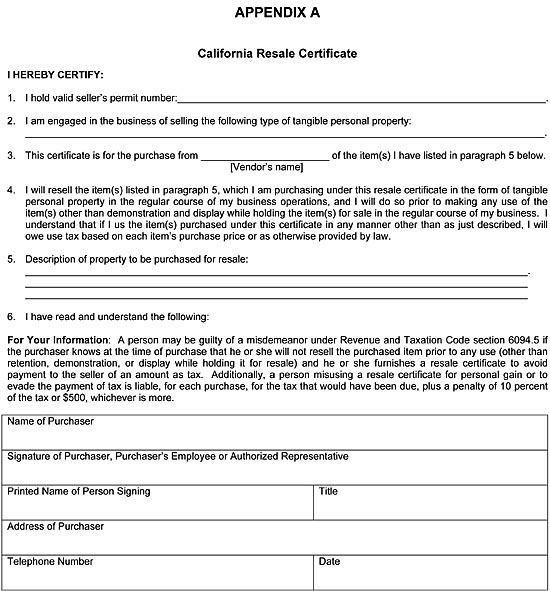
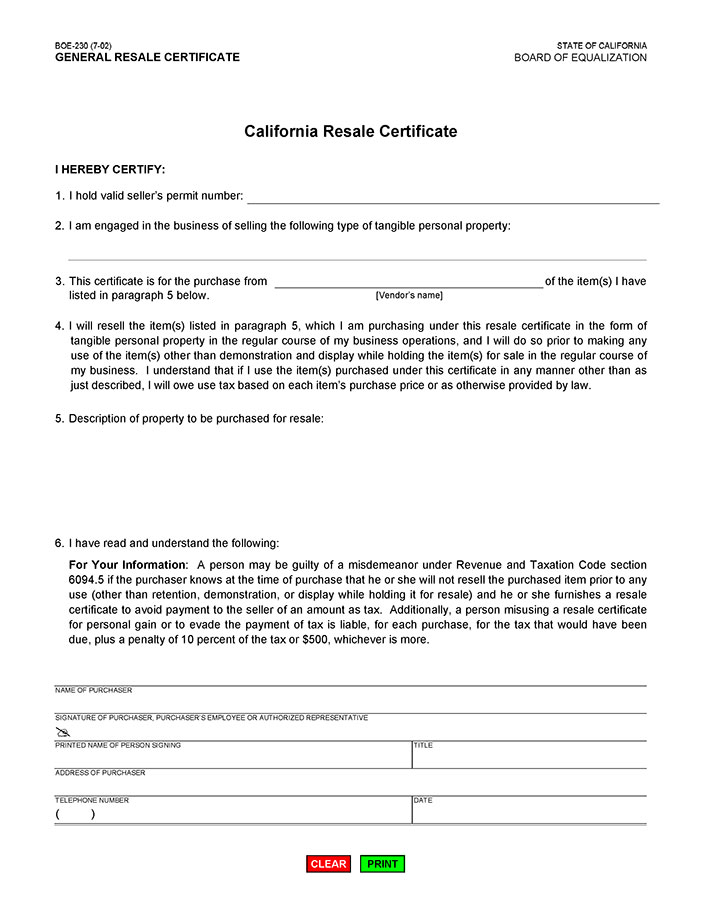
- No Purchase for Resale Records: If you buy goods for resale, you typically don’t pay sales tax on these purchases by providing your seller’s permit number to your supplier. You must keep records of these transactions (resale certificates) to justify why you didn’t pay tax on those inputs.
- Audit Readiness: Think of every financial transaction as a story you might have to tell. Keep documentation (invoices, receipts, bank statements) organized and accessible. This diligence is a hallmark of a robust and enduring entrepreneurial lifestyle.
By understanding and adhering to these requirements, you not only ensure compliance but also build a solid, credible foundation for your business. This allows you to focus your energy on creativity, growth, and truly living out your chosen entrepreneurial lifestyle in California.
LifeOutOfTheBox is a participant in the Amazon Services LLC Associates Program, an affiliate advertising program designed to provide a means for sites to earn advertising fees by advertising and linking to Amazon.com. Amazon, the Amazon logo, AmazonSupply, and the AmazonSupply logo are trademarks of Amazon.com, Inc. or its affiliates. As an Amazon Associate we earn affiliate commissions from qualifying purchases.