
Embracing an entrepreneurial lifestyle or embarking on a significant business stay in California often involves navigating crucial legal and regulatory frameworks. For those planning to sell tangible personal property, understanding how to obtain a resale license – officially known as a Seller’s Permit in California – is a foundational step. This permit is not just a formality; it’s a vital tool for managing sales tax obligations, ensuring compliance, and providing the flexibility needed for a thriving business, whether it’s a brick-and-mortar store or a dynamic online venture. For anyone living “out of the box” and building their own enterprise, mastering this process is key to long-term success and peace of mind.
The Entrepreneurial Edge: Why a Resale License Matters for Your Lifestyle Business
For the modern entrepreneur, especially those whose lifestyle involves remote work, frequent business stays, or running a business from various locations, understanding the intricacies of sales tax permits is essential. A California Seller’s Permit is more than just a piece of paper; it’s a strategic asset that allows businesses to operate legally, manage finances efficiently, and expand their reach. It provides the legal authority to collect sales tax on taxable sales and report it to the state, preventing legal issues and ensuring fair trade practices. Without it, purchasing goods for resale would incur sales tax on acquisition, eroding profit margins and complicating accounting.
Understanding the California Seller’s Permit
In California, what is commonly referred to as a “resale license” or “resale certificate” is officially known as a Seller’s Permit. This permit is issued by the California Department of Tax and Fee Administration (CDTFA). It is mandatory for any individual, partnership, corporation, or other organization that:
- Sells or leases tangible personal property normally subject to sales tax.
- Intends to sell items at retail (directly to the consumer).
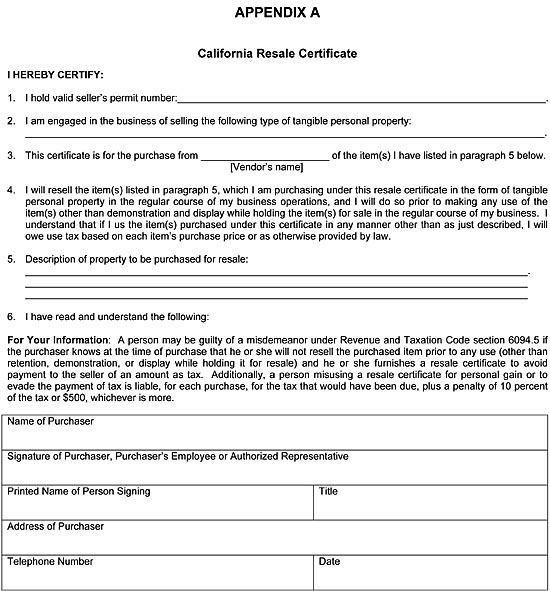
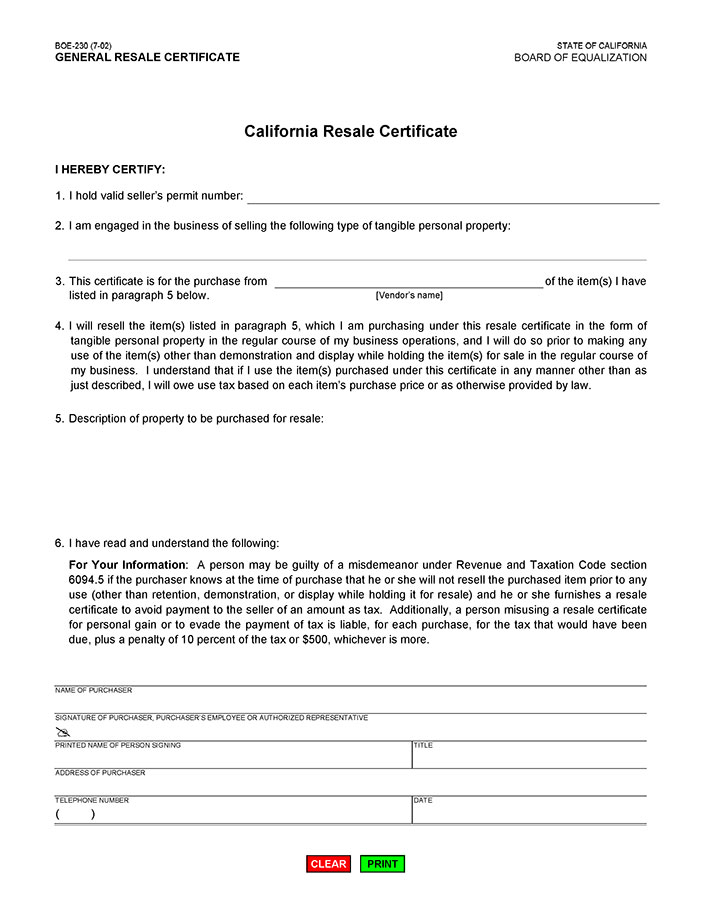
- Buys items for resale from suppliers without paying sales tax at the time of purchase (by providing a resale certificate to the supplier).
Essentially, if you are engaging in taxable sales activities in California, even temporarily or as part of a seasonal business, obtaining this permit is a non-negotiable requirement.
Benefits for Lifestyle Entrepreneurs and Remote Business Owners
For those pursuing an entrepreneurial lifestyle, a California Seller’s Permit offers significant advantages. Firstly, it allows you to purchase inventory from wholesalers and manufacturers without paying sales tax on those purchases. This immediate tax exemption on inputs dramatically improves cash flow and profitability, which is critical for new or growing businesses. Secondly, possessing a valid permit lends credibility to your business, facilitating smoother transactions with suppliers and potentially unlocking better wholesale pricing.
Furthermore, for remote business owners or those on extended business stays, having the permit ensures compliance with California’s tax laws from the outset. This eliminates the stress of potential penalties or audits down the line, freeing up valuable time and resources to focus on growth and innovation. Whether you’re selling handmade crafts online, dropshipping, or operating a mobile boutique, the Seller’s Permit provides the legal foundation for sustained and flexible operations, aligning perfectly with a “life out of the box” philosophy that values freedom and efficiency.
Navigating the Application Process: A Step-by-Step Guide for the Modern Business Stay
The process of obtaining a California Seller’s Permit is streamlined, largely thanks to online resources provided by the CDTFA. However, proper preparation and understanding each step are crucial to avoid delays, especially for those who might be new to California’s regulatory environment or managing their business remotely. This guide will walk you through the necessary steps, ensuring a smooth application process that aligns with the flexibility demanded by a modern business lifestyle.
Initial Preparations: Business Structure and Information Gathering
Before you even begin the application, gather all necessary information and make key decisions about your business. This foresight will prevent stops and starts during the online application process.
- Business Entity Type: Determine your legal business structure (e.g., sole proprietorship, partnership, LLC, corporation). This affects how you register and what information is required.
- Federal Employer Identification Number (FEIN): If you have employees or operate as a corporation or partnership, you’ll need an FEIN from the IRS. Sole proprietors without employees can typically use their Social Security Number.
- Business Activity: Clearly define the type of products you will be selling. This helps the CDTFA classify your business for tax purposes.
- Business Location(s): Provide the physical address of your primary business location. Even if you operate online, a physical address is generally required. For remote entrepreneurs or those on a temporary business stay, using a registered agent’s address or a virtual office might be an option, but confirm CDTFA requirements for such setups.
- Estimated Monthly Sales: You’ll need to provide an estimate of your expected monthly sales to help the CDTFA determine your filing frequency (e.g., quarterly, annually).
- Bank Account Information: Be prepared to provide bank account details for direct payments, though this might be an optional setup for later.
- Contact Information: Ensure all contact details (phone, email) are accurate for easy communication.
Online Application via the CDTFA Website

The most efficient way to apply for your California Seller’s Permit is online through the official CDTFA website.
- Access the CDTFA Online Services: Navigate to the CDTFA website (cdtfa.ca.gov) and look for the “Register a New Business” or “Apply for a Seller’s Permit” section.
- Create an Account (if new): If you don’t already have one, you’ll need to create an online account. This involves providing an email address and setting up a secure password.
- Start the Application: Follow the prompts to begin your application for a Seller’s Permit. The online system is designed to guide you through each section.
- Enter Business Information: Input all the details gathered in your preparatory stage, including your business name, structure, FEIN or SSN, business activity codes (often selected from a dropdown list), and location information.
- Personal Information: You will need to provide personal details for all owners, partners, or corporate officers, including names, Social Security Numbers, and contact information. This is for background checks and verification.
- Security Information: The CDTFA may require a security deposit, especially for new businesses or those deemed higher risk. The amount often depends on your estimated monthly taxable sales. This deposit helps ensure sales tax compliance.
- Review and Submit: Carefully review all the information you’ve entered. Any errors could delay your application. Once you’re confident everything is correct, submit your application electronically.
What to Expect Post-Application
After submitting your application, the CDTFA will process it.
- Immediate Confirmation: You will typically receive an immediate confirmation number.
- Processing Time: While many online applications are processed quickly, sometimes within minutes for a temporary permit number, it can take a few weeks for the official permit to arrive via mail. You might receive a temporary permit number that allows you to start purchasing for resale immediately.
- Follow-Up: The CDTFA may contact you if they require additional information or clarification. Respond promptly to avoid further delays.
- Physical Permit: Your official Seller’s Permit will be mailed to your designated business address. It must be displayed prominently at your place of business. For online businesses, keeping it on file is sufficient.
Maintaining Compliance: Essential for Long-Term Business Sustainability and Freedom
Obtaining your California Seller’s Permit is just the beginning. The core of maintaining a compliant and sustainable business, particularly for those whose lifestyle demands flexibility and freedom, lies in diligently adhering to ongoing sales tax obligations. This includes accurately collecting sales tax, timely filing returns, and maintaining meticulous records. Ignoring these responsibilities can lead to significant penalties, interest, and even criminal charges, jeopardizing your entrepreneurial journey.
Sales Tax Collection and Remittance
Once you have your Seller’s Permit, you are legally required to collect sales tax from your customers on all taxable sales in California. The sales tax rate varies by city and county, comprising a statewide base rate plus various local district taxes. It’s crucial to know the correct rate for each sale you make, especially if you have customers in different jurisdictions within California.
- Determine Sales Tax Rates: Use the CDTFA’s website to look up current sales tax rates by address or zip code. Many e-commerce platforms offer integrations that automatically calculate these rates.
- Collect Sales Tax: Add the applicable sales tax to the total purchase price for taxable goods. It is important to clearly show the sales tax as a separate line item on customer invoices or receipts.
- File Returns: You must file sales and use tax returns with the CDTFA on a regular basis, usually monthly, quarterly, or annually, as determined when you applied for your permit. The filing frequency depends on your estimated taxable sales volume. Even if you have no sales for a reporting period, you must still file a “zero return.”
- Remit Collected Taxes: The sales tax you collect belongs to the state, not your business. You are acting as a trustee for the state. Remit these collected taxes to the CDTFA by the specified due dates. Most businesses can do this conveniently through the CDTFA’s online portal.
Record Keeping Best Practices
Thorough and accurate record keeping is paramount for sales tax compliance. It protects your business in case of an audit and provides clear financial insights, essential for strategic decision-making.
- Sales Invoices: Keep copies of all sales invoices, detailing the item sold, selling price, sales tax collected, and customer information.
- Purchase Invoices: Retain records of all purchases, especially those for which you used your resale certificate. These invoices should clearly show that no sales tax was charged on your wholesale acquisitions.
- Resale Certificates from Buyers: If you sell to other businesses for resale, you must obtain a valid resale certificate from them. Keep these on file as proof that you were not required to collect sales tax on those specific transactions.
- Tax Returns: Maintain copies of all filed sales and use tax returns.
- Retention Period: The CDTFA generally requires businesses to keep records for at least four years. However, it is often advisable to retain them longer, especially for significant transactions. Digital record keeping systems can greatly simplify this process for entrepreneurs on the go.
Staying Informed on California Tax Laws
Tax laws are not static; they evolve. For entrepreneurs whose lifestyle embraces adaptability, staying current with California’s sales and use tax laws is critical. Changes in tax rates, new regulations regarding specific product categories, or updates to filing procedures can directly impact your business operations.
- CDTFA Website and Publications: Regularly check the CDTFA website for news, announcements, and updated publications. Sign up for their mailing lists or newsletters to receive direct notifications of changes.
- Professional Advice: Consider consulting with a tax professional or accountant experienced in California sales tax. Their expertise can be invaluable in navigating complex situations and ensuring ongoing compliance, allowing you to focus on your core business activities and entrepreneurial lifestyle.
- Business Networks: Join local business associations or online forums where entrepreneurs discuss regulatory changes. This community knowledge can be a powerful resource for staying informed.
By diligently managing your California Seller’s Permit and its associated responsibilities, you not only comply with state law but also build a robust, sustainable business foundation. This allows you the freedom to pursue your chosen lifestyle, knowing that the legal and financial aspects of your venture are handled with professionalism and foresight.
LifeOutOfTheBox is a participant in the Amazon Services LLC Associates Program, an affiliate advertising program designed to provide a means for sites to earn advertising fees by advertising and linking to Amazon.com. Amazon, the Amazon logo, AmazonSupply, and the AmazonSupply logo are trademarks of Amazon.com, Inc. or its affiliates. As an Amazon Associate we earn affiliate commissions from qualifying purchases.