
Navigating the process of obtaining official identification can often feel like a daunting task, especially when you’re new to a state or need to update your documents. For residents and aspiring residents of the Lone Star State, understanding how to get a State ID in Texas is a fundamental step towards engaging fully with daily life, from opening a bank account to accessing various services and enjoying the rich tapestry of experiences this vast state offers. While a driver’s license is the most common form of identification for many, Texas also provides a State Identification Card, a valuable alternative for those who do not drive or prefer a dedicated identification document. This article will guide you through the essential steps, requirements, and considerations for securing your Texas State ID, ensuring you’re well-prepared to embrace all that Texas has to offer, whether you’re a seasoned traveler exploring its diverse landmarks or settling in for a long-term accommodation.

The Texas Department of Public Safety (DPS) is the governing body responsible for issuing both driver’s licenses and State Identification Cards. The process is designed to be straightforward, but attention to detail is key. You’ll need to gather specific documents, fill out necessary forms, and visit a DPS office. Understanding the nuances of this process can save you time and prevent unnecessary frustration, allowing you to focus on what truly matters – enjoying the vibrant culture, breathtaking landscapes, and unique lifestyles that define Texas. From the bustling energy of Dallas to the historic charm of San Antonio, having a valid State ID unlocks a world of possibilities for travel, tourism, and everyday living.
Understanding the Texas State Identification Card
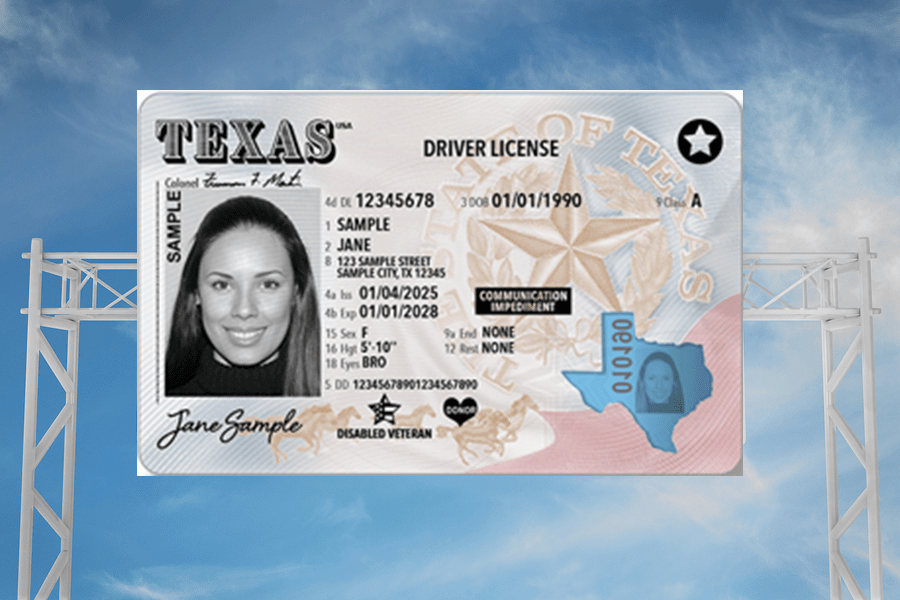
The Texas State Identification Card, often referred to as a “State ID” or “ID card,” is a government-issued document that serves as official proof of identity for Texas residents. Unlike a driver’s license, it does not grant driving privileges but is equally valid for identification purposes. This is particularly beneficial for individuals who do not drive, such as teenagers, seniors, or those who rely on public transportation. The card contains essential information about the holder, including their photograph, full name, address, date of birth, and a unique identification number. It’s a critical document for a wide array of activities, including but not limited to:
- Opening Bank Accounts: Financial institutions require official identification to verify your identity before opening new accounts or conducting transactions.
- Accessing Government Services: Many state and federal services, such as applying for benefits or registering to vote, necessitate a valid State ID.
- Proving Age: For purchasing age-restricted items like alcohol or tobacco, or for entering age-restricted venues, your State ID is essential.
- Boarding Airplanes: While a driver’s license is commonly used, a Texas State ID is also accepted by the Transportation Security Administration (TSA) for domestic air travel.
- Picking Up Mail: Certain mail services may require identification to release packages or registered mail.
- Entering Secure Buildings: Many government buildings and private facilities require identification for entry.
- Enrolling in Educational Institutions: Universities and colleges often require State ID for student enrollment and identification.
- Utilizing Local Tourism Services: When exploring attractions like the Alamo or enjoying Texas cuisine, having your State ID can be useful for various purposes, including age verification for certain tours or activities.
The Texas State Identification Card is designed to be a secure and reliable form of identification, reflecting the state’s commitment to ensuring its residents have the necessary credentials for daily life and engagement with society. The process of obtaining one mirrors many aspects of getting a driver’s license, emphasizing the importance of accurate documentation and verification. Whether you’re planning a memorable family trip to Galveston or a sophisticated business stay in Houston, your State ID is a gateway to seamless experiences.
Eligibility Requirements for a Texas State ID
To be eligible for a Texas State Identification Card, you must meet certain residency and identity verification requirements. These standards are in place to ensure the integrity of the identification system and to prevent fraud. The primary eligibility criteria include:
- Texas Residency: You must be a resident of Texas. This means you intend to live in Texas and have established a primary residence within the state. Proof of residency is a crucial part of the application process.
- Identity Verification: You will need to provide documentation that unequivocally proves your identity. This typically involves submitting original or certified copies of documents that establish your legal name and date of birth.
- Social Security Number: You must provide your Social Security Number (SSN). If you do not have an SSN, you may need to provide alternative documentation, such as proof of ineligibility from the Social Security Administration.
- Legal Presence: For non-U.S. citizens, proof of legal presence in the United States is required.
It is important to note that the DPS has specific guidelines regarding the types of documents they accept. Mismatched names on documents, expired identification, or incomplete paperwork can lead to delays or rejection of your application. Therefore, it is highly recommended to review the official DPS website for the most current and detailed list of acceptable documents before you visit an office. Preparing these documents in advance will streamline your visit and ensure a smoother application process, allowing you to quickly return to enjoying Texas‘s many attractions, from the natural beauty of the Big Bend National Park to the vibrant arts scene in Austin.
Required Documentation for Your Application
Gathering the correct documentation is the most critical step in obtaining your Texas State Identification Card. The Texas DPS requires applicants to present specific documents to verify their identity, date of birth, Social Security Number, and residency. You will typically need to provide three types of documents:
1. Proof of Identity and Date of Birth
This document establishes who you are and when you were born. Acceptable primary documents include:
- U.S. Birth Certificate: An original or certified copy issued by a U.S. state or territory.
- U.S. Passport: A valid U.S. passport book or card.
- Consular Report of Birth Abroad: For U.S. citizens born abroad.
- Certificate of Citizenship: Issued by U.S. Citizenship and Immigration Services (USCIS).
- Certificate of Naturalization: Issued by USCIS.
- Valid Foreign Passport with Visa and I-94 Form: For non-U.S. citizens who are legally present in the United States.
If you cannot provide one of the primary documents, you may be able to use a secondary document in combination with other forms of verification. Always check the DPS website for the most up-to-date requirements.
2. Proof of Social Security Number

You must provide proof of your Social Security Number. Acceptable documents include:
- Social Security Card: An original Social Security card.
- W-2 Form: Issued by an employer.
- SSA-1099 Form: Issued by the Social Security Administration.
- Pay Stub: With your name and Social Security Number clearly visible.
If you do not have a Social Security Number, you will need to provide proof of ineligibility from the Social Security Administration.
3. Proof of Texas Residency
You will need to present two different documents that show your current Texas residential address. These documents must be current and display your full name and residential address. Acceptable documents include:
- Utility Bills: Such as electric, water, or gas bills (dated within the last 90 days).
- Lease Agreements or Mortgage Statements: Showing your name and address.
- Bank Statements: (dated within the last 90 days).
- Insurance Policies: Homeowner’s or renter’s insurance policies.
- Vehicle Registration or Title: In your name.
- Voter Registration Card: If you are registered to vote in Texas.
- Mail from Government Agencies: Such as tax statements or benefit statements.
It is crucial that the name on all submitted documents matches your legal name. If your name has changed due to marriage or any other reason, you may need to provide legal documentation (e.g., marriage certificate, court order) to show the link between your current name and the name on your identity documents. Carefully reviewing the DPS‘s official list of acceptable documents will prevent any surprises and ensure you have everything needed to successfully apply. This thorough preparation will allow you to then focus on exploring the vast array of Texas attractions, from the historic sites of Goliad to the modern marvels of Fort Worth, with confidence.
The Application Process: Step-by-Step
Once you have meticulously gathered all the required documentation, the next step is to navigate the application process itself. This typically involves a visit to a Texas DPS driver license office. It’s wise to prepare for this visit to ensure it’s as efficient as possible, allowing you to return to enjoying the vibrant Texas lifestyle, perhaps by sampling some authentic Tex-Mex cuisine or exploring a unique boutique hotel in a charming town like Fredericksburg.
Visiting a DPS Driver License Office
The Texas Department of Public Safety operates numerous driver license offices throughout the state. These offices handle a wide range of services, including the issuance of State Identification Cards.
- Locate an Office: Visit the official Texas DPS website to find the driver license office nearest to you. Some offices may offer appointments, which can significantly reduce your wait time. It is highly recommended to check the availability of appointments and consider booking one if possible.
- Complete the Application Form: Before your visit, you can often download and complete the Application for a Texas Driver License or Identification Certificate (DL-14B) form from the DPS website. Filling this out in advance will save you time at the office. Ensure all sections are completed accurately and legibly.
- Gather Your Documents: Bring all your original or certified copies of the required documents (Proof of Identity/Date of Birth, Proof of Social Security Number, and two Proofs of Texas Residency). Make sure they are in order and easy to present.
- Submit Your Application and Documents: At the office, you will present your completed application form and all supporting documents to a DPS representative. They will review your paperwork to ensure it meets all the state’s requirements.
- Identity Verification and Photo: Your identity will be verified against the documents you provide. You will then have your photograph taken for the State ID card. This photo is permanent and will appear on your identification, so ensure you are ready for your picture.
- Pay the Fee: There is a fee associated with obtaining a Texas State Identification Card. The exact amount can vary slightly, so it’s best to check the DPS website for the current fee schedule. Payment methods accepted will be detailed by the office.
- Receive Your Temporary ID: After completing the process and paying the fee, you will typically be issued a temporary State ID card. This temporary document is valid for a specific period while your permanent card is being processed.
- Receive Your Permanent ID: Your permanent Texas State Identification Card will be mailed to your residential address within a few weeks.
The entire process, from the initial document gathering to receiving your permanent card, is designed to be thorough yet efficient. By being well-prepared and understanding each step, you can make the experience as smooth as possible, freeing you up to explore all the wonders Texas has to offer, from the vibrant nightlife of Austin to the tranquil beauty of its many state parks.
Tips for a Smooth Application Experience
To ensure your visit to the DPS office is as efficient and stress-free as possible, consider these helpful tips:
- Check the Official DPS Website: This is your primary resource. The Texas DPS website (tx.gov/dps) is regularly updated with the most current information on acceptable documents, fees, office locations, and appointment availability. Always refer to it before your visit.
- Make an Appointment: If appointments are available at your chosen office, book one. This can dramatically reduce your waiting time, especially during peak hours.
- Arrive Early: Even with an appointment, arriving a bit early can help you navigate the process without feeling rushed.
- Organize Your Documents: Have all your original or certified documents neatly organized and easily accessible. Keep them in a folder or envelope.
- Double-Check Document Requirements: Ensure you have all the necessary documents as specified by the DPS. Missing even one item can lead to a postponed application. Pay close attention to the residency requirement, as this is a common point of confusion.
- Ensure Name Consistency: Verify that your full legal name is consistent across all your documents. If there are discrepancies, bring supporting legal documents like marriage certificates or court orders.
- Prepare for the Fee: Know the current fee for the State ID and have the exact amount or acceptable payment method ready.
- Be Patient: DPS offices can be busy. Remaining patient and courteous with the staff will contribute to a more positive experience.
- Understand Photo Requirements: While you can’t significantly alter your appearance for the photo, be aware of general guidelines (e.g., no hats or sunglasses unless for religious or medical reasons).
- Consider Renewals: If you are renewing an existing State ID or driver’s license, the process might have slightly different requirements. Check the DPS website for renewal-specific information.
By following these recommendations, you can significantly improve your chances of a successful and efficient application for your Texas State Identification Card. This will allow you to fully immerse yourself in the diverse Texas experience, from its rich history and culture to its burgeoning culinary scene and incredible natural beauty. Whether you’re planning a trip to the San Antonio Riverwalk or considering a long-term stay in a scenic part of the state, your State ID is a vital tool.
The acquisition of a Texas State Identification Card is a straightforward process that empowers residents with a crucial form of identification. By understanding the requirements, gathering the necessary documentation diligently, and preparing for your visit to a DPS office, you can navigate this procedure with confidence. This official card is not just a piece of plastic; it’s a key that unlocks access to services, facilitates daily transactions, and enables you to fully engage with the vibrant Texas lifestyle, whether you’re a tourist exploring its landmarks, a student embarking on a new academic journey, or a long-term resident enjoying the unique charm of the Lone Star State. The DPS is committed to providing accessible identification services, ensuring that all Texas residents have the means to prove their identity and participate fully in society.
LifeOutOfTheBox is a participant in the Amazon Services LLC Associates Program, an affiliate advertising program designed to provide a means for sites to earn advertising fees by advertising and linking to Amazon.com. Amazon, the Amazon logo, AmazonSupply, and the AmazonSupply logo are trademarks of Amazon.com, Inc. or its affiliates. As an Amazon Associate we earn affiliate commissions from qualifying purchases.