
For many travelers eyeing the Sunshine State, the question isn’t just “What is there to see in Florida?” but also “How do I get there, and how far is it?” Gainesville, Florida, often sits at a fascinating crossroads in this travel calculus. Nestled in the heart of North Central Florida, it’s a city renowned for its academic prowess, vibrant culture, and natural beauty. But beyond its intrinsic appeal, understanding Gainesville’s geographic positioning is crucial for anyone planning a visit, serving as a gateway to exploring the broader region or as a compelling destination in itself. This article delves into the logistical considerations of reaching Gainesville, exploring its strategic location, typical travel times from major urban centers, and the diverse modes of transport available to make your journey as seamless as possible.
Gainesville’s Strategic Location: A Northern Florida Hub
Gainesville’s placement within Florida is one of its most defining characteristics, offering both accessibility and a unique charm that distinguishes it from the state’s more coastal or southern destinations. Positioned well inland, it serves as a regional anchor, connecting various parts of Florida while maintaining its own distinct identity.
Geographic Context and Major Connectivity
Situated approximately equidistant from the Atlantic Ocean to the east and the Gulf of Mexico to the west, Gainesville benefits from a central location that makes it relatively accessible from many directions. The city is a primary hub for North Central Florida, traversed by major interstate highways and state roads. Interstate 75 (I-75) is arguably the most critical artery, running north-south through the western edge of the city, linking Gainesville directly to other major Florida cities like Tampa, Orlando, and even continuing north towards Georgia and beyond. Additionally, U.S. Route 441 (US-441) and U.S. Route 301 (US-301) provide significant north-south connectivity, while several state roads offer east-west routes, weaving Gainesville into the broader state transportation network. This robust road infrastructure ensures that whether you’re driving from a nearby town or a distant state, navigating to Gainesville is generally straightforward.
Proximity to Key Florida Destinations
While Gainesville may not be directly on the beach, its inland location places it within a reasonable driving distance of many of Florida’s most famous attractions and major cities. This makes it an ideal stopover for extended road trips or a convenient base from which to explore diverse facets of the state. For instance, the historic charm of St. Augustine and the bustling metropolis of Jacksonville on the Atlantic coast are within a comfortable drive. To the south, the theme park capital of Orlando and the vibrant Gulf Coast cities of Tampa and St. Petersburg are also readily accessible. This strategic positioning allows travelers to experience both the academic and natural wonders of Gainesville alongside Florida’s more conventional tourist magnets, offering a comprehensive view of the state’s offerings.
Measuring the Journey: Distances from Major Cities
Understanding the exact distances and estimated travel times from key Florida cities is vital for effective trip planning to Gainesville. These figures can significantly influence decisions regarding travel mode, overnight stays, and overall itinerary design.
From Florida’s East Coast Metropolises
The East Coast of Florida hosts some of the state’s largest cities and most significant historical sites. From these points, Gainesville is a manageable drive:
- Jacksonville, Florida: Located approximately 70-80 miles northeast of Gainesville, the drive typically takes around 1 hour and 15 minutes to 1 hour and 30 minutes via I-10 W and US-301 S or I-75 S.
- Orlando, Florida: Situated about 110-120 miles southeast, the journey usually spans 1 hour and 45 minutes to 2 hours, primarily along the Florida Turnpike and I-75 N.
- Miami, Florida: As Florida’s southernmost major city, Miami is a more substantial trip at roughly 340 miles. This drive can take anywhere from 5 to 6 hours, depending on traffic, mostly following the Florida Turnpike and I-75 N.
- St. Augustine, Florida: The nation’s oldest city is about 80 miles east of Gainesville, with a driving time of approximately 1 hour and 30 minutes, generally via FL-207 W and FL-16 W to I-75 N.
From Florida’s West Coast Centers
The Gulf Coast offers a different set of vibrant urban experiences, and Gainesville is equally accessible from these areas:
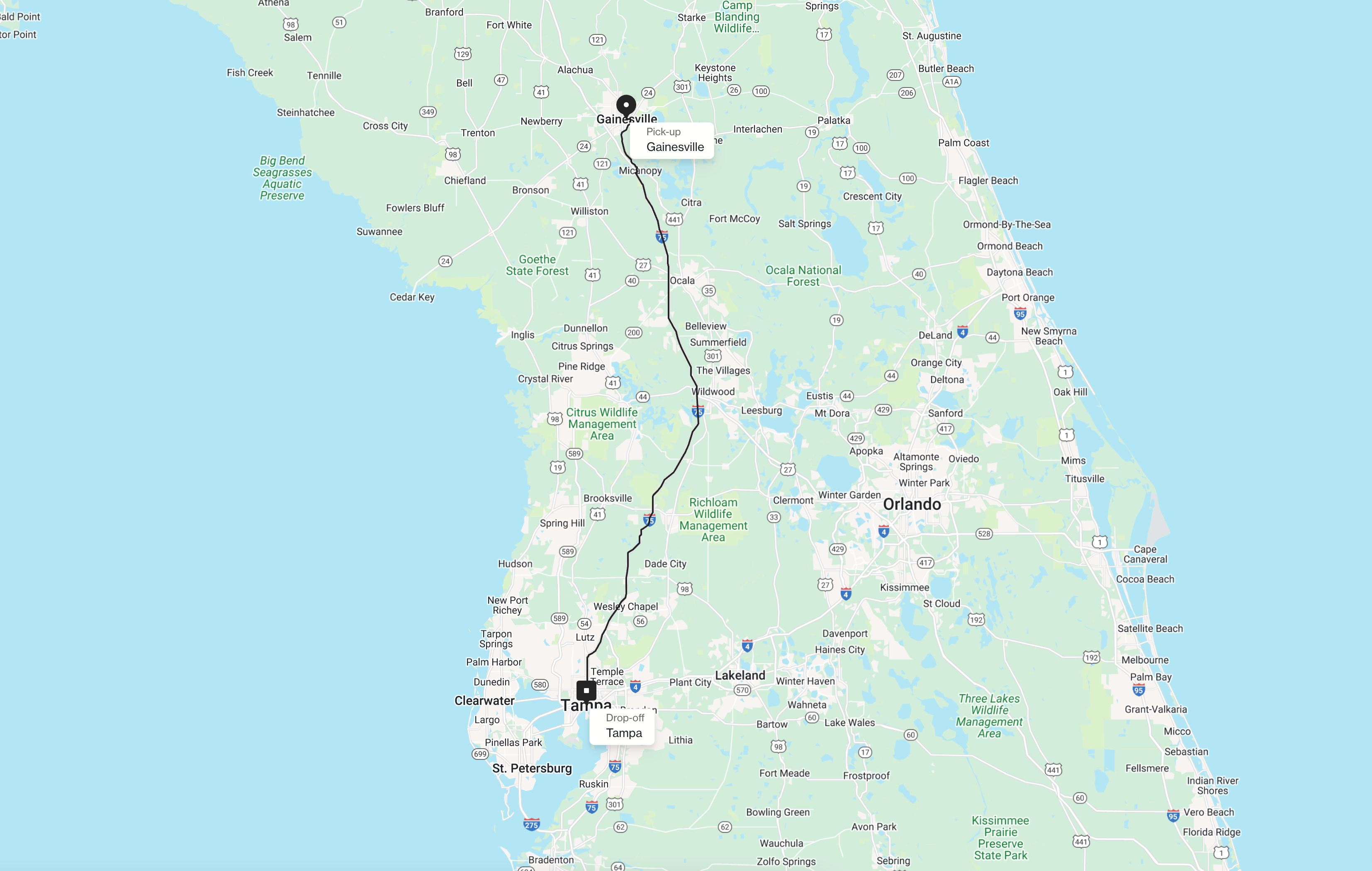
- Tampa, Florida: Located around 130-140 miles southwest, the drive takes approximately 2 hours to 2 hours and 30 minutes, almost entirely north on I-75.
- St. Petersburg, Florida: Slightly further than Tampa, at about 150 miles southwest, the journey from St. Petersburg to Gainesville is roughly 2 hours and 30 minutes to 3 hours, also predominantly via I-275 N and I-75 N.
- Tallahassee, Florida: The state capital, situated about 150 miles northwest, requires a drive of approximately 2 hours and 30 minutes to 3 hours, largely following I-10 E and US-27 S.
Driving Times and Routes
These driving times are estimates and can vary significantly based on traffic conditions, time of day, road construction, and individual driving speed. For optimal planning, it is always advisable to consult real-time navigation apps before departure. The primary routes often involve stretches of interstate highways, which are generally well-maintained and offer direct paths. However, for those who prefer a more leisurely journey, scenic state roads and U.S. routes provide alternatives, often passing through charming small towns and rural landscapes, albeit potentially adding to the overall travel time.
Reaching Gainesville: Your Travel Options
While driving is a popular choice for many, Gainesville is accessible through a variety of transportation methods, catering to different preferences and starting points.
Driving: The Scenic Route or the Direct Path
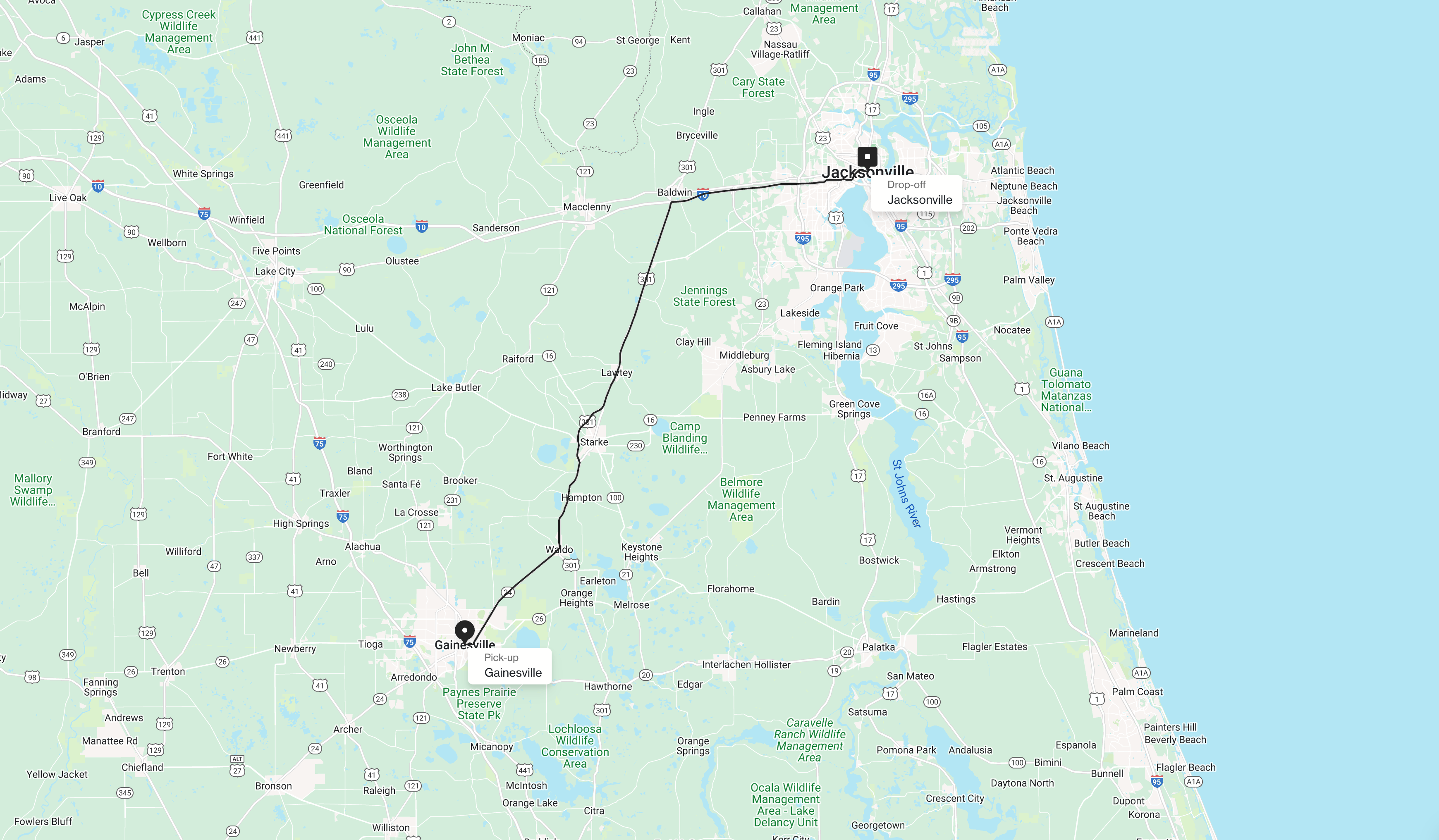
Driving offers unparalleled flexibility, allowing travelers to explore at their own pace and carry more luggage. As highlighted above, major interstates like I-75 provide the most direct routes into Gainesville from both north and south. From the east and west, a network of U.S. highways and state roads connects the city to coastal areas and the panhandle. For those coming from outside Florida, I-75 is a primary gateway, connecting from Georgia and other points north. Renting a car upon arrival at a major Florida airport is also a common strategy for visitors flying into the state before heading to Gainesville. The city itself is very car-friendly, with ample parking usually available, making a personal vehicle an excellent choice for exploring local attractions and natural parks.
Flying: Gainesville Regional Airport and Beyond
For travelers coming from further afield, flying is often the most time-efficient option. Gainesville is served by the Gainesville Regional Airport (GNV). Although it’s a smaller airport, GNV offers direct flights to several major hubs, including Atlanta, Charlotte, and Dallas/Fort Worth, allowing for connections to national and international destinations. For a wider range of flight options, often at more competitive prices, many visitors choose to fly into larger Florida airports such as Orlando International Airport (MCO) or Jacksonville International Airport (JAX). From these major airports, travelers can rent a car and drive the remaining distance to Gainesville, or utilize shuttle services. The drive from MCO is typically around 2 hours, and from JAX is about 1.5 hours, making these viable entry points for air travelers.
Public Transportation and Other Alternatives
While driving and flying are the dominant modes, other options exist for reaching Gainesville. Greyhound offers bus services to Gainesville from various cities across Florida and beyond, providing a budget-friendly alternative. While there is no direct Amtrak train service to Gainesville, the closest stations are in Palatka or Waldo, requiring subsequent ground transportation. Ride-sharing services and local taxi companies are available within the city and from the airport, but for longer inter-city travel, they are often less cost-effective than renting a car or taking a bus. For those traveling for specific events, such as University of Florida sporting events, specialized shuttle services might be available from larger cities.
Why Gainesville is Worth the Trip: A Destination Unveiled
Beyond the logistical considerations of distance and travel, the “why” of visiting Gainesville is equally compelling. It’s a city that blends the vibrancy of a major university town with a deep appreciation for nature and culture, offering a unique Florida experience.
Academic Excellence and Cultural Vibrancy
Home to the esteemed University of Florida, Gainesville pulsates with youthful energy and intellectual curiosity. The university campus itself is a significant attraction, boasting impressive architecture and beautiful grounds. Visitors can explore the Florida Museum of Natural History and the Harn Museum of Art, both part of the Gainesville Cultural Plaza, offering world-class exhibits ranging from prehistoric Florida to contemporary international art. The city’s thriving downtown district (Downtown Gainesville) is a hub for live music, independent boutiques, and diverse culinary experiences, reflecting the eclectic tastes of its student population and long-term residents alike. College sports, particularly Gators football, create an electric atmosphere during season, making Gainesville a pilgrimage site for sports enthusiasts.
Natural Wonders and Outdoor Adventures
Gainesville truly shines for nature lovers. It’s surrounded by unique ecosystems, making it an excellent base for outdoor adventures. Paynes Prairie Preserve State Park, a vast savanna, is home to wild horses, bison, and an array of bird species, offering exceptional opportunities for hiking, birdwatching, and photography. The awe-inspiring Devil’s Millhopper Geological State Park features a massive, bowl-shaped sinkhole leading down to a miniature rainforest. Sweetwater Wetlands Park provides boardwalks over wetlands teeming with alligators and birds. For a more cultivated natural experience, the Kanapaha Botanical Gardens offer stunning displays of ornamental plants and theme gardens. The nearby Santa Fe College Teaching Zoo provides an intimate animal encounter, perfect for families. These natural attractions provide a refreshing contrast to Florida’s more commercialized tourist spots.
Culinary Delights and Local Charm
The culinary scene in Gainesville is surprisingly sophisticated and diverse, ranging from farm-to-table restaurants that highlight local produce to international eateries reflecting the city’s multicultural population. Downtown Gainesville is particularly rich with dining options, alongside craft breweries and lively cafes. Beyond dining, the city boasts a vibrant arts scene, with numerous galleries, theaters, and performance venues. Local markets and festivals frequently showcase regional artists, musicians, and food vendors, offering visitors a genuine taste of Gainesville’s community spirit and charm. This blend of academic rigor, natural beauty, and a strong sense of community makes Gainesville a destination that offers far more than just proximity to other Florida attractions.
Planning Your Visit: Tips for a Seamless Journey
To ensure a memorable trip to Gainesville, a few practical considerations can make all the difference.
Best Time to Visit
Gainesville experiences a humid subtropical climate. The best times to visit are generally spring (March to May) and fall (September to November). During these seasons, temperatures are pleasantly mild, ranging from the 60s to 80s Fahrenheit, with lower humidity. This weather is ideal for exploring the city’s outdoor attractions and enjoying festivals. Summers (June to August) are hot and humid, with frequent afternoon thunderstorms, which can be less comfortable for extensive outdoor activities. Winters (December to February) are mild, with cooler temperatures, making it a good escape from colder northern climates, though occasional cold snaps can occur.
Navigating the City
Once in Gainesville, a car is the most convenient way to get around, especially for reaching state parks and attractions outside the immediate downtown or university areas. The city also has a public bus system, Gainesville Regional Transit System (RTS), which serves the University of Florida campus and key city points. For shorter distances, ride-sharing services are readily available. The Downtown Gainesville area and the University of Florida campus are quite walkable, allowing visitors to explore on foot.

Essential Travel Considerations
Before your trip, it’s wise to book accommodations in advance, especially during university events like graduation or major football games, when demand can be high. Pack according to the season, with layers for cooler months and light, breathable clothing for warmer periods. Don’t forget sunscreen, insect repellent, and comfortable walking shoes, particularly if you plan to explore the natural parks. Always stay hydrated, especially during warmer months. Familiarizing yourself with the city’s layout and key attractions beforehand can enhance your experience, allowing you to maximize your time in this engaging North Central Florida gem.
In conclusion, “How far is Gainesville, Florida?” is a question with a straightforward answer in terms of miles and hours, but its true distance is measured in the unique experiences it offers. Whether you’re driving from a nearby Florida city or flying in from across the country, the journey to Gainesville opens the door to a destination rich in academic heritage, natural beauty, and a vibrant local culture that is distinctly its own.
LifeOutOfTheBox is a participant in the Amazon Services LLC Associates Program, an affiliate advertising program designed to provide a means for sites to earn advertising fees by advertising and linking to Amazon.com. Amazon, the Amazon logo, AmazonSupply, and the AmazonSupply logo are trademarks of Amazon.com, Inc. or its affiliates. As an Amazon Associate we earn affiliate commissions from qualifying purchases.